

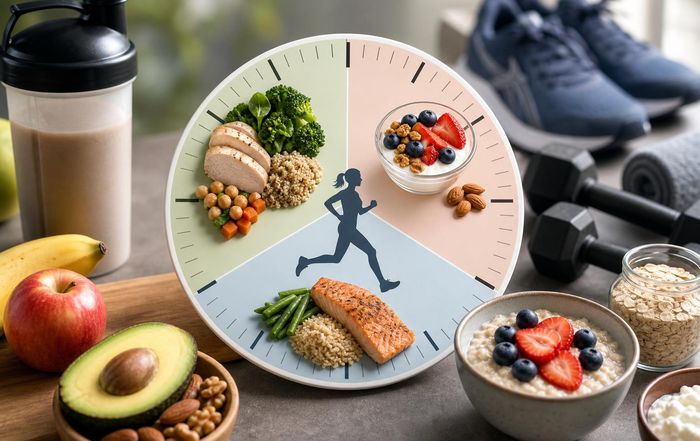
How Nutrition Timing Supports Active Lifestyles
The Strategic Role of Nutrition Timing in Modern Performance
As active lifestyles become the norm rather than the exception across major markets from the United States and Canada to Germany, Japan, Australia and beyond, the conversation around sports performance has shifted from vague notions of "eating healthy" to precise strategies grounded in timing, dosage and context. For the global community that gravitates here for original news insight on sports, fitness, health and performance, nutrition timing is no longer a niche concept reserved for elite athletes; it has become a practical, evidence-informed framework that office professionals, hybrid workers, gamers, recreational runners and competitive athletes can all use to support energy, recovery and long-term wellbeing.
Nutrition timing refers to the deliberate coordination of what an individual eats and drinks with when they train, compete, commute, sleep and work, with the goal of optimizing performance, body composition, cognitive focus and metabolic health. While total daily intake of energy and nutrients remains the primary determinant of outcomes, the timing of carbohydrate, protein, fat and fluid intake has been shown by organizations such as the American College of Sports Medicine and the International Olympic Committee to influence glycogen restoration, muscle protein synthesis, hormonal responses and even perceived exertion. Readers can explore broader sports nutrition principles through resources such as the ACSM position stand on nutrition and athletic performance and the IOC consensus statements available via the Olympic World Library.
For an active audience that crosses high-performance professionals in London and New York, endurance enthusiasts in Germany and the Netherlands, and emerging fitness communities in Singapore, Brazil and South Africa, the central question is no longer whether nutrition timing matters, but how to integrate it into real lives constrained by work, family, travel and cultural patterns of eating. That is where SportyFusion positions itself: not as a theoretical voice, but as a bridge between evolving science and daily practice, connecting performance-driven subscribing members and visiting readers through 100% unique sections such as performance, training and lifestyle.
Foundations: Energy Systems, Circadian Rhythms and Active Lifestyles
To understand why timing matters, it is essential to appreciate how the body fuels activity. Short, explosive efforts such as sprints, heavy lifts and high-intensity intervals rely heavily on phosphocreatine and anaerobic glycolysis, drawing quickly on carbohydrate stores, while longer, steady-state efforts such as distance running, cycling or hiking depend more on a mix of carbohydrate and fat oxidation. As described by World Athletics and other global bodies, the limiting factor in many sports is not sheer willpower but the availability of muscle glycogen and blood glucose; once those are depleted, performance declines, perceived effort rises and the risk of injury or error increases. Readers interested in the physiology underpinning these systems may turn to educational resources from World Athletics or the National Institutes of Health, accessible via MedlinePlus.
Layered on top of these energy systems are the body's circadian rhythms, which influence hormone secretion, digestion, sleep and cognitive performance. Research from institutions such as Harvard Medical School has highlighted that the timing of meals relative to the body clock can affect insulin sensitivity, appetite regulation and even weight management, with earlier, front-loaded energy intake often supporting better metabolic outcomes than late-night eating. Interested professionals can learn more about circadian rhythms and metabolism through Harvard's public health resources, which provide accessible summaries of emerging evidence.
For active individuals who train before dawn in Tokyo, during lunch breaks in London, or late at night in Los Angeles, nutrition timing must therefore be aligned both to the training schedule and to the underlying biological clock. This dual alignment is particularly relevant for shift workers, frequent business travelers and esports professionals, for whom irregular hours and screen exposure can disrupt sleep and appetite. On SportyFusion, these intersections between physiology, work patterns and performance are reflected across business, jobs and gaming coverage, recognizing that modern performance is as much cognitive and professional as it is physical.
Pre-Workout Nutrition: Preparing the Body and Mind
The period two to four hours before training or competition is a critical window for preparing the body with adequate fuel, hydration and gastrointestinal comfort. For most active adults, sports nutrition experts at organizations such as Gatorade Sports Science Institute and the Australian Institute of Sport recommend a balanced pre-exercise meal that emphasizes easily digestible carbohydrates, moderate protein and low fat and fiber, to minimize digestive distress while ensuring sufficient glycogen availability. Those seeking more detailed guidance can explore the AIS sports nutrition resources or the GSSI knowledge hub at gssiweb.org, which translate laboratory findings into practical recommendations for athletes at different levels.
In practice, this may translate into a pre-workout breakfast for an early-morning runner in Stockholm that includes oats, fruit and yogurt, or a mid-afternoon meal for a strength athlete in Toronto that combines rice, lean protein and vegetables. For individuals training in hot climates such as Singapore, Thailand or Brazil, pre-exercise hydration strategies become equally important, with attention to both fluid and electrolyte intake, a topic covered extensively by bodies like World Health Organization, whose general hydration and health materials on who.int inform many national guidelines.
Timing becomes even more nuanced when considering caffeine, which remains one of the most extensively researched and effective ergogenic aids. Guidance from organizations such as UK Sport and WADA indicates that moderate caffeine intake approximately 30 to 60 minutes before exercise can enhance alertness and endurance, though individual responses vary. Professionals and athletes must also remain aware of regulations and ethical considerations, areas that SportyFusion explores through its ethics and news sections, where anti-doping developments and supplement safety are closely followed.
Fueling During Exercise: Matching Intake to Duration and Intensity
For activities lasting less than 60 minutes, especially at moderate intensity, water and a well-timed pre-exercise meal are often sufficient for most healthy individuals. However, as duration and intensity increase, particularly in sports such as marathon running, cycling, football, tennis or long-distance swimming, the strategic intake of carbohydrates and fluids during exercise can significantly influence performance, concentration and risk of fatigue. Consensus statements from the European Food Safety Authority and sports bodies such as UEFA emphasize that for prolonged exercise, carbohydrate intake in the range of 30 to 60 grams per hour, and in some elite contexts up to 90 grams per hour using mixed carbohydrate sources, can support sustained output. Readers interested in regulatory perspectives on sports foods and hydration can consult EFSA's materials on efsa.europa.eu.
Practical implementation varies widely by culture and sport. A footballer in Spain may rely on sports drinks and gels during matches, while an ultra-runner in South Africa might combine energy chews, bananas and electrolyte tablets during long trail events. The global sports industry, led by companies such as Nike, Adidas, Asics and Under Armour, has also integrated fueling strategies into broader performance ecosystems, aligning footwear, apparel and nutrition guidance. Those wanting to understand how leading brands integrate science and performance culture can explore brand case studies and innovation trends on sites such as McKinsey & Company, which frequently analyze the sports and wellness sector.
From a business and technology perspective, the growth of real-time fueling strategies is being accelerated by wearables, continuous glucose monitors and AI-driven coaching platforms. Organizations like Garmin, Apple and WHOOP have expanded their ecosystems to include not only activity tracking but also prompts around hydration and fueling, while research hubs such as MIT Media Lab and Stanford Human Performance Alliance explore data-driven personalization. Readers can learn more about human-performance technology through Stanford's public resources, which often highlight the interplay between sensors, data and behavior change. On SportyFusion, this convergence is reflected in dedicated technology and performance coverage that decodes what these tools mean for everyday active people, not just professionals.
Post-Workout Recovery: The Critical Window and Beyond
If pre-exercise nutrition sets the stage and during-exercise fueling sustains performance, post-exercise nutrition arguably exerts the most profound influence on adaptation, recovery and long-term progress. The concept of an "anabolic window" immediately after exercise has evolved over the last decade; while early research suggested a narrow window of 30 to 60 minutes, more recent analysis, including work disseminated by The Journal of the International Society of Sports Nutrition, indicates that the window may be broader, particularly if total daily intake is adequate. Nonetheless, there remains strong support for consuming high-quality protein and carbohydrates within the first two hours after training to support muscle repair and glycogen restoration. Readers can explore accessible summaries of this evolving science via Examine's nutrition research digests, which are widely used by practitioners and informed consumers.
For strength and power athletes in the United States, United Kingdom or Canada, this often takes the form of a post-workout meal or shake containing 20 to 40 grams of protein from sources such as whey, casein, soy or high-quality plant blends, alongside carbohydrates from rice, potatoes, fruit or whole grains. Endurance athletes in countries such as Norway, Germany or Japan may prioritize carbohydrate replenishment in the immediate post-exercise period, especially following long or intense sessions, while distributing protein evenly across meals to support ongoing repair. The Academy of Nutrition and Dietetics provides guidance on sports nutrition and recovery that can help active individuals align these strategies with broader health goals, including cardiovascular risk reduction and body-weight management.
Hydration and electrolyte replacement are equally central to recovery timing, particularly for those training in hot, humid climates such as Southeast Asia, the Middle East or parts of Africa and South America. The Mayo Clinic and Cleveland Clinic both offer evidence-based recommendations on safe rehydration practices, emphasizing gradual fluid intake and attention to sodium and other electrolytes after heavy sweating. For readers of SportyFusion, where health and environment content often intersect, there is growing interest in how reusable bottles, low-sugar formulations and locally sourced ingredients can support both performance and sustainability.
Daily Meal Timing, Active Workstyles and Global Culture
Beyond the workout-centric windows, the distribution of energy and nutrients across the day exerts a substantial influence on mood, focus, appetite control and long-term health, particularly for professionals balancing demanding jobs with regular training. Studies summarized by organizations such as Public Health England, Health Canada and the Centers for Disease Control and Prevention suggest that regular meal patterns, adequate protein distribution and avoidance of excessive late-night caloric intake are associated with better cardiometabolic profiles and reduced risk of obesity and type 2 diabetes. Those wishing to explore public health perspectives on meal timing and chronic disease can access CDC's nutrition and physical activity resources, which provide data for North America but are widely referenced globally.
Cultural norms shape how these principles are implemented. In Mediterranean countries such as Spain and Italy, where later dinners are common, active individuals may anchor performance nutrition around substantial midday meals and structured snacks, while in Nordic countries such as Sweden, Norway, Denmark and Finland, earlier dinners and strong workplace canteen cultures facilitate more front-loaded energy intake. In fast-paced hubs such as Singapore, Hong Kong and Seoul, convenience foods and delivery platforms have become integral to active lifestyles, raising questions about the nutritional quality and timing of meals consumed between meetings and workouts. On SportyFusion, the culture and world sections frequently highlight how regional food traditions, urban design and workplace norms either support or hinder optimal nutrition timing.
The rise of hybrid and remote work since the early 2020s has also reshaped meal timing possibilities, enabling some professionals to align food intake more closely with training schedules, while blurring boundaries for others who find themselves grazing throughout the day. Behavioral scientists at institutions such as University College London and Karolinska Institutet have explored how environmental cues, digital notifications and social norms influence eating behavior, with implications for individuals seeking to structure meals and snacks strategically. Those interested can learn more about behavior change and nutrition through UCL's public health and psychology resources, which often emphasize practical habit-formation frameworks.
Integrating Nutrition Timing Across Life Stages and Activity Types
Active lifestyles are not confined to a single demographic or sport, and effective nutrition timing must be tailored to age, gender, training history, health status and cultural context. Youth athletes in the United States, Germany or Japan require schedules that respect school commitments and growth needs, with national bodies such as USA Youth Soccer, British Swimming and Deutscher Olympischer Sportbund emphasizing regular meals, adequate energy availability and avoidance of extreme dieting. Parents and coaches can find practical guidance through organizations like The Aspen Institute's Project Play, which provides resources on youth sports and nutrition aimed at building healthy, sustainable participation rather than short-term results.
Adult recreational athletes in cities such as London, Toronto, Sydney or Berlin often face the challenge of training early in the morning or late at night around demanding careers, requiring flexible but intentional approaches to pre- and post-exercise intake. Here, simple frameworks-such as ensuring a carbohydrate-rich snack before high-intensity sessions, prioritizing protein-rich meals after training, and aligning larger meals with the most demanding workouts-can be highly effective. Older adults in Switzerland, the Netherlands, Japan or New Zealand, who increasingly engage in structured resistance training to maintain muscle mass and functional capacity, may benefit from more frequent protein dosing and attention to vitamin D and calcium timing, as outlined by organizations such as the International Osteoporosis Foundation, whose resources at osteoporosis.foundation address exercise and nutrition for bone health.
Specialized populations, including endurance athletes preparing for marathons, triathlons or cycling events, and esports or gaming professionals who combine long sedentary hours with bursts of high-stress competition, require even more nuanced timing strategies. Endurance athletes often deploy carbohydrate periodization, deliberately aligning high-carbohydrate meals with key sessions and using lower-carbohydrate periods to stimulate specific adaptations, an approach discussed in detail by the Union Cycliste Internationale and various national sports institutes. Esports competitors, covered regularly in SportyFusion's gaming and social sections, must consider timing of caffeine, hydration and balanced meals to support sustained cognitive performance, eye health and sleep quality, with guidance emerging from organizations such as the Esports Integrity Commission and academic centers in South Korea and the United States.
Trust, Ethics and the Business of Nutrition Timing
As interest in nutrition timing has surged, so too has commercial activity across supplements, functional foods, apps and coaching services. This growth has created both opportunity and risk for consumers worldwide. On one hand, innovation from companies such as Nestlé Health Science, Danone, PepsiCo and Unilever has expanded the availability of products designed for specific timing windows, from recovery shakes to intra-workout drinks and sleep-supportive beverages. On the other hand, the proliferation of unregulated supplements and aggressive marketing on social media has raised concerns about safety, efficacy and misleading claims. Regulatory agencies such as the U.S. Food and Drug Administration and the European Commission provide frameworks for evaluating these products, and readers can learn more about supplement regulation and safety to make informed decisions.
Trustworthiness in this environment depends on transparent communication of evidence, clear labeling, third-party testing and alignment with anti-doping codes, especially for competitive athletes in Europe, Asia, Africa and the Americas. Organizations like Informed Sport and NSF International offer certification programs that test sports nutrition products for banned substances, while independent reviewers and academic collaborations help scrutinize claims. For the SportyFusion audience, which values both performance and integrity, coverage across brands, ethics and business emphasizes this intersection of commercial innovation and ethical responsibility, highlighting companies and practitioners that demonstrate genuine expertise and accountability.
Digital platforms and AI-driven nutrition tools add another layer of complexity. While personalized meal-timing recommendations based on wearable data and self-reported preferences can be valuable, they also raise questions around data privacy, algorithmic bias and the quality of underlying evidence. International bodies such as the OECD and World Economic Forum have begun to articulate principles for trustworthy AI in health and wellness, which can be explored through resources on weforum.org. For globally minded readers in markets such as Singapore, the United Kingdom and the European Union, where data-protection regulations are stringent, understanding how nutrition apps handle personal data is now as important as understanding how they sequence meals and snacks.
How We Connect Timing Science to Real-World Performance
Within this evolving landscape, SportyFusion occupies a distinctive position as a premium website dedicated to connecting high-quality, globally relevant recent information with the lived realities of active people. The site's integrated and impartial coverage of sports, fitness, health, culture, world events and technology allows it to treat nutrition timing not as an isolated topic but as part of a broader ecosystem of performance, identity and global trends.
For a runner in Boston preparing for a spring marathon, a football fan in Manchester balancing weekend league play with a demanding job, a cyclist in Berlin navigating long commutes and training blocks, or a gamer in Seoul managing late-night tournaments and daylight training, SportyFusion aims to translate complex science into practical frameworks that can be adapted to individual circumstances. By highlighting credible experts, analyzing new research, tracking brand behavior and showcasing diverse cultural practices, the platform reinforces core principles of experience, expertise, authoritativeness and trustworthiness, while acknowledging that there is no single perfect timing schedule for everyone.
In a world where information is abundant but attention is limited, the value lies not only in knowing that pre-workout carbohydrates, mid-session hydration and post-exercise protein matter, but in understanding how to sequence these elements across a week, a season and a career, in harmony with work, family, travel and personal values. As time unfolds, nutrition timing will continue to evolve in response to new evidence, technologies and cultural shifts, yet its central promise remains constant: to help active people around the world align what they eat with how they move, think and live, so that performance and health reinforce each other rather than compete.
For a rapidly growing number of members, and readers who wish to deepen their understanding, explore applied strategies and follow emerging trends in this space, the broader ecosystem at sportyfusion.com offers an ongoing, globally attuned conversation about how timing, training and lifestyle intersect in the pursuit of sustainable, high-level performance. This may be the end of the sporty article, but it can be the beginning of a new idea. Keep exploring and check back daily for more positive perspectives.