

Sustainable Packaging Solutions for Sports Retail
The New Competitive Frontier in Sports Retail
Oh yes! sustainable packaging has moved from a peripheral corporate social responsibility topic to a central strategic lever in global sports retail, reshaping how brands design products, manage supply chains, and communicate with increasingly informed and demanding consumers. For the worldwide audience that SportyFusion.com serves, spanning fitness enthusiasts, performance-driven athletes, and environmentally conscious consumers from the United States, United Kingdom, Germany, Canada, Australia, and far beyond, packaging has become a visible and measurable expression of a brand's values, operational discipline, and long-term resilience. As leading sportswear and equipment companies navigate tightening regulations, shifting consumer expectations, and rapid innovation in materials science, the ability to implement credible, scalable, and cost-effective sustainable packaging solutions is emerging as a key dimension of competitiveness and reputation in the sports retail sector.
In this environment, sustainable packaging is no longer simply about reducing plastic or adding green icons to boxes; it is about rethinking the entire lifecycle of packaging through a lens of circularity, carbon reduction, and customer experience. Readers who follow the business and innovation coverage on SportyFusion can already see how packaging decisions intersect with broader trends in sports technology, global supply chains, brand positioning, and ethical performance, creating a complex but highly dynamic landscape that rewards genuine expertise and execution.
Regulatory and Market Forces Redefining Packaging Expectations
Across Europe, North America, and rapidly in Asia-Pacific, regulatory frameworks are tightening around packaging waste, recyclability, and extended producer responsibility, forcing sports retailers and brands to internalize costs that were previously externalized to municipalities and consumers. The European Union's evolving Packaging and Packaging Waste Regulation, tracked by institutions such as the European Commission, is raising minimum recycled content requirements and mandating clearer labeling, while countries including Germany, France, and Italy are enforcing national rules that penalize non-recyclable or hard-to-process materials. In parallel, states in the United States such as California and Oregon are advancing extended producer responsibility schemes that influence global packaging strategies for multinational sports brands.
At the same time, consumer expectations are advancing faster than legislation. Surveys compiled by organizations like the Ellen MacArthur Foundation show that a growing share of consumers across Canada, Australia, Japan, and Brazil expect brands to minimize waste and design for circularity, particularly in categories associated with health, fitness, and performance where environmental and personal well-being are closely linked. On SportyFusion's lifestyle and health channels, readers consistently demonstrate higher trust in brands that align packaging choices with transparent sustainability commitments, indicating that packaging has become a powerful signal of authenticity and integrity.
From Single-Use to Circular Systems: Core Principles
Sustainable packaging in sports retail is now defined less by individual materials and more by systems thinking, integrating resource efficiency, circularity, and climate impact into a coherent framework that can operate at global scale. Organizations such as the World Resources Institute and the World Economic Forum emphasize that truly sustainable packaging solutions must address the full lifecycle: raw material sourcing, production, logistics, consumer use, and end-of-life management, while also recognizing regional infrastructure differences in recycling and reuse.
For sports brands selling across North America, Europe, Asia, and Africa, this means designing packaging that can be effectively collected and processed in diverse contexts, from advanced recycling systems in Sweden, Netherlands, and Singapore to emerging infrastructure in South Africa, Malaysia, and Brazil. It also requires integrating packaging strategy with broader corporate climate goals, as outlined by frameworks such as the Science Based Targets initiative, because packaging contributes not only to waste but also to Scope 3 emissions through materials, manufacturing, and transportation.
Material Innovations Transforming Sports Retail Packaging
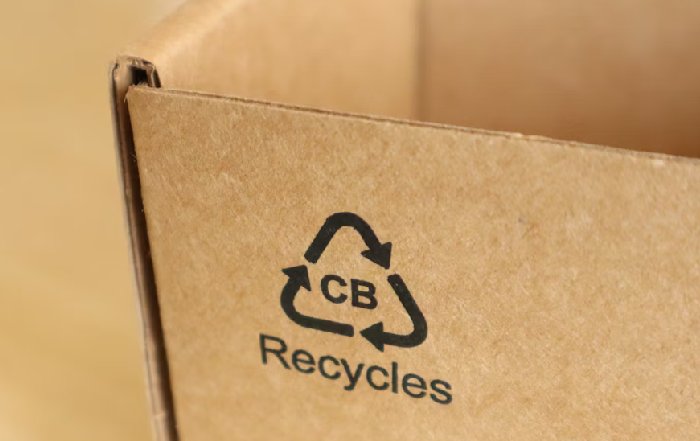
Advances in material science since 2020 have reshaped the options available to sports retailers, allowing them to reduce environmental impact without compromising product protection, shelf presence, or unboxing experience. Recycled content has become standard in many categories, with leading footwear and apparel brands integrating high percentages of post-consumer recycled cardboard and paperboard into shoeboxes, hangtags, and shipping cartons, while ensuring that inks and coatings remain compatible with mainstream recycling streams. Companies that once relied heavily on virgin plastics for polybags and protective films are increasingly shifting to monomaterial polyethylene or polypropylene solutions with higher recycled content, designed for mechanical recycling in markets with robust collection systems.
At the same time, bio-based and compostable materials are being tested and selectively deployed, although expert organizations like the UN Environment Programme caution that compostable solutions only deliver benefits when appropriate industrial or community composting infrastructure exists. Sports retailers in Germany, Netherlands, and Switzerland are experimenting with fiber-based mailers and molded pulp inserts, while brands with strong sustainability narratives in Norway, Finland, and Denmark are piloting agricultural waste-based packaging for accessories and small equipment. For the SportyFusion audience interested in performance, it is particularly relevant that these innovations increasingly balance environmental gains with moisture resistance, durability, and structural strength required to protect advanced materials and electronics in sports technology products.
Designing for E-Commerce, Omnichannel, and Reverse Logistics
The rapid acceleration of e-commerce in sports retail, especially in the United States, United Kingdom, China, and South Korea, has fundamentally changed packaging requirements, shifting emphasis from shelf appeal to shipping durability, return handling, and last-mile efficiency. Leading sports retailers now optimize carton sizes and protective elements to minimize void space and reduce damage in transit, leveraging data from logistics partners and guidelines such as those promoted by the International Safe Transit Association to design packaging that meets performance standards with less material. At the same time, omnichannel models that integrate physical stores, online platforms, and click-and-collect services require packaging systems that can operate seamlessly across channels without unnecessary duplication.
Returns and reverse logistics are a critical dimension in this equation, particularly in categories such as footwear, apparel, and connected fitness devices where fit and functionality often require trial. Reusable and resealable packaging formats are gaining ground, enabling consumers in France, Spain, Italy, and other markets to return products using the original packaging, thereby reducing waste and simplifying operations. Digital tools and QR-code-enabled instructions, inspired by best practices in consumer experience design documented by organizations such as the Nielsen Norman Group, are increasingly used to guide consumers on how to re-use or recycle packaging appropriately, which is especially important in markets where recycling rules are fragmented or evolving.
Life Cycle Thinking and Measurable Impact
As sustainability claims come under closer scrutiny from regulators, investors, and consumer advocates, sports retailers are being pushed to demonstrate the real-world impact of their packaging decisions through robust life cycle assessments and transparent reporting. Methodologies aligned with the ISO 14040 standards and greenhouse gas accounting frameworks help organizations quantify the trade-offs between different materials and formats, such as comparing lightweight plastics with heavier fiber-based solutions that may increase transportation emissions. For the business-focused readers of SportyFusion's business and news sections, this shift toward data-driven evaluation is particularly significant, as it distinguishes brands that rely on marketing narratives from those that build strategies on verifiable evidence.
Investors and financial analysts increasingly refer to guidelines from bodies such as the Sustainability Accounting Standards Board and the Task Force on Climate-related Financial Disclosures to assess how packaging decisions influence long-term risk and opportunity profiles. Sports retailers that can demonstrate material reductions in packaging-related emissions, waste, and costs, backed by third-party verification, are better positioned to attract capital, secure favorable terms from partners, and strengthen their credibility with regulators and NGOs. For global brands with operations in Japan, Singapore, and New Zealand, where sustainability reporting is increasingly standardized, packaging metrics are becoming a routine part of annual disclosures and integrated reports.
Avoiding Greenwashing and Building Trust
The tightening of rules around environmental marketing claims is reshaping how sports retailers communicate about packaging, demanding greater precision, evidence, and humility in public statements. Regulatory bodies such as the U.S. Federal Trade Commission and the UK Competition and Markets Authority have issued or updated guidelines on environmental claims, while the European Commission is advancing initiatives targeting unsubstantiated "green" messaging. Industry guidance and best practices, summarized by organizations like the Advertising Standards Authority, emphasize that terms such as "eco-friendly," "biodegradable," or "plastic-free" require clear explanation and context, particularly in relation to actual end-of-life conditions and regional infrastructure.
For sports retailers and brands featured on SportyFusion's brands and social channels, this environment rewards those who integrate packaging into broader, verifiable sustainability strategies rather than isolated campaigns. Transparent disclosure of material composition, recyclability, and carbon impact, along with realistic explanations of trade-offs and limitations, helps build trust with consumers in Germany, Netherlands, Sweden, and other markets where environmental literacy is high. Conversely, superficial changes such as cosmetic color shifts or symbolic labels without substantive improvements risk reputational damage, social media backlash, and regulatory penalties.
Global Supply Chains, Regional Realities, and Local Adaptation
Sports retail is inherently global, with design centers in North America and Europe, manufacturing hubs in Asia, and consumers spread across Africa, South America, and the Middle East, making packaging strategy a complex exercise in balancing global standards with local realities. The infrastructure for recycling and waste management varies dramatically between countries such as Switzerland or Norway, where collection systems are highly developed, and regions in Africa or parts of South America, where informal waste sectors play a central role. Reports from organizations such as the World Bank underline how these disparities influence the real environmental outcomes of packaging choices, regardless of design intent.
Leading sports retailers are therefore adopting a tiered approach, establishing global design principles-such as minimizing material diversity, avoiding problematic additives, and prioritizing high-value recyclables-while allowing regional packaging variations that account for local regulations, infrastructure, and consumer habits. This may involve deploying different materials or formats for the same product in China, Thailand, or South Africa compared with Canada or Finland, while maintaining consistent branding and core sustainability commitments. For the global readership of SportyFusion, this underscores the need to interpret packaging claims in light of regional context, particularly when comparing offerings across markets.
Integrating Technology and Data into Packaging Strategy
Digital technology is increasingly embedded into packaging strategies, enabling sports retailers to collect data, enhance customer engagement, and improve end-of-life outcomes. Smart packaging, incorporating QR codes, NFC tags, or other digital identifiers, allows brands to provide localized recycling instructions, product authentication, and extended content without adding printed materials, aligning with the broader digitization trend covered in SportyFusion's technology and gaming sections. Platforms and standards promoted by organizations like GS1 and documented on resources such as GS1's official site support interoperability and data consistency across markets and supply chains.
Data analytics applied to packaging performance-damage rates, return patterns, material recovery, consumer feedback-enables continuous improvement and more precise alignment between protection needs and material use. Collaboration with logistics partners, retailers, and recyclers helps sports brands refine packaging specifications for different product categories, from high-end running shoes and technical outerwear to connected fitness devices and esports accessories. Over time, this data-driven approach can reduce both environmental impact and total cost, reinforcing the business case for sustainable packaging and demonstrating the kind of operational excellence that SportyFusion's business-minded readers expect.
Workforce Skills, Jobs, and Organizational Capabilities
The transition to sustainable packaging in sports retail is not only a technical and strategic challenge; it is also a human capital and organizational transformation. Brands that succeed in this area are investing in specialized packaging engineers, sustainability analysts, and supply chain experts who can interpret regulatory developments, evaluate new materials, and collaborate effectively with design, marketing, and procurement teams. Universities and professional associations, supported by insights from organizations like the Chartered Institute of Logistics and Transport, are updating curricula and training programs to equip professionals with life cycle thinking, circular design, and regulatory literacy.
For readers exploring career opportunities through SportyFusion's jobs coverage, sustainable packaging is emerging as a growth area at the intersection of engineering, sustainability, and commercial strategy. Roles that did not exist a decade ago, such as circular packaging program managers or sustainable materials specialists, are now common in global sports brands operating in United States, United Kingdom, Germany, China, and Japan. Organizations that embed packaging sustainability into performance metrics, incentive structures, and cross-functional collaboration are better positioned to translate high-level commitments into consistent execution, reinforcing their authoritativeness and trustworthiness in the eyes of consumers and investors.
Aligning Packaging with Broader Environmental and Social Goals
Sustainable packaging cannot be viewed in isolation from broader environmental, ethical, and social considerations that define responsible sports retail in 2026. Packaging choices intersect with climate strategies, biodiversity protection, and human rights in supply chains, themes frequently explored in SportyFusion's environment and ethics coverage. For instance, sourcing fiber from responsibly managed forests, aligned with standards promoted by organizations such as the Forest Stewardship Council, helps mitigate deforestation and protect ecosystems, while careful selection of suppliers and converters ensures that labor practices in packaging manufacturing meet international norms.
In addition, sports retailers are increasingly aware that packaging can play a role in social inclusion and accessibility, for example through clear labeling, multilingual instructions, and designs that are easy to open and handle for people with limited mobility or visual impairments. As global conversations about equity and inclusion evolve, particularly in Europe, North America, and Asia, packaging becomes another touchpoint where brands can demonstrate respect for diverse consumer needs and contexts. This holistic approach strengthens the overall credibility of sustainability narratives and aligns packaging strategies with the values of SportyFusion's community of readers who care about both performance and purpose.
The Road Ahead: Strategic Imperatives for Sports Retailers
Looking toward the second half of the decade, sustainable packaging in sports retail will continue to evolve from incremental optimization to systemic transformation, driven by regulatory milestones, technological breakthroughs, and shifting consumer norms. Brands that aspire to leadership will need to integrate packaging deeply into corporate strategy, linking it to climate targets, circular business models, and product innovation, rather than treating it as a downstream operational detail. Collaboration across the value chain-material suppliers, converters, logistics providers, recyclers, and digital platforms-will be essential to overcome structural barriers and scale promising solutions.
For the global audience of SportyFusion, from performance-focused athletes in United States and Germany to lifestyle-oriented consumers in France, Italy, Spain, and Brazil, the evolution of packaging will remain a visible indicator of which sports retailers are genuinely committed to sustainable progress. By following developments across sports, fitness, culture, and training, readers can better understand how packaging choices reflect deeper strategic priorities and operational capabilities. As the industry moves toward more circular and climate-aligned models, sustainable packaging will stand not only as a technical achievement but as a tangible expression of experience, expertise, authoritativeness, and trustworthiness in the global sports retail landscape.