

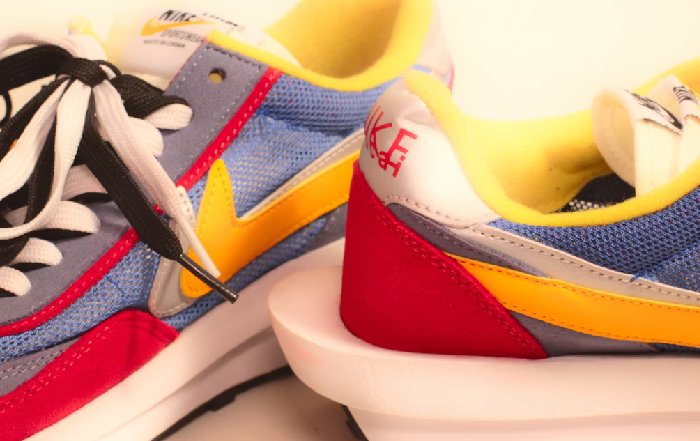
The Aesthetics of Minimalist Running Shoe Design
Minimalism Meets Performance: A New Design Language
Minimalist running shoe design has evolved from a niche movement into a mature design philosophy that bridges performance engineering, sports culture, and lifestyle aesthetics. What began over a decade ago as a reaction against heavily cushioned, maximalist footwear has become a sophisticated global conversation about how athletes move, how brands express identity, and how consumers signal values through the products they wear. For the Sports Fans Community, which lives at the intersection of fitness, culture, technology, and business, minimalist running shoes are no longer just gear; they are artifacts that encapsulate innovation, ethics, and personal expression.
Minimalist footwear aesthetics are shaped by three converging forces: advances in biomechanics and sports science, a global shift toward cleaner and more sustainable product design, and the rise of a visually literate consumer who evaluates shoes not only by how they perform on the road or trail, but also by how they align with broader lifestyle and cultural narratives. As major brands from Nike and Adidas to specialist labels like Vivobarefoot and Xero Shoes refine their minimalist lines, the visual language of these shoes reveals as much about the future of sport as any performance metric. Readers exploring the broader training and performance ecosystem on SportyFusion can see how this design language connects to evolving ideas in fitness and conditioning and to changing expectations around athletic performance.
Defining Minimalist Running Shoes Through an Aesthetic Lens
Minimalist running shoes are often defined in technical terms: reduced stack height, lower heel-to-toe drop, lighter weight, and fewer structural interventions between the foot and the ground. Yet what distinguishes them in the marketplace is increasingly their visual and tactile identity. The aesthetics of minimalism in footwear are not simply about stripping away material for its own sake; they are about conveying a sense of intentional restraint, functional clarity, and biomechanical honesty.
Designers at leading sports science institutions such as Harvard's Skeletal Biology Lab and performance labs associated with organizations like World Athletics have influenced how brands think about foot mechanics and natural motion, and this scientific foundation shapes the appearance of the shoes themselves. Uppers tend to emphasize clean paneling, visible breathability, and seamless transitions between materials, while midsoles and outsoles are sculpted to suggest flexibility and ground feel rather than massive cushioning. Readers interested in the underlying physiology behind these choices can explore how minimalist footwear intersects with broader health and wellness perspectives that prioritize movement quality and long-term joint integrity.
From an aesthetic standpoint, minimalist shoes communicate a kind of visual humility: lower profiles, more neutral color palettes, and subtle branding that contrasts sharply with the bold, angular silhouettes and oversized logos that dominated much of the 2010s. This shift reflects not only functional considerations but also a deeper cultural move toward products that feel less intrusive and more aligned with everyday life, whether on the streets of New York and London or the running trails of Berlin, Sydney, and Tokyo.
Global Cultural Shifts Driving Minimalist Design
The aesthetic trajectory of minimalist running shoes cannot be separated from the broader cultural and social dynamics shaping sport and lifestyle worldwide. Across North America, Europe, and Asia, runners and everyday athletes have embraced a more holistic understanding of fitness, integrating running with strength training, mobility work, and mental health practices. This integrated mindset has created demand for footwear that transitions seamlessly from training runs to office environments, from city commutes to weekend travel.
In the United States and Canada, the rise of hybrid work has blurred the boundaries between athletic and casual wear, driving the popularity of minimalist silhouettes that look as appropriate in a coworking space as on a morning tempo run. In Europe, especially in design-conscious markets like Germany, the Netherlands, and Scandinavia, minimalist aesthetics resonate with long-standing traditions of functional design and material honesty rooted in Bauhaus and Nordic design principles. In Asia, particularly in Japan, South Korea, and Singapore, minimalist footwear aligns with urban lifestyles that value compactness, versatility, and subtle sophistication. Readers following global trends through SportyFusion's world coverage will recognize how these regional preferences feed back into the visual language of footwear design.
Cultural conversations around wellness, slow fashion, and mindful consumption have also reinforced minimalist aesthetics. Influential platforms such as The New York Times' Well section and The Guardian's lifestyle coverage have elevated narratives around running as a meditative, grounding practice rather than purely a performance pursuit. This narrative favors shoes that look calm, balanced, and unobtrusive, visually supporting the idea that running is a way to simplify and declutter modern life rather than add more noise. As minimalist shoes appear more frequently in fashion editorials and on social media feeds in London, Paris, Milan, and Madrid, their understated design becomes a visual shorthand for a curated, intentional lifestyle that extends far beyond the track.
Biomechanics, Science, and the Visual Expression of "Natural" Running
The aesthetics of minimalist running shoes are tightly coupled with advances in sports science, biomechanics, and injury research. Institutions such as The American College of Sports Medicine and Mayo Clinic have published extensive guidance on running form, injury prevention, and the implications of footwear design on gait patterns. While the scientific debate around minimalist versus maximalist shoes remains nuanced, one consistent theme is that design should support, rather than override, the body's natural mechanics.
This principle manifests visually in several ways. First, the lower stack heights and reduced heel-to-toe drops characteristic of minimalist shoes produce silhouettes that appear closer to traditional racing flats than to the high-platform "super shoes" of the early 2020s. The foot appears closer to the ground, and the overall profile is more horizontal, conveying a sense of stability and connection with the running surface. Second, outsole segmentation and flex grooves are often more visible, signaling flexibility and adaptability to different foot strikes. Third, upper designs frequently expose or subtly highlight the anatomical structure of the foot, using engineered mesh patterns or minimal overlays to suggest where support is provided without visually overwhelming the shoe.
Research from organizations like Runner's World and PodiumRunner has popularized concepts such as cadence optimization, forefoot and midfoot striking, and proprioceptive feedback, and minimalist shoes translate these concepts into tangible design cues. A runner in Zurich or Stockholm who has read about the benefits of improved ground feel can visually recognize it in a shoe that looks lighter, lower, and less encumbered by rigid structures. This alignment between scientific narrative and aesthetic signal enhances trust, a critical factor for the SportyFusion audience that evaluates products through both performance data and experiential feedback, as reflected in discussions across training-focused content and broader sports analysis.
Materials, Sustainability, and the Ethics of "Less"
Minimalist aesthetics naturally intersect with sustainability, but the relationship is more complex than simply "fewer materials equals greener product." Over the past several years, organizations such as Ellen MacArthur Foundation and World Resources Institute have highlighted the environmental impact of footwear manufacturing, from petrochemical-based foams to complex multi-layer constructions that are difficult to recycle. In response, global brands and emerging players alike have begun to treat minimalist design as an ethical as well as aesthetic stance.
The visual language of sustainability in minimalist running shoes often includes un-dyed or lightly dyed uppers, visible recycled fibers, and simplified componentry that can be more easily disassembled at end of life. Brands like Allbirds and On have experimented with mono-material constructions and transparent carbon footprint labeling, and these choices shape the appearance of their minimalist lines. Learn more about sustainable business practices through resources from UN Environment Programme and OECD, which provide context for how the footwear industry is rethinking materials and supply chains.
For SportyFusion's readers who follow the intersection of environment, business, and sport, the aesthetics of minimalist shoes serve as a visible indicator of a brand's stance on responsibility and resource use. A shoe with clean lines, minimal overlays, and a restrained color palette may signal not only performance intent but also a reduction in wasteful components and processes. This connection is particularly relevant to coverage on sustainable sports and environmental impact and to business-focused readers tracking how major athletic companies communicate ESG commitments through product design. Minimalist aesthetics, in this sense, become part of an ethical narrative that extends beyond the individual athlete to global concerns in Europe, Asia, Africa, and the Americas.
Brand Identity, Differentiation, and Visual Storytelling
As the global running market has grown, brand differentiation has become increasingly dependent on visual storytelling. Minimalist running shoes offer a distinctive canvas for this storytelling because their reduced forms make every visible design decision more significant. Where maximalist models can hide behind layers of foam and aggressive color blocking, minimalist shoes expose the core of a brand's design philosophy.
Companies like Nike, Adidas, New Balance, Asics, and Puma each express minimalism differently. Nike tends to blend minimalist silhouettes with futuristic detailing, using sculpted midsoles and subtle Swoosh placements to convey speed and innovation. Adidas often emphasizes material technology, visually showcasing knit uppers and recycled components as core elements of its minimalist offerings. New Balance leans into heritage cues, balancing low-profile midsoles with design references to classic racing flats that appeal to purist runners in markets like the United States, United Kingdom, and Japan. Meanwhile, more specialized brands such as Vivobarefoot and Xero Shoes push minimalism further toward barefoot aesthetics, using ultra-thin soles and anatomical shapes that visually differentiate them from mainstream competitors.
In this environment, aesthetics are not merely a byproduct of engineering; they are a strategic tool. Visual restraint can signal confidence and maturity, while over-designed minimalist shoes risk undermining the very philosophy they claim to embody. Business readers following brand strategy and market positioning on SportyFusion can see how minimalist lines are used by companies to speak to specific consumer segments: experienced runners seeking authenticity, urban professionals looking for versatile footwear, and environmentally conscious buyers prioritizing material simplicity. The resulting designs must balance recognizability with discretion, ensuring that shoes are immediately identifiable in Berlin or New York while still aligning with the quiet aesthetics favored in Stockholm, Zurich, or Copenhagen.
Technology, Data, and the Invisible Side of Minimalism
Minimalist aesthetics might suggest a rejection of technology, but the reality in 2026 is far more nuanced. Behind the clean lines and low profiles lies a significant layer of digital and material innovation, much of which remains intentionally invisible to the eye. Advances in computational design, additive manufacturing, and data-driven biomechanics have allowed brands to remove visible structure while enhancing performance and durability.
Research from organizations like MIT Media Lab and Fraunhofer Institutes has supported the development of advanced foams, knitted uppers, and bio-based materials that can deliver cushioning, responsiveness, and support without bulky constructions. These technologies enable minimalist shoes to look simpler while performing more complex functions, such as targeted support zones that are engineered into the knit pattern or midsole geometries optimized through simulation rather than added material. Interested readers can explore how digital design tools reshape athletic products through resources at Wired and Fast Company, which frequently profile the intersection of design, technology, and sport.
For SportyFusion's technology-oriented audience, the key insight is that minimalist aesthetics increasingly mask, rather than exclude, advanced engineering. Sensors, smart insoles, and connected training platforms can be integrated into minimalist shoes without altering their outward appearance, allowing athletes from Seoul to San Francisco to capture running data without sacrificing the clean, low-profile designs they prefer. This convergence of discreet technology and visual minimalism aligns with broader trends in wearable tech and gaming-influenced interfaces, themes that resonate with SportyFusion's coverage of sports technology and gaming culture.
Lifestyle, Fashion, and the Blurring of Performance Boundaries
One of the most significant developments in the aesthetics of minimalist running shoes is their migration from pure performance contexts into lifestyle and fashion spaces. The same features that appeal to runners-lightweight construction, understated design, and comfort-make minimalist shoes attractive for daily wear in major urban centers from New York and Toronto to London, Paris, Berlin, Tokyo, and Singapore. This shift has turned minimalist running shoes into a kind of global uniform for people who want to signal an active, health-conscious lifestyle without wearing overtly athletic or logo-heavy footwear.
Fashion media such as Vogue, GQ, and Highsnobiety have increasingly featured minimalist runners in street style coverage, positioning them alongside tailored trousers, technical outerwear, and minimalist accessories. This visibility reinforces the idea that a shoe designed for natural running can also serve as an expression of contemporary, cosmopolitan taste. For SportyFusion's readers who navigate the intersection of lifestyle, culture, and sport, minimalist running shoes embody a new aesthetic of functional elegance, suitable for a morning run along the Thames, a commute through downtown Chicago, or an evening in a café in Copenhagen.
This lifestyle integration has business implications as well, as brands recognize that many pairs of minimalist runners will spend more time on sidewalks and office carpets than on tracks or trails. As a result, color palettes have shifted toward versatile neutrals and muted tones, and design lines have become more refined, allowing the same shoe to complement both athletic apparel and business-casual wardrobes. The aesthetic challenge lies in preserving the visual cues of performance-flex grooves, breathable meshes, and ergonomic shapes-while ensuring that the overall look remains polished enough for daily wear in demanding style markets such as Milan, Paris, and Tokyo.
Trust, Transparency, and the Visual Language of Expertise
For the SportyFusion community, which values expertise, authoritativeness, and trustworthiness, the aesthetics of minimalist running shoes also function as signals of credibility. In a market crowded with marketing claims and trend-driven design, visually coherent minimalism can communicate that a brand understands both biomechanical principles and the lived experience of runners. When a shoe's appearance aligns with its stated purpose-lightweight, flexible, close to the ground-consumers in markets from the United States and United Kingdom to Australia and South Africa are more likely to believe performance and injury-prevention claims.
Trusted organizations such as American Podiatric Medical Association, NHS in the United Kingdom, and Health Canada have provided guidance on footwear selection and foot health, and their recommendations often emphasize fit, comfort, and appropriate support over purely aesthetic considerations. Yet the most successful minimalist designs translate these functional priorities into visual clarity, making it easier for consumers to see, at a glance, how a shoe is likely to feel and perform. Transparent mesh panels suggest breathability; visible flex zones indicate freedom of movement; modest stack heights imply better ground feel. This visual honesty supports a more informed purchasing process, aligning with SportyFusion's commitment to helping readers navigate complex product landscapes across news and analysis and brand-focused coverage.
Trust is further reinforced when brands communicate openly about the limitations as well as the benefits of minimalist footwear, acknowledging that transitions from traditional shoes should be gradual and that not every runner will thrive in highly minimal models. This nuanced messaging, supported by credible sports medicine research and real-world testing, strengthens the relationship between brand and consumer, particularly in sophisticated markets like Germany, Switzerland, and the Nordic countries, where technical literacy and skepticism toward hype are high.
The Future Aesthetic: Where Minimalist Design Is Heading
Looking ahead from this year, the aesthetics of minimalist running shoe design are likely to continue evolving along several key trajectories. First, regional differentiation will become more pronounced, as brands tailor colorways, material choices, and subtle design cues to the preferences of runners in North America, Europe, and Asia-Pacific. A minimalist shoe in Tokyo may feature slightly more fashion-forward detailing than its counterpart in Oslo, while a model targeted at Brazilian or South African markets might incorporate brighter accents without abandoning the core minimalist silhouette.
Second, the integration of sustainability will become more visually explicit, with design elements that highlight repairability, recyclability, and material provenance. As organizations like Global Fashion Agenda and Sustainable Apparel Coalition push for greater transparency, minimalist shoes may incorporate visual markers-removable components, modular parts, or standardized materials-that make their environmental credentials legible at a glance. Readers interested in the ethics of product design can explore how such developments intersect with broader debates on fairness, labor, and responsibility in sport through SportyFusion's ethics coverage and social impact reporting.
Third, the line between performance and everyday wear will continue to blur, with minimalist runners increasingly designed as multi-context footwear for people whose lives move fluidly between training, work, and social environments. This shift will demand an even more refined aesthetic balance, ensuring that shoes retain their performance identity while integrating seamlessly into varied cultural and professional settings in cities from New York and London to Singapore and Melbourne.
Finally, as digital platforms and data analytics become more embedded in how athletes select and evaluate footwear, minimalist aesthetics will need to coexist with new forms of personalization and customization. Digital fitting tools, 3D-printed components, and app-based coaching from organizations like Strava and Garmin will influence how runners perceive their shoes, and brands will respond with designs that can adapt visually and functionally to individual preferences without losing their minimalist core. In this landscape, SportyFusion's role as a guide across jobs and careers in sport, emerging technologies, and global sports culture will be to help readers understand not only which shoes to choose, but also what those choices say about their relationship to sport, performance, and the world around them.
For athletes, professionals, and enthusiasts who turn to SportyFusion to navigate the evolving intersections of fitness, culture, technology, and ethics, minimalist running shoe aesthetics offer a compelling lens on the future of sport. They embody a belief that doing more with less-running farther with fewer layers between foot and ground, expressing identity with cleaner lines and quieter branding, reducing environmental impact through simpler constructions-is not only a design trend but a broader cultural shift. As minimalist footwear continues to evolve across continents and disciplines, its aesthetics will remain a powerful reflection of how the global sports community sees itself: focused, intentional, and increasingly attuned to the balance between performance, responsibility, and style.