

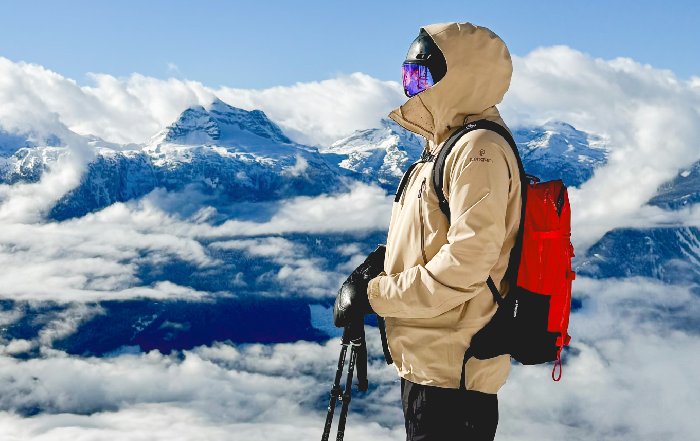
Decoding the Performance Benefits of Altitude Training
Altitude training has moved from being a niche strategy employed by elite endurance athletes to a central pillar of performance planning for runners, cyclists, team sports, and even esports competitors who are seeking marginal gains in physiology, cognition, and resilience. As of 2026, the science behind altitude exposure is far more refined than it was a decade ago, with advances in sports technology, remote monitoring, and individualized training prescription transforming what was once an art into an increasingly precise discipline. For the global audience of SportyFusion-from recreational athletes in the United States and Germany to professional teams in the United Kingdom, Australia, Japan, and Brazil-understanding how altitude training truly works, where its limits lie, and how it intersects with health, lifestyle, and business is no longer optional; it is a strategic advantage.
Performance is always explored in context, connecting physiology with culture, ethics, technology, and the evolving global sports economy. Altitude training is a perfect lens for this integrated perspective, because it touches everything from elite marathon racing in Kenya and Ethiopia to advanced hypoxic facilities in London, Berlin, and Singapore, and from corporate wellness programs in North America to environmental debates about high-mountain tourism in the Alps and the Andes. In this article, altitude training is decoded through the lens of experience, expertise, authoritativeness, and trustworthiness, with an emphasis on how athletes, coaches, and decision-makers can apply evidence-based strategies while avoiding the hazards of hype.
The Physiological Foundations of Altitude Training
At its core, altitude training is a response to one simple environmental reality: as elevation increases, the partial pressure of oxygen in the air decreases, which means that every breath delivers less oxygen to working muscles. This hypoxic stress triggers a cascade of physiological adaptations that the sports science community has been documenting and refining since the mid-20th century. At moderate altitudes, typically between 1,800 and 2,500 meters above sea level, the body responds by increasing the production of erythropoietin (EPO), which stimulates red blood cell formation, thereby improving the blood's oxygen-carrying capacity. Over time, this can enhance maximal oxygen uptake (VO₂max), a key determinant of endurance performance. Readers can explore a technical overview of VO₂max and aerobic capacity through resources from organizations such as the American College of Sports Medicine.
Beyond red blood cell production, altitude exposure influences capillary density, mitochondrial efficiency, buffering capacity against metabolic acidosis, and even ventilatory control. These changes, when effectively harnessed, can translate into improved running economy, sustained power output, and better fatigue resistance at sea level. Research groups affiliated with institutions such as the U.S. Olympic & Paralympic Committee and the Australian Institute of Sport have contributed substantially to understanding how these adaptations differ between individuals, why some athletes are "responders" and others "non-responders," and how genetic and epigenetic factors might shape outcomes.
For readers seeking to connect this science with practical training approaches, SportyFusion offers complementary insights on endurance development and conditioning in its dedicated performance section, where altitude is increasingly discussed alongside strength, mobility, and recovery strategies.
From "Live High, Train Low" to Precision Hypoxia
The traditional model of altitude training, often summarized as "live high, train low," was popularized in the 1990s and early 2000s as sports scientists recognized that living at moderate altitude could stimulate beneficial blood adaptations, while training at lower elevations preserved the ability to maintain high-quality, high-speed sessions. This concept gained traction across distance running powerhouses in East Africa, North America, and Europe, and was later adopted by cyclists, triathletes, and cross-country skiers. The approach was supported by work published in leading sports science outlets and reinforced by practical success at global events such as the Olympic Games and World Championships, where athletes from altitude-rich regions like Kenya, Ethiopia, and parts of South America consistently excelled.
In the last decade, however, the paradigm shifted toward more individualized and technologically assisted models. Hypoxic tents, altitude rooms, and simulated high-altitude environments became common in high-performance centers from the United Kingdom to Japan, allowing athletes to sleep or rest in controlled hypoxic conditions while training at sea level. Facilities aligned with organizations such as UK Sport and Sport Australia have integrated such technologies into their high-performance programs, while private performance labs in cities like New York, Berlin, and Singapore now offer consumer-grade altitude exposure for ambitious amateurs. Those interested in the intersection of sports technology and training environments can explore related trends in the technology coverage on SportyFusion.
The emergence of "precision hypoxia" means that altitude doses can be calibrated in terms of hours of exposure, simulated altitude level, and timing relative to training cycles. Wearable technologies and remote monitoring platforms, often leveraging data science and machine learning, help coaches track hemoglobin mass, sleep quality, heart rate variability, and recovery metrics. Organizations such as the World Athletics and the Union Cycliste Internationale have followed these developments closely, both from a performance and regulatory standpoint, as the line between legal altitude training and illicit artificial EPO use has become a sensitive ethical and medical issue.
Health, Safety, and Ethical Boundaries
The performance promise of altitude training must be balanced against potential health risks and ethical considerations. Not all athletes tolerate hypoxia well, and for some, particularly those with underlying cardiovascular, respiratory, or hematological conditions, exposure to high altitude can trigger complications. Symptoms ranging from sleep disturbances and headaches to more serious altitude-related illnesses require careful screening and medical oversight. Medical guidelines from organizations such as the World Health Organization and national health agencies in countries like Canada, Germany, and Japan emphasize the importance of gradual acclimatization and individualized assessment.
From an ethical perspective, altitude training occupies a complex space between natural environmental adaptation and technologically mediated performance enhancement. While living or training at altitude is fully legal and widely accepted, the use of sophisticated hypoxic devices, combined with the historical association between EPO and doping scandals in cycling and endurance sports, has raised questions about fairness, access, and the spirit of sport. The World Anti-Doping Agency continues to monitor how simulated altitude technologies are used, ensuring that they remain distinct from prohibited methods such as blood transfusions or synthetic EPO administration.
On SportyFusion, these issues are part of a broader conversation about integrity and responsibility in sport, explored in depth within the platform's ethics section. Business leaders, sponsors, and federations must consider not only what is legal, but what aligns with long-term trust and the values they wish to project to fans, partners, and young athletes across Europe, Asia, Africa, and the Americas.
Global Training Hubs and Cultural Perspectives
Altitude training is not only a physiological and technological phenomenon; it is also a cultural and geographical story. High-altitude regions in East Africa, the Andes, the Rocky Mountains, the Alps, and the Pyrenees have become global hubs where athletes from around the world converge. Towns such as Iten in Kenya, Flagstaff in the United States, St. Moritz in Switzerland, and Sierra Nevada in Spain have evolved into performance ecosystems, blending local traditions with international high-performance methodologies. These hubs highlight the interplay of culture, lifestyle, and sport, illustrating how environment shapes identity as much as it shapes physiology.
In Kenya and Ethiopia, for instance, running is deeply embedded in social and economic aspirations, with altitude serving as a backdrop rather than a deliberate performance tool for many young athletes who grow up and train in these environments. In contrast, European and North American athletes often travel to altitude camps as targeted interventions within their annual periodization, combining high-level coaching, nutrition support, and sports medicine services. Readers interested in the cultural narratives surrounding such training hubs can explore related stories and analyses in the culture coverage on SportyFusion, where sport is framed as a reflection of local values, history, and community.
Asia has also become an increasingly important player in altitude training, with countries such as China, Japan, and South Korea investing heavily in high-performance centers in mountainous regions and in advanced simulated altitude facilities in urban environments. In South America, nations like Brazil and Colombia are leveraging their diverse topographies to support endurance development, while in Oceania, New Zealand and Australia integrate altitude camps into broader high-performance strategies that also emphasize heat adaptation and travel management. Global organizations such as the International Olympic Committee continue to study how these varied approaches influence competitive balance and athlete welfare across continents.
Business, Brands, and the Economics of Altitude
Altitude training has given rise to a significant ecosystem of businesses, brands, and professional services that now span equipment manufacturing, tourism, data analytics, and health and wellness. Specialized companies produce hypoxic tents, altitude generators, and monitoring systems that are marketed to professional teams, national federations, and increasingly to affluent recreational athletes in markets such as the United States, the United Kingdom, Germany, and Singapore. Performance centers in cities like London, New York, and Amsterdam offer altitude-enabled treadmills, cycling studios, and recovery lounges, blending science with premium lifestyle experiences.
At the same time, mountain resorts in Switzerland, France, Italy, Spain, and the United States are repositioning themselves as year-round performance destinations rather than purely winter tourism hubs, hosting altitude camps for football, rugby, and cycling teams, as well as corporate groups seeking high-end wellness retreats. This convergence of sport, tourism, and hospitality has been accompanied by partnerships with major global brands in apparel, footwear, wearables, and nutrition, many of which highlight altitude-themed stories in their marketing narratives. Those interested in the commercial dimension of this trend can explore related analyses in the business section of SportyFusion, where the platform examines how performance concepts translate into sponsorship, product design, and new revenue models.
Major sporting goods companies and technology firms are also collaborating with universities and research institutes to validate altitude-related products, from smart masks that simulate hypoxia to AI-driven coaching platforms that prescribe altitude cycles based on biometric data. Organizations such as Nike, Adidas, Puma, ASICS, and Under Armour have invested in performance labs that study how footwear and apparel behave under hypoxic conditions, while technology giants and emerging startups contribute cloud-based analytics and digital coaching tools. Independent information from bodies like the European Commission's sport and innovation initiatives and the OECD's work on the sports economy helps contextualize these developments within broader economic and regulatory frameworks.
Jobs, Skills, and New Professional Pathways
The rise of altitude training has also created new professional opportunities and skill demands across the global sports industry. High-performance programs in North America, Europe, and Asia now recruit specialists in altitude physiology, environmental medicine, and performance data science, alongside more traditional roles such as strength and conditioning coaches and sports nutritionists. Expertise in managing altitude exposure, interpreting complex biomarker data, and integrating hypoxic training into multi-year periodization plans is increasingly valued by professional clubs, national federations, and private performance centers.
Educational institutions and online platforms are responding with specialized certifications and postgraduate programs that focus on environmental physiology, high-performance management, and sports analytics. Organizations like the National Strength and Conditioning Association and the British Association of Sport and Exercise Sciences support professional development in these areas, while emerging markets in Africa, South America, and Southeast Asia look to build local capacity to reduce dependence on imported expertise. For readers exploring career opportunities in this evolving landscape, SportyFusion provides guidance and perspectives through its dedicated jobs section, where altitude-related roles sit alongside broader performance and technology positions.
In parallel, many athletes themselves are building portfolio careers that combine competition with coaching, content creation, and entrepreneurship in the altitude space, offering training camps, online coaching, and branded experiences from high-altitude locations in Kenya, Ethiopia, Colorado, the Alps, and the Andes. This diversification reflects a wider shift in the sports industry toward more flexible and digitally enabled career models, where expertise and authenticity are as valuable as medals.
Integrating Altitude into Holistic Health and Lifestyle
Altitude training is most effective and sustainable when it forms part of a holistic approach to health, recovery, and lifestyle. The stress of hypoxia adds to the cumulative load of training, travel, work, and personal life, and without careful management it can compromise immune function, sleep, and mental well-being. Health authorities and sports medicine organizations, including the Centers for Disease Control and Prevention and national sports medicine societies across Europe and Asia, highlight the importance of monitoring iron status, hydration, nutrition, and psychological readiness when planning altitude blocks, particularly for athletes with heavy competition schedules.
For recreational athletes and health-conscious professionals who might use altitude studios or hypoxic devices as part of their fitness routine, it is crucial to understand that more is not always better. The objective is to stimulate adaptation without overwhelming the body's capacity to recover. Integrating altitude sessions with strength training, mobility work, and adequate sleep can support long-term wellness rather than short-lived performance spikes. Readers can find complementary guidance on sustainable training and recovery strategies in the health section and fitness coverage on SportyFusion, where experts emphasize practical, evidence-informed approaches suitable for diverse age groups and ability levels.
Lifestyle choices also shape how altitude training fits into everyday routines. For professionals in cities like London, New York, Singapore, or Tokyo, simulated altitude sessions may be integrated into busy work schedules, while for digital nomads, remote workers, and adventure enthusiasts, temporary relocation to mountain towns in Europe, North America, or South America can create immersive, health-focused experiences that combine work, training, and nature.
Environmental and Social Responsibility in High Places
As altitude training and mountain-based performance tourism expand, environmental and social responsibility become central concerns. Increased traffic to high-altitude regions can strain fragile ecosystems, contribute to waste and pollution, and disrupt local communities if not managed carefully. Organizations such as the United Nations Environment Programme and the International Union for Conservation of Nature have highlighted the vulnerability of mountain environments to climate change, including glacier retreat, biodiversity loss, and water scarcity, which in turn can affect the long-term viability of some altitude training hubs.
Responsible altitude training involves working with local stakeholders, supporting sustainable infrastructure, and respecting cultural traditions. Teams and brands that invest in long-term relationships with host communities, rather than short-term exploitation of scenic backdrops, are better positioned to build trust and resilience. On SportyFusion, these broader environmental and social dimensions are explored in detail in the environment section and the platform's social coverage, where climate, equity, and inclusion are treated as integral elements of the performance conversation, not peripheral concerns.
Climate change also has direct implications for performance, as rising temperatures and changing weather patterns alter training conditions at altitude and at sea level. Athletes preparing for events in hot and humid locations such as Southeast Asia, the Middle East, or parts of Africa must integrate both heat and altitude considerations into their planning, a challenge that requires interdisciplinary collaboration between climatologists, physiologists, and performance analysts.
Technology, Data, and the Future of Personalized Altitude Training
Looking toward the late 2020s, the convergence of biotechnology, wearable sensors, and artificial intelligence is likely to transform altitude training from a blunt tool into a highly personalized stimulus. Continuous hemoglobin monitoring, non-invasive oxygen saturation analytics, and portable metabolic testing devices are already making their way into high-performance environments, allowing real-time adjustments to training loads and hypoxic exposure. Companies at the intersection of sports and health technology, often collaborating with research hospitals and universities, are working to validate these tools to medical-grade standards, reflecting the growing overlap between performance optimization and preventive healthcare.
Digital coaching platforms that integrate altitude data with training logs, sleep metrics, nutrition tracking, and psychological assessments will enable coaches and athletes to simulate different altitude scenarios, model expected adaptations, and reduce the trial-and-error that has characterized traditional altitude camps. Organizations such as the MIT Sports Lab and innovation hubs linked to FC Barcelona, Bayern Munich, and other leading clubs are exploring how these technologies can be embedded into broader high-performance ecosystems that span youth academies, first teams, and even fan engagement initiatives.
Readers interested in how these developments intersect with gaming and virtual performance environments will find relevant perspectives in the gaming section of SportyFusion, where the boundaries between physical and digital performance are increasingly blurred. Esports competitors, for example, are beginning to explore whether controlled hypoxic exposure can sharpen cognitive resilience under pressure, a research frontier that combines neuroscience, physiology, and human-computer interaction.
How we Frame Altitude Training for a Global Audience
Decoding altitude training is not merely a technical exercise; it is an opportunity to connect science with human stories, business with ethics, and local environments with global trends. The platform's multi-dimensional coverage-from sports analysis and lifestyle features to world news and brand strategies-reflects the reality that athletes and decision-makers operate in complex ecosystems where performance choices have cultural, economic, and environmental consequences.
In North America, Europe, Asia, Africa, and South America, altitude training will continue to evolve as more data, technologies, and experiences accumulate. The key challenge for athletes, coaches, and organizations is to distinguish between evidence-based practice and fashionable experimentation, while maintaining a clear commitment to athlete welfare and integrity. Trusted institutions such as the Mayo Clinic and leading national sports institutes provide valuable medical and scientific guidance, but the translation of that knowledge into daily training decisions ultimately depends on informed, ethically grounded leadership.
By bringing together expert voices, rigorous analysis, and real-world case studies, SportyFusion aims to equip its community with the insight needed to navigate this evolving landscape. Whether a reader is a recreational runner in Canada considering a simulated altitude program, a professional cyclist from the Netherlands planning a high-altitude camp in Colombia, a football executive in the United Kingdom evaluating investment in hypoxic facilities, or a policy-maker in South Africa balancing sport development with environmental stewardship, understanding the true benefits and limits of altitude training is essential.
Altitude will always hold a certain mystique in the world of performance, symbolizing both physical elevation and aspirational ambition. Today, however, the most successful athletes and organizations are those who approach altitude not as a magic solution, but as one carefully calibrated tool within a comprehensive, ethical, and sustainable performance strategy. Through its global lens and integrated coverage, SportyFusion remains committed to helping its audience make those nuanced decisions with clarity, confidence, and responsibility.