

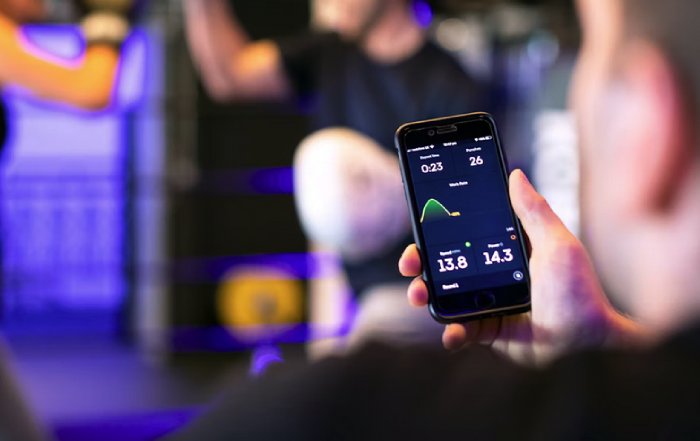
Personalized Training Through Smart Fitness Technology in 2026
A Mature Era of Intelligent, Individualized Training
This year, personalized training has evolved from an emerging trend into a mature, global standard for how individuals think about movement, health, and long-term performance. What began as a convergence of wearable sensors, artificial intelligence, and connected equipment has now become a deeply integrated ecosystem that shapes daily decisions for people in the United States, the United Kingdom, Germany, Canada, Australia, and across Europe, Asia, Africa, and the Americas. On SportyFusion.com, this shift is not treated as a distant technological promise but as a practical, lived reality for readers who expect their training, recovery, and lifestyle strategies to reflect their unique physiology, work patterns, cultural context, and personal aspirations. Whether a reader is preparing for an ultra-marathon in Cape Town, managing chronic stress in Singapore, returning from injury in Toronto, or balancing esports performance with academic demands in Seoul, the central expectation in 2026 is that training should be intelligent, adaptive, and grounded in scientific evidence rather than generic templates or guesswork.
In this environment, personalization is no longer defined solely by custom workout plans; it encompasses dynamic load management, individualized recovery protocols, mental health support, nutritional guidance, and even environmental considerations such as air quality and heat exposure. Leading health authorities such as the World Health Organization and the U.S. Centers for Disease Control and Prevention continue to refine global physical activity guidelines, but the day-to-day translation of those guidelines into action is now heavily mediated by smart technologies that interpret data in real time. For SportyFusion.com, which sits at the intersection of sport, culture, technology, and business, the challenge and opportunity lie in helping readers harness this sophistication without becoming overwhelmed, ensuring that data serves human goals rather than the other way around.
From One-Size-Fits-All to Continuous, Data-Driven Adaptation
The transition from static, one-size-fits-all training plans to continuously adaptive, data-driven programs has accelerated markedly since 2025. Where traditional plans once categorized participants as beginner, intermediate, or advanced based on broad assumptions, contemporary systems ingest a rich stream of information from wearables, smart equipment, and self-reported feedback to refine training prescriptions on a daily, and sometimes hourly, basis. Devices from companies such as Apple, Garmin, Samsung, Whoop, Polar, and Oura now capture detailed heart rate variability, resting heart rate, sleep architecture, movement patterns, and estimated VO2 max, while some high-end systems are beginning to integrate non-invasive indicators of metabolic status. Organizations like the American College of Sports Medicine continue to advocate for individualized exercise prescription, and smart platforms now operationalize these principles globally, allowing a recreational runner in London, a cyclist in Melbourne, or a skier in Zurich to receive recommendations that reflect their specific responses to training rather than population averages. Those interested in how exercise science is evolving can explore contemporary perspectives from the American College of Sports Medicine.
On SportyFusion.com, this evolution is visible in how training and performance content emphasizes readiness indices, adaptive intensity zones, and context-aware progression, guiding readers to look beyond simple metrics such as total distance or step count. The platform's training section and performance coverage translate complex physiological concepts into actionable strategies for busy professionals, who must reconcile demanding careers with ambitious fitness or sports goals. In 2026, personalization is as much about respecting constraints and life rhythms as it is about optimizing for peak output, and data-driven adaptation has become a crucial means of aligning training with the realities of modern work and family life.
Artificial Intelligence as Co-Coach and Strategic Advisor
Artificial intelligence has progressed from basic pattern recognition to sophisticated, context-sensitive coaching support that can rival many traditional approaches in consistency and scalability. AI-driven platforms now analyze months or years of historical workouts, biometric trends, sleep behavior, menstrual cycle data, travel schedules, and even environmental conditions such as temperature and air pollution to generate nuanced training recommendations. Major technology companies including Google and Microsoft continue to invest heavily in AI research, while specialized fitness and health platforms deploy machine learning models that refine training loads, anticipate plateaus, and flag early signs of overtraining or illness. For a broader understanding of the global AI landscape and its policy implications, readers can consult resources from the OECD AI Observatory or the World Economic Forum.
In practice, this means that a triathlete in Miami might receive a prompt to shift a key workout to a cooler time of day due to heat stress risk, while a strength athlete in Munich could be advised to adjust volume based on subtle changes in bar speed and recovery metrics. For esports competitors in Tokyo or Stockholm, AI systems may recommend modifications to sleep schedules, blue light exposure, and cognitive training loads to maintain reaction time and decision-making under pressure. On SportyFusion.com, AI is presented not as a mysterious black box but as an evolving tool whose value depends on transparency, data quality, and the user's ability to interpret and question its outputs. The technology section regularly examines how AI models are trained, what biases they may carry, and how athletes, coaches, and organizations can demand accountability from vendors who shape training decisions through algorithms.
Wearables, Sensors, and the Connected Training Ecosystem
Wearables have continued their transformation into comprehensive physiological dashboards, forming the backbone of the connected training ecosystem that spans home, workplace, and competition environments. Smartwatches, rings, patches, and even sensor-embedded clothing from companies such as Apple, Garmin, Fitbit (under Google), Oura, and emerging Asian and European manufacturers now deliver multi-parameter insights that extend beyond traditional fitness metrics. Many devices track skin temperature, respiratory rate, blood oxygen saturation, and stress proxies, while some specialized products integrate with medical-grade tools to support cardiac screening, rehabilitation, and chronic disease management. Health authorities and research institutions, including the Mayo Clinic, provide guidance on interpreting these data responsibly and understanding where consumer-grade metrics align with or diverge from clinical standards.
For readers of SportyFusion.com, these tools are framed as instruments of self-knowledge rather than status symbols, assisting individuals from Canada to South Africa and from Japan to Brazil in understanding how sleep, travel, workload, and training interact. The health section helps users distinguish between meaningful trends and day-to-day noise, while the lifestyle coverage explores practical scenarios such as managing jet lag for international business travel, navigating shift work in healthcare or logistics, and supporting healthy routines for families with competing priorities. As interoperability improves and open standards gain traction, the ecosystem is gradually shifting away from isolated silos towards more integrated platforms, but SportyFusion.com continues to encourage readers to consider data ownership, long-term support, and vendor reliability when selecting devices in an increasingly crowded marketplace.
Strength, Conditioning, and Movement Quality in the Digital Age
While endurance sports were early beneficiaries of wearable technology, strength and conditioning have now fully embraced digital personalization, with significant implications for athletes, recreational lifters, and corporate wellness participants. Connected resistance systems from Tonal, Peloton, Tempo, Technogym, and other innovators use sensors and computer vision to track bar path, range of motion, tempo, and asymmetries, adjusting load and volume in real time to maintain appropriate intensity and progression. Evidence-based frameworks from organizations like the National Strength and Conditioning Association continue to emphasize progressive overload, movement quality, and recovery, and smart platforms now embed these principles into automated programming for users across North America, Europe, and Asia-Pacific. Those seeking deeper technical understanding of strength training principles can consult educational resources from the NSCA.
For the global audience of SportyFusion.com, this means that a software engineer in Bangalore can complete a personalized strength session before a remote meeting with colleagues in San Francisco, while a football player in Manchester or a volleyball athlete in Rio de Janeiro can access tailored off-season programs that adapt to their evolving performance data. The fitness section explores how to integrate connected strength tools into periodized training cycles, addressing topics such as deload weeks, injury prevention, and sport-specific power development for disciplines ranging from basketball and rugby to climbing and surfing. Importantly, the platform underscores that technology does not replace human coaching expertise but amplifies it, enabling coaches to monitor more athletes with greater precision while maintaining the art of motivation, communication, and individualized cueing that no algorithm can fully replicate.
Recovery, Sleep, and the Science of Sustainable Performance
By 2026, the centrality of recovery and sleep to sustainable performance is widely recognized not only by elite sports organizations but also by employers, educators, and policymakers. Wearables and smart platforms now provide increasingly refined estimates of sleep stages, circadian alignment, and autonomic nervous system balance, translating these into readiness scores and personalized recommendations for training intensity, work focus, and even social commitments. Research-backed guidance from organizations such as the National Sleep Foundation and the Sleep Foundation continues to shape public understanding of optimal sleep duration and quality, while high-performance institutions like the Australian Institute of Sport and UK Sport publish frameworks that connect sleep, nutrition, and mental health to injury risk and competitive outcomes. Readers can further explore sleep and performance science through the Sleep Foundation.
For individuals following SportyFusion.com from markets as diverse as the United States, Japan, Norway, and South Africa, these insights are particularly salient in an era of hybrid work, constant connectivity, and geopolitical uncertainty that can elevate chronic stress. The platform's performance and health coverage emphasizes that readiness scores should be treated as decision-support tools rather than rigid instructions, encouraging athletes and professionals to integrate objective data with subjective perceptions of energy, mood, and motivation. In practice, this might mean a consultant in London replacing a planned high-intensity interval session with low-intensity mobility work after a red-eye flight, or a gamer in Seoul adjusting competitive play schedules to align with periods of peak alertness. The overarching message is that in 2026, "more" is no longer synonymous with "better"; instead, the focus is on strategic stress and deliberate recovery that support consistent, long-term progress.
The Business Landscape of Smart Fitness and Hybrid Experiences
The business ecosystem surrounding smart fitness and personalized training has continued to expand, with significant implications for brands, investors, and consumers across the globe. Companies such as Peloton, Nike, Adidas, and Lululemon have refined their strategies to emphasize integrated ecosystems that combine hardware, software, content, and community, while enterprise wellness providers partner with organizations in the United States, Germany, Singapore, and the Netherlands to deliver personalized health and performance programs to employees. Consulting firms like McKinsey & Company and Deloitte project that the global wellness and fitness market will continue to grow as a multi-trillion-dollar sector, with personalization and digital engagement as core drivers. Those interested in market dynamics and consumer trends can review analyses from McKinsey.
For SportyFusion.com, which maintains a strong focus on the intersection of sport, technology, and commerce, this evolution is examined through the lens of value creation, user trust, and long-term sustainability. The business section dissects subscription models, freemium strategies, and data monetization practices, helping readers understand how their engagement and data contribute to revenue streams and product decisions. Meanwhile, the brands coverage highlights organizations that anchor their positioning in authenticity, measurable performance outcomes, and credible commitments to social and environmental responsibility. Hybrid models that blend digital coaching with in-person experiences have become particularly prominent in cities from New York and London to Paris, Dubai, and Singapore, where boutique studios, corporate wellness hubs, and sports clubs use data-rich digital platforms to maintain continuity between live sessions and at-home training, reinforcing community while leveraging the convenience of technology.
Evolving Careers, Skills, and Opportunities in Smart Fitness
The rise of intelligent, personalized training has transformed the labor market within sport, fitness, health, and related sectors, creating new roles and reshaping existing ones. Traditional personal trainers, physiotherapists, and strength coaches are now expected to be conversant in data analysis, remote coaching platforms, behavior change science, and digital communication, while entirely new roles-such as wearable data analyst, digital performance strategist, product manager for connected training systems, and community architect for global athlete networks-have emerged across North America, Europe, and Asia-Pacific. Professional bodies including ACE and NASM have expanded their certification portfolios to include technology literacy, remote coaching methodologies, and ethical data practices, while universities in Australia, the Netherlands, Canada, and Singapore have launched programs that integrate exercise science with data analytics and human-computer interaction. Broader perspectives on the future of work and digital skills can be found through the World Economic Forum's Future of Work initiative.
On SportyFusion.com, the jobs section reflects this changing landscape by highlighting roles at the intersection of performance, technology, and culture, from sports scientists in Copenhagen building algorithms for connected platforms to performance coaches in Johannesburg running global client rosters via video, wearables, and cloud-based analytics. For many professionals, ongoing education and adaptability have become non-negotiable, as clients and employers increasingly expect evidence-based, tech-enabled solutions that respect privacy and cultural diversity. The platform underscores that while technology can expand reach and enhance insight, enduring career success in 2026 still rests on foundational human skills: empathy, clear communication, critical thinking, and a deep understanding of how real people live, work, and move in different regions and socioeconomic contexts.
Culture, Community, and the Social Fabric of Personalized Training
Personalized training is reshaping not only individual routines but also the culture and social dynamics of sport and physical activity worldwide. Digital communities centered on platforms such as Strava, Zwift, and Discord connect runners, cyclists, lifters, and gamers from the United States, the United Kingdom, China, Brazil, and beyond, transforming streams of biometric data into shared narratives of progress, challenge, and identity. Researchers at institutions including the University of Oxford and the University of Toronto have examined how virtual communities influence motivation, belonging, and self-concept, while organizations such as the Aspen Institute explore the role of sport in social cohesion, youth development, and civic engagement. Readers can learn more about sport and society through the Aspen Institute's Project Play.
For SportyFusion.com, community is a recurring theme that threads through culture, social, and sports coverage. Personalized tools allow a triathlete in Sydney to share detailed power and heart rate charts with teammates in Zurich, a CrossFit enthusiast in Chicago to compare recovery scores with peers in Oslo, and an esports competitor in Seoul to track reaction time, sleep, and stress alongside teammates in Los Angeles. Yet the platform also acknowledges the potential downsides of hyper-quantified communities, including unhealthy comparison, performance anxiety, and overemphasis on metrics at the expense of joy and play. Through interviews, features, and analysis, SportyFusion.com advocates for inclusive narratives that celebrate diverse bodies, abilities, ages, and cultural backgrounds, emphasizing that personalization should strengthen, not fragment, the social fabric of sport and active living.
Ethics, Privacy, and Governance of Personal Performance Data
As smart fitness technology penetrates deeper into everyday life, the ethical, legal, and social implications of pervasive data collection have become central concerns for individuals, regulators, and organizations alike. Wearables and platforms routinely capture sensitive information, including heart rhythms, sleep patterns, location history, behavioral trends, and in some cases mental health indicators, which can be of interest not only to users and coaches but also to insurers, employers, and advertisers. Regulatory frameworks such as the European Union's GDPR, data protection laws in countries like Brazil, Canada, and South Korea, and emerging standards in regions across Africa and Asia provide important guardrails, while advocacy organizations including the Electronic Frontier Foundation and the Future of Privacy Forum push for stronger user rights, transparency, and accountability. Readers can explore contemporary debates on digital privacy and surveillance through resources from the Electronic Frontier Foundation.
Within SportyFusion.com, ethics and governance are treated as foundational pillars rather than afterthoughts. The ethics section examines issues such as informed consent for data sharing, algorithmic bias in training recommendations, the potential misuse of health data in employment or insurance contexts, and the risk of surveillance in corporate wellness programs. For readers from the United States to Thailand, from Norway to South Africa, understanding who controls their data, how long it is stored, which third parties can access it, and under what conditions it can be monetized is now as essential as interpreting a training load chart. In 2026, responsible personalization requires companies, coaches, and institutions to uphold trust through clear communication, user-centric design, robust security, and a willingness to submit to external scrutiny and standards.
Environmental Footprint and Sustainable Smart Fitness
The environmental consequences of the smart fitness boom have moved from peripheral concern to boardroom and policy priority. Manufacturing wearables, connected equipment, and the data centers that power AI training models consumes energy and raw materials, contributing to electronic waste and carbon emissions. Organizations such as the United Nations Environment Programme and the Ellen MacArthur Foundation advocate for circular economy principles, extended product lifecycles, and responsible consumption, urging companies and consumers to consider the full environmental cost of digital lifestyles. Those interested in sustainable business models and resource efficiency can explore frameworks from the Ellen MacArthur Foundation.
For the environmentally conscious audience of SportyFusion.com, these issues intersect directly with the platform's environment coverage. Personalized training can help reduce environmental impact in certain contexts-by enabling effective home-based workouts that reduce commuting, encouraging outdoor activities that require minimal infrastructure, or optimizing facility usage in sports clubs and gyms-but the rapid turnover of devices, proprietary accessories, and energy-intensive data processing presents significant challenges. The platform highlights brands and initiatives that prioritize repairability, software longevity, recycled materials, and renewable energy in data operations, encouraging readers from the Netherlands and Sweden to New Zealand and South Africa to align performance ambitions with climate and resource stewardship. In 2026, high performance and environmental responsibility are increasingly seen not as competing goals but as intertwined dimensions of long-term wellbeing.
Integrating Smart Technology into Real Lives Across Regions
As smart fitness technology becomes ubiquitous, the central challenge for individuals is less about access and more about integration: how to embed personalized training into real lives that involve demanding jobs, caregiving responsibilities, financial constraints, and cultural traditions. Professionals in fast-paced markets such as the United States, China, and Singapore must reconcile long working hours and frequent travel with recovery needs; parents in France, Italy, and Spain juggle family obligations with personal health; students and early-career workers in Brazil, Malaysia, and South Africa balance budget limitations with aspirations in traditional sports and competitive gaming. Evidence-based guidance from institutions like the Harvard T.H. Chan School of Public Health and the Mayo Clinic supports individuals in building realistic, sustainable routines that integrate movement, nutrition, sleep, and stress management.
On SportyFusion.com, integration is treated as a deeply personal and context-sensitive process. The lifestyle, health, and fitness sections work in concert to help readers interpret their data in light of their cultural norms, work structures, and social environments, whether they live in urban centers like London, New York, and Tokyo or in smaller cities and rural regions across Europe, Asia, and Africa. Rather than promoting rigid routines, the platform emphasizes flexible strategies: using readiness insights to choose between high-intensity and restorative sessions, leveraging movement reminders to break up sedentary desk work, aligning training cycles with seasonal weather patterns in Scandinavia or South Africa, and acknowledging that there will be periods when maintenance, rather than progression, is the most appropriate goal. The aim is not to create a life dominated by dashboards and scores but to use those tools selectively to support a life that is meaningful, connected, and physically vibrant.
Looking Ahead: The Future of Personalized Training and SportyFusion's Role
As this year progresses, the trajectory of personalized training through smart fitness technology points toward even deeper integration between physiology, digital environments, and broader health systems. Advances in biosensing may enable more accurate non-invasive glucose monitoring, hydration tracking, and hormonal profiling, while mixed reality platforms could merge physical and virtual training spaces for athletes, gamers, and rehabilitation patients alike. Collaborations between healthcare systems, sports organizations, technology companies, and public agencies across North America, Europe, and Asia are likely to accelerate the incorporation of personalized training into preventive medicine, workplace health, and community programs. International bodies such as the World Health Organization and the OECD will continue to shape regulatory and ethical frameworks that influence how these tools are developed, deployed, and evaluated, and readers interested in global health and technology policy can follow developments through the OECD's health initiatives.
In this evolving landscape, SportyFusion.com positions itself as a trusted, globally oriented guide for readers who demand both innovation and integrity. By connecting insights across sports, technology, business, culture, ethics, and other verticals such as world and news, the platform provides a holistic perspective on how personalized training intersects with broader societal trends. For readers the core message remains consistent: personalized training is most powerful when it is grounded in rigorous science, guided by clear ethical principles, and aligned with each individual's goals, values, and circumstances.
As smart fitness technology continues to advance, those who learn to balance precision with intuition, ambition with recovery, and individual progress with collective wellbeing will be best positioned to thrive in sport, work, and everyday life. On SportyFusion.com, personalized training is not framed as a passing fad but as a long-term commitment to helping people worldwide move better, live healthier, and perform at their best, now and in the years ahead.