

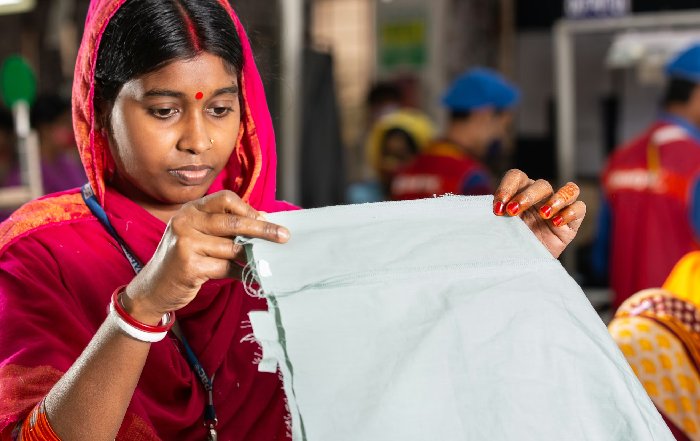
Corporate Social Responsibility in Apparel Manufacturing: 2026 Outlook for a Demanding World
The Strategic Rise of CSR in Apparel
By 2026, corporate social responsibility has moved from the margins to the center of strategic decision-making in global apparel manufacturing. What was once treated as a public relations exercise has become a decisive factor in brand equity, supply chain resilience, investor confidence, and long-term profitability. For the global community of readers at SportyFusion-from performance-driven athletes and fitness enthusiasts to sustainability-minded consumers and business leaders-CSR in apparel is no longer an abstract concept; it directly shapes what they wear, how they train, and how they evaluate the brands competing for their loyalty.
The apparel sector, spanning sportswear, athleisure, outdoor gear, fashion, and performance textiles, sits at the intersection of complex global supply chains, intense cost competition, rapid technological change, and heightened social expectations. According to the International Labour Organization, tens of millions of workers are employed in garment and textile production worldwide, many in emerging economies where labor protections and environmental regulations are still evolving. At the same time, the industry is estimated by organizations such as the Ellen MacArthur Foundation to be a major contributor to global carbon emissions, water pollution, and waste. Against this backdrop, CSR has become the framework through which apparel companies are judged on their ability to create value without externalizing costs onto workers, communities, or ecosystems.
For SportyFusion, whose coverage spans fitness, health, sports, and lifestyle, CSR in apparel manufacturing is not simply a corporate theme; it is a lived reality that influences training environments, athletic performance, and consumer identity. Readers increasingly ask not only whether a garment will enhance performance, but also whether it was produced ethically, supports fair employment, and aligns with broader environmental and social values.
From Compliance to Purpose: How CSR Evolved in Apparel
The evolution of CSR in apparel can be traced through several distinct phases. In the 1990s and early 2000s, the sector was rocked by revelations of sweatshop conditions, child labor, and unsafe factories in major sourcing hubs. High-profile tragedies, such as the Rana Plaza building collapse in Bangladesh in 2013, galvanized global outrage and forced many brands to adopt basic compliance frameworks, supplier codes of conduct, and third-party audits. Organizations like the Fair Labor Association and the Ethical Trading Initiative began to shape minimum expectations around labor standards, while multi-stakeholder agreements sought to improve building safety and fire standards in key producing countries.
Over time, however, it became clear that a narrow compliance mindset-focused on avoiding scandal rather than creating shared value-was insufficient. As transparency tools improved and social media accelerated the spread of information, consumers across North America, Europe, and Asia became more informed and more demanding. Platforms like Fashion Revolution encouraged people to ask "Who made my clothes?", while investigative reporting by outlets such as the BBC and The Guardian exposed ongoing abuses, wage theft, and environmental degradation in supply chains that had technically passed audits. Learn more about the global context of responsible business from resources offered by the United Nations Global Compact.
By the early 2020s, leading apparel companies began to reframe CSR as a core component of business strategy, integrating it into product design, sourcing, manufacturing, logistics, marketing, and even digital innovation. This shift has been reinforced by investors incorporating environmental, social, and governance factors into their analyses, as seen in guidelines from bodies like the Principles for Responsible Investment, and by regulators in the European Union, United States, and Asia tightening rules on due diligence, green claims, and supply chain transparency. The result is a landscape in 2026 where CSR is measured not only by the absence of scandal but by demonstrable progress on climate targets, living wages, worker empowerment, circularity, and community impact.
Environmental Responsibility: From Footprint to Circularity
Environmental responsibility in apparel manufacturing has broadened from a focus on isolated initiatives to a systemic approach that spans fiber choice, production processes, logistics, and end-of-life management. Sport and performance apparel is particularly relevant here, given its heavy reliance on synthetic fibers, technical finishes, and complex material blends that have historically been difficult to recycle.
Many brands now align their climate strategies with the Science Based Targets initiative, committing to reduce greenhouse gas emissions in line with the goals of the Paris Agreement. This involves decarbonizing factories, transitioning to renewable energy, and working with suppliers to improve energy efficiency, often supported by guidance from organizations like the Carbon Trust. At the same time, water stewardship has become critical, especially in regions where dyeing, finishing, and washing processes place pressure on scarce resources. Reports from the World Resources Institute highlight water-stressed areas that remain key hubs for textile production, pushing companies to adopt closed-loop water systems, safer chemicals, and more efficient dyeing technologies.
Circularity represents one of the most transformative trends. Leading sportswear and fashion brands are experimenting with take-back schemes, repair services, and resale platforms, seeking to extend product lifecycles and reduce waste going to landfill. Technical innovations in fiber-to-fiber recycling, such as chemical recycling for polyester and cellulose, are beginning to move from pilot scale to industrial deployment, supported by collaborative platforms like the Textile Exchange. For readers of SportyFusion, this shift is visible in the growing availability of performance apparel labeled as recyclable, made from recycled materials, or designed for disassembly, aligning with broader interests in sustainable performance and responsible brands.
At the same time, environmental responsibility requires honest communication. Greenwashing remains a significant risk, with regulators such as the European Commission and the U.S. Federal Trade Commission sharpening scrutiny of vague or misleading environmental claims. Companies that overstate the impact of recycled content or underplay ongoing fossil-fuel dependence in synthetic fibers risk reputational damage and legal consequences. For CSR in apparel to be credible, environmental commitments must be backed by verifiable data, third-party verification, and transparent reporting that stakeholders can interrogate.
Social Responsibility: Labor Rights, Wages, and Worker Voice
If environmental responsibility shapes the planet-level impact of apparel manufacturing, social responsibility defines its human dimension. The industry's reliance on complex, multi-tiered supply chains across Asia, Africa, and Latin America has historically made it difficult to ensure consistent labor standards. However, expectations have risen sharply as advocacy groups, unions, and international organizations press for tangible improvements in wages, safety, and worker voice.
Living wages remain one of the most contentious and important issues. While minimum wages in countries such as Bangladesh, Vietnam, and Cambodia have increased in recent years, research from organizations like the Clean Clothes Campaign and the Asia Floor Wage Alliance indicates that many garment workers still earn far less than what would be considered a living wage in their local context. CSR leaders in apparel increasingly recognize that paying a living wage is not only a moral imperative but also a driver of productivity, quality, and workforce stability. Some brands have begun to pilot living-wage programs in specific factories, using tools from initiatives such as the Global Living Wage Coalition, though scaling these efforts across entire supply networks remains a major challenge.
Worker safety and health have also moved up the agenda, especially in the wake of the COVID-19 pandemic, which exposed vulnerabilities in factory environments and social protection systems. International frameworks such as the ILO's Fundamental Principles and Rights at Work are being integrated into contractual requirements, and brands are increasingly expected to conduct human rights due diligence in line with guidance from the UN Guiding Principles on Business and Human Rights. Learn more about responsible labor practices through resources provided by the OECD on due diligence in garment and footwear supply chains.
Beyond wages and safety, worker voice and representation are gaining prominence. Trade unions, worker committees, and digital grievance mechanisms give employees channels to report abuses, participate in decision-making, and hold employers accountable. Some leading manufacturers and brands are experimenting with worker-driven social responsibility models, where workers themselves help define and monitor labor standards, shifting power away from purely top-down audit systems that have often failed to detect or prevent abuses.
For the SportyFusion audience, these developments matter because they influence the integrity of the brands they support, the stability of global supply chains, and the social impact of their purchasing choices. Readers interested in world developments and social issues increasingly evaluate apparel not only for style and performance but also for the conditions under which it was made.
Governance, Ethics, and Transparency in the CSR Era
Corporate governance and ethical conduct form the backbone of credible CSR in apparel manufacturing. Without robust governance structures, even the most ambitious sustainability goals risk becoming aspirational statements rather than operational realities. Boards and executive teams are under pressure from investors, regulators, and civil society to integrate CSR into corporate strategy, risk management, and incentive structures.
In many jurisdictions, mandatory reporting requirements now compel large companies to disclose non-financial information covering environmental and social performance. The Global Reporting Initiative and the Sustainability Accounting Standards Board have influenced how apparel and textile companies structure their disclosures, while emerging standards from the International Sustainability Standards Board aim to harmonize sustainability reporting globally. For organizations that supply or partner with sports and fitness brands, the ability to provide accurate, timely, and comparable CSR data has become a competitive differentiator.
Ethical sourcing and anti-corruption measures are also under greater scrutiny. Legislation in the European Union, Germany, France, and other regions requires companies to conduct supply chain due diligence, identify human rights risks, and remediate harms. The German Supply Chain Due Diligence Act and France's duty of vigilance law are notable examples, with similar frameworks being debated or implemented in other countries. Learn more about evolving legal expectations through resources offered by the European Commission on corporate sustainability due diligence.
For digital-first platforms like SportyFusion, which engage with readers on business, ethics, and news, governance and ethics are not abstract legal matters but essential components of trust. When a sportswear brand is implicated in forced labor, environmental violations, or deceptive marketing, it undermines consumer confidence and erodes the broader ecosystem of responsible innovation that many in the athletic and fitness community are working to build.
Technology, Data, and Innovation as CSR Enablers
Technology has emerged as a powerful enabler of CSR in apparel manufacturing, particularly as companies seek to gain greater visibility into complex supply chains and quantify their social and environmental impacts. Digital tools, data analytics, and advanced manufacturing technologies are reshaping how apparel is designed, produced, and monitored.
Traceability platforms based on blockchain and other distributed ledger technologies are being deployed to track materials from farm to finished garment. Companies are experimenting with QR codes and digital product passports that allow consumers to access information about a product's origin, materials, and sustainability attributes. Initiatives aligned with the European Union's digital product passport proposals illustrate how transparency is becoming embedded in regulatory frameworks as well as voluntary programs.
Artificial intelligence and machine learning are being used to forecast demand more accurately, reducing overproduction and inventory waste. Smart manufacturing systems, including Internet of Things sensors and advanced robotics, help optimize energy use, minimize defects, and improve worker safety. At the same time, innovations in bio-based fibers, such as mycelium-based materials and lab-grown cellulose, are opening new avenues for low-impact performance textiles that could reshape the future of sportswear. Learn more about sustainable materials innovation from the MIT Climate and Sustainability Consortium and similar research networks.
For the SportyFusion community, which follows developments in technology, gaming, and performance-oriented gear, these innovations are more than supply chain tools; they influence product capabilities, durability, and user experience. Wearable technologies and smart fabrics blur the line between apparel and devices, raising new questions about data privacy, ethical design, and the lifecycle impact of electronics embedded in clothing. CSR in 2026 therefore extends into domains once considered outside traditional apparel manufacturing, demanding interdisciplinary expertise and cross-sector collaboration.
Regional Dynamics: A Global Industry with Local Realities
CSR in apparel manufacturing unfolds differently across regions, shaped by regulatory environments, economic structures, cultural norms, and consumer expectations. For audiences spanning the United States, United Kingdom, Germany, Canada, Australia, France, Italy, Spain, the Netherlands, Switzerland, China, Sweden, Norway, Singapore, Denmark, South Korea, Japan, Thailand, Finland, South Africa, Brazil, Malaysia, and New Zealand, understanding these regional dynamics is essential to interpreting corporate commitments and progress.
In Europe, stringent regulations and strong consumer demand for sustainable products have made CSR a central pillar of competitive strategy. Countries like Germany, France, and the Nordic states are at the forefront of due diligence legislation, circular economy policies, and green finance. Organizations such as the European Environment Agency provide data and analysis that inform corporate and policy decisions, while city-level initiatives in places like Amsterdam and Copenhagen promote circular fashion ecosystems.
In North America, particularly the United States and Canada, investor pressure and state-level regulations have driven companies to adopt ESG frameworks and climate targets, even as federal policies have shifted over time. Major sports leagues, universities, and corporate sponsors in these markets increasingly factor CSR into procurement and partnership decisions, influencing what apparel is worn on the field, in gyms, and at major events. Learn more about sustainable business practices from resources provided by Harvard Business School and similar institutions that have integrated sustainability into executive education.
In Asia, the picture is more heterogeneous. China, as both a manufacturing powerhouse and a growing consumer market, has introduced environmental regulations and industrial upgrading programs that affect textile and apparel factories, while also investing in advanced materials and digital manufacturing technologies. Countries such as Vietnam, Bangladesh, and Cambodia remain critical sourcing hubs, where international brands' CSR policies intersect with local labor movements and government reforms. In advanced economies like Japan, South Korea, and Singapore, innovation in materials science and smart manufacturing is reshaping the high-end and technical apparel segments, with CSR increasingly integrated into brand positioning.
In Africa and South America, including South Africa and Brazil, apparel manufacturing is both an economic opportunity and a test of inclusive development. Regional trade agreements, infrastructure investments, and industrial policies influence how CSR manifests on the ground, particularly in terms of job creation, skills development, and environmental safeguards. International organizations such as the World Bank and UNIDO provide guidance on sustainable industrialization pathways, including for textile and garment sectors, emphasizing the need to align growth with social and environmental objectives.
The Consumer and Athlete Perspective: Values, Performance, and Identity
For the readership of SportyFusion, which brings together athletes, fitness professionals, gamers, lifestyle enthusiasts, and business leaders, CSR in apparel manufacturing is increasingly intertwined with personal identity and daily routines. The decision to purchase a particular pair of running shoes, a training top, or an e-sports jersey now carries ethical and environmental implications that many consumers are actively weighing.
Younger generations in particular, across Europe, North America, Asia, and beyond, have demonstrated a willingness to reward brands that align with their values and penalize those that fall short, as highlighted by surveys from organizations such as Deloitte and McKinsey & Company. Learn more about evolving consumer expectations through reports published by McKinsey on fashion and sustainability. For performance-focused individuals, however, values cannot replace functionality; apparel must still deliver on durability, comfort, technical features, and style. The most successful CSR strategies in 2026 therefore integrate sustainability and ethics without compromising performance, achieving what might be called "responsible high performance."
Community engagement plays a crucial role here. Brands that support local sports initiatives, inclusive training programs, and grassroots movements for health and wellness build deeper relationships with consumers who see their purchases as part of a broader ecosystem of positive impact. This aligns closely with the editorial mission of SportyFusion, which connects training, culture, and environment to present a holistic view of how sport and lifestyle intersect with social responsibility.
Looking Ahead: The Future of CSR in Apparel Manufacturing
As 2026 progresses, CSR in apparel manufacturing is poised to become even more data-driven, regulated, and integrated into core business models. Climate change, geopolitical tensions, and technological disruption will continue to test the resilience of global supply chains, making responsible practices not only a matter of ethics but of operational continuity. Companies that invest in long-term partnerships with suppliers, embrace transparent reporting, and align executive incentives with measurable CSR outcomes are likely to outperform peers who treat responsibility as a secondary concern.
At the same time, the bar for what counts as credible CSR will continue to rise. Stakeholders will expect clearer science-based climate targets, concrete evidence of living-wage progress, robust mechanisms for worker voice, and verifiable reductions in environmental impact across the product lifecycle. Collaboration will be essential, as no single company can solve systemic challenges such as fiber recycling infrastructure, cross-border labor standards, or the environmental footprint of global logistics. Industry coalitions, public-private partnerships, and cross-sector alliances will shape the next phase of CSR innovation.
For SportyFusion and its global audience, the task is twofold. On one hand, there is a need to stay informed about developments in CSR, from new regulations to technological breakthroughs, and to understand how these changes affect the apparel worn in gyms, stadiums, workplaces, and digital arenas around the world. On the other hand, there is an opportunity to influence the trajectory of the industry by making informed choices, asking demanding questions, and supporting brands that demonstrate genuine commitment to environmental stewardship, social justice, and ethical governance.
In that sense, corporate social responsibility in apparel manufacturing is not only a corporate agenda; it is a shared project that connects manufacturers, brands, athletes, workers, policymakers, and consumers. As the industry continues to evolve, platforms like SportyFusion-anchored in sports, health, and global news-will play a vital role in interpreting trends, highlighting best practices, and fostering a culture in which performance and responsibility reinforce rather than undermine each other.