

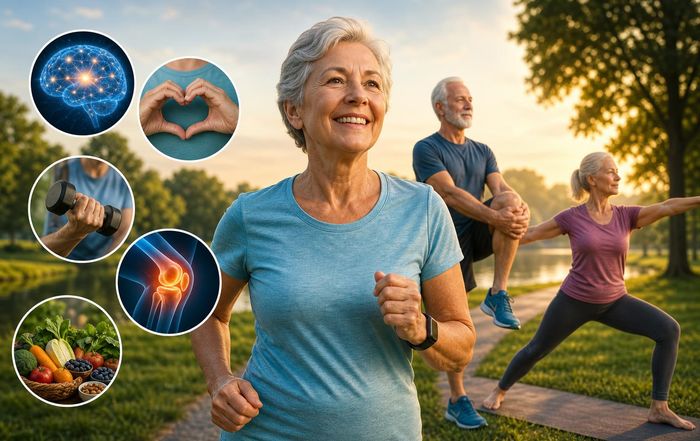
How Exercise Supports Healthy Aging in a High-Performance World
The New Definition of Aging!
Ok so apparently aging is not viewed solely as an unavoidable decline but increasingly as a performance challenge that can be influenced, delayed, and in some dimensions even reversed, and across the ageing, but active audience that turns to SportyFusion for insight on sports, fitness, health, and culture, the conversation has shifted from "How long can we live?" to "How well can we live, move, and compete at every stage of life?" This shift is being driven by converging evidence from organizations such as the World Health Organization and research institutions like Harvard Medical School, which show that structured physical activity is one of the most powerful, accessible, and cost-effective tools for promoting healthy aging across continents, from the United States and Europe to Asia, Africa, and South America. Readers who already follow the performance-driven coverage on SportyFusion Health and SportyFusion Fitness are seeing that exercise is no longer just a lifestyle choice; it is becoming a core component of personal risk management, long-term career planning, and even national health strategy.
Healthy aging is now defined not only by the number of years lived but by what the World Health Organization calls "functional ability," the capacity to be and do what people value most in their lives, whether that means competing in masters athletics, leading a high-pressure business in New York or London, coaching youth sports in Sydney, or staying independent in later life in Tokyo, Berlin, or São Paulo. Learn more about how global health bodies frame healthy aging and functional ability. Within this broader definition, exercise emerges as a central lever that affects physical performance, cognitive resilience, emotional stability, social participation, and even economic opportunity, making it a strategic concern not just for individuals but also for employers, brands, and policymakers.
The Physiology of Aging and the Role of Exercise
From a physiological standpoint, aging is associated with predictable declines in muscle mass, bone density, cardiovascular capacity, and metabolic flexibility, yet research from institutions such as Mayo Clinic and Johns Hopkins Medicine has repeatedly demonstrated that these declines are far from fixed and can be significantly modified by targeted physical activity. Readers who track performance science on SportyFusion Performance will recognize that concepts like sarcopenia, mitochondrial dysfunction, and chronic low-grade inflammation are not abstract medical terms but performance variables that can be trained, measured, and improved.
Muscle loss, for example, which traditionally begins in midlife and accelerates after age 60, has profound implications for mobility, balance, metabolic health, and injury risk, yet resistance training has been shown to increase muscle protein synthesis, enhance neuromuscular coordination, and improve power output even in individuals in their seventies and eighties. Readers can explore how strength training supports longevity and functional independence through resources such as this overview of strength training and aging from Harvard Health Publishing. Similarly, age-related declines in cardiovascular capacity can be substantially attenuated by regular aerobic exercise, with studies from Cleveland Clinic and others showing that higher cardiorespiratory fitness is strongly associated with reduced all-cause mortality and better quality of life in older adults. For a deeper dive into cardiorespiratory fitness, visit this explanation of VO2 max and heart health.
Bone health, a critical concern in aging populations worldwide, is also responsive to mechanical loading through weight-bearing and impact activities, which stimulate bone remodeling and help counteract osteoporosis, and organizations such as the International Osteoporosis Foundation provide extensive guidance on how exercise can support skeletal integrity across the lifespan; readers can learn more about exercise and bone health as part of a comprehensive aging strategy. Collectively, these physiological benefits position exercise as a foundational intervention for anyone seeking to extend their "healthspan," a term increasingly used in performance and longevity circles covered on SportyFusion World to describe the years lived in good health and high functional capacity.
Cognitive Health, Brain Performance, and Neuroplasticity
While the physical benefits of exercise are widely recognized, its impact on brain health and cognitive performance is now one of the most compelling reasons for integrating structured movement into an aging strategy, especially for knowledge workers, executives, and high-performance professionals across North America, Europe, and Asia. Research from Stanford University, University College London, and other leading institutions has demonstrated that aerobic and resistance training can enhance neuroplasticity, increase hippocampal volume, and improve executive function, all of which are critical for decision-making, creativity, and resilience in high-pressure environments. To understand how physical activity affects the brain, readers can review accessible summaries such as this discussion of exercise and brain health from the U.S. Centers for Disease Control and Prevention.
In addition to structural changes in the brain, exercise influences key neurochemical pathways, including increased production of brain-derived neurotrophic factor (BDNF), modulation of dopamine and serotonin, and improved cerebral blood flow, which together support mood regulation, attention, and learning. These mechanisms are particularly relevant in the context of age-related cognitive decline and neurodegenerative conditions, where longitudinal studies cited by Alzheimer's Association and National Institute on Aging show that regular physical activity is associated with a lower risk of cognitive impairment and dementia. Readers can explore how physical activity relates to dementia risk as part of a broader prevention mindset.
For the global audience of SportyFusion, many of whom operate in cognitively demanding roles in finance, technology, creative industries, and leadership positions from New York and Toronto to London, Frankfurt, Singapore, and Tokyo, exercise is increasingly viewed as a non-negotiable element of daily performance hygiene rather than a discretionary wellness add-on. The integration of movement into work routines, whether through walking meetings, active commuting, or structured training blocks before or after work, aligns with the performance-oriented ethos explored regularly on SportyFusion Business, where organizations are rethinking how to support the cognitive longevity of their most experienced talent.
Emotional Well-Being, Identity, and Culture Around Aging
Beyond the measurable physical and cognitive outcomes, exercise plays a profound role in shaping emotional well-being and identity as people age, and this cultural dimension is especially visible in the sports and fitness communities that SportyFusion covers. Across cities from Los Angeles and Vancouver to London, Paris, Berlin, Stockholm, Tokyo, Seoul, Sydney, and Cape Town, older adults are not only staying active but also redefining what it means to be an "athlete" in midlife and beyond, participating in masters competitions, community leagues, and endurance events that challenge outdated stereotypes about aging. The rise of age-group racing, masters CrossFit, and senior-friendly high-intensity interval training is transforming how society perceives older bodies and capabilities, and readers can see this reflected in coverage of global trends on SportyFusion Culture.
From a psychological perspective, regular physical activity is associated with reduced symptoms of anxiety and depression, improved self-efficacy, and a stronger sense of purpose, which are all crucial for navigating life transitions such as retirement, career pivots, or shifts in family roles. Organizations like Mental Health Foundation in the United Kingdom and Beyond Blue in Australia emphasize the role of movement in maintaining mental health across the lifespan; those interested can learn more about how physical activity supports mental well-being. In many cultures, sports and exercise also function as vital social connectors, creating intergenerational communities in running clubs, cycling groups, martial arts dojos, and fitness studios, which can mitigate the loneliness and social isolation that often accompany aging, particularly in urban environments.
This cultural shift is not limited to Western nations; in Japan, South Korea, Singapore, and across the Nordic countries, governments and local organizations are actively promoting community-based exercise programs for older adults, integrating traditional practices such as tai chi, qigong, and Nordic walking with modern sports science. The result is a more aspirational narrative of aging, one that aligns closely with the aspirational yet grounded lifestyle content found on SportyFusion Lifestyle, where readers see examples of older individuals who combine professional achievement with athletic commitment, modeling a version of aging that is active, engaged, and socially connected.
Global Evidence, Regional Nuances, and Equity in Access
The evidence supporting exercise as a pillar of healthy aging is global, yet the way it is implemented, accessed, and experienced varies significantly across regions, cultures, and socioeconomic contexts. In North America and Western Europe, high-income populations often have access to advanced fitness facilities, sports medicine clinics, and digital coaching platforms, but may struggle with sedentary work patterns and time pressure, while in parts of Asia, Africa, and South America, daily life may be more physically active but formal exercise infrastructure and healthcare support for older adults can be limited. The Organisation for Economic Co-operation and Development (OECD) and World Bank have highlighted these disparities in reports on aging and health systems, and readers can explore comparative data on aging societies to understand how policy and economics shape opportunities for movement.
In countries such as Germany, Sweden, Denmark, and the Netherlands, integrated public health strategies encourage active transport, community sports, and workplace wellness programs that support movement across the lifespan, while in rapidly aging societies like Japan and South Korea, policymakers are increasingly focused on leveraging exercise to reduce the burden of chronic disease and long-term care costs. Learn more about how governments are responding to aging populations through this overview of aging and health policy from the World Bank. For readers of SportyFusion in emerging markets such as Brazil, South Africa, Malaysia, and Thailand, the intersection of urbanization, economic development, and demographic change creates both challenges and opportunities, as growing middle classes demand better access to recreational spaces, sports programs, and fitness technologies that can support active aging.
Equity remains a central concern, as lower-income and marginalized communities often face greater barriers to safe spaces for exercise, quality nutrition, and preventive healthcare, which can accelerate age-related decline and limit participation in sports and fitness. Organizations such as UNICEF and UN Women have emphasized the importance of inclusive, gender-sensitive, and community-based approaches to physical activity that consider cultural norms and safety concerns, especially for women and older adults; readers can learn more about inclusive sport and physical activity initiatives in different regions. For SportyFusion, which serves a global audience, this means highlighting not only elite and aspirational stories but also the structural factors that determine who has the opportunity to age actively and who is left behind.
Technology, Data, and the Science of Personalized Aging
As of today, the intersection of sports technology, health data, and aging has become one of the most dynamic areas of innovation, directly relevant to keen readers who follow SportyFusion Technology and SportyFusion Sports. Wearable devices from companies such as Apple, Garmin, and Whoop now offer continuous monitoring of heart rate variability, sleep stages, recovery indices, and training load, enabling older athletes and active professionals to calibrate their exercise intensity, volume, and recovery with unprecedented precision. Resources like this overview of wearable fitness technology from the Harvard T.H. Chan School of Public Health help users understand how to interpret and apply this data in a way that supports long-term health rather than short-term overreach.
Beyond consumer wearables, advances in telemedicine, AI-driven coaching platforms, and connected fitness equipment are making expert guidance more accessible to aging populations in both urban and rural areas, from Canada and the United States to Australia, New Zealand, and parts of Asia and Europe. Digital physical therapy platforms, remote cardiac rehabilitation programs, and app-based strength training plans allow individuals recovering from injury, surgery, or chronic illness to re-engage with movement under professional supervision, which is particularly critical for older adults who may be managing multiple health conditions. The National Institute on Aging provides practical advice on starting and maintaining an exercise program safely for older adults, which can be integrated with digital tools to create personalized, adaptive routines.
However, the growth of health and performance data also raises ethical questions about privacy, data ownership, and algorithmic bias, especially when such data is used by employers, insurers, or sports organizations to make decisions about risk, employability, or selection. These concerns intersect with the crucially important ethical themes explored on SportyFusion Ethics, where readers are encouraged to think critically about how performance metrics are collected, interpreted, and applied across age groups. As more older professionals share training data, sleep patterns, and biometric markers with apps and platforms, it becomes essential to ensure that these technologies support autonomy and empowerment rather than surveillance or discrimination.
Business, Work, and the Economics of an Active Aging Workforce
From a business perspective, the aging of the global workforce is one of the defining macro trends of the 2020s, with implications for productivity, innovation, healthcare costs, and corporate culture, and organizations that appear frequently in SportyFusion's business coverage are beginning to recognize that supporting physical activity is not just a wellness perk but a strategic investment in human capital. Companies across sectors in the United States, United Kingdom, Germany, Canada, Australia, and beyond are implementing comprehensive movement-friendly policies, including flexible schedules that accommodate training, on-site or subsidized fitness facilities, standing and walking meeting norms, and incentives for active commuting, drawing on research that links physical activity to reduced absenteeism, improved cognitive performance, and greater employee engagement. The World Economic Forum has highlighted how healthy aging and longer working lives are reshaping labor markets, and readers can explore their perspective on longevity and work.
In parallel, the longevity economy-encompassing products and services aimed at older, active consumers-is expanding rapidly, with sports brands, fitness companies, and health-tech startups designing offerings specifically tailored to the needs and aspirations of people in their fifties, sixties, and beyond. This includes lower-impact but high-intensity training formats, adaptive equipment, recovery and regeneration tools, and destination experiences like cycling tours or hiking expeditions that cater to older athletes who have both the time and financial resources to invest in their physical pursuits. Learn more about the economic dimensions of aging populations through this analysis of the longevity economy from McKinsey & Company.
For readers online or email newsletters fans following SportyFusion Jobs, the rise of sports and fitness roles focused on older clients-from specialized trainers and physiotherapists to program designers and digital product managers-represents a growing career opportunity, particularly in markets like Europe, North America, and parts of Asia where aging populations are most pronounced. At the same time, older workers themselves are increasingly seeking roles that allow them to combine professional expertise with their passion for movement, whether as coaches, mentors, consultants, or entrepreneurs in the sports and wellness space, illustrating how exercise can support not only physical health but also economic resilience and career satisfaction in later life.
Environment, Community, and the Future of Active Cities
The environments in which people live, work, and play profoundly shape their ability to maintain an active lifestyle as they age, and this is an area where urban planning, environmental policy, and community design intersect with the sports and fitness themes that SportyFusion covers. Cities that prioritize walkability, cycling infrastructure, accessible public transport, and green spaces create natural opportunities for daily movement for residents of all ages, while car-dependent, poorly lit, or unsafe environments can discourage older adults from engaging in outdoor activity. Organizations such as C40 Cities and ICLEI - Local Governments for Sustainability promote urban design strategies that support both environmental sustainability and public health, and readers can learn more about active, climate-friendly cities and their role in fostering movement.
Climate change itself is emerging as a factor in how and when people exercise, as rising temperatures, air pollution, and extreme weather events create new challenges for outdoor activity, especially for older adults with cardiovascular or respiratory vulnerabilities. Guidance from bodies like the European Environment Agency and U.S. Environmental Protection Agency emphasizes the importance of monitoring air quality and heat indices when planning outdoor exercise; readers can review recommendations on exercising in heat and pollution to adapt their routines safely. These environmental realities underscore themes regularly explored on SportyFusion Environment, where the intersection of sport, climate, and public health is increasingly central, and where active aging is understood as part of a broader sustainability agenda that spans continents.
At the community level, local sports clubs, recreational centers, and informal groups-whether in London, Madrid, Zurich, Johannesburg, or Bangkok-play a critical role in making exercise accessible and enjoyable for older adults, offering structured programs, social support, and a sense of belonging that can be as important as the physical training itself. As readers navigate the evolving landscape of sports culture, technology, and global health, SportyFusion remains committed to highlighting how these local initiatives, when combined with global best practices, can create ecosystems in which aging is not a story of decline but a continuation of performance, growth, and contribution.
Integrating Exercise into a Holistic Vision of Aging
For the global, performance-oriented audience of SportyFusion, the evidence is clear: exercise is not an optional enhancement but a central pillar of healthy aging that intersects with physical capacity, cognitive function, emotional well-being, social connection, economic opportunity, and environmental context. The most effective strategies are those that integrate movement into daily life in a sustainable, enjoyable, and context-appropriate way, recognizing that the needs of a 55-year-old executive in New York, a 62-year-old engineer in Munich, a 68-year-old entrepreneur in Singapore, and a 72-year-old teacher in Cape Town will differ in specifics but converge on a shared objective: to remain strong, sharp, and engaged for as long as possible.
As the science continues to evolve and technologies advance, the core principles remain grounded in trust, expertise, and evidence, values that align with the editorial commitment of SportyFusion across its super dynamic and unique coverage of sports, fitness, health, culture, business, and beyond. By drawing on insights from leading health organizations, research institutions, and real-world practice, and by connecting them to the lived experiences of athletes, professionals, and communities around the world, SportyFusion aims to equip its readers not only with knowledge but with a framework for action-one in which every training session, walk, ride, or swim becomes an investment in a future where aging and high performance are not contradictions but complementary dimensions of a life well lived.