

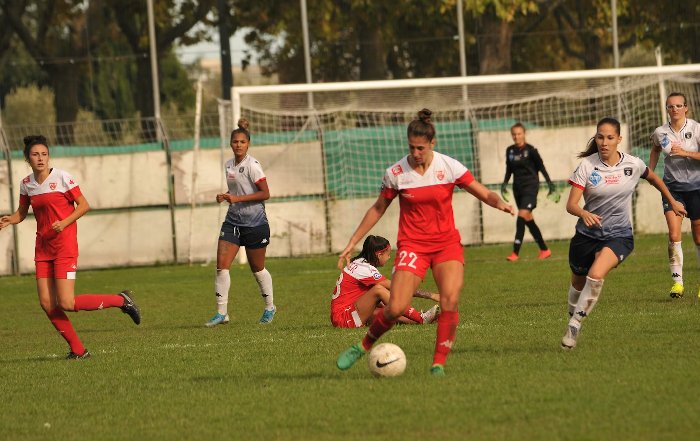
The Future of Women's League Structures and Investment
A New Era for the Women's Game
Women's sport has moved from the margins of the global industry into a rapidly professionalizing, commercially significant, and culturally influential force, and nowhere is this more evident than in the accelerating evolution of women's leagues across football, basketball, cricket, rugby, and emerging sports. As audiences expand in the United States, Europe, Asia, Africa, and South America, and as sponsors re-evaluate the long-term value of women's competitions, the question confronting investors, federations, and clubs is no longer whether to invest in women's leagues, but how to design sustainable league structures and capital strategies that can support decades of growth rather than a short-lived boom.
For SportyFusion.com, which sits at the intersection of performance, culture, and business, the future of women's league structures is not only a story about sport but also about shifting social norms, new forms of media consumption, and the redefinition of what elite performance and professional opportunity look like for women and girls worldwide. Readers who follow the platform's coverage of global sports trends, business innovation, and social change can see that the women's game has become a litmus test for how seriously the broader ecosystem takes inclusion, ethics, and long-term value creation.
From Fragmented Pathways to Integrated League Ecosystems
For decades, women's leagues in football, basketball, and other sports operated as fragmented, semi-professional structures, often with short seasons, limited cross-border coordination, and fragile financial models. In 2026, leading organizations such as FIFA, UEFA, the NCAA, and the WNBA are increasingly looking to build integrated ecosystems where youth, collegiate, semi-professional, and elite tiers are aligned in a coherent pathway.
In women's football, the transformation of the UEFA Women's Champions League into a more commercially focused competition and the growth of domestic leagues like England's Women's Super League and Spain's Liga F have created a template that other regions are beginning to emulate. Stakeholders studying the evolution of elite competitions can explore how global bodies are responding to this momentum through resources such as the FIFA Women's Football Strategy and related policy updates. At the same time, national associations in Germany, France, the United States, and Australia are aligning youth academies and second-division structures to ensure that the jump from grassroots to elite competition is less abrupt, reducing player drop-off and enhancing the quality of domestic leagues.
For SportyFusion.com, which regularly examines training and performance pathways, the shift towards integrated ecosystems represents a fundamental rethinking of how talent is identified, nurtured, and retained. Instead of treating women's leagues as an add-on to men's competitions, leading markets are building dedicated high-performance environments, often supported by sports science institutes, university partnerships, and data-driven scouting systems that mirror or even surpass the sophistication of the men's game.
Investment Flows and the Professionalization of Women's Leagues
Investment into women's leagues is no longer a niche philanthropic exercise; it has become a strategic asset class attracting private equity funds, media companies, and global brands. Organizations such as CVC Capital Partners and RedBird Capital have already demonstrated how financial investors can reshape league governance and commercial rights in men's competitions, and similar models are beginning to appear in women's sport, albeit with important differences in governance safeguards and social expectations.
Media rights have emerged as a core driver of this investment wave. As streaming platforms and broadcasters compete for differentiated content, women's leagues offer high-growth properties with relatively low acquisition costs and strong audience engagement, particularly among younger demographics. Analysts tracking global media trends often reference research from platforms like Deloitte's sports business reports, which highlight the outperformance of women's sport in engagement metrics relative to its current share of rights fees. This disconnect between attention and monetization is precisely where investors see upside.
At the same time, the professionalization process is tightly linked to labor standards, health protections, and ethical governance. In North America and Europe, player unions and advocacy groups are pushing for minimum salary floors, maternity policies, and medical coverage that reflect the realities of a full-time professional career. The evolution of collective bargaining agreements in leagues such as the NWSL and the WNBA points to a future where investors must treat human capital and workplace culture as core assets rather than cost centers. Readers interested in the intersection of health, labor, and performance can explore related perspectives in SportyFusion's health and jobs sections, where the long-term implications of professionalization for athlete wellbeing and career longevity are increasingly under scrutiny.
Global Markets: Different Starting Points, Converging Ambitions
While the United States and parts of Western Europe currently dominate media narratives about women's leagues, growth patterns across Asia, Africa, and South America suggest that the future will be far more geographically diverse. In Brazil, South Africa, and Nigeria, federations are experimenting with hybrid league models that combine regionalized play with national playoffs, reducing travel costs while still delivering compelling broadcast products. In Japan, South Korea, and Singapore, corporate-backed clubs and university systems are integrating women's teams into long-standing sports structures, leveraging existing fan bases and infrastructure.
In China, government-backed initiatives to promote physical activity and football participation among girls, combined with a renewed emphasis on elite performance, are reshaping domestic competition formats and academy systems. Observers tracking these developments often look to resources such as The Asian Football Confederation's women's football programs to understand how regional bodies are coordinating development. Meanwhile, in Europe, the European Commission and national governments are increasingly framing women's sport as both an economic growth sector and a tool for social cohesion, aligning public funding and policy incentives with the expansion of professional leagues; those interested in this policy dimension can learn more about EU sport policy and its growing focus on gender equality and participation.
For SportyFusion.com, which serves a global readership from the United States and United Kingdom to Germany, Canada, Australia, France, Italy, Spain, the Netherlands, Switzerland, the Nordics, and beyond, the crucial insight is that league structures cannot simply be copied across markets. Local cultural attitudes towards women's sport, existing club systems, media landscapes, and regulatory environments all shape what is feasible. Yet the underlying ambition is converging: every major region now recognizes that women's leagues are central to national sporting prestige, international competitiveness, and the broader sports economy.
Aligning League Structures with Athlete Health and Performance
The design of women's league calendars, match density, and travel schedules has historically been constrained by limited resources and secondary status relative to men's competitions. As investment increases, there is a significant opportunity-and responsibility-to build structures that are optimized not only for commercial returns but also for athlete health, performance, and career longevity. Over the last decade, advances in sports science have highlighted the importance of tailoring training loads, recovery protocols, and medical support to the specific physiological needs of female athletes, including considerations related to the menstrual cycle, bone health, and concussion risk.
Leading research institutions and organizations such as The International Olympic Committee have published guidelines on safeguarding and gender-specific health factors, which can be explored through resources like the IOC's athlete health and protection initiatives. Forward-thinking leagues are beginning to integrate these insights into scheduling decisions, minimum rest periods, and centralized medical standards. For example, some European football leagues have introduced mandated off-season recovery windows and standardized concussion protocols, while North American basketball and soccer competitions are re-evaluating back-to-back fixtures and cross-country travel demands.
On SportyFusion.com, where performance and fitness coverage often emphasizes evidence-based training and recovery, the conversation around women's league structures is inseparable from the science of performance optimization. The next generation of league planners will need to collaborate closely with sports scientists, physiologists, and mental health professionals to ensure that competitive intensity and commercial expansion do not come at the expense of player wellbeing, especially as seasons lengthen and international tournament calendars become more congested.
Media, Technology, and the Battle for Attention
The future of women's league investment is deeply intertwined with the evolution of sports media and technology. Streaming platforms, social media, and direct-to-consumer models have lowered barriers to entry for new competitions, enabling women's leagues to reach global audiences even when traditional broadcasters are slow to commit. Tech giants and specialized sports platforms are experimenting with multi-language commentary, interactive fan experiences, and data-driven storytelling that resonate strongly with younger, digitally native audiences across North America, Europe, and Asia.
Companies such as Meta, YouTube, and Amazon have shown increasing interest in sports rights, and women's competitions are often used as testbeds for innovative formats, alternative camera angles, and real-time analytics. Industry observers who follow developments in sports technology frequently turn to organizations like Sports Innovation Lab for analysis of how emerging tech is reshaping fan behavior and commercial models. Wearable technology and advanced tracking systems, developed by firms like Catapult Sports and Hawk-Eye, are also enhancing the tactical depth and storytelling potential of women's leagues, allowing analysts, coaches, and fans to better appreciate the speed, physicality, and sophistication of the women's game.
For SportyFusion.com, whose readers engage with technology, gaming, and lifestyle content, this convergence of sport and digital innovation is central to understanding why women's leagues are poised for continued growth. The same audiences that consume esports, interactive fitness platforms, and short-form video are increasingly discovering women's competitions through algorithm-driven feeds, highlights, and creator content, rather than traditional linear broadcasts. League structures and investment strategies that embrace this reality-by prioritizing flexible scheduling, global-friendly kick-off times, and digital-first storytelling-are likely to outperform those that cling to legacy models.
Brand Partnerships, Values, and Long-Term Equity
One of the defining features of the current women's sports boom is the alignment between women's leagues and brand narratives centered on inclusion, sustainability, and social impact. Global companies such as Nike, Adidas, Visa, and Unilever have invested heavily in women's sport not only for reach and impressions but also to signal their commitment to gender equity and progressive values. Research from organizations like The Women's Sports Foundation has shown that fans of women's sport often perceive sponsoring brands as more authentic and socially responsible, which in turn can translate into higher brand loyalty and purchase intent.
However, as women's leagues mature, the sponsorship conversation is shifting from short-term campaigns and cause marketing to long-term equity and revenue-sharing arrangements. Some investors are exploring models where brands take minority stakes in leagues or clubs, aligning incentives around audience growth, content innovation, and global expansion. Others are negotiating multi-cycle partnerships that encompass grassroots development, elite competition, and digital content production, creating a more stable financial environment for leagues and players. Those interested in the broader context of sustainable sponsorship can learn more about responsible business practices through initiatives that connect sport with the United Nations Global Compact principles.
On SportyFusion.com, which regularly profiles brands and their strategies in sport, the emerging question is how companies will balance commercial goals with ethical considerations, particularly around pay equity, representation in marketing, and the environmental footprint of events and merchandise. The most forward-looking partnerships in women's leagues are likely to be those that integrate measurable social and environmental targets alongside financial metrics, reinforcing the perception of women's sport as a space where innovation and responsibility go hand in hand.
Governance, Ethics, and Trust in the Women's Game
As investment and visibility increase, so too does scrutiny of governance standards and ethical practices within women's leagues. Scandals related to abuse, harassment, and mismanagement in several high-profile competitions over the past decade have underscored the need for robust safeguarding frameworks, transparent oversight, and independent accountability mechanisms. Organizations such as Human Rights Watch and Amnesty International have drawn attention to systemic issues in sport, and their analyses, accessible through resources like Human Rights Watch's work on sport, have shaped public expectations for how leagues should protect athletes and staff.
In response, many federations and leagues are instituting independent integrity units, whistleblower channels, and mandatory education programs on abuse prevention and ethical conduct. The Centre for Sport and Human Rights and similar bodies have developed guidelines that leagues can adopt, emphasizing survivor-centered approaches and structural reforms rather than one-off responses. Readers who follow SportyFusion.com's coverage of ethics and culture will recognize that trust is now a core asset in the women's game; fans, sponsors, and players are increasingly unwilling to tolerate opaque governance or the minimization of misconduct.
For investors, this ethical dimension is not peripheral but central to risk management and brand protection. Capital inflows into women's leagues will be sustainable only if governance structures are resilient, inclusive, and genuinely athlete-centered. This includes ensuring representation of women and diverse voices on boards, transparent financial reporting, and meaningful engagement with player associations and civil society organizations. Without these foundations, the reputational risks associated with governance failures could quickly erode the goodwill that women's sport currently enjoys.
Sustainability and the Environmental Footprint of Growth
As women's leagues scale, questions about environmental sustainability and climate impact are moving from the periphery to the core of strategic planning. Travel-intensive competition formats, energy consumption in stadiums, and merchandise production all contribute to the carbon footprint of the sports industry, and stakeholders are increasingly aware that growth must be aligned with broader climate goals. Organizations such as The United Nations Environment Programme and UNFCCC have worked with sports bodies through initiatives like the Sports for Climate Action Framework to encourage leagues and clubs to adopt science-based targets, greener operations, and climate-conscious fan engagement.
For women's leagues, which are often building or renovating infrastructure and competition calendars from a relatively early stage of professionalization, there is a unique opportunity to embed sustainability into the core of their business models. This can include prioritizing regionalized competition formats to reduce long-haul travel, investing in energy-efficient training facilities, and collaborating with local governments on sustainable transport solutions for fans. Readers of SportyFusion.com who follow environment and world affairs coverage will recognize that climate resilience is increasingly seen as a competitive advantage, particularly in markets where regulatory pressure and consumer expectations around sustainability are intensifying.
Moreover, there is a growing recognition that women's leagues can play a leading role in climate communication and activism, leveraging their platforms to promote sustainable lifestyles and community initiatives. Partnerships with environmental NGOs, green tech startups, and public agencies are becoming more common, and these collaborations can enhance both the brand equity of leagues and their long-term license to operate in a carbon-constrained world.
Career Pathways, Education, and Life After Sport
A defining challenge for the next decade of women's league development is the creation of robust career pathways that extend beyond peak playing years. Historically, many female athletes have faced abrupt transitions at retirement, with limited financial security and few structured opportunities to move into coaching, management, media, or entrepreneurship. As leagues professionalize, there is growing pressure on federations, clubs, and sponsors to invest in dual-career programs, educational partnerships, and leadership development initiatives.
Universities and business schools in the United States, United Kingdom, Germany, and other markets are increasingly offering tailored programs for current and former athletes, while global organizations such as The International Labour Organization and OECD provide frameworks on decent work and skills development that can inform league policies; those interested in the broader labor context can explore the ILO's guidance on future of work and skills. Some leagues are experimenting with mandatory financial literacy education, mentorship schemes, and internship placements with partner brands, recognizing that the long-term reputation of women's sport will depend in part on how well it supports athletes' lives beyond the field of play.
For SportyFusion.com, whose readers are deeply interested in jobs, business, and social mobility, the evolution of these pathways is central to understanding the true impact of investment in women's leagues. The most credible and trusted competitions will be those that treat athletes not only as performers but as future leaders, innovators, and community builders, embedding education, networking, and skills development into the fabric of league operations.
Strategic Outlook: Building Durable Value in Women's Leagues
Thinking ahead, the future of women's league structures and investment will be shaped by the ability of stakeholders to balance growth with responsibility, innovation with stability, and global ambition with local nuance. Investors, federations, and clubs that focus solely on short-term valuations or headline audience numbers are likely to miss the deeper structural shifts underway in fan behavior, athlete expectations, and societal norms. Those who take a longer-term perspective-investing in governance, health, sustainability, and career pathways-will be better positioned to build durable value and trust.
For the global community that engages with SportyFusion.com, the women's game offers a lens through which to understand broader transformations in fitness, culture, health, technology, business, and ethics. As women's leagues in football, basketball, cricket, rugby, and emerging sports continue to evolve across North America, Europe, Asia, Africa, and South America, their success will depend on integrated ecosystems, evidence-based performance frameworks, digital-first fan strategies, and partnerships grounded in shared values rather than opportunistic branding.
Ultimately, the future of women's league structures and investment will be defined not only by how much capital flows into the game but by how intelligently and ethically that capital is deployed. If stakeholders can align commercial innovation with athlete-centered design, robust governance, and genuine social impact, women's leagues will not simply mirror the men's game; they will set new standards for what a modern, inclusive, and sustainable sports industry can be, reshaping expectations for generations of athletes and fans worldwide and reinforcing the role of platforms like SportyFusion.com as critical hubs for insight, accountability, and inspiration.