

Digital Health in 2026: How a Connected World Is Redefining Performance, Well-Being, and Business
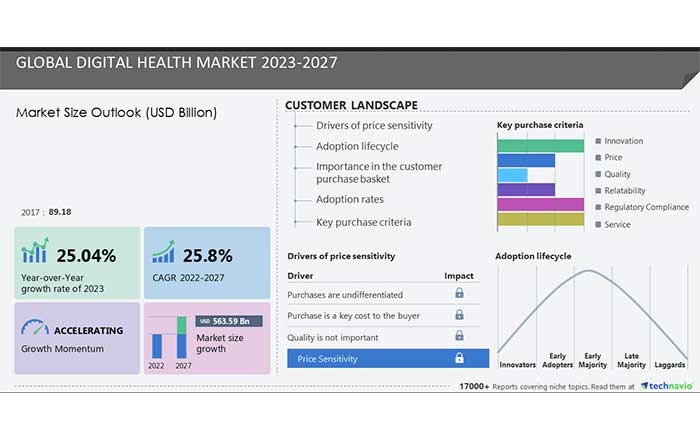
Digital health in 2026 stands as one of the most transformative forces in the global economy, reshaping how individuals train, live, work, and access care across every major region of the world. What began as an experimental set of telemedicine pilots and fitness apps has evolved into a deeply interconnected ecosystem spanning virtual care, advanced wearables, artificial intelligence-driven diagnostics, digital therapeutics, and population-scale health platforms. For the global community that gravitates to SportyFusion, where performance, lifestyle, and innovation intersect, digital health is no longer just a technology story; it is a story about how people in the United States, Europe, Asia, Africa, and the Americas now experience their bodies, their data, and their ambitions in sport, business, and everyday life.
The maturation of this market reflects a convergence of forces: demographic aging in Europe and Japan, chronic disease burdens in North America and emerging markets, rapid urbanization in Asia, heightened consumer expectations in regions such as the United Kingdom, Germany, Canada, and Australia, and the ubiquity of smartphones and connected devices from South Korea to Brazil. At the same time, the digital health sector is shaped by rigorous regulatory frameworks, evolving ethical standards, and the strategic moves of global technology leaders and healthcare incumbents. For readers of SportyFusion, this evolution is particularly relevant because it sits at the junction of fitness, health, sports, technology, and business, and increasingly influences how athletes, professionals, and everyday enthusiasts design their training, manage recovery, and protect long-term health.
The Architecture of the Digital Health Market in 2026
By 2026, the digital health market is best understood as a layered architecture rather than a set of isolated products. At one layer sit consumer-facing applications for fitness, sleep, nutrition, and mental health; at another, clinical-grade tools for remote monitoring, diagnostics, and digital therapeutics; and behind these, powerful data and analytics infrastructures that integrate information from hospitals, insurers, employers, and personal devices. This architecture enables a continuum from preventive wellness to acute care and long-term disease management, with data flowing more seamlessly across previously siloed systems.
Telehealth platforms, once used primarily during the COVID-19 era, have become deeply integrated into mainstream care pathways. Remote patient monitoring programs track cardiovascular risk, diabetes markers, respiratory function, and post-operative recovery, with clinicians able to intervene earlier and more precisely. Wearables and sensor-enabled garments generate continuous streams of biometric data, which are analyzed by machine learning models that detect anomalies and predict injury or illness. For high-performance athletes and committed amateurs alike, this same infrastructure enables personalized training plans and recovery protocols, a theme frequently explored in SportyFusion Performance.
The market's segmentation reflects these functional and user distinctions. Consumer wellness solutions, clinical digital health platforms, enterprise benefits technologies, and government-led public health systems all represent distinct but increasingly interconnected segments. In parallel, regional segmentation reveals different adoption patterns: North America and parts of Western Europe focus on integration with existing health systems, Asia-Pacific emphasizes scalability and mobile-first solutions, while emerging markets in Africa and South America leverage digital health to leapfrog infrastructure gaps and expand access.
Telehealth and Hybrid Care as the New Clinical Normal
Telemedicine has evolved from a contingency solution into a structural pillar of healthcare delivery. In the United States, virtual-first primary care models supported by companies such as Teladoc Health and Amwell are embedded in employer benefits and insurer networks, while major health systems integrate video consultations, secure messaging, and remote triage into standard care pathways. In the United Kingdom, the National Health Service (NHS) continues to expand its digital front door strategy, using remote consultations to manage demand, reduce waiting times, and extend reach to underserved communities across England, Scotland, Wales, and Northern Ireland.
Across continental Europe, including Germany, France, Italy, Spain, and the Netherlands, hybrid care models combine in-person visits with structured telehealth follow-ups, supported by interoperable electronic health records and strong data protection regimes. In Canada and Australia, vast geographies make virtual care indispensable for rural and remote communities, where digital consultations and remote diagnostics reduce travel burdens and improve continuity of care. Meanwhile, in Asia, countries such as Singapore, South Korea, and Japan leverage telehealth platforms to cope with aging populations and rising healthcare expenditures, while China continues to scale national digital health infrastructure that integrates teleconsultations, e-prescriptions, and AI-assisted triage.
For the performance-focused audience of SportyFusion Health, telehealth's significance extends beyond acute care. Sports medicine, physiotherapy, and rehabilitation programs increasingly use video assessments and remote exercise prescription to maintain continuity between clinic visits, while elite and amateur athletes in regions from the United States to Sweden and Norway can access specialized expertise that might not exist locally. This hybrid care environment is reinforced by global guidance from institutions such as the World Health Organization, which continues to publish frameworks on digital health integration and quality standards.
Wearables, Biosensors, and the Quantified Athlete
The wearables market has moved far beyond step counting and heart rate monitoring. Devices from Apple, Garmin, Samsung, and Huawei, alongside specialized sports technology companies and emerging startups in Germany, Israel, and the Nordic countries, now incorporate multi-sensor arrays capable of tracking heart rate variability, oxygen saturation, body temperature, respiratory rate, sleep architecture, and, in some cases, continuous glucose levels. These devices are increasingly validated against medical-grade equipment, positioning them as bridges between consumer wellness and clinical monitoring.
In the sports domain, teams in the NBA, Premier League, Bundesliga, Serie A, and La Liga use GPS-enabled vests, inertial sensors, and biometric patches to monitor workload, biomechanics, and fatigue in real time. In motorsport, including Formula 1, biosensors embedded in suits and helmets help performance staff track driver stress, hydration, and reaction times. This highly granular data feeds into analytics platforms that optimize training loads, recovery protocols, and nutrition strategies, and similar methodologies are being adapted for serious recreational athletes and corporate wellness programs worldwide. Readers can explore related applications in SportyFusion Sports, where performance insights are increasingly grounded in digital health data.
For general populations, wearables now play an important role in preventive health. Large-scale studies coordinated by organizations such as the National Institutes of Health and the European Commission's health initiatives use wearable data to study cardiovascular risk patterns, sleep disorders, and the impact of physical activity on long-term outcomes. In markets such as the United States, Canada, and the Netherlands, insurers and employers often incentivize wearable usage through premium discounts or wellness rewards, reflecting a recognition that continuous, real-world data can help shift health systems from reactive treatment to proactive risk management.
AI, Data Platforms, and Precision Health
Artificial intelligence has become the analytical engine of digital health in 2026. Deep learning algorithms developed by organizations such as Google DeepMind, Microsoft, and leading research centers in the United States, United Kingdom, Canada, and Singapore now assist clinicians in interpreting radiology images, pathology slides, and dermatological photographs, often matching or exceeding human-level accuracy in detecting certain conditions. AI triage systems deployed in hospitals and virtual care platforms help prioritize patients, identify red flags, and allocate resources more efficiently, while predictive models anticipate hospital readmissions and disease exacerbations.
The broader shift is toward precision health rather than solely precision medicine. This approach integrates medical records, genomic data, lifestyle metrics, environmental exposures, and real-time wearable inputs to create individualized risk profiles and intervention plans. Institutions such as the Mayo Clinic and Cleveland Clinic are at the forefront of implementing such integrated platforms, while national strategies in countries like Finland, Denmark, and Estonia use secure digital identity systems to link health data across the life course. Business leaders interested in these data-driven models can explore adjacent themes in SportyFusion Business, where analytics and health economics increasingly converge.
At the same time, AI's growing role raises questions about transparency, bias, and accountability. Regulators in the European Union, through initiatives such as the EU AI Act, and agencies like the U.S. Food and Drug Administration are defining frameworks for software as a medical device, continuous learning algorithms, and clinical decision support tools. These frameworks aim to ensure that AI systems are safe, explainable, and equitable across diverse populations, including those in Asia, Africa, and South America who may have been underrepresented in historical datasets.
Digital Therapeutics and the New Era of Software-Based Care
Digital therapeutics (DTx) now occupy a distinct and rapidly expanding segment of the digital health market. These evidence-based software interventions, often delivered via smartphone or web platforms, are prescribed by clinicians or integrated into care pathways to prevent, manage, or treat conditions such as type 2 diabetes, obesity, hypertension, substance use disorders, depression, and insomnia. Companies including Omada Health, Noom, Click Therapeutics, and regional innovators in Germany, Japan, and South Korea have demonstrated that structured behavioral programs, supported by coaching and analytics, can achieve clinically meaningful outcomes.
Regulatory bodies such as the U.S. Food and Drug Administration and the European Medicines Agency have established pathways for evaluating and approving digital therapeutics, while reimbursement frameworks in countries such as Germany and France now allow certain DTx products to be covered under statutory health insurance. Pharmaceutical companies, including Novartis, Roche, and Pfizer, increasingly pursue partnerships with digital therapeutics providers to complement traditional drug regimens with behavioral and educational components, recognizing that chronic disease management requires sustained engagement that software can uniquely deliver.
For the SportyFusion community, digital therapeutics offer a glimpse into how structured, data-driven programs can support long-term lifestyle change, whether the goal is weight management, improved sleep, or enhanced cardiovascular fitness. The psychological and cultural aspects of adherence, motivation, and identity-topics often explored in SportyFusion Culture-are central to the success of these interventions, which must resonate across diverse cultures from Italy and Spain to Thailand, Brazil, and South Africa.
Mental Health, Human Performance, and Always-On Support
Mental health has become a core pillar of digital health, not a peripheral concern. Platforms such as Headspace Health, Calm, BetterHelp, and regional services in the United Kingdom, Germany, India, and Southeast Asia provide on-demand therapy, coaching, mindfulness training, and cognitive behavioral programs to millions of users. These services are increasingly integrated into corporate wellness offerings and educational institutions, reflecting recognition that mental well-being directly influences productivity, athletic performance, and long-term health.
Elite sports organizations, from football clubs in Europe to rugby teams in New Zealand and cricket franchises in India, now embed digital mental health tools into their performance programs, using them to monitor stress, manage travel-related fatigue, and support athletes dealing with injury or public pressure. For everyday users, mental health apps and teletherapy services offer accessible support regardless of geography, which is particularly important in countries where there are shortages of licensed professionals, such as parts of Africa, Latin America, and rural areas of North America and Asia.
The integration of mental and physical health is a recurring theme in SportyFusion Health, where sleep quality, emotional resilience, and stress management are increasingly discussed alongside training load and nutrition. Research disseminated by organizations such as the World Economic Forum and the OECD highlights the economic and social costs of untreated mental health conditions, reinforcing the case for digital solutions that can scale more rapidly than traditional models of care.
Regulation, Ethics, and the Trust Imperative
Trust has emerged as the decisive factor in digital health adoption. High-profile data breaches, algorithmic bias concerns, and opaque business models have made regulators and consumers more vigilant, prompting a wave of legislation and industry standards. The General Data Protection Regulation (GDPR) in Europe, HIPAA in the United States, and evolving privacy frameworks in countries such as Canada, Australia, Singapore, and Brazil set clear expectations for data security, consent, and user rights, while new AI regulations address transparency and accountability in automated decision-making.
Ethical considerations go beyond privacy. Questions arise about who owns and benefits from health data, how algorithms are trained and validated, and how to ensure equitable access to digital health tools across socio-economic and regional divides. Organizations such as the World Health Organization have issued guidance on ethics and governance of artificial intelligence in health, while academic centers and think tanks in the United Kingdom, Netherlands, and Switzerland develop frameworks for responsible innovation.
For a platform like SportyFusion Ethics, these developments are central. The same data that can help a runner in Canada optimize training, or a cyclist in Denmark monitor cardiac risk, can also be misused if governance is weak. Businesses operating in this space must therefore demonstrate not only technical excellence but also robust governance, transparent communication, and alignment with societal values across Europe, Asia, Africa, and the Americas.
Investment, Jobs, and the Business of Digital Health
The financial landscape around digital health has continued to expand through 2025 and into 2026, with venture capital, private equity, strategic corporate investors, and public markets all playing significant roles. Investment has flowed into AI diagnostics, remote monitoring platforms, mental health startups, digital therapeutics, and infrastructure providers that enable interoperability and cyber security. Major funds such as Sequoia Capital, Andreessen Horowitz, and SoftBank Vision Fund, alongside European and Asian sovereign wealth funds, have helped scale companies from early-stage pilots to global deployments.
This capital influx has generated a dynamic job market, not only for clinicians and data scientists but also for product managers, UX designers, regulatory specialists, and performance coaches who understand both technology and human behavior. Countries like the United States, United Kingdom, Germany, India, and Singapore have become hubs for digital health talent, while remote work arrangements allow professionals in regions such as South Africa, Brazil, and Malaysia to contribute to global projects. Readers interested in the evolving career landscape can align these trends with the opportunities discussed on SportyFusion Jobs, where health, technology, and sport increasingly intersect.
At the corporate level, digital health is now a core strategic theme for insurers, hospital groups, pharmaceutical companies, and consumer brands. Strategic partnerships between healthcare providers and technology firms, as well as between sports organizations and digital health startups, are common. These collaborations aim to create integrated ecosystems that span wellness, prevention, acute care, and long-term management, reflecting a recognition that health is not confined to clinical settings but extends into daily life, training routines, and workplace culture.
Sustainability, Environment, and the Footprint of Health Technology
As awareness grows about the environmental footprint of healthcare systems, sustainability has become a strategic priority for digital health. Data centers powering AI models and telehealth platforms consume significant energy, while the proliferation of devices raises concerns about electronic waste and supply chain impacts. In response, major cloud providers and health systems are committing to renewable energy, carbon reduction targets, and circular design principles for hardware.
Organizations such as the Lancet Countdown on Health and Climate Change and the United Nations Environment Programme emphasize the dual imperative of protecting planetary health and human health, encouraging policy makers and companies to align digital health strategies with climate objectives. Wearable manufacturers are experimenting with recyclable materials and modular designs, while hospitals in Europe, North America, and Asia integrate environmental criteria into procurement decisions. For readers interested in how performance, health, and sustainability intersect, SportyFusion Environment provides a lens on green innovation across sports and health technology.
Culture, Lifestyle, and the Globalization of Digital Health
Digital health is also a cultural phenomenon, reshaping norms around self-tracking, body image, and what it means to live an active life in cities. The rise of connected fitness platforms, virtual coaching, and social health communities has created new forms of motivation and accountability, while also raising questions about digital fatigue, over-optimization, and privacy in social sharing.
In markets like the United States, Canada, and Australia, home-based connected fitness systems and interactive training apps blend entertainment and exercise, attracting users who might never join a traditional gym. In Europe and Asia, cycling and running communities use digital platforms to organize events, compare performance, and support charitable causes, illustrating how health technology can foster social cohesion. The interplay between local traditions, global platforms, and evolving lifestyles is a recurring theme in SportyFusion Lifestyle, where digital health is examined not only as a set of tools but as part of broader social and cultural change.
At the same time, policymakers and public health agencies are mindful of digital divides. Ensuring that rural communities in Africa, older adults in parts of Europe and Asia, and low-income populations in North and South America can access and benefit from digital health services remains a central challenge. Initiatives supported by organizations such as the World Bank and regional development banks aim to build infrastructure, support local innovation, and promote inclusive models that reflect diverse cultural contexts.
The Role of SportyFusion in a Connected Health Future
As digital health continues to expand in scope and influence, platforms that sit at the intersection of sports, fitness, technology, and culture play an increasingly important role in helping audiences make sense of this complex landscape. SportyFusion occupies a unique position in this ecosystem, speaking to readers who care about performance and health but also about ethics, sustainability, and global trends. By connecting insights from fitness, world developments, technology, and social dynamics, SportyFusion offers a holistic perspective that reflects how digital health is lived, not just how it is engineered.
In 2026, the digital health market is no longer defined solely by its technologies or its investment figures, but by its impact on real lives: the runner in Germany using a wearable to safely return from injury, the office worker in Singapore managing stress through a mental health app, the rural patient in South Africa accessing a specialist via telehealth, the esports competitor in South Korea optimizing sleep and reaction time, the corporate leader in the United States redesigning benefits around preventive care, and the young athlete in Brazil learning to balance ambition with long-term well-being. For each of these individuals, digital health is both a promise and a responsibility, and platforms like SportyFusion help translate that promise into informed, ethical, and sustainable choices.
As new technologies emerge-ranging from advanced biosensors and neurotechnology to immersive rehabilitation environments and AI-powered coaching-the need for trusted, expert analysis will only grow. SportyFusion's commitment to experience, expertise, authoritativeness, and trustworthiness positions it to remain a relevant guide in this evolving landscape, ensuring that its global audience, from North America and Europe to Asia, Africa, and South America, can navigate the digital health revolution with clarity, confidence, and a clear focus on performance and well-being.