

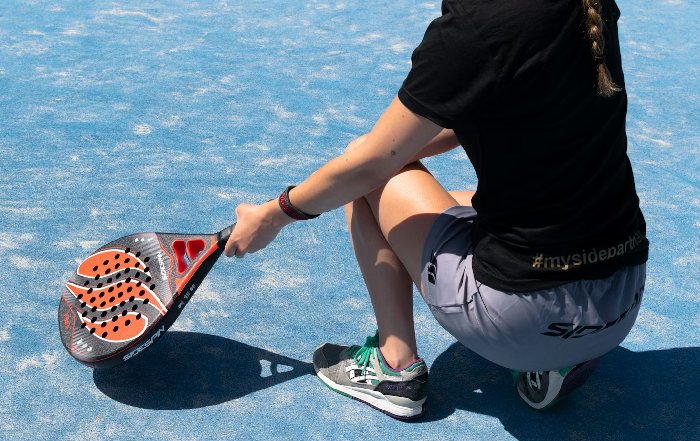
The Growing Popularity of Padel Tennis Across Europe
A New Racket Sport Reshaping the European Sporting Landscape
Padel tennis is going bananas :) it has evolved from a niche pastime into one of Europe's most dynamic and fastest-growing sports, cutting across borders, age groups and professional backgrounds, and creating a new ecosystem that blends fitness, lifestyle, technology and business in ways that resonate strongly with the audience of SportyFusion. Originating in Mexico in the late 1960s and long popular in Spain and parts of Latin America, padel has now become a visible feature of urban and suburban life from Stockholm to Seville and from London to Lisbon, supported by a rapidly expanding infrastructure of courts, clubs, brands and professional circuits that increasingly influence how Europeans think about sport, social connection and performance. As a hybrid of tennis and squash, played on an enclosed court with solid rackets and a strong emphasis on doubles play, padel offers a more accessible, social and inclusive experience than many traditional racket sports, and this combination of physical intensity and social engagement has become a key driver of its momentum across the continent.
Why Padel Resonates with Modern European Lifestyles
The rise of padel in Europe cannot be understood purely in terms of athletic performance or entertainment; it is deeply connected to broader lifestyle shifts that have accelerated since the pandemic years, as individuals and businesses have placed renewed emphasis on wellbeing, community and flexible leisure. Across major cities in the United Kingdom, Germany, France, Italy and the Nordic countries, workers in demanding knowledge-based roles are seeking activities that provide vigorous exercise without the steep learning curve or intimidation factor that sometimes accompanies traditional tennis or golf, and padel's relatively quick skill acquisition curve makes it particularly attractive to time-pressed professionals. Organizations such as the World Health Organization have continued to highlight the importance of regular physical activity for preventing non-communicable diseases; readers can explore current health recommendations through resources such as the WHO physical activity guidelines, which align well with the moderate-to-vigorous intensity that padel naturally delivers in a 60- to 90-minute session.
This alignment between health guidance and a sport that feels more like a social event than an obligation has made padel a natural topic for the SportyFusion community, where interests in fitness, lifestyle and social connection converge. In cities such as Madrid, Milan, Amsterdam and Copenhagen, corporate teams are booking weekly padel sessions as part of employee wellbeing programs, and this trend is mirrored in London, Berlin and Paris, where padel clubs are positioning themselves as modern "third places" that combine elements of a gym, a co-working space and a café. For many young professionals and entrepreneurs, the sport has become an informal networking platform, replacing the traditional business lunch or golf round with a more dynamic and inclusive environment that reflects contemporary values around work-life balance and gender equality.
The Business Ecosystem and Investment Surge Behind Padel
Behind the visible boom in courts and clubs lies a sophisticated and rapidly professionalizing business ecosystem that has attracted investors, real estate developers, technology providers and major sports brands. The European Padel Federation and national bodies such as the Lawn Tennis Association in the UK and the Deutscher Tennis Bund in Germany have developed frameworks to integrate padel into existing tennis infrastructures, creating synergies in facility management, coaching and tournament organization. Investors tracking the global sports market through sources like Deloitte's Sports Business Group and PwC's Sports Survey have identified padel as a high-growth segment, particularly in Europe where urbanization and changing leisure patterns favor compact, social sports that can be played year-round.
From the vantage point of SportyFusion, which closely follows developments in sports business and brands, the emergence of padel-specific chains and franchising models is particularly noteworthy. Companies are building networks of indoor and outdoor courts across Scandinavia, the Benelux region and Southern Europe, often in partnership with shopping centers, logistics parks and mixed-use developments. These partnerships allow landlords to convert underused spaces into revenue-generating social hubs, while operators benefit from high foot traffic and integrated food, beverage and retail offerings. Industry analysts tracking commercial real estate through platforms like JLL and CBRE have noted that experiential and wellness-oriented tenants, including padel operators, are increasingly central to post-pandemic retail strategies, underscoring the sport's role in reshaping how Europeans use physical space for both work and leisure.
Technology, Data and the Modern Padel Experience
The digital transformation of sport is another crucial factor in padel's ascent, and it aligns closely with the technology-oriented interests of the SportyFusion readership. Booking a padel court in Barcelona, Stockholm or London is now typically handled via mobile apps that integrate payments, match-making and performance tracking, mirroring the seamless digital experiences that consumers expect in other areas of their lives. Start-ups and established technology providers are deploying smart court systems with integrated cameras and sensors, enabling automated highlights, line calling and data analytics that were once reserved for elite tennis tournaments. Enthusiasts can learn more about broader trends in sports technology through resources such as MIT Sloan Sports Analytics and SportTechie, which regularly cover innovations in tracking, fan engagement and performance optimization.
For padel players across Europe, North America and Asia, this infusion of technology is turning casual play into a data-rich experience, where metrics like shot speed, movement patterns and tactical choices can be analyzed after a session, much like runners use wearable devices to track their training. This development resonates with the performance-driven mindset that SportyFusion explores in its coverage of training and performance, where athletes and enthusiasts alike seek evidence-based insights to improve their game. At the same time, advances in racket materials, court surfaces and footwear-often driven by research from major sports brands and universities-are making the sport more comfortable and injury-resistant, with organizations like the International Padel Federation collaborating with equipment manufacturers to establish standards that balance innovation with safety, echoing the broader push for responsible technology highlighted by institutions such as the European Commission's sport policy pages.
Health, Fitness and the Appeal of Accessible Performance
From a health and fitness perspective, padel sits at a compelling intersection of cardiovascular training, agility, coordination and social motivation, making it particularly attractive to individuals who may find traditional gym routines monotonous or intimidating. Sports science research, including studies accessible through the British Journal of Sports Medicine and PubMed, has increasingly emphasized the benefits of intermittent high-intensity activity interspersed with short rest periods, a pattern that padel naturally provides as rallies build and reset over the course of a match. Players in their 20s and 30s often treat padel as a primary fitness modality, while those in their 40s, 50s and beyond are discovering that the smaller court, the use of walls and the emphasis on tactical positioning make it less physically punishing than singles tennis, enabling sustained participation and progression over many years.
This multi-generational accessibility is particularly relevant in aging societies such as Germany, Italy, Spain and the Nordic countries, where policymakers and employers are increasingly focused on keeping populations active and healthy for longer. Public health agencies and corporate wellness programs often draw on resources like the OECD's health statistics to understand the economic impact of inactivity, and padel fits neatly into strategies that aim to reduce healthcare costs by promoting enjoyable, sustainable forms of exercise. Within the SportyFusion ecosystem, where readers regularly explore health and training content, padel is emerging not just as a recreational option but as a structured training platform; coaches are designing programs that integrate strength, mobility and tactical drills, while digital platforms provide personalized feedback that helps players at all levels manage load, avoid overuse injuries and track their progress over time.
Cultural Integration Across Regions and Demographics
The cultural story of padel's rise across Europe is as significant as its business and health dimensions, illustrating how a sport can bridge diverse societies while adapting to local preferences. In Spain, where padel has long been embedded in everyday life, clubs function as multi-generational meeting points where families, students and retirees share courts and social spaces, creating an atmosphere that blends competition with conviviality. This culture has been exported to countries like France, Italy and Portugal, where Mediterranean social norms naturally support late-evening matches followed by shared meals or drinks. In contrast, in Sweden, Norway, Denmark and Finland, padel has often been integrated into existing indoor sports facilities and fitness centers, aligning with a tradition of functional, weather-resilient infrastructure and a strong emphasis on organized, club-based activity.
In the United Kingdom, Ireland and parts of Central Europe, padel has been shaped by the legacy of tennis clubs and multi-sport centers, with many facilities converting underused tennis courts or adding padel courts as a way to attract younger and more diverse members. Cultural institutions and media outlets such as the BBC, which regularly covers emerging sports trends on its sport section, have played a role in introducing padel to mainstream audiences, while social media platforms amplify content from influencers and professional players across Europe, South America and the Middle East. For SportyFusion, which explores how sport intersects with culture and world events, padel offers a compelling case study in how a relatively young global sport can be localized in cities as different as London, Berlin, Zurich, Dubai and Singapore, yet still retain a recognizable identity rooted in doubles play, strategic use of walls and an emphasis on inclusive participation.
Sustainability, Urban Space and Environmental Considerations
As padel infrastructure continues to expand across Europe, North America, Asia and the Middle East, questions of sustainability and environmental impact have moved to the forefront of strategic planning for municipalities, developers and operators. Building and maintaining courts-particularly indoor facilities with artificial turf and lighting-has implications for energy consumption, materials use and land allocation, and stakeholders are increasingly expected to align with broader sustainability frameworks such as the United Nations Sustainable Development Goals, detailed on the UN SDG platform. Innovative operators are experimenting with solar-powered lighting, recyclable turf systems and modular court designs that can be assembled and disassembled with minimal environmental footprint, reflecting a growing commitment to responsible growth that resonates with readers interested in environmental issues and ethical business practices.
Urban planners and local authorities in cities like Amsterdam, Rotterdam, Munich and Copenhagen are also examining how padel courts can be integrated into broader strategies for active mobility and public space utilization, ensuring that facilities are accessible by public transport and connected to cycling and walking networks. Organizations such as C40 Cities, which shares best practices on sustainable urban development via its official site, highlight the importance of multi-functional, compact sports infrastructure in creating resilient, livable cities, and padel fits this agenda by offering high participation density per square meter. For SportyFusion, which frequently covers the intersection of business, ethics and sport, the key question is how operators and brands can grow the game without contributing to unnecessary resource consumption, and how transparent standards and certifications can help players and communities make informed choices about where and how they play.
Professionalization, Media Rights and the Global Sports Economy
While padel's grassroots and recreational dimensions remain central to its appeal, the sport's continued growth in Europe is increasingly intertwined with its professionalization and integration into the global sports economy. Professional circuits, including those supported by the International Padel Federation and commercial partners, have expanded their calendars across Europe, Latin America, the Middle East and Asia, drawing players from Spain, Argentina, Brazil, Sweden, Italy and beyond, and creating narratives that attract broadcasters, sponsors and fans. Media rights deals and streaming partnerships, often analyzed by organizations such as KPMG in its sports advisory insights, are beginning to shape how padel is consumed by audiences in Europe, North America and Asia, with digital-first platforms experimenting with interactive viewing, real-time statistics and betting integrations.
For business leaders and investors following sports industry trends through outlets like SportBusiness, the central question is whether padel can transition from a primarily participation-driven sport to one that also commands significant spectator interest and commercial value at the elite level. In countries such as Spain, Italy and Sweden, professional events already attract substantial crowds, and there is growing interest in cross-promotions with established sports like football, basketball and tennis, leveraging the reach of major clubs and leagues. Within the SportyFusion community, where sports and news coverage often focus on the intersection of performance, media and business, padel's trajectory offers a live case study in how new sports properties can position themselves in a crowded entertainment market, balancing authenticity and grassroots accessibility with the demands of sponsors, broadcasters and global audiences.
Jobs, Skills and New Career Pathways in the Padel Economy
The rapid expansion of padel across Europe has created not only new leisure opportunities but also a growing range of professional roles and career paths, from coaching and facility management to digital product development and brand marketing. Clubs in Germany, France, the UK, Netherlands, Switzerland and the Nordics are recruiting certified coaches, operations managers, event coordinators and community engagement specialists, while equipment manufacturers and apparel brands are hiring designers, product managers and sustainability experts to develop and market padel-specific lines. For readers of SportyFusion who monitor jobs and career trends, this emerging labor market illustrates how a single sport can catalyze employment across multiple domains, including hospitality, technology, media and logistics.
Educational providers and certification bodies are responding by creating specialized training programs, often drawing on best practices from tennis, squash and fitness instruction while incorporating the unique tactical and technical demands of padel. Prospective coaches and sports managers can explore broader frameworks for sports education and governance through organizations such as SportAccord, which shares resources on its official website, and through university-based sports management programs across Europe and North America. As the ecosystem matures, there is also growing demand for legal, financial and ethical expertise, including professionals who can navigate sponsorship contracts, data protection issues and safeguarding responsibilities, reflecting the increasingly complex interplay between sport, business and regulation that SportyFusion regularly covers in its business and ethics sections.
The Role of Brands and Consumer Culture in Shaping Padel's Future
Major global sports brands and emerging specialists have recognized padel's potential to shape consumer culture, particularly among younger, urban demographics in Europe, Latin America and parts of Asia. Companies traditionally associated with tennis, running and football are developing padel-specific rackets, footwear and apparel, often collaborating with professional players and influencers to co-create products that reflect the sport's distinctive blend of athleticism and style. Industry observers tracking brand strategy through platforms such as Harvard Business Review and McKinsey's sports and fashion insights note that padel offers a fresh canvas for storytelling around performance, sustainability and inclusivity, enabling brands to experiment with new materials, circular business models and gender-neutral designs.
For SportyFusion, which pays close attention to brands and their influence on lifestyle and culture, the key question is how these companies will balance commercial ambitions with authentic support for the communities that built padel from the ground up. Sponsorship of grassroots tournaments, investment in accessible public courts and transparent reporting on environmental and social impact will be critical in building long-term trust among players and fans. As consumers in Europe, North America, Asia and South America become more discerning about the ethics and sustainability of their purchases, brands that can demonstrate genuine alignment with the values of health, community and environmental responsibility-reinforced by independent benchmarks such as those discussed by the Global Reporting Initiative on its official site-are likely to command both loyalty and premium positioning in the evolving padel market.
What's Next for Padel's Place in the Global Sports and Lifestyle Landscape!
Now it is clear that padel is more than a passing trend in Europe; it has become almost a structural feature of the continent's sports, business and cultural landscape, with implications that extend far beyond the boundaries of the court. The sport's combination of accessibility, social engagement, health benefits and commercial potential aligns closely with the themes that define SportyFusion as a platform, from fitness and health to technology, business and social impact. As participation continues to grow in the United States, Canada, Brazil, South Africa, the Middle East, India, China, Japan, South Korea, Thailand, Malaysia, Singapore, Australia and New Zealand, Europe's experience offers valuable lessons in how to integrate padel into urban planning, corporate wellness, media ecosystems and sustainable development strategies.
For policymakers, investors, brands and players, the challenge over the coming years will be to sustain this growth while preserving the qualities that made padel attractive in the first place: its inclusivity, its community-building power and its capacity to deliver genuine physical and mental wellbeing. Thoughtful governance, responsible investment, transparent data practices and ongoing dialogue between stakeholders will be essential in ensuring that padel remains a force for positive change in cities and communities worldwide. As SportyFusion continues to track this evolution across its global sport and fitness news coverage, the story of padel will serve as a lens through which to examine broader transformations in how people live, work, move and connect-on and off the court-in an increasingly interconnected and performance-oriented world.