

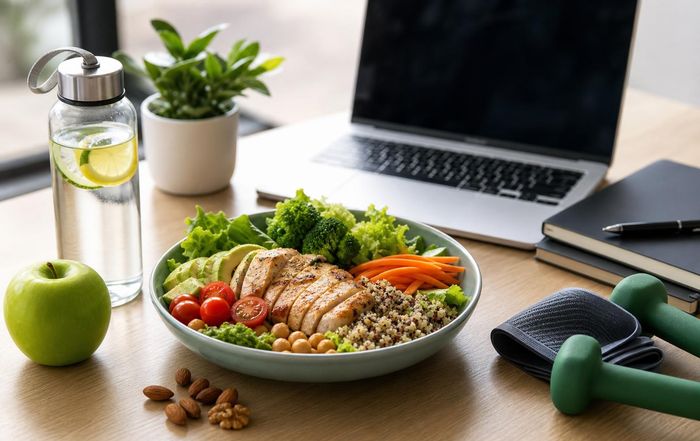
Healthy Eating Strategies for Active Professionals
The New Reality of the Active Professional
The definition of an "active professional" has expanded far beyond traditional athletes or fitness enthusiasts, encompassing entrepreneurs training for marathons, executives squeezing in early-morning strength sessions, software engineers tracking step counts between meetings, and hybrid workers balancing long commutes with evening league sports. Across North America, Europe, Asia and beyond, the convergence of demanding careers with ambitious physical goals has created a cohort that expects more from nutrition than ever before: sustained energy, cognitive clarity, physical performance, and long-term health, all delivered within the constraints of busy schedules and global lifestyles. For the community that turns to us for insight on sports and performance, fitness and training, and health and lifestyle, healthy eating is no longer a side topic; it is central to how they work, train, and live.
Scientific understanding of nutrition has accelerated, with organizations such as the World Health Organization and U.S. Department of Agriculture regularly updating evidence-based dietary guidance that emphasizes whole foods, plant-forward patterns, and moderation in ultra-processed products. At the same time, the food environment has grown more complex, with meal-delivery apps, workplace catering, functional beverages, and performance snacks competing for attention and wallet share. Active professionals in cities from New York to London, Singapore to Sydney, are inundated with claims about "brain food," "clean energy," and "metabolic hacks," making it increasingly difficult to distinguish between marketing and science. Against this backdrop, SportyFusion's readers are seeking a grounded, practical framework that blends performance nutrition, business reality, and cultural nuance into strategies that can be sustained across time zones, job roles, and training cycles.
Foundations of Performance-Oriented Nutrition
At the core of healthy eating for active professionals is a set of foundational principles that remain surprisingly stable despite trends and fads. Research summarized by institutions such as Harvard T.H. Chan School of Public Health underscores that dietary patterns emphasizing vegetables, fruits, whole grains, lean proteins, and healthy fats consistently support lower risk of chronic disease, better weight management, and improved metabolic health. For active individuals, these foundations also translate into more stable energy, improved recovery, and greater resilience to the physical and cognitive demands of modern work.
Carbohydrates, particularly from whole grains, legumes, fruits, and starchy vegetables, remain the primary fuel for high-intensity activity and brain function, despite the popularity of low-carbohydrate and ketogenic approaches in some performance circles. Proteins from sources such as fish, eggs, dairy, tofu, and legumes are essential not only for muscle repair and growth but also for immune function and satiety, a key consideration for professionals trying to avoid energy crashes and overeating during long workdays. Healthy fats from olive oil, nuts, seeds, and fatty fish provide sustained energy and support hormonal balance and brain health, with organizations like the American Heart Association highlighting the cardiovascular benefits of unsaturated fats compared with trans fats and excessive saturated fat intake.
Micronutrients and phytonutrients, often overlooked in simplified macronutrient debates, play a crucial role in supporting recovery, reducing inflammation, and protecting long-term health. Antioxidant-rich berries, leafy greens, colorful vegetables, herbs, and spices contribute to a dietary pattern that supports both performance and longevity, reinforcing the message that a "performance plate" is not fundamentally different from a "healthy plate," but rather calibrated in quantity and timing to match training and work demands. Readers who already follow SportyFusion's coverage of global health and wellness trends will recognize that these principles are being reinforced across regions, from Mediterranean-inspired diets in Europe to traditional plant-forward cuisines in Asia.
Timing, Structure, and Energy Management
For active professionals, what and how much they eat matters, but when they eat is equally critical. The interplay between work schedules, training times, and family obligations requires a deliberate approach to meal timing that stabilizes blood sugar, supports cognitive performance, and optimizes physical output. Research from organizations such as the National Institutes of Health has highlighted the importance of consistent eating patterns and the potential benefits of aligning food intake with circadian rhythms, particularly for those who regularly train early in the morning or late at night due to professional constraints.
A structured approach typically begins with a balanced breakfast that includes a combination of complex carbohydrates, protein, and healthy fat, such as oats with Greek yogurt and berries or whole-grain toast with eggs and avocado, which can help prevent mid-morning energy slumps and reduce impulsive snacking. For professionals who train before work, a light pre-workout snack-such as a banana or a small portion of yogurt-followed by a more substantial breakfast with protein and carbohydrates can support both performance and recovery. Midday meals, often eaten at a desk or between meetings, benefit from planning and intentionality, favoring options like grain bowls, salads with lean protein, or leftovers from home-cooked dinners rather than defaulting to high-sugar, high-fat convenience foods.
Evening nutrition strategies must account for both recovery and sleep quality, especially for those who train after work. Consuming a carbohydrate- and protein-rich meal within a couple of hours after exercise can enhance muscle repair and glycogen replenishment, while avoiding heavy, late-night, ultra-processed foods may improve sleep and next-day performance. Guidance from organizations such as the Sleep Foundation has emphasized the bidirectional relationship between diet and sleep, reinforcing that nutrition decisions extend beyond immediate performance to influence the broader recovery ecosystem. For SportyFusion's audience, who often follow fitness and performance content in tandem, integrating meal timing into training plans is increasingly seen as a non-negotiable element of a serious regimen.
Navigating the Modern Workplace Food Environment
The modern workplace, whether a corporate campus in California, a fintech hub in London, a co-working space in Berlin, or a hybrid home-office in Tokyo, has become a critical battleground for healthy eating. Office cafeterias, vending machines, client lunches, and after-work social events can either support or undermine the intentions of active professionals, making it essential to adopt strategies that are realistic, culturally sensitive, and adaptable across global contexts. In many large organizations, corporate wellness programs have evolved from simple gym subsidies to integrated nutrition initiatives, with companies partnering with providers referenced by platforms like SHRM to design healthier catering and educational campaigns.
Active professionals can benefit from applying a "default-first" mindset, where the easiest available option is also a reasonably healthy one. This might involve keeping a drawer stocked with nuts, fruit, and minimally processed protein snacks to avoid reliance on pastries or candy, choosing water or unsweetened tea over sugary beverages during long meetings, and prioritizing menu items that emphasize vegetables, whole grains, and lean proteins when dining with clients or colleagues. In regions such as the United States and United Kingdom, where portion sizes in restaurants can be substantial, strategies like sharing dishes, asking for dressings on the side, or immediately boxing half a meal can help maintain energy balance without appearing socially disengaged.
For remote and hybrid workers, the home environment becomes both an opportunity and a risk. Access to a kitchen allows for more control over ingredients and portions, but proximity to the refrigerator can also encourage mindless snacking, particularly when stress and digital fatigue are high. Resources from organizations such as the American Psychological Association have highlighted the links between stress, emotional eating, and productivity, underscoring the importance of structure: setting defined meal and snack times, preparing balanced lunches in advance even when working from home, and using short breaks for movement and hydration rather than repeated trips to the pantry. SportyFusion's readers, who often track the intersection of work, culture, and lifestyle, increasingly recognize that workplace nutrition is not just a personal health issue but a component of organizational performance and culture.
Global Perspectives and Cultural Adaptation
Because SportyFusion serves a global audience across Europe, Asia, North America, Africa, and South America, effective nutrition strategies must be adaptable to regional cuisines, food availability, and cultural norms. A performance-oriented diet in Italy will naturally look different from one in Japan or Brazil, yet the underlying principles of whole foods, balance, and moderation remain consistent. Institutions such as the Food and Agriculture Organization of the United Nations have emphasized the importance of leveraging traditional dietary patterns, many of which are inherently health-promoting, rather than forcing a one-size-fits-all model based on Western templates.
In Mediterranean countries such as Spain, Italy, and Greece, traditional diets rich in olive oil, vegetables, legumes, whole grains, and fish align closely with evidence-based recommendations for cardiovascular health and longevity, providing a strong foundation for active professionals to build performance nutrition around local staples. In East Asian contexts like Japan, South Korea, and Singapore, meals centered on rice, vegetables, fermented foods, and seafood can be optimized by moderating refined carbohydrate portions and balancing them with adequate protein and healthy fats. In rapidly urbanizing regions of Africa and South America, where ultra-processed foods are increasingly displacing traditional staples, professionals may need to make deliberate choices to preserve nutrient-dense elements of local cuisine while navigating modern retail and restaurant environments.
Cultural expectations around business dining and social drinking also play a significant role in shaping nutrition behavior. In cities such as London, New York, and Hong Kong, after-work drinks and late dinners are integral to networking, while in countries like Germany or Sweden, workplace coffee breaks may revolve around pastries and sweets. Resources from organizations such as Drinkaware and national health services provide practical guidance on moderating alcohol intake without undermining professional relationships, emphasizing strategies such as alternating alcoholic and non-alcoholic beverages, choosing lower-alcohol options, and setting personal limits aligned with training goals. SportyFusion's coverage of social and cultural dynamics often reflects these nuances, acknowledging that nutrition choices are embedded in broader social systems rather than made in isolation.
Integrating Technology and Data without Losing Perspective
The past few years have seen an explosion of nutrition-related technologies, from continuous glucose monitors and smart scales to AI-driven meal planning apps and workplace wellness platforms. For active professionals who already rely on wearables to track steps, heart rate, and sleep, it is tempting to extend this data-driven mindset to every bite of food. Platforms like MyFitnessPal and Cronometer have made detailed tracking more accessible, while research shared by organizations such as Stanford Medicine has begun to explore personalized nutrition approaches that use biomarkers and genetics to tailor dietary recommendations.
While these tools can offer valuable insights, particularly for individuals with specific performance goals or medical conditions, they also carry risks of overcomplication, anxiety, and unsustainable behavior. For a busy executive traveling between Frankfurt, Singapore, and New York, the cognitive load of logging every meal may outweigh the benefits, especially if it detracts from sleep, stress management, or consistent training. A more pragmatic approach for many SportyFusion readers is to use technology episodically-such as tracking intake for a few weeks to calibrate portion sizes or identify hidden sources of sugar and saturated fat-then transition to habit-based strategies supported by broad awareness rather than constant micro-monitoring.
Emerging AI tools can support meal planning by generating shopping lists and recipes aligned with dietary preferences and training schedules, while workplace platforms used by large employers in the United States, United Kingdom, and Australia can nudge employees toward healthier choices in cafeterias and vending machines. However, experts from institutions like Mayo Clinic continue to stress that the fundamentals of nutrition have not changed: an emphasis on minimally processed foods, balanced macronutrients, and appropriate portions remains more important than any algorithm. For SportyFusion, which covers technology and innovation in sport and health, the editorial stance is increasingly focused on helping readers use technology as an enabler rather than a master, reinforcing that data should serve human wellbeing and performance, not the other way around.
Sustainability, Ethics, and Brand Trust
Healthy eating strategies for active professionals in 2026 cannot be separated from the broader context of sustainability, ethics, and brand trust. Consumers in markets from Canada and the Netherlands to South Africa and Brazil are asking not only whether a product will improve their performance but also how it affects the environment, animal welfare, and social equity. Reports from organizations such as the EAT-Lancet Commission and United Nations Environment Programme have highlighted the environmental impact of current food systems, suggesting that shifts toward more plant-forward diets can reduce greenhouse gas emissions and resource use while supporting health.
For professionals who care about performance, this does not necessarily mean eliminating animal products entirely, but rather making deliberate choices about quality, sourcing, and frequency. Selecting sustainably sourced fish, moderate quantities of high-quality meat, and a greater proportion of plant-based proteins such as beans, lentils, tofu, and tempeh can align personal health goals with environmental responsibility. Many global brands now highlight certifications and sustainability claims, but discerning consumers increasingly look to independent organizations and investigative journalism, such as that from BBC Future or The Guardian, to validate these narratives and avoid greenwashing.
SportyFusion's readers, who often engage with its business, brands, and environment coverage, are particularly attuned to how companies in the sports, health, and food sectors position themselves on issues such as supply-chain transparency, labor practices, and nutritional integrity. Trust is built when brands align marketing with evidence-based formulations, avoid exaggerated performance claims, and demonstrate accountability in the face of new research, regulatory changes, or consumer feedback. In this sense, choosing what to eat becomes not only a personal performance decision but also a vote for the type of food system active professionals want to support.
Practical Frameworks for Different Professional Profiles
While the underlying principles of healthy eating are broadly applicable, the implementation for a traveling consultant, a remote software engineer, a frontline healthcare worker, and a semi-professional athlete with a day job will look quite different. In its role as a hub for sports, health, and lifestyle content, SportyFusion increasingly emphasizes frameworks that can be adapted to individual contexts rather than rigid prescriptions.
For frequent business travelers crossing time zones between the United States, Europe, and Asia, strategies may include prioritizing hydration and modest, balanced meals on long flights, using local breakfast and lunch options to anchor circadian rhythms, and carrying portable, nutrient-dense snacks to avoid reliance on airport fast food. Resources from organizations such as the Centers for Disease Control and Prevention provide additional guidance on food safety and hydration when traveling to regions with different standards or climates, which is particularly relevant for active professionals seeking to maintain training intensities while abroad.
For professionals with irregular schedules, such as healthcare workers, emergency responders, or those in the gig economy, flexible meal-prep systems and "modular" snacks that can be combined into full meals become critical. Guidance from the British Nutrition Foundation and similar organizations offers practical examples of portable, balanced options that can be consumed in short breaks without compromising nutritional quality. For desk-based workers in technology and finance, habit-based cues-such as pairing lunch with a short walk, setting reminders to drink water, or scheduling standing or walking meetings-can help counteract the metabolic and musculoskeletal risks of prolonged sitting, an issue frequently explored in fitness and training reporting.
For those pursuing ambitious athletic goals alongside demanding careers, such as training for triathlons, marathons, or competitive team sports, collaboration with qualified sports dietitians becomes increasingly valuable. Professional associations like the Academy of Nutrition and Dietetics and country-specific sports nutrition bodies provide directories of credentialed experts who can tailor macronutrient ratios, supplement strategies, and race-day fueling plans to individual needs and constraints. By integrating this specialized guidance with the broader lifestyle strategies discussed across SportyFusion's verticals, active professionals can build nutrition plans that support both peak performance and sustainable career progression.
Building a Personal, Top Nutrition Plan
Ultimately, healthy eating for active professionals in 2026 is less about adhering to a single "perfect" diet and more about building a personal, evidence-informed system that integrates individual goals, cultural context, ethical values, and professional realities. This system is grounded in consistent patterns rather than short-term fixes, emphasizes whole and minimally processed foods, respects the importance of timing and structure, and uses technology and data judiciously rather than obsessively. It recognizes that nutrition choices are influenced by workplace culture, travel demands, family responsibilities, and social expectations, and that resilience comes from flexibility as much as from discipline.
For the team here, the mission is to support this journey by curating trustworthy, globally relevant insights across news, health, sports, business, and culture, connecting readers to the best available knowledge while respecting their autonomy and lived experience. As organizations from the World Health Organization to national public health agencies continue to refine guidelines in response to emerging research, SportyFusion's role is to translate those developments into practical, actionable strategies that active professionals in New York, London, Berlin, Toronto, Sydney, Singapore, Johannesburg, São Paulo, and beyond can apply in their daily lives.
In the years ahead, as work patterns, sports technologies, and global food systems continue to evolve, the core challenge will remain the same: aligning what is known scientifically with what is possible practically, in a way that respects both human performance and planetary boundaries. For the active professional community that gathers around SportyFusion, healthy eating is not simply a matter of aesthetics or short-term gains; it is a long-term investment in energy, clarity, resilience, and impact, shaping not only how they perform on the field or in the gym, but also how they lead, create, and contribute in a rapidly changing world.