

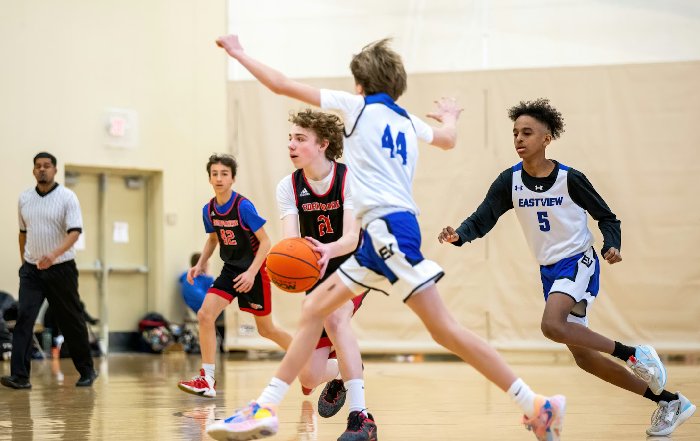
The Role of Mentorship in Developing Young Athletes
Mentorship as a Strategic Advantage in Modern Sport
As elite performance standards rise across professional and grassroots sport, mentorship has become one of the most decisive factors in whether a young athlete merely participates or truly progresses. For readers of SportyFusion, who follow developments across sports, training, health, and the wider business of performance, mentorship is no longer a soft, optional add-on to coaching; it is emerging as a structured, measurable, and strategically managed asset that shapes careers, protects wellbeing, and builds long-term value for clubs, brands, and sporting ecosystems worldwide. From youth academies in the United States and Europe to high-performance centers in Asia, Africa, and South America, mentorship now sits at the intersection of athlete development, mental health, technology, and commercial opportunity, and the organizations that understand how to design and govern effective mentoring systems are increasingly the ones setting the competitive pace.
From Informal Guidance to Structured Development Systems
Historically, mentorship in sport tended to be informal, arising from organic relationships between senior and junior athletes or between coaches and promising talents, and while these relationships often proved transformative, they were also inconsistent, dependent on personality, proximity, and chance. Over the last decade, however, professional clubs, federations, and national governing bodies have begun to embed mentorship into formal development pathways, drawing on research from institutions such as Harvard University and the American Psychological Association, which has shown that structured mentoring programs enhance motivation, resilience, and long-term engagement in youth populations across disciplines. As performance environments have become more data-driven, mentorship has evolved from a loosely defined "supportive relationship" into a deliberate framework with clear objectives, role definitions, feedback loops, and ethical safeguards, and this shift is particularly visible in elite youth academies in football, basketball, tennis, and Olympic sports, where mentorship is now treated as a core performance variable alongside physical conditioning and technical skill acquisition.
At the same time, the professionalization of youth sport in markets such as the United States, the United Kingdom, Germany, and Australia has raised the stakes; early specialization, intense competition for scholarships, and commercial pressures from sponsorship and media coverage have all increased the psychological load on athletes aged 12-18. Organizations like the NCAA and UK Sport have responded by promoting structured mentoring schemes and by publishing best-practice guidelines through platforms such as Learn more about youth mental health and sport. In this context, mentorship is no longer a peripheral benefit but a risk-management tool and a talent-retention strategy, particularly for clubs and programs that want to reduce dropout rates and ensure that promising athletes from diverse backgrounds can progress safely and sustainably.
Experience and Expertise: What Effective Mentors Actually Provide
For young athletes, the most visible value of mentorship lies in access to the lived experience and expertise of someone who has already navigated the path they aspire to follow, and this experiential knowledge covers much more than tactical or technical insights; it includes the nuanced understanding of how to handle selection setbacks, long-term injuries, transitions between age groups, and the complex social dynamics of teams and locker rooms. Studies summarized by the International Olympic Committee indicate that athletes who receive consistent guidance on coping strategies demonstrate better emotional regulation and improved performance under pressure, an advantage that is especially relevant in high-stakes environments such as Olympic qualification events or professional draft combines. Resources such as the IOC's athlete learning portal highlight how structured learning and mentorship can complement traditional coaching to build holistic competencies.
Mentors also provide concrete expertise in managing training loads, recovery, and lifestyle habits, translating sports science into practical routines that a teenager in Canada, South Africa, or Brazil can realistically sustain while balancing school and family obligations. As sports science knowledge expands through organizations like the Gatorade Sports Science Institute and EXOS, mentors increasingly act as interpreters and filters, helping young athletes understand which protocols are essential and which trends are transient. This is particularly important in a digital environment where social media and influencer culture can overwhelm athletes with conflicting advice; credible mentors can anchor decision-making in evidence-based practice, echoing the kind of guidance available in SportyFusion's performance coverage, where training insights are contextualized rather than sensationalized.
Building Authoritativeness and Trust in the Mentoring Relationship
For mentorship to be effective, the mentor must be perceived as both authoritative and trustworthy, and in sport this authority typically derives from a combination of performance history, professional credentials, and demonstrated integrity. Former elite athletes who have competed at World Championships or Olympics, coaches with recognized certifications from bodies such as UEFA, World Athletics, or USA Basketball, and sports psychologists accredited by organizations like the British Psychological Society or the American Psychological Association all bring a formal credibility that reassures young athletes and their families. Authoritativeness, however, is not only about titles; it also depends on the mentor's ability to communicate complex ideas clearly, to admit uncertainty when appropriate, and to update their guidance in line with new evidence, mirroring the kind of transparent, evolving expertise that readers expect from platforms like SportyFusion's technology section when it covers innovations in wearables, data analytics, or recovery tools.
Trust, meanwhile, is constructed through consistent behavior over time; mentors who respect confidentiality, avoid conflicts of interest, and prioritize the athlete's long-term wellbeing over short-term results build relationships that can sustain the inevitable fluctuations in form and confidence. In regions like Europe, North America, and Asia, increased public scrutiny around safeguarding and athlete welfare has pushed clubs and federations to formalize codes of conduct and reporting mechanisms, drawing on guidance from organizations such as SafeSport in the United States and the Child Protection in Sport Unit in the United Kingdom, which outline how to create safe mentoring environments and how to respond to concerns appropriately. For families evaluating academies or clubs in countries from Germany and France to Japan and New Zealand, the presence of clear mentoring policies and transparent oversight is increasingly seen as a key indicator of institutional quality and culture, much like the way investors gauge governance in corporate settings.
Mentorship, Mental Health, and the Human Side of High Performance
The mental health dimension of mentorship has gained unprecedented visibility since the early 2020s, with high-profile athletes from Simone Biles to Naomi Osaka openly discussing the psychological pressures of elite sport, and their candor has accelerated a shift in how federations, leagues, and sponsors perceive athlete wellbeing, moving from a reactive, stigma-laden approach to a more proactive and integrated model. Organizations like the World Health Organization have emphasized the importance of early support systems for adolescents, and in sport this often translates into mentors being trained to recognize early signs of burnout, anxiety, disordered eating, or depression and to guide athletes towards professional help when needed. Resources such as Learn more about mental health in youth populations underline the global relevance of this issue across continents.
For young athletes balancing academic expectations, social media scrutiny, and the demands of high-level training, a trusted mentor can function as an anchor, offering perspective during selection disappointments, injuries, or periods of self-doubt. This is particularly important in talent-dense markets like the United States, the United Kingdom, Germany, and South Korea, where the competition for collegiate scholarships or professional contracts can create a zero-sum mentality that erodes intrinsic motivation and enjoyment. By helping athletes reconnect with their original love of the game, reframe setbacks as part of a longer journey, and develop non-sport identities and interests, mentors contribute directly to psychological resilience and to a healthier performance culture, aligning with the broader themes covered in SportyFusion's lifestyle reporting, which often highlights balance, identity, and longevity in sport.
Cultural Contexts and Global Variations in Mentoring Models
While the core principles of effective mentorship-empathy, expertise, ethical conduct, and consistent support-are broadly universal, their expression varies significantly across cultural and regional contexts, and any global analysis of mentorship in youth sport must account for these differences. In North America and parts of Western Europe, mentorship programs often emphasize individual agency, career planning, and open dialogue, reflecting broader cultural norms around self-advocacy and personal branding; in these environments, structured one-to-one mentoring, career workshops, and networking sessions with alumni are common, particularly in collegiate and academy settings. Platforms like LinkedIn have become tools not only for business professionals but also for athletes in the United States, Canada, and the United Kingdom who are learning to manage dual careers and post-sport transitions.
In contrast, in countries like Japan, South Korea, and China, mentorship is frequently embedded in more hierarchical systems, where senior athletes and coaches hold significant authority and where respect for tradition and collective goals may shape communication styles and expectations. While these systems can provide strong role models and a sense of belonging, they also require careful governance to prevent abuses of power and to ensure that young athletes feel safe raising concerns; organizations such as Japan Sport Council and Korea Sports Promotion Foundation have increasingly emphasized safeguarding and education in this area. In emerging sports markets across Africa, South America, and Southeast Asia, mentorship often intersects with broader social mobility narratives, as talented young athletes from under-resourced communities look to mentors for guidance not only in sport but also in navigating education, employment, and international migration, a dynamic that resonates with the cross-cutting themes explored in SportyFusion's world coverage.
Technology-Enabled Mentorship: Platforms, Data, and Virtual Access
By 2026, digital technology has reshaped how mentorship is delivered and scaled, enabling young athletes from remote or underserved regions to access guidance from expert mentors across borders and time zones. Video conferencing tools, specialized coaching platforms, and secure messaging apps now facilitate regular check-ins, tactical reviews, and wellbeing conversations between mentors and mentees who may never share the same physical training environment. Organizations such as CoachUp, Hudl, and Zoom have become part of the digital infrastructure supporting this new mentoring landscape, while federations and clubs invest in custom platforms that integrate athlete data, communication logs, and educational resources. For readers who follow SportyFusion's technology and gaming coverage, the convergence of performance analytics, virtual reality training, and mentoring presents both opportunities and ethical questions.
Data analytics, in particular, has added a new dimension to mentoring; mentors can now track training loads, sleep patterns, and performance metrics through wearable devices and athlete management systems, allowing them to provide more precise feedback and to spot early warning signs of overtraining or decline in wellbeing. Organizations like FIFA, NBA, and World Rugby have partnered with technology companies to develop youth development dashboards that mentors and coaches can use to monitor progress over multi-year cycles. However, this data-rich environment also raises issues of privacy, consent, and data ownership, especially when dealing with minors, and responsible mentors must align their practices with evolving data protection regulations in regions such as the European Union, where the General Data Protection Regulation sets stringent standards, and in countries like Brazil and South Africa, which have introduced their own frameworks. Thoughtful use of technology can amplify the reach and impact of mentorship, but it also demands the kind of ethical literacy explored in SportyFusion's ethics section, where the implications of data and power imbalances in sport are examined in depth.
Business, Brands, and the Commercial Value of Mentored Talent
From a business perspective, mentorship is increasingly recognized as a driver of both performance outcomes and brand equity, and this is particularly visible in the strategies of global sports organizations and sponsors that operate across the United States, Europe, Asia, and beyond. Clubs such as FC Barcelona, Bayern Munich, and Ajax have long been celebrated for their youth academies, but in recent years they have also highlighted their mentoring structures as part of their talent development narratives, emphasizing how senior players and alumni contribute to shaping the next generation. For corporate sponsors and sportswear brands like Nike, Adidas, and Puma, associating with programs that prioritize holistic development and ethical mentoring offers reputational benefits and aligns with broader environmental, social, and governance (ESG) commitments; investors increasingly scrutinize how sports properties manage human capital and safeguarding, much as they assess how companies Learn more about sustainable business practices.
In parallel, athlete representation agencies and player unions, including organizations such as FIFPRO and the National Basketball Players Association, have expanded mentoring initiatives to support young professionals in managing contracts, media obligations, and financial planning. These programs often connect rookies with veteran players who can share candid insights about career risks and opportunities, complementing the formal legal and financial advice provided by professionals. For readers interested in the intersection of sport, careers, and the labor market, mentorship is increasingly part of the broader conversation about jobs and opportunities in the sports industry, where career longevity and post-retirement planning are now seen as integral components of responsible athlete development.
Ethics, Power, and Safeguarding in Mentoring Relationships
The expansion of mentorship in youth sport also brings heightened ethical responsibilities, as the mentor-mentee relationship inherently involves power imbalances and emotional vulnerability. High-profile abuse scandals in gymnastics, football, and other sports over the past decade have underscored the potential for harm when oversight mechanisms are weak and when boundaries are poorly defined. Organizations such as UNICEF, the Centre for Sport and Human Rights, and national safeguarding bodies have developed guidelines and training modules to help clubs and federations build safe mentoring environments, emphasizing clear codes of conduct, transparent communication channels, and accessible reporting procedures. These frameworks encourage mentors to maintain professional boundaries, avoid dual relationships that could compromise objectivity, and prioritize informed consent, particularly when dealing with minors and their families.
For platforms like SportyFusion, which cover the ethical dimensions of sport through dedicated ethics and social reporting, the scrutiny of mentoring practices is part of a broader shift towards accountability and athlete-centered governance. Readers in the United States, Europe, Asia, Africa, and South America are increasingly aware that the quality of mentorship is not only a question of performance optimization but also a matter of human rights and child protection. As a result, stakeholders-from parents and educators to sponsors and regulators-are asking more detailed questions about how mentors are selected, trained, supervised, and evaluated, and how organizations ensure that mentees have safe avenues to voice concerns without fear of retaliation.
How SportyFusion's Audience Can Engage with and Shape Mentorship
For the global audience of SportyFusion, which spans fitness enthusiasts, coaches, executives, technologists, and young athletes themselves, mentorship represents both an opportunity and a responsibility. Parents and guardians in countries ranging from the United States and Canada to Sweden, Singapore, and South Africa can play an active role in assessing the mentoring culture of clubs and academies, asking about mentor qualifications, safeguarding policies, and how mental health support is integrated into development plans. Coaches and program directors can look to international best practices, drawing on resources from organizations such as the International Council for Coaching Excellence and the European Coaching Council, while also adapting models to local cultural contexts and resource constraints. For those working in the business side of sport, from brand managers to HR leaders, mentorship can be seen as part of a broader talent and culture strategy, aligning with the kind of insights regularly explored in SportyFusion's business section.
Young athletes and emerging professionals, meanwhile, can take a proactive stance by seeking out mentors who align with their values, by diversifying their mentoring networks to include not only coaches and senior athletes but also specialists in nutrition, psychology, technology, and career planning, and by recognizing that strong mentorship is as much about asking thoughtful questions as it is about receiving answers. Platforms like SportyFusion's fitness hub and health coverage can serve as starting points for understanding the physical and psychological dimensions of development, while the main SportyFusion homepage offers a curated view of how mentorship intersects with culture, environment, performance, and innovation across different regions and sports.
Moving Ahead: Mentorship as the Backbone of Sustainable Sporting Success
As the sports industry continues to globalize and professionalize through 2026 and beyond, mentorship is poised to become an even more central pillar of sustainable success, both for individual athletes and for the organizations that support them. In a world where performance margins are razor-thin, where data and technology are widely accessible, and where public expectations around ethics and wellbeing are rising, the differentiating factor is increasingly the quality of human relationships and the depth of guidance available to young talents navigating complex pathways. Effective mentorship weaves together experience, expertise, authoritativeness, and trustworthiness into a coherent support structure that can withstand pressure, adapt to change, and prioritize long-term human development over short-term exploitation.
For the global community that engages with SportyFusion, mentorship offers a lens through which to understand not only how champions are made but also how sport can contribute to healthier societies, more responsible business practices, and more inclusive opportunities across continents. Whether in a football academy in Spain, a swimming club in Australia, a basketball program in the United States, or a running collective in Kenya, the presence of thoughtful, well-supported mentors often marks the difference between potential that fades and potential that flourishes. As readers follow the evolving stories of athletes, brands, and organizations across news, culture, and performance, the role of mentorship will remain a recurring and defining theme, shaping not only who wins on the field but also how sport itself evolves as a global force for development and connection.