

The Expanding Market for Wellness Technology
Wellness Technology Moves From Niche to Necessity
Wellness technology has shifted decisively from a niche lifestyle accessory to a core pillar of how individuals, businesses and entire societies think about performance, health and culture. What began as simple step counters and calorie-tracking apps has evolved into an integrated ecosystem of connected devices, AI-driven platforms and personalized services that influence how people train, recover, work, travel and even sleep. For the sports news, media fans coming here daily whose interests span sports, fitness, health, culture, business and technology, this transformation is not merely a trend; it is a structural change in how value is created in the modern economy and how people define a high-performance, sustainable lifestyle.
The expansion of wellness technology is being propelled by converging forces: demographic shifts toward aging populations in regions such as Europe, North America and parts of Asia, rising healthcare costs that encourage prevention over treatment, accelerating innovation in sensors, data analytics and artificial intelligence, and a cultural reorientation toward holistic wellbeing that blends physical fitness, mental health, social connection and environmental responsibility. As organizations from Apple and Google to Nike, Adidas, Garmin, Samsung, WHOOP and Peloton refine their offerings, and as new entrants emerge from hubs such as the United States, United Kingdom, Germany, China, South Korea, Japan and the Nordics, the wellness technology market is becoming both broader and deeper, touching elite athletes and casual exercisers, corporate employees and remote freelancers, urban professionals and rural communities alike.
Readers who follow the evolving intersections of sport, performance and technology on SportyFusion Sports and SportyFusion Fitness are seeing this shift first-hand, as devices and platforms once associated only with professional teams now appear in gyms, workplaces and homes around the world. The result is a marketplace defined by high expectations for accuracy, personalization, privacy and ethical use of data, along with a rising demand for solutions that are inclusive, accessible and respectful of cultural differences across regions from North America and Europe to Asia, Africa and South America.
From Step Counters to Intelligent Health Companions
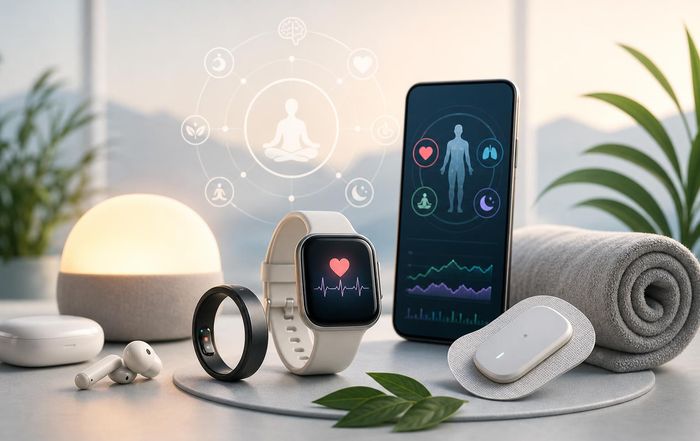
The earliest wave of consumer wellness technology focused on simple metrics such as steps, calories and basic heart rate, but by 2026 the leading wearables and connected devices have evolved into sophisticated health companions capable of continuous monitoring, predictive insights and proactive guidance. Smartwatches from Apple, Samsung and Garmin, rings such as those from Oura, and bands from WHOOP and Fitbit integrate optical heart-rate sensors, accelerometers, gyroscopes, skin temperature sensors, blood oxygen monitoring and, increasingly, advanced algorithms that infer recovery status, stress levels and sleep quality. These devices are no longer merely tracking what has happened; they are shaping what users decide to do next.
The shift toward intelligent health companions is reinforced by the growing integration between consumer devices and healthcare systems. Platforms such as Apple Health, Google Fit and Samsung Health now interface with telemedicine providers, electronic health record systems and remote patient monitoring solutions, enabling more continuous and data-informed care pathways. Organizations like the World Health Organization provide frameworks on digital health and mobile health strategies that guide policymakers and companies as they scale these solutions across diverse healthcare environments; readers can explore global perspectives on digital health through resources such as the World Health Organization digital health initiatives. As a result, the boundary between wellness and medical technology is blurring, particularly in areas like cardiovascular risk detection, sleep apnea screening and early identification of metabolic issues.
For the audience of SportyFusion Health, this evolution means that wellness devices increasingly support evidence-informed decisions about training loads, recovery periods and lifestyle choices. In high-performance contexts, coaches and sports scientists rely on metrics such as heart rate variability, sleep staging and load management to protect athletes from overtraining and injury, while recreational users benefit from more accessible guidance that aligns with recommendations from organizations like the American College of Sports Medicine, whose resources on exercise prescription and physical activity are influencing app-based coaching algorithms. As data quality improves and AI models become more sophisticated, the expectation is that wellness technology will move further into predictive and preventive territory, identifying subtle patterns that suggest when to push harder, when to rest and when to seek professional care.
Performance, Recovery and the Athlete of the Future
In elite sport, wellness technology has become a competitive differentiator. Teams in the NBA, Premier League, Bundesliga, La Liga, Serie A, the NFL, NHL and global competitions such as the Olympic Games rely on integrated performance ecosystems that combine GPS tracking, inertial sensors, force plates, video analytics and biometric monitoring to optimize training, tactics and recovery. Platforms from companies like Catapult Sports, STATSports, Hawk-Eye Innovations and Kinduct provide coaches and analysts with granular insights into player workloads, movement patterns and injury risk, while recovery technologies such as pneumatic compression, cryotherapy, red-light therapy and neuromuscular stimulation are guided by data rather than intuition.
What is striking in 2026 is how rapidly these high-end concepts filter down into consumer and prosumer markets. Fitness enthusiasts now use training apps that incorporate periodization principles, readiness scores and individualized recovery recommendations that mirror the methodologies used by professional strength and conditioning coaches. Wearables integrate with platforms such as Strava, TrainingPeaks and Zwift, bringing structured coaching and community competition into living rooms, garages and local gyms from New York and London to Berlin, Sydney, Tokyo and São Paulo. Readers interested in how performance science translates to everyday training can explore perspectives on SportyFusion Performance, where the conversation increasingly centers on how to apply elite-level insights in accessible, sustainable ways.
The athlete of the future, whether competing on global stages or balancing sport with a demanding career, expects technology to deliver not just data but context and meaning. This expectation is driving a new generation of platforms that combine physiological metrics with psychological and behavioral insights, incorporating mood tracking, cognitive performance assessments and even biometric feedback during esports and gaming sessions. Organizations such as the International Olympic Committee and national institutes of sport in countries like Australia, the United Kingdom and Norway publish research on athlete wellbeing and mental health, and resources from bodies such as the International Olympic Committee medical and scientific department inform how technology providers design holistic performance solutions that address both physical and mental dimensions of high performance.
Corporate Wellness, Hybrid Work and the Business Case
As work patterns continue to evolve in the wake of hybrid and remote models, corporate wellness has become a central arena for the expansion of wellness technology. Employers in the United States, Canada, the United Kingdom, Germany, the Netherlands, Singapore and beyond now see investments in digital wellness platforms, mental health apps and ergonomic tools as strategic levers for productivity, retention and employer branding. Solutions from companies such as Virgin Pulse, Headspace, Calm, Gympass and Wellable are integrated into HR and benefits systems, providing employees with personalized programs that combine physical activity challenges, mindfulness sessions, sleep coaching and nutrition education.
The business case for corporate wellness is supported by research from organizations like the World Economic Forum, which highlights the economic impact of mental health and chronic disease on productivity, and the OECD, whose analyses of health systems underscore the importance of prevention and early intervention; readers can learn more about workplace wellbeing and productivity through World Economic Forum insights. For global companies operating across regions from North America and Europe to Asia-Pacific and Africa, the challenge is to harmonize wellness offerings while respecting local norms, regulatory frameworks and cultural attitudes toward mental health, physical activity and work-life balance.
For the business-focused audience of SportyFusion Business, the key question is shifting from whether to invest in wellness technology to how to measure return on investment and ensure ethical, inclusive implementation. Metrics increasingly include not only participation rates and self-reported wellbeing scores but also correlations with absenteeism, presenteeism, employee engagement and talent attraction. In knowledge-intensive sectors such as technology, finance, professional services and creative industries, wellness technology is becoming an element of the broader value proposition to employees, aligning with flexible work policies, learning and development opportunities and diversity, equity and inclusion strategies.
Regional Dynamics: A Global Yet Fragmented Market
Although the wellness technology market is global in scope, regional dynamics significantly influence adoption patterns, business models and regulatory considerations. In North America, particularly the United States and Canada, consumer adoption of wearables and fitness apps remains high, and venture capital funding continues to support startups working on AI-driven coaching, metabolic health, women's health, behavioral change and personalized nutrition. In Europe, markets such as the United Kingdom, Germany, France, Italy, Spain, the Netherlands, Sweden, Norway, Denmark, Finland and Switzerland are characterized by strong interest in preventive health and outdoor sports, combined with robust data protection regulations such as the GDPR, which shape how companies manage and monetize health-related data.
In Asia, the landscape is both dynamic and diverse. China's large-scale platforms, including Huawei, Xiaomi and Tencent, integrate wellness features into broader ecosystems that span messaging, payments and entertainment, while South Korea and Japan leverage advanced sensor technologies and robotics in eldercare and rehabilitation. Singapore positions itself as a testbed for digital health and smart city initiatives, with government-backed programs that encourage citizens to adopt fitness trackers and participate in national health challenges, and countries such as Thailand and Malaysia see wellness tourism and digital health solutions as complementary growth areas. Resources from agencies like Singapore's Health Promotion Board illustrate how public policy can catalyze adoption of wellness technology at scale.
In emerging markets across Africa and South America, including South Africa, Brazil and others, mobile-first wellness solutions are gaining traction, particularly where smartphone penetration is high but access to traditional healthcare infrastructure is uneven. Here, low-cost wearables, SMS-based coaching and community-oriented platforms address local needs such as chronic disease management, maternal health and youth sports development. For readers following global trends on SportyFusion World, these regional differences highlight that while the underlying technologies may be similar, successful wellness technology strategies depend on deep understanding of local cultures, languages, regulatory environments and economic realities.
Data, Privacy and the Ethics of Constant Monitoring
As wellness technology becomes more pervasive and more intimately connected to users' bodies and daily lives, questions of privacy, security and ethics move from the margins to the center of strategic decision-making. Continuous monitoring of heart rate, sleep, movement, stress and location generates highly sensitive datasets that, if misused or breached, can cause significant harm. Regulatory bodies in the European Union, the United States, the United Kingdom and other jurisdictions are refining rules that govern the collection, storage and use of health-related data, while standards organizations and industry alliances work on interoperability and security frameworks.
For companies operating in this space, trust is now a core competitive asset. Transparent privacy policies, robust encryption, clear opt-in mechanisms and user control over data sharing are no longer optional; they are prerequisites for participation in mature markets. Guidance from institutions such as the European Data Protection Board, the U.S. Federal Trade Commission and national data protection authorities informs best practice, and resources like the U.S. National Institute of Standards and Technology cybersecurity framework help organizations build resilient architectures. At the same time, ethical considerations extend beyond compliance, touching on questions such as algorithmic bias, the psychological impact of constant self-quantification and the risk of exacerbating inequalities between those who can afford advanced technologies and those who cannot.
The editorial perspective at SportyFusion Ethics emphasizes that responsible wellness technology requires multi-stakeholder engagement: technologists, healthcare professionals, ethicists, policymakers, athletes, employees and consumers must all have a voice in shaping norms and guardrails. This is particularly important in contexts such as workplace wellness, insurance-linked incentives and youth sports, where power imbalances and long-term consequences demand heightened scrutiny. As AI models become more capable of inferring sensitive attributes and predicting health outcomes, the imperative for explainability, accountability and user consent will only grow stronger.
Technology, Culture and the Redefinition of Lifestyle
Beyond performance metrics and corporate strategies, wellness technology is reshaping culture and lifestyle in subtle but profound ways. Social platforms and communities built around fitness challenges, mindfulness streaks and sleep improvement programs influence how people in cities from New York and Toronto to London, Berlin, Paris, Milan, Barcelona, Amsterdam, Stockholm, Oslo, Copenhagen, Zurich, Tokyo, Seoul, Bangkok, Singapore, Sydney, Melbourne, Johannesburg, São Paulo and Auckland structure their days and define success. Digital badges, leaderboards and virtual events blend aspects of sport, gaming and social networking, creating new forms of identity and belonging.
Streaming platforms and connected equipment from companies such as Peloton, Tonal, Mirror (by Lululemon), Hydrow and Echelon have transformed living rooms and garages into interactive studios, while virtual reality and mixed reality experiences enable immersive training sessions, guided meditations and rehabilitation programs that respond to users' movements and biometrics in real time. Resources from organizations like Meta, Sony and HTC showcase how VR and AR ecosystems increasingly incorporate wellness applications, and readers curious about the intersection of gaming and wellbeing can explore perspectives on SportyFusion Gaming, where the line between traditional sport and digital competition continues to blur.
At the same time, cultural narratives around wellness are evolving. There is growing recognition that sustainable wellbeing is not solely about optimization and productivity but also about rest, connection, purpose and environmental responsibility. Media and thought leaders emphasize balance over burnout, and initiatives from organizations such as the Global Wellness Institute, which explores topics from mental resilience to regenerative tourism, help shift the conversation from individual performance to collective flourishing; those interested can learn more about global wellness trends. For SportyFusion.com, this cultural evolution underscores the importance of covering wellness technology not just as a set of gadgets and apps but as a lens on how societies imagine a good life in an era of rapid change.
Sustainability, Environment and the Hidden Footprint of Wellness Tech
As wellness technology becomes ubiquitous, its environmental footprint attracts increasing scrutiny from consumers, regulators and investors. The production of wearables, connected equipment and data center infrastructure consumes energy and resources, and the rapid upgrade cycles common in consumer electronics raise concerns about e-waste and circularity. Companies in the sector now face pressure to design longer-lasting devices, improve repairability, use recycled materials and implement take-back and recycling programs, aligning with broader corporate commitments to environmental, social and governance (ESG) goals.
Organizations such as the Ellen MacArthur Foundation advocate for circular economy principles that encourage product-as-a-service models, modular design and resource-efficient supply chains, and businesses can learn more about sustainable business practices that apply directly to wellness technology. For the sustainability-focused audience of SportyFusion Environment, the critical question is how to reconcile the undeniable benefits of wellness technology with the environmental costs of hardware production and cloud-based data processing. This tension is particularly salient in regions with ambitious climate goals, such as the European Union, the United Kingdom and countries like Sweden, Norway and Denmark, where consumers increasingly expect alignment between personal wellbeing and planetary health.
Forward-looking companies are responding by publishing lifecycle assessments, committing to renewable energy for data centers, and experimenting with low-power designs and localized data processing that reduce energy consumption. Investors, including large asset managers and sovereign wealth funds, are integrating sustainability criteria into their evaluations of wellness and digital health companies, influenced by frameworks from organizations like the UN Principles for Responsible Investment and the Sustainability Accounting Standards Board. As regulatory regimes tighten and consumer awareness grows, environmental performance is likely to become a key differentiator in the wellness technology market.
Skills, Jobs and the Evolving Talent Landscape
The expansion of wellness technology is not only reshaping consumer experiences and corporate strategies; it is also transforming the job market and the skills required across industries. New roles emerge at the intersection of sports science, data analytics, software engineering, behavioral psychology and user experience design, as companies seek professionals capable of translating complex physiological data into simple, engaging and ethically responsible user journeys. Positions such as digital health product manager, applied sports data scientist, remote health coach, wellness content strategist and AI personalization engineer are becoming more common across startups, established technology companies, healthcare providers, sports organizations and corporate wellness vendors.
Educational institutions and professional bodies are responding with interdisciplinary programs that combine exercise science, computer science, business and ethics, while online learning platforms and industry associations offer micro-credentials and continuing education focused on digital health and wellness innovation. For readers exploring career paths and workforce trends on SportyFusion Jobs, the message is clear: expertise in wellness technology is no longer confined to a narrow set of specialists; it is becoming a valuable asset for professionals in marketing, HR, operations, coaching, consulting and entrepreneurship across regions from the United States and Canada to Europe, Asia-Pacific, Africa and South America.
The talent landscape also reflects a growing emphasis on lived experience and cultural competency. Companies developing wellness solutions for diverse populations increasingly value teams that reflect the demographics and cultures of their user bases, recognizing that effective engagement with communities in Brazil, South Africa, India, China or the Middle East requires nuanced understanding of local norms, languages and health beliefs. This emphasis aligns with broader movements toward diversity, equity and inclusion, positioning wellness technology as both a beneficiary and a driver of more inclusive approaches to innovation.
The Strategic Role of SportyFusion.com in a Rapidly Evolving Ecosystem
Within this expansive and fast-moving landscape, SportyFusion.com occupies a distinctive position as a platform that integrates sports, fitness, health, culture, technology, business and ethics into a coherent narrative about performance and wellbeing. By curating insights typically, every day across domains such as SportyFusion Culture, SportyFusion Technology, SportyFusion Lifestyle and SportyFusion Training, the site provides its global audience with context that is often missing from product-centric discussions of wellness technology.
As the market matures, readers look to SportyFusion.com not only for news about device launches, funding rounds and regulatory developments, which are tracked on SportyFusion News, but also for deeper analysis that connects these events to broader shifts in how individuals and organizations pursue high performance and sustainable wellbeing. The platform's commitment to experience, expertise, authoritativeness and trustworthiness means that coverage of wellness technology is grounded in evidence, informed by practitioner perspectives and attentive to ethical, cultural and environmental dimensions.
Looking ahead, the expanding market for wellness technology in 2026 and beyond will likely be defined by integration rather than fragmentation, with ecosystems that connect wearables, home equipment, healthcare providers, employers, insurers, sports organizations and communities in ways that are seamless for users but complex behind the scenes. In this environment, trusted intermediaries that can interpret, critique and humanize the role of technology in everyday life will be essential. For athletes, professionals, organizations and policymakers across the United States, United Kingdom, Germany, Canada, Australia, France, Italy, Spain, the Netherlands, Switzerland, China, Sweden, Norway, Singapore, Denmark, South Korea, Japan, Thailand, Finland, South Africa, Brazil, Malaysia, New Zealand and beyond, SportyFusion.com is positioned to be one of those intermediaries, offering a vantage point from which the expanding world of wellness technology becomes not only understandable but actionable.