

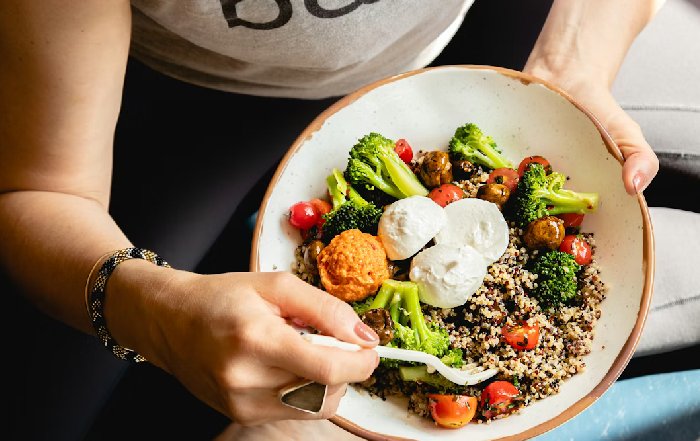
How Food Culture Shapes Athletic Performance Globally
The New Playbook: Why Food Culture Now Sits at the Heart of Performance
As high-performance sport becomes ever more data-driven and globally interconnected, the quiet force exerting some of the most profound influence on athletes is not a new wearable device or a marginal-gains training protocol, but the deep-rooted food cultures that shape how they fuel, recover and live. From Olympic training centers in the United States to football academies in Germany, cricket grounds in India and rugby pitches in South Africa, the foods athletes grew up with, the rituals around eating and the social meanings embedded in meals are increasingly being recognized as decisive factors in performance, resilience and long-term health. For SportyFusion and its community, which spans fitness enthusiasts, professionals and sports leaders across continents, understanding how food culture intersects with physiology, psychology and economics has become central to interpreting performance trends and building sustainable success models.
Sports nutrition has long been framed in terms of macronutrients, supplementation and energy balance, guided by evidence-based frameworks from organizations such as the International Olympic Committee and the Academy of Nutrition and Dietetics, yet this scientific layer now overlays centuries of culinary tradition and social practice. As global sport professionalizes further and athlete mobility accelerates, the challenge for coaches, performance directors and brands is not only to apply the science, but to integrate it with local foodways in ways that maintain identity, respect culture and still meet the exacting demands of elite competition. Learn more about how cultural context shapes dietary behavior through resources from World Health Organization and FAO, which have highlighted for decades that food is never just fuel, but a complex social and cultural system.
For readers of SportyFusion's performance coverage, this convergence of culture and science is not a theoretical issue; it is visible in the training tables of clubs, the sponsorship strategies of global brands, and the everyday choices of amateur athletes who draw inspiration from professional role models while still eating within their own cultural frameworks. The global story of modern sport is increasingly a story of how food cultures adapt, hybridize and sometimes clash in the pursuit of marginal gains.
Tradition on the Training Table: Regional Food Cultures as Performance Engines
Across the world's major sporting regions, traditional cuisines provide performance advantages that modern sports science is only now fully appreciating. In Mediterranean countries such as Italy and Spain, where football, cycling and endurance sports dominate, the long-established pattern of meals rich in whole grains, olive oil, legumes, vegetables and moderate amounts of fish and lean meats has been associated with cardiovascular benefits and reduced inflammation. The well-documented Mediterranean diet model from Harvard T.H. Chan School of Public Health has become a reference point for endurance programs in Europe and North America, yet for many athletes in these regions, it is not a diet but the default way of eating, integrated with family life and social rituals that make adherence almost effortless.
In East Asia, particularly in Japan, South Korea and parts of China, traditional patterns centered around rice, fermented foods, vegetables, soy products and seafood have shaped generations of athletes with strong gut health profiles and stable energy availability. Research highlighted by institutions such as Tokyo University and Seoul National University has underscored the value of fermented foods like kimchi, miso and natto in supporting microbiome diversity and immune resilience, factors that are especially critical during congested competition calendars. Readers can explore more about the microbiome-performance link via resources from the National Institutes of Health, which have increasingly connected gut health with systemic inflammation, mood regulation and recovery capacity.
In contrast, North American and some Northern European food cultures have historically tilted toward higher protein and higher energy-density patterns, with strong meat and dairy traditions that have supported strength-based and power-dominant sports such as American football, ice hockey and powerlifting. The presence of abundant animal protein, coupled with extensive cold-chain logistics and food technology innovation, has enabled athletes in the United States, Canada, the United Kingdom and Scandinavia to access highly tailored performance nutrition products, though often at the cost of distancing themselves from home-cooked traditions. As SportyFusion has highlighted in its culture features, the shift from family meals to individually optimized nutrition plans can carry psychological trade-offs, particularly for younger athletes navigating identity and belonging.
In emerging sports markets across Africa, South America and parts of Asia, traditional staples such as maize, cassava, plantains, millet, lentils and beans provide slow-release carbohydrate bases that support long training hours, while local fruits, nuts and seeds contribute micronutrients and healthy fats. Kenyan and Ethiopian distance runners, for example, have long relied on dishes like ugali and injera, which combine carbohydrate density with ease of digestion, a template now being studied by sports scientists in collaboration with institutions such as World Athletics and the International Association of Athletics Federations. For readers tracking global sport development on SportyFusion World, these regional food cultures are not relics but living systems that continue to shape competitive advantages in specific disciplines.
Science Meets Heritage: The Rise of Culturally Intelligent Sports Nutrition
As sports science has matured, organizations such as the International Society of Sports Nutrition and the American College of Sports Medicine have produced rigorous position stands on carbohydrate periodization, protein timing and hydration strategies. However, in practice, translating these guidelines into daily menus that athletes will consistently follow depends heavily on how well they map onto existing cultural preferences. A growing body of applied research, much of it synthesized by groups like the Gatorade Sports Science Institute, now emphasizes that adherence and psychological comfort can be as important as theoretical nutritional optimization, especially across long seasons.
High-performance environments in Europe, North America and Asia have therefore begun to employ sports dietitians who are not only credentialed experts but also culturally literate facilitators, able to adapt evidence-based frameworks to the local context. A Premier League nutritionist might structure carbohydrate loading around pasta, risotto and whole-grain breads in Italy or Spain, while using rice, noodles and congee in Japan or South Korea, or maize-based dishes in Mexico and parts of Africa. The underlying physiological goal remains the same, but the foods used to achieve it are chosen to resonate with athletes' memories, tastes and family traditions. Learn more about culturally sensitive nutrition strategies through resources from the British Dietetic Association.
For SportyFusion readers following training innovation, one of the most significant shifts since 2020 has been the move away from one-size-fits-all meal plans toward individualized, culturally anchored performance menus. Clubs in the English Premier League, NBA, Bundesliga and La Liga now commonly maintain rotating menus that incorporate regional dishes requested by players, adjusted for macronutrient targets and cooking methods. A Brazilian footballer might be served a leaner version of feijoada, with portion-controlled rice and increased vegetable content, while a German teammate receives a performance-adapted plate of potatoes, lean sausages and sauerkraut, all logged in centralized nutrition platforms for monitoring.
Globalization, Migration and the Hybrid Athlete Kitchen
Athlete migration has accelerated dramatically over the past two decades, with players and coaches moving between continents in search of opportunity, competition and financial reward. This mobility has created hybrid food environments in training centers and club canteens, where chefs and dietitians must accommodate athletes from multiple cultural backgrounds while still maintaining consistent performance standards. For organizations such as FIFA, UEFA and major North American leagues, the ability to provide inclusive, culturally sensitive food options has become both a competitive differentiator and a human performance necessity.
In practice, this has led to the emergence of what might be called the "hybrid athlete kitchen," where traditional recipes are re-engineered to align with sports nutrition principles. In London, for example, athletes from West Africa might find jollof rice prepared with brown rice and reduced oil, while their Scandinavian teammates receive versions of gravlax and rye bread tailored for specific training phases. In Los Angeles or Toronto, where cultural diversity is even broader, club kitchens routinely integrate Mexican, Korean, Japanese, Caribbean and Middle Eastern dishes into their weekly rotations. Readers interested in the broader social dimensions of this trend can explore cultural integration themes in SportyFusion's social coverage.
Globalization has also facilitated cross-pollination of best practices: Japanese baseball clubs have adopted aspects of American strength-nutrition models, while European football academies have integrated elements of Japanese and Korean fermented foods into recovery protocols. To understand the broader patterns of food globalization and health, readers can review analyses from OECD and World Bank, which have documented how trade, urbanization and income growth reshape diets, with significant implications for athlete development pipelines.
Technology, Data and the Quantified Meal
The intersection of food culture and performance has been further transformed by technology. Wearable devices, continuous glucose monitors, sleep trackers and AI-driven diet apps now generate granular data on how individual athletes respond to different foods, meal timings and macronutrient distributions. As SportyFusion regularly explores in its technology section, this datafication of eating has pushed clubs and federations toward more evidence-based decision-making, often revealing that traditional meals perform remarkably well when properly timed and portioned.
High-performance environments increasingly integrate kitchen operations with performance analytics platforms, tracking not only what athletes eat but how those choices correlate with training outputs, match performance and injury risk. Organizations such as Catapult Sports, Whoop and Oura have partnered with clubs to overlay physiological data with nutrition logs, while research centers like Aspetar Orthopaedic and Sports Medicine Hospital in Qatar and Australian Institute of Sport continue to refine models of individualized fueling. Readers seeking more detail on evidence-based sports nutrition frameworks can consult resources from the Australian Institute of Sport Nutrition.
For many athletes, however, the challenge lies in balancing this high-tech precision with the emotional and cultural dimensions of eating. Excessive monitoring can risk turning meals into performance tasks rather than social anchors, potentially undermining mental wellbeing. SportyFusion has reported on athletes who, after early-career experiences with rigid meal plans, have deliberately reintroduced family dishes and cultural rituals into their routines, supported by sports psychologists and dietitians who recognize that emotional satisfaction and cultural identity can enhance recovery, adherence and long-term career sustainability.
Health, Ethics and the Business of Performance Food
The commercialization of performance nutrition has created a global industry of supplements, functional foods and branded meal services, with companies such as Nestlé Health Science, Glanbia Performance Nutrition and PepsiCo's sports divisions positioning themselves as partners in elite and amateur performance. While these products can offer convenience and precise macronutrient profiles, they also raise questions about accessibility, equity and cultural fit, particularly in regions where traditional diets already provide robust nutritional foundations.
Ethical considerations arise when marketing messages implicitly or explicitly devalue local food cultures in favor of standardized, packaged solutions. For SportyFusion's business readership following developments on sport and business, this tension is central to understanding how brands position themselves in markets such as India, Brazil, South Africa and Southeast Asia, where aspirational imagery of Western athletes consuming shakes and bars may clash with the lived reality of local food systems. Learn more about responsible marketing and health communication through frameworks provided by UNESCO and UN Global Compact, which encourage companies to respect cultural diversity and public health priorities.
At the same time, there is a parallel movement among forward-looking brands and clubs to integrate sustainability and local sourcing into performance nutrition strategies. Partnerships with regional farmers, investments in regenerative agriculture and incorporation of plant-forward menus align both with environmental objectives and with many traditional food cultures that historically emphasized plant-based staples. Readers exploring sustainability issues in sport and lifestyle can dive deeper via SportyFusion Environment, where case studies highlight how clubs in Germany, Scandinavia and New Zealand are using locally sourced grains, vegetables and legumes in their training kitchens, reducing carbon footprints while preserving or even enhancing performance.
Socioeconomic Realities: Food Access, Talent Pipelines and Inequality
Food culture does not exist in a vacuum; it is constrained and shaped by socioeconomic realities that influence both everyday citizens and elite athletes. In many regions, particularly in parts of Africa, South America and Asia, promising young athletes develop within environments marked by food insecurity, limited access to high-quality protein and micronutrient deficiencies. These constraints can affect growth, injury risk and long-term performance potential, even when raw talent is abundant. Organizations such as UNICEF and World Food Programme have documented the impact of nutrition on youth development, and their insights are increasingly relevant to federations and clubs seeking to build sustainable talent pipelines. Learn more about global nutrition challenges through UNICEF Nutrition resources.
For athletes who rise from these backgrounds into professional environments in Europe, North America or Asia, the transition into highly resourced performance kitchens can be both an opportunity and a cultural shock. SportyFusion has profiled players who initially struggled with unfamiliar foods, complex supplementation regimens and the expectation to abandon home dishes, only to find renewed stability and performance improvements once clubs began incorporating elements of their native cuisines. This underscores the importance of culturally competent support structures, not only in nutrition but across health and wellbeing, mental performance and social integration.
In advanced economies, food inequality takes a different form, with ultra-processed, energy-dense and nutrient-poor options dominating low-income neighborhoods, while higher-quality whole foods often carry premium price tags. Amateur athletes and young talents in the United States, the United Kingdom, Canada and Australia may therefore find themselves navigating environments where convenience foods are more accessible than the fresh ingredients ideal for performance. Analysts from Public Health England and CDC have repeatedly highlighted the public health implications of this pattern, which also shapes the base from which future elite athletes emerge.
Cultural Identity, Mental Health and the Psychology of Eating
Beyond physiology and access, food culture exerts a profound psychological influence on athletes. Meals often function as touchstones of identity, sources of comfort during stressful periods and anchors of social connection within teams and families. When athletes move abroad, join new clubs or enter highly controlled training environments, the disruption of familiar food rituals can contribute to feelings of isolation, homesickness and loss of self, particularly for younger players and those from culturally distant regions.
Sports psychologists and performance directors increasingly recognize that honoring food culture can support mental health, cohesion and performance. Team meals built around shared dishes from multiple cultures, storytelling about family recipes and occasional "heritage nights" where athletes contribute to menu design have been adopted in clubs across Europe, North America and Asia. These practices align with broader evidence from mental health research, including work highlighted by the American Psychological Association, which emphasizes the protective role of cultural continuity and social support in high-pressure environments.
For SportyFusion readers engaged with lifestyle and culture, this dimension is particularly resonant. The everyday athlete balancing work, family and training often experiences similar tensions between convenience foods and the desire to maintain cultural food traditions. Understanding that performance is not merely a function of macronutrient optimization but also of psychological satisfaction and social connection can empower individuals to design eating patterns that are both effective and sustainable, rather than chasing rigid, culturally alien templates promoted on social media.
The Future: Local Roots, Global Knowledge and Integrated Performance
Looking ahead from 2026, the trajectory of global sport suggests that food culture will become even more central to performance strategy. Advances in nutrigenomics, microbiome science and AI-driven personalization will allow practitioners to fine-tune nutrition with unprecedented precision, yet the most successful programs are likely to be those that integrate this cutting-edge knowledge with local culinary heritage, sustainable sourcing and culturally coherent rituals. Rather than erasing traditional food cultures in the name of optimization, high-performance environments are beginning to recognize that these cultures can be powerful allies, providing diverse nutrient profiles, psychologically meaningful routines and socially cohesive frameworks.
For organizations, leagues and brands, this implies a strategic shift toward culturally intelligent performance ecosystems, where chefs, dietitians, psychologists, data scientists and community stakeholders collaborate to design food environments that are both globally informed and locally grounded. For athletes and coaches, it means embracing education, curiosity and flexibility: learning from other cultures, experimenting with new ingredients and techniques, while still honoring the dishes and rituals that shape identity and belonging.
Within this emerging landscape, SportyFusion is positioning its coverage to help readers navigate the intersection of performance, culture, health and business. Through its focus areas in fitness, sports, news and cross-cutting themes on ethics and responsibility, the platform aims to provide leaders, practitioners and enthusiasts with the insights needed to make informed, culturally aware decisions about how they fuel bodies and shape environments.
Ultimately, the story of how food culture shapes athletic performance globally is a story of balance: between science and tradition, individual optimization and collective identity, commercial innovation and ethical responsibility. As sport continues to globalize and performance standards rise, those who understand and respect the power of food culture-not as a constraint, but as a strategic asset-will be best placed to build resilient athletes, cohesive teams and sustainable success across continents.