

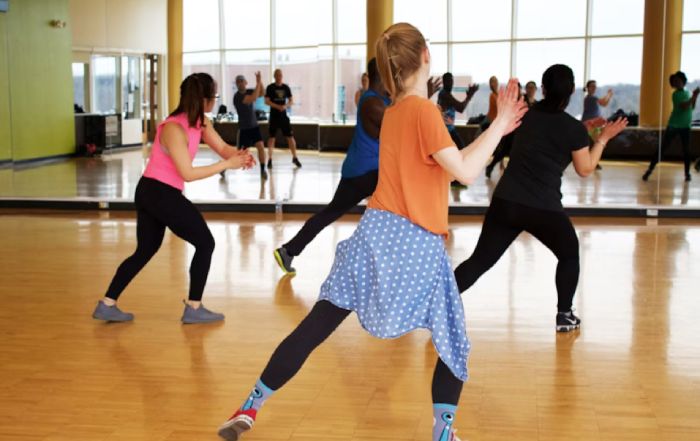
How Dance Club Music Became a Strategic Performance Tool in Global Sports Training
Across gyms, stadiums, running tracks, esports arenas, and immersive digital training platforms in 2026, one sensory element has become a defining feature of the modern athletic experience: music. More specifically, dance club music-with its insistent rhythms, elevated tempo, and hypnotic repetition-has moved from late-night dance floors into the heart of serious sports preparation. What was once the soundtrack of nightlife is now deeply embedded in the warmups of professional football squads in Europe, high-intensity interval classes in North America, boutique cycling studios in Asia, and at-home connected fitness routines worldwide. For the global community that visits Sporty Fusion, a platform dedicated to the convergence of fitness, culture, performance, and technology, this shift is not merely a lifestyle trend but a strategic evolution in how athletes and enthusiasts use sound to prime their bodies and minds for peak output.
The connection between rhythm and movement has always existed, yet the last decade has seen a decisive move from intuition to evidence-based practice. Sports scientists, performance psychologists, and technology innovators now treat music, and dance club music in particular, as a modifiable performance variable rather than a background accessory. Around the world-from the United States and the United Kingdom to Germany, Singapore, Brazil, and South Africa-coaches, trainers, and brands are designing training environments where beats per minute are as carefully calibrated as heart rate zones, and where playlists are built with the same precision as periodized training plans. In this landscape, Sporty Fusion serves as both observer and participant, translating research, innovation, and cultural change into practical insights for athletes, professionals, and organizations.
The Neuroscience and Physiology of Training to the Beat
The scientific understanding of why music, and especially beat-driven electronic music, enhances exercise performance has expanded significantly, supported by work from institutions such as Brunel University London, the American College of Sports Medicine, and research groups in Europe, Asia, and North America. At its core, the effect of music on movement is both neurological and physiological, involving complex interactions between auditory processing, motor control, emotional regulation, and energy management.
Rhythmic audio stimulates the brain's motor regions, particularly the premotor cortex and supplementary motor area, encouraging the body to align movement with external tempo, a process known as rhythmic entrainment. This phenomenon helps runners, cyclists, and rowers maintain a consistent cadence without constantly monitoring pace or power output, which can improve mechanical efficiency and delay the onset of fatigue. Studies summarized by organizations such as Harvard Health Publishing and Mayo Clinic highlight that music in the 120-140 BPM range is especially effective for moderate to vigorous aerobic exercise, a range that naturally overlaps with many house, techno, and EDM subgenres.
On the neurochemical level, music activates the dopaminergic reward system, boosting motivation and positive affect, while also modulating the perception of effort. Research reviewed by American Psychological Association suggests that athletes listening to motivational, up-tempo music often report lower ratings of perceived exertion at the same workload compared with silence, effectively enabling them to train harder or longer without feeling as drained. This interaction between emotion, reward, and effort perception is central to adherence and consistency, themes that are explored in depth in Sporty Fusion's health coverage, where training science, recovery, and mental well-being intersect.
Why Dance Club Music Fits the Modern Training Paradigm
While genres such as rock, hip hop, and pop continue to play important roles in workout environments, dance club music aligns particularly well with the demands of structured training. Its defining characteristics-steady tempo, predictable phrasing, and gradual build-ups-map naturally onto the physiological and psychological needs of athletes engaged in both endurance and high-intensity work.
Electronic dance tracks tend to maintain a tight BPM window over several minutes, reducing tempo fluctuations that could disrupt pacing. For runners targeting a specific stride rate or cyclists aiming for a consistent cadence, this stability is invaluable. The arrangement of many club tracks, with incremental layering of elements leading to a drop or peak, mirrors the work-rest cycles of interval training, priming athletes for surges in effort and offering micro-moments of anticipation and release. This structure supports not only physical output but also mental engagement, preventing monotony during repetitive sessions.
Furthermore, the often minimal or repetitive lyrical content of dance music can reduce cognitive load, allowing athletes to focus more fully on technique, breathing, and tactical cues. This aspect has been noted in applied sport psychology, where practitioners emphasize the importance of balancing stimulation with concentration. Organizations such as UK Sport and Sport Australia have acknowledged the role of environment design-including soundscapes-in optimizing training quality for elite performers, a topic that resonates strongly with the performance-oriented readers of Sporty Fusion's performance section.
From Gym Floors to Global Arenas: How Brands and Events Use the Beat
By 2026, the integration of dance club music into sports is visible at almost every level of the industry, from local studios to world-stage events. Major sportswear and fitness brands, streaming platforms, and event organizers have recognized that curated soundtracks significantly influence both athlete performance and audience engagement.
Global fitness franchises such as Les Mills and Barry's structure entire class formats around tempo-controlled playlists, using music to guide the intensity profile of sessions from warmup to cooldown. In parallel, large-scale events like the Berlin Marathon and London Marathon regularly incorporate live DJ stations along the course, transforming endurance races into moving festivals where rhythm supports pacing and morale. International multi-sport competitions, including events sanctioned by bodies like the International Olympic Committee, have increasingly sophisticated pre-event and in-stadium music strategies, blending local culture with global dance sounds to energize both competitors and fans.
From a commercial and strategic perspective, this convergence of music and sport is also a business story. Brands collaborate with prominent DJs and producers to create signature playlists, exclusive remixes, and branded training sessions, extending their reach into lifestyle and culture. The business implications of these collaborations, and the way they shape audience perception and loyalty, are a growing focus in Sporty Fusion's business analysis, where the platform examines how companies leverage sound, data, and experience design to differentiate in a competitive market.
Psychological Gains: Flow, Motivation, and the Mind-Music-Muscle Link
Beyond measurable gains in pace or power, the psychological benefits of dance club music are increasingly recognized as central to its value in sports. Athletes across disciplines report that well-designed playlists help them enter a flow state more readily-a condition in which attention is fully absorbed in the task, self-consciousness diminishes, and performance feels both effortless and highly controlled.
The repetitive, immersive nature of club music supports this state by offering a continuous, predictable auditory backdrop that reduces external distraction and internal chatter. Research summarized by institutions such as Stanford Medicine and Cleveland Clinic notes that music can modulate stress responses, reducing anxiety before competition and enhancing mood during demanding training cycles. This is particularly relevant in high-pressure environments like professional leagues in the United States, European football competitions, and international tournaments where psychological resilience often separates podium finishers from the rest of the field.
For recreational athletes and fitness enthusiasts, the psychological dimension is equally important. Enjoyable, energizing music increases the likelihood of starting and completing planned workouts, a factor strongly linked to long-term health outcomes. The behavioral adherence benefits of music-enhanced training align closely with the themes explored in Sporty Fusion's lifestyle section, where sustainable routines, motivation, and life-work-training balance are central topics.
Technology, Data, and the Personalization of the Workout Soundtrack
The rapid evolution of consumer technology has transformed how athletes discover, curate, and interact with music during training. In 2026, AI-driven recommendation systems, biometric wearables, and connected fitness platforms collectively enable a level of personalization that would have been unimaginable a decade ago.
Streaming services like Spotify, Apple Music, and Deezer offer tempo-matched running and cycling playlists that adjust to user cadence, while advanced platforms integrate directly with wearables from Garmin, WHOOP, and Polar to align track intensity with heart rate zones or power output. Companies at the intersection of music and sport, such as Endel and other adaptive soundscape providers, are experimenting with generative audio that responds in real time to physiological signals, creating a feedback loop where the music evolves with the athlete's state.
On the hardware side, bone-conduction headphones, smart earbuds, and AR-enabled glasses allow athletes to experience high-quality sound while maintaining environmental awareness, a key safety consideration for runners and cyclists in urban spaces. These developments sit within a broader ecosystem of sports technology innovation that Sporty Fusion tracks closely in its technology coverage, where readers can follow how AI, sensors, and immersive media are redefining performance environments.
Team Sports, Synchrony, and Collective Energy
While individual sports were early adopters of music-enhanced training, team sports have embraced dance club music as a tool for cohesion, intensity, and identity. Professional football clubs across Europe, including leading sides in the English Premier League, Bundesliga, and La Liga, routinely use high-energy EDM and house tracks during warmups and conditioning drills, creating a shared tempo that aligns movement and mindset. Basketball teams in the NBA and major European leagues similarly rely on club-influenced playlists in pre-game routines and practice sessions, using rhythm to transition players from informal interaction to competitive readiness.
The phenomenon of behavioral synchrony-where individuals moving in time with each other experience enhanced feelings of connection and trust-is particularly relevant in these contexts. Studies discussed by organizations such as FIFA and UEFA in their high-performance programs have noted that environmental factors, including sound, can influence communication, coordination, and collective confidence. For coaches and performance staff, music is becoming a deliberate component of session design rather than an afterthought, supporting both physical objectives and team culture.
This collective dimension of performance is a recurring theme in Sporty Fusion's sports section, where the platform examines how group dynamics, leadership, and shared rituals contribute to success in football, basketball, rugby, volleyball, and other team-based disciplines across continents.
Cultural Convergence: Club Aesthetics in Fitness and Sport
The adoption of dance club music in training environments is part of a broader cultural convergence in which fitness, nightlife, fashion, and digital culture increasingly overlap. Boutique studios in global hubs such as New York, London, Berlin, Singapore, and Sydney design spaces that resemble clubs more than traditional gyms, complete with advanced lighting rigs, immersive sound systems, and live or streamed DJ sets. Brands like 1Rebel and Barry's have pioneered this "fitness nightclub" concept, positioning workouts as social events and lifestyle statements as much as health activities.
Large-scale action sports events, including the X Games and competitions associated with the World Surf League, integrate live electronic music performances into their programming, framing athletes as cultural icons and aligning sports with contemporary music scenes. Esports tournaments in South Korea, the United States, and Europe also leverage dance and electronic music to energize both players and audiences, demonstrating that the relationship between rhythm and performance extends beyond physical sports into competitive gaming. For readers interested in the intersection of gaming, culture, and performance, Sporty Fusion's gaming section provides deeper insights into how sound design shapes focus, reaction time, and spectator experience in virtual arenas.
These developments highlight a key principle: for many people in 2026, sport and fitness are not isolated activities but integral parts of identity and social life, and dance club music functions as a cultural bridge that connects training with self-expression, community, and creativity.
Regional Variations: One Global Beat, Many Local Flavors
Although dance club music is a global phenomenon, its integration into sports training varies significantly across regions, reflecting local tastes, cultural histories, and industry structures. In the United States and Canada, high-intensity boutique concepts and large commercial gyms frequently blend EDM with hip hop and pop remixes, catering to diverse urban demographics. In the United Kingdom, Germany, and the Netherlands, strong club and festival traditions have fostered training environments where deep house, techno, and trance are common, particularly in cycling, running, and triathlon communities.
Southern European countries such as Spain and Italy often incorporate Latin and Mediterranean influences into club-style workout playlists, producing hybrid soundscapes that resonate with local rhythms. In Brazil, the fusion of baile funk, samba, and electronic beats creates dynamic environments for dance-based fitness and football conditioning. Across Asia, from Japan and South Korea to Singapore and Thailand, J-pop, K-pop, and regional electronic subgenres blend with Western EDM, reflecting both global connectivity and local identity. Nordic countries like Sweden, Norway, Finland, and Denmark, with their strong outdoor and endurance cultures, frequently favor melodic progressive house and minimal techno for long training sessions in nature.
These regional nuances underscore the importance of cultural sensitivity and localization in designing music strategies for sports organizations and brands targeting international markets, a subject that Sporty Fusion continues to explore through its world and culture coverage.
Sound, Environment, and Ethical Considerations
As dance club music becomes louder and more pervasive in training spaces and events, questions of health, ethics, and environmental impact have gained prominence. Prolonged exposure to high-decibel sound can increase the risk of hearing damage, and organizations such as the World Health Organization and Centers for Disease Control and Prevention provide clear guidance on safe exposure levels. Progressive gyms, arenas, and event organizers are responding by investing in directional speaker systems, acoustic design, and sound level monitoring to balance energy with safety.
There are also broader environmental and community considerations, particularly for outdoor events near residential areas or ecologically sensitive zones. Noise regulations in countries like Australia, New Zealand, and parts of Europe require organizers to carefully plan sound distribution, leading to the adoption of innovations such as silent workout formats using wireless headphones. These approaches allow athletes to train to synchronized beats without broadcasting high-volume sound into the surrounding environment. The interplay between performance optimization, community impact, and environmental stewardship is closely aligned with themes covered in Sporty Fusion's environment section and ethics section, where responsible innovation in sport is a central concern.
Looking Ahead to 2030: Adaptive Soundscapes and Immersive Training
By 2030, the role of dance club music in sports is likely to be even more deeply integrated and technologically sophisticated. Advances in AI, spatial audio, and extended reality suggest a future in which training soundscapes are fully adaptive, context-aware, and personalized to individual physiology and psychology. Real-time data from wearables, motion sensors, and even brain-computer interfaces could inform systems that adjust tempo, intensity, and harmonic structure on the fly to maintain athletes in optimal performance or recovery zones.
Augmented and virtual reality platforms are already experimenting with environments where visual elements, haptic feedback, and music are tightly synchronized, creating multisensory experiences for running, cycling, combat sports, and functional training. Organizations such as MIT Media Lab and leading sports-tech startups are exploring how these immersive formats can enhance motivation, skill acquisition, and engagement, raising new opportunities and questions for coaches, governing bodies, and policymakers. For ongoing coverage of these developments, Sporty Fusion's technology and training sections provide forward-looking analysis tailored to decision-makers and practitioners.
Conclusion: Sporty Fusion's Perspective on the Rhythm of High Performance
In 2026, dance club music has firmly established itself as a strategic asset in global sports and fitness, moving beyond entertainment to become a calibrated tool for enhancing performance, motivation, cohesion, and experience design. From elite training centers in Europe and North America to community gyms in Asia, Africa, and South America, and from esports arenas to outdoor endurance events, the beat has become an integral part of how athletes prepare, compete, and recover.
For Sporty Fusion, this evolution lies at the heart of the platform's mission: to understand and explain how fitness, culture, technology, business, and ethics intersect in shaping the future of sport. The fusion of dance club music and athletic performance exemplifies how sensory design, data-driven personalization, and cultural creativity can work together to unlock human potential, provided that health, safety, and environmental responsibility remain central. As readers across the world-from the United States and United Kingdom to Germany, Singapore, Brazil, South Africa, and beyond-refine their own training routines and strategies, the emerging consensus is clear: aligning movement with rhythm is no longer a marginal preference but a competitive advantage.
For those seeking to apply these insights in practice, the broader Sporty Fusion ecosystem-from fitness and health to performance, business, and social impact-offers a continually updated, authoritative resource on how to design training, experiences, and organizations that move in time with the future.