

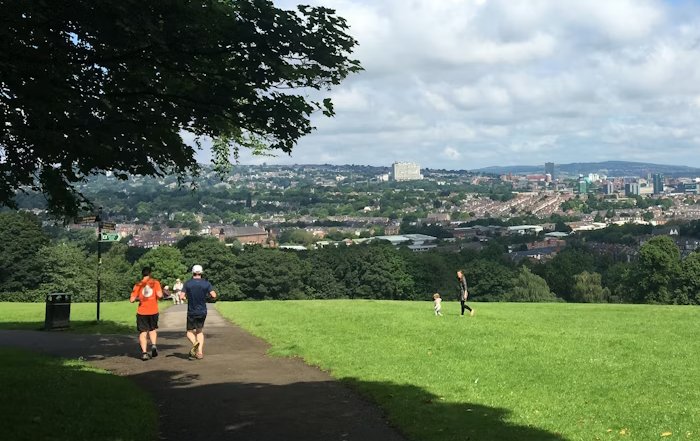
Reimagining Public Parks for Active Communities
A New Era for Everyday Movement
Public parks have emerged as one of the most strategically important assets for cities seeking healthier, more resilient and more connected communities. Around the world, from New York to Singapore and from Berlin to Melbourne, urban planners, health leaders and sports organizations increasingly recognize that the design and management of parks directly influence how often people move, how they socialize, and how they experience both nature and technology in their daily lives. For SportyFusion.com, whose readers span fitness, culture, health, technology, business and lifestyle, public parks now sit at the intersection of all these interests, becoming living laboratories where active urban futures are being tested in real time.
The global shift toward hybrid work, the accelerating climate crisis, and rising concern about mental health have all pushed cities to reconsider how public space can support physical activity that is inclusive, accessible and attractive across age groups, cultures and income levels. Research from organizations such as the World Health Organization shows that regular physical activity lowers the risk of cardiovascular disease, diabetes, depression and anxiety, yet a large proportion of the global population remains insufficiently active; understanding how the built environment can nudge people toward healthier choices has therefore become a priority for governments and businesses alike. Learn more about the health benefits of regular activity at the World Health Organization.
For the global audience of SportyFusion.com, these developments are not abstract policy debates but everyday realities that shape how they run, cycle, play, train and socialize in cities across North America, Europe, Asia, Africa and South America. As urban areas densify and private fitness options grow more expensive, the question is no longer whether public parks matter, but how they can be reimagined to support truly active communities.
From Passive Green Space to Active Urban Infrastructure
Traditionally, many parks have been conceived as passive green spaces-pleasant backdrops for relaxation, picnics and occasional recreation. In 2026, leading urban designers increasingly treat parks as critical pieces of health infrastructure, comparable in importance to transport networks or digital connectivity. Cities such as Copenhagen, Vancouver and Singapore have invested heavily in connected green corridors, outdoor fitness zones and multi-use sports fields, turning underused lawns into dynamic spaces that invite walking, running, cycling and structured training throughout the day.
This evolution reflects a growing body of evidence from institutions like Harvard T.H. Chan School of Public Health, which links access to high-quality green space with increased physical activity, lower stress levels and improved cardiovascular health. Readers can explore current research on environment and health at Harvard T.H. Chan School of Public Health. At the same time, cities are recognizing that parks must serve diverse populations: older adults who need safe walking paths, children who benefit from unstructured play, young professionals seeking outdoor high-intensity workouts, and families looking for affordable recreation close to home.
Within this context, SportyFusion.com has increasingly focused its health and fitness coverage on how park design influences daily movement patterns. The most forward-thinking municipalities no longer view parks as isolated amenities but as integrated networks of active infrastructure that extend from city centers to suburbs and, in some regions, into rural landscapes, enabling residents to move seamlessly between work, home and recreation.
Designing Parks Around Movement and Performance
A central shift in the reimagining of public parks is the move from static facilities to intentionally designed movement ecosystems. Rather than simply installing a few pieces of outdoor gym equipment, cities are now working with sports scientists, landscape architects and community groups to create layered environments that support different levels of performance and varied forms of activity.
In many leading examples, looped running and walking tracks with clear distance markers encourage both casual walkers and serious runners to train more systematically. Outdoor strength and mobility zones, equipped with bodyweight apparatus and resistance features, cater to functional training enthusiasts who might otherwise rely on indoor gyms. Multi-surface courts accommodate basketball, futsal, handball and informal fitness classes, while open lawns are increasingly being marked and lit to support group training, yoga and boot camps organized by local coaches or sports clubs.
This performance-oriented approach aligns closely with the interests of SportyFusion.com readers who track their progress and seek evidence-based training methods. For those exploring structured outdoor training, the site's training and performance sections highlight how athletes and recreational users alike can leverage park infrastructure to build endurance, strength and agility. The integration of performance thinking into public design also reflects guidance from organizations like UK Sport and Sport Australia, which emphasize the value of community-level physical literacy in building broader sporting excellence; more on these national strategies can be found at Sport Australia and UK Sport.
In many cities, these new movement-centric designs are being developed using data from wearable devices, GPS traces and community engagement platforms, ensuring that routes, surfaces and lighting respond to actual user behavior rather than top-down assumptions. This evolution underscores a deeper cultural shift: parks are no longer simply places where sport happens, but purpose-built environments that actively coach, guide and motivate users across all levels of ability.
Technology-Enabled Parks in a Connected World
The digital transformation of public parks has accelerated rapidly by 2026, creating opportunities and challenges for active communities. Smart lighting systems that respond to movement, integrated Wi-Fi, sensor-based usage monitoring and app-connected fitness equipment are now common features in many flagship urban parks. These technologies enable city authorities to understand when and how spaces are used, optimize maintenance, and design programming that aligns with peak activity periods.
For the tech-savvy community that follows SportyFusion.com's technology and gaming coverage, the most interesting developments involve the blending of physical exercise with digital experiences. Augmented reality running routes, location-based games that encourage exploration, and interactive fitness challenges linked to city-wide leaderboards are transforming parks into real-world gaming arenas. Companies like Niantic have demonstrated how location-based games can mobilize millions of people to walk and explore their cities, and ongoing collaborations between tech firms and municipal governments are extending this concept into structured health and fitness initiatives; readers can follow developments in this space at Niantic Labs.
At the same time, global technology leaders such as Apple, Google and Samsung are integrating park-friendly features into their health and fitness ecosystems, including outdoor workout modes, route mapping and environmental exposure tracking. Learn more about how consumer technology is supporting public health at Apple's health initiatives and Google Health. These advances provide new opportunities for individuals to measure performance, share achievements and participate in virtual communities that span cities and continents, while still grounding their activity in local public spaces.
However, the rise of technology-enabled parks also raises questions around data privacy, equitable access and digital exclusion. As SportyFusion.com explores in its ethics and business reporting, cities must navigate complex partnerships with private technology providers, ensuring that data collected in public spaces is used responsibly and that digitally enhanced amenities do not deepen inequalities between well-funded neighborhoods and underserved communities.
Health, Wellbeing and the Social Fabric of Cities
Beyond performance metrics and smart infrastructure, the reimagining of parks is deeply connected to public health and social cohesion. Health authorities from the Centers for Disease Control and Prevention in the United States to Public Health England and their counterparts in Germany, Canada, Australia and Asia increasingly view parks as frontline assets in the fight against sedentary lifestyles, obesity and mental health challenges. Detailed guidance on the role of community design in health promotion is available from the CDC and NHS England.
Parks that offer safe, accessible and culturally inclusive spaces for movement can significantly lower barriers to entry for physical activity, especially for communities with limited access to private gyms or organized sports clubs. In many European and Asian cities, public agencies now collaborate with local NGOs, sports federations and community leaders to program parks with walking groups, low-cost fitness classes and inclusive sports festivals that welcome participants regardless of age, gender, ability or income.
For the global readers of SportyFusion.com, this aligns with growing interest in how active lifestyles intersect with social connection, mental wellbeing and local culture. The site's social and culture sections regularly highlight initiatives where parks serve as stages for community-led dance sessions, intergenerational walking clubs and culturally specific forms of movement-from tai chi in Singapore and Seoul to football-inspired fitness in Brazil and South Africa. Evidence from institutions like Stanford University underscores that social support and a sense of belonging are powerful predictors of sustained physical activity, and readers can explore this research further at Stanford Medicine.
The COVID-19 pandemic of the early 2020s accelerated public recognition of parks as essential health infrastructure, and in 2026 that understanding has evolved into more structured policy frameworks. Many cities now include park-based activity targets in their public health strategies, integrating them with primary care, mental health services and corporate wellness programs. For businesses, this presents not only a responsibility but also an opportunity to support employee wellbeing through proximity to and engagement with high-quality public spaces.
Sustainability, Climate Resilience and Active Green Design
Reimagining public parks for active communities cannot be separated from the broader agenda of climate resilience and environmental sustainability. As heatwaves, flooding and air pollution intensify in cities from North America to Asia, parks are increasingly designed as multifunctional green infrastructures that cool urban environments, absorb stormwater and improve air quality while simultaneously supporting active lifestyles.
Organizations such as C40 Cities and the World Resources Institute have documented how well-designed green spaces can reduce urban heat island effects, encourage walking and cycling, and enhance overall quality of life. Readers can learn more about climate-resilient urban planning at C40 Cities and World Resources Institute. In places like Rotterdam, Singapore and Copenhagen, park systems are engineered to double as floodplains or water retention areas, enabling cities to manage extreme weather events without sacrificing recreational value.
For SportyFusion.com, which covers environmental issues through its environment vertical, the convergence of sustainability and physical activity is a central theme. Active parks that incorporate native vegetation, permeable surfaces and shaded routes encourage year-round use even in hotter climates, while also supporting biodiversity and reducing energy demand. This integrated approach aligns with broader global commitments, such as those discussed by the Intergovernmental Panel on Climate Change, which highlight the importance of nature-based solutions in climate adaptation; more information is available at the IPCC.
In regions such as Australia, South Africa and Brazil, where outdoor culture is already strong, climate-adaptive park design is becoming essential to maintain safe and attractive conditions for running, cycling and outdoor sport. Shade structures, water fountains, cooling mist features and carefully oriented pathways are now considered standard components of active park design, especially in lower-income neighborhoods that are often more vulnerable to extreme heat.
Economic Opportunity, Brands and the Business of Active Parks
The transformation of public parks is also reshaping the economic landscape around sport, fitness and urban development. Cities that invest in high-quality, activity-friendly parks often see measurable returns in tourism, real estate values and local business growth. Active parks attract running events, outdoor fitness classes, sports tournaments and wellness festivals that bring visitors and spending into urban districts, benefiting hospitality, retail and service sectors.
For SportyFusion.com's business-focused readers, the interplay between public investment and private opportunity is particularly relevant. The site's business and brands coverage has tracked how leading companies such as Nike, Adidas, Under Armour and Lululemon partner with municipalities to sponsor running routes, outdoor training zones and community events. These collaborations can enhance brand visibility and social impact simultaneously, provided they are managed transparently and equitably. Readers can explore broader industry trends at Nike, Adidas and Lululemon.
Job creation is another important dimension. As parks become hubs for structured activity, demand grows for qualified trainers, event organizers, maintenance professionals, sports therapists and digital platform specialists who can design and manage programming. This aligns with the evolving sports and wellness labor market highlighted in SportyFusion.com's jobs coverage, where new roles blend physical coaching with data analysis, community management and digital content creation. Global organizations such as the International Labour Organization have emphasized the potential of green and health-focused sectors to generate sustainable employment, and further insights can be found at the ILO.
At the same time, there is a growing expectation that corporate participation in public parks should contribute to long-term community benefit rather than short-term marketing campaigns. This includes supporting free or low-cost programming, investing in underserved neighborhoods and collaborating with local organizations to ensure that initiatives reflect community needs and cultural contexts.
Culture, Inclusion and the Global Diversity of Active Parks
One of the most compelling aspects of reimagined parks is the way they reflect and shape local culture. In cities as varied as London, Tokyo, Johannesburg and São Paulo, parks have become stages where different forms of movement-formal sport, informal play, dance, martial arts and emerging hybrid activities-coexist and interact. This cultural richness is central to the appeal of parks for the worldwide audience of SportyFusion.com, which explores these dynamics in its sports and lifestyle sections.
In Europe, multi-use parks often host football, handball, calisthenics and parkour alongside traditional playgrounds, with design features that encourage creative movement rather than rigidly prescribed activities. In East and Southeast Asia, morning and evening group exercises-ranging from tai chi and qigong to K-pop dance workouts and community aerobics-have become iconic elements of urban life, supported by open plazas, sound systems and lighting. In North America and Australia, skate parks, pump tracks and outdoor climbing structures increasingly share space with more conventional sports facilities, reflecting a broader definition of what constitutes "sport" and "fitness."
Global organizations such as UNESCO and UN-Habitat have emphasized the role of inclusive public spaces in promoting cultural diversity, social integration and youth engagement; readers can explore these perspectives at UNESCO and UN-Habitat. For cities, ensuring that parks feel welcoming to women, older adults, people with disabilities and marginalized communities requires careful attention to lighting, visibility, accessibility, programming and governance. Language, signage, cultural representation and the presence of community stewards or ambassadors all influence whether people feel comfortable claiming space for movement.
In this context, SportyFusion.com has highlighted stories where grassroots groups reclaim underused or neglected parks through community-led fitness initiatives, demonstrating how cultural ownership and active use reinforce each other. These narratives underscore a central lesson of the past decade: infrastructure alone is not enough; it must be paired with inclusive programming and governance that reflect the diversity of urban life.
Governance, Ethics and Long-Term Stewardship
The reimagining of public parks as active, technology-enabled, performance-oriented and culturally rich spaces raises complex governance and ethical questions that cities, businesses and communities must navigate together. Issues such as surveillance, data ownership, commercialization of public space, displacement of informal users and long-term maintenance responsibilities can determine whether park transformations genuinely serve the public interest.
For a business-oriented and ethically aware audience, SportyFusion.com uses its news and ethics channels to scrutinize how public-private partnerships are structured, how community voices are included in decision-making, and how benefits are distributed across neighborhoods. International frameworks such as the UN Sustainable Development Goals, particularly those related to health, sustainable cities and climate action, provide a useful lens for evaluating park projects; more information is available at the United Nations.
Transparent governance models that involve local residents, sports clubs, environmental groups and youth organizations in the design and management of parks are proving most effective in building trust and ensuring that investments deliver long-term value. Participatory budgeting, open data on park usage, and community advisory boards help align priorities and reduce the risk of parks being over-commercialized or designed primarily for elite users.
Ethically, cities must also consider how enforcement practices, security measures and informal rules shape who feels welcome in parks. Over-policing or exclusionary design can undermine the very goals of health, inclusion and social cohesion that active parks are meant to serve. Now many leading municipalities are therefore experimenting with softer forms of stewardship, such as community rangers, peer educators and local sports ambassadors who help mediate conflicts, support new users and promote respectful shared use of space.
The Role of SportyFusion.com in an Active Urban Future
As public parks continue to evolve into sophisticated ecosystems of movement, technology, culture and sustainability, platforms like SportyFusion.com occupy a unique position at the intersection of information, inspiration and accountability. With readers across the United States, United Kingdom, Germany, Canada, Australia, France, Italy, Spain, the Netherlands, Switzerland, China, Sweden, Norway, Singapore, Denmark, South Korea, Japan, Thailand, Finland, South Africa, Brazil, Malaysia and New Zealand, the site can surface best practices from one region and translate them into insights for others.
Through its integrated coverage of fitness, world, technology, business, environment and social issues, SportyFusion.com helps readers understand how local park experiences fit within global trends. For professionals in urban planning, public health, sports management and corporate wellness, the platform offers nuanced analysis of how design, policy and innovation converge in the everyday spaces where people walk, run, play and train. For active citizens, it provides practical guidance on making the most of nearby parks, engaging with local decision-makers and supporting initiatives that expand access to high-quality active spaces.
Looking ahead, the future of public parks will be shaped by ongoing experimentation, cross-border learning and the willingness of cities to treat movement as a fundamental human need rather than a lifestyle luxury. In 2026, the most successful park systems are those that combine evidence-based design, technological innovation, environmental stewardship and deep community engagement to create spaces where movement feels natural, enjoyable and socially meaningful.
In this evolving landscape, SportyFusion.com will continue to document, analyze and champion the reimagining of public parks, ensuring that active communities-from New York to Nairobi and from London to Tokyo-have the information and inspiration needed to shape the spaces where the next generation will move, play and thrive. Readers can explore the latest stories, interviews and analyses across all verticals at the SportyFusion.com homepage, where the transformation of public parks remains a central thread in the broader narrative of global active living.