

How Street Culture Shapes the Future of Mainstream Sportswear
Street Culture Moves From the Margins to the Center
The relationship between street culture and mainstream sportswear has moved far beyond occasional collaborations and limited-edition drops; it has become a structural force that is redefining how global brands design, market, distribute, and even manufacture performance and lifestyle products. What began decades ago in the neighborhoods and city blocks of New York, London, Tokyo, and Los Angeles as a grassroots expression of identity, resistance, and creativity has now become a primary engine of innovation for the global sportswear economy, influencing everything from product aesthetics and materials to digital fan engagement and sustainability strategies. For SportyFusion.com, which sits at the intersection of fitness, culture, technology, and lifestyle, this evolution is not simply a trend story but a lens through which to understand how consumers across the United States, Europe, Asia, Africa, and the Americas are reshaping what it means to be active, stylish, and socially aware in a rapidly changing world.
The mainstream sportswear sector, historically driven by elite performance narratives and the marketing power of professional athletes, now shares the stage with street artists, skaters, gamers, musicians, and community organizers whose influence travels globally via platforms such as Instagram, TikTok, and YouTube. Major players including Nike, Adidas, Puma, New Balance, Under Armour, and Lululemon monitor and respond to these cultural signals with unprecedented speed, while new challengers and niche labels born from street scenes in cities like Berlin, Seoul, São Paulo, and Johannesburg are building devoted followings through authenticity and local storytelling. As readers explore related dimensions of this shift across SportyFusion's coverage of sports, culture, and lifestyle, a consistent pattern emerges: street culture is no longer a peripheral inspiration; it is the creative and commercial backbone of contemporary sportswear.
From Asphalt to Arena: The Historical Convergence
The convergence of street culture and sportswear did not happen overnight; it is the result of a multi-decade interplay between subcultures, technological change, and shifting consumer expectations. In the 1980s, the rise of hip-hop and basketball culture in the United States, combined with the global spread of skateboarding, graffiti, and breakdancing, created a visual and social language that elevated sneakers and athletic apparel from functional gear to symbols of identity, status, and community. When Run-D.M.C. famously embraced Adidas in the mid-1980s, it signaled that music and street style could confer as much cultural capital on a sportswear brand as championship trophies. Subsequent decades saw a succession of iconic moments, from Michael Jordan's partnership with Nike to the emergence of Japanese streetwear pioneers such as A Bathing Ape and the influence of Harajuku culture, which helped to globalize the idea that sportswear could be a canvas for experimentation rather than a uniform.
By the early 2000s, the rise of digital media and global e-commerce platforms accelerated this convergence, allowing independent designers and local crews to reach international audiences without the traditional gatekeepers of fashion and retail. Platforms like Hypebeast and Highsnobiety chronicled and amplified the streetwear-sportswear crossover, turning limited sneaker releases and capsule collections into global events and embedding the language of "drops," "collabs," and "resale value" into mainstream consumer consciousness. For today's readers, especially those following SportyFusion's news and business coverage, it is clear that this history laid the groundwork for the current moment, in which the design codes, storytelling techniques, and community dynamics of street culture are central to how performance and lifestyle products are conceived and commercialized.
Design Language: From Performance Gear to Cultural Signal
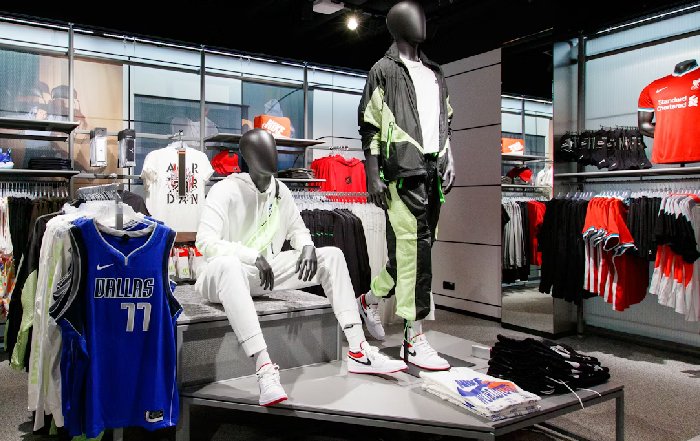
In 2026, the design language of mainstream sportswear reflects the visual and emotional vocabulary of street culture more than ever before. Oversized silhouettes, bold graphics, archival references, and hybrid materials that comfortably move between gym, office, and nightlife settings have become standard in collections that once focused narrowly on sport-specific performance. The blurred boundaries between training apparel and everyday wear, often discussed in SportyFusion's fitness and training sections, are a direct outcome of street culture's insistence that clothing must function as both a practical tool and an expressive medium.
Design teams at global brands now study the visual codes emerging from skate parks in Barcelona, basketball courts in Chicago, street markets in Bangkok, and music festivals in Berlin with the same seriousness they apply to biomechanical research. Platforms such as Vogue Business and Business of Fashion document how creative directors and product leads increasingly come from streetwear and youth culture backgrounds, bringing a sensibility that prioritizes storytelling, local references, and collaborative creation. This influence is visible in the rise of modular garments, gender-fluid fits, and customizable elements that reflect the street's ethos of remixing and personalization. At the same time, performance technologies such as advanced foams, breathable membranes, and smart textiles are being wrapped in aesthetics drawn from graffiti, club culture, and gaming, creating products that appeal equally to athletes, creators, and digital natives.
The New Influencers: Athletes, Artists, and Community Creators
The traditional model of sports marketing, in which elite athletes served as the primary faces of a brand, has been fundamentally reshaped by the rise of multi-hyphenate creators whose influence crosses sport, music, fashion, and social activism. Collaborations between sportswear companies and figures such as Kanye West, Pharrell Williams, Rihanna, and Virgil Abloh demonstrated that cultural tastemakers could drive demand and define aesthetics in ways that rivaled or surpassed star athletes. In 2026, that dynamic has broadened further, with micro-influencers, local community leaders, and digital creators playing a growing role in how collections are conceived and launched.
Research from organizations like McKinsey & Company and Deloitte shows that Gen Z and younger millennials value authenticity, diversity, and social alignment over traditional celebrity status, a pattern that is visible in how they respond to campaigns that elevate local dancers, skaters, grassroots coaches, and esports players. Sportswear brands are investing in community studios, street courts, and digital creator programs in cities from London and Paris to Seoul and Johannesburg, giving these voices direct input into product testing and storytelling. For SportyFusion readers interested in social impact and ethics, this shift underscores a broader rebalancing of power: street culture is no longer merely a source of inspiration to be appropriated; it is a network of partners and co-authors shaping the narrative of global sportswear.
Global Cities and Local Streets: Regional Expressions of Influence
While street culture is often discussed as a unified global phenomenon, its impact on sportswear is deeply shaped by local histories, politics, and creative scenes. In the United States, the interplay between basketball, hip-hop, and sneaker culture in cities like New York, Chicago, and Los Angeles continues to drive trends in high-top silhouettes, retro colorways, and court-inspired apparel, with coverage on platforms like ESPN and Complex reinforcing the cultural weight of each new release. In the United Kingdom and wider Europe, the legacy of terrace culture, grime, and club scenes in cities such as London, Manchester, Berlin, and Amsterdam influences the popularity of track suits, technical outerwear, and retro running silhouettes that move seamlessly between stadiums and nightclubs.
In Asia, particularly in Japan, South Korea, and China, the fusion of K-pop, anime, gaming, and fashion-forward streetwear has produced some of the most experimental sportswear collaborations of the last decade, with brands leveraging the creative ecosystems of Tokyo's Harajuku district, Seoul's Hongdae neighborhood, and Shanghai's art districts. Publications such as Hypebeast Japan and Nikkei Asia trace how regional consumers demand high levels of design sophistication, digital integration, and brand transparency. Meanwhile, in regions like Africa and South America, from Johannesburg and Lagos to São Paulo and Rio de Janeiro, local street cultures are infusing sportswear with bold color palettes, upcycled materials, and narratives tied to social justice, football fandom, and entrepreneurial hustle. For a global platform like SportyFusion, with readers across North America, Europe, Asia, Africa, and South America, understanding these regional nuances is critical to interpreting how street culture's influence manifests in product offerings, marketing strategies, and consumer expectations.
Technology, Gaming, and the Hybrid Athlete
One of the most significant developments by 2026 is the way digital culture, particularly gaming and esports, has merged with street and sportswear culture to create a new archetype: the hybrid athlete-gamer-creator. Esports organizations and game publishers collaborate with sportswear brands to produce jerseys, hoodies, and footwear that blur the lines between team uniform, streetwear statement, and performance gear. Platforms such as Twitch and Steam have normalized the idea that digital arenas are as culturally important as physical stadiums, leading brands to design apparel that performs well both under studio lights and in everyday street environments.
This convergence is especially visible in the rise of "athleisure for gamers," with ergonomic fits, breathable fabrics, and subtle nods to game iconography integrated into designs that appeal to both competitive players and casual fans. In SportyFusion's gaming and technology sections, readers can see how wearable technology, such as biometric sensors and smart fabrics, is being integrated into apparel in ways that align with street culture's emphasis on individuality and customization. Augmented reality experiences that allow consumers to virtually try on sneakers or unlock hidden content through QR codes and NFC tags extend the street's tradition of hidden messages and insider knowledge into the digital realm, reinforcing a sense of community and exclusivity that is central to both gaming and street cultures.
Sustainability, Ethics, and the Street's Demand for Accountability
The growing influence of street culture on mainstream sportswear is not limited to aesthetics and marketing; it also extends to ethical expectations and environmental responsibility. Younger consumers, who are often at the heart of street scenes, are increasingly vocal about labor practices, material sourcing, and the environmental footprint of the products they wear. Organizations such as the Ellen MacArthur Foundation and initiatives like the UN Environment Programme provide frameworks for circular design, recycling, and responsible production that sportswear brands are under pressure to adopt. The surge in interest in secondhand and vintage sportswear, visible on platforms like Depop and Grailed, reflects both nostalgia for earlier eras of street style and a desire to participate in more sustainable consumption patterns.
Street culture, which has long thrived on customization, upcycling, and DIY creativity, naturally aligns with these emerging sustainability practices. Independent designers in cities from Copenhagen and Stockholm to Melbourne and Vancouver are experimenting with deadstock materials, repair services, and modular designs that extend product lifecycles, while major brands are piloting take-back schemes, recycled fibers, and low-impact dyes. Readers exploring SportyFusion's environment and health sections can see how the push for sustainability intersects with concerns about air quality, microplastics, and the broader health impacts of fast fashion. Street culture's demand for transparency and accountability is forcing mainstream sportswear companies to communicate more openly about their supply chains and to align their public narratives with measurable progress, rather than surface-level campaigns.
The Business of Hype: Economics, Jobs, and New Career Paths
Behind the cultural impact lies a powerful economic engine. The global sportswear and athleisure market continues to grow, with analysts at Statista and Allied Market Research projecting continued expansion driven by urbanization, digital commerce, and the normalization of casual dress codes in workplaces. Street culture plays a central role in this growth by generating demand spikes through limited releases, collaborations, and community-driven storytelling that create emotional attachment and perceived scarcity. The resale market for sneakers and streetwear, facilitated by platforms like StockX and GOAT, has become a multi-billion-dollar industry in its own right, influencing how brands calibrate production volumes, pricing strategies, and distribution channels.
This evolving ecosystem also reshapes the labor market and the types of roles available within the sportswear sector. Beyond traditional positions in design, marketing, and retail, there is rising demand for community managers, cultural strategists, data scientists, digital storytellers, and collaboration leads who understand both global brand dynamics and local street realities. For professionals and students following SportyFusion's jobs and business pages, it is evident that career paths now often run through creative collectives, music scenes, gaming communities, and grassroots sports organizations as much as through formal corporate pipelines. Freelancers and small studios are partnering with major brands on capsule collections and experiential activations, turning street-level credibility into sustainable business models and demonstrating that cultural fluency is a core business skill in the modern sportswear landscape.
Health, Lifestyle, and the Everyday Athlete
Street culture's influence on sportswear also reflects a deeper shift in how people around the world understand health, fitness, and performance. The notion of the "everyday athlete" has expanded to include not only runners, lifters, and team sport participants but also cyclists, dancers, skaters, parkour practitioners, and individuals who integrate movement into their daily routines in informal, often urban environments. This broader definition of athleticism is visible in SportyFusion's coverage of performance and health, where readers can see how apparel and footwear designed with street sensibilities in mind are enabling more people to move comfortably and confidently in their own contexts.
Sportswear inspired by street culture tends to prioritize versatility, allowing wearers to transition from a morning run along the Thames in London or the Hudson in New York, to a co-working space in Berlin or Toronto, and then to an evening event in Tokyo or Singapore without changing outfits. This adaptability supports a lifestyle in which wellness is integrated into everyday routines rather than confined to gyms or formal sports venues. Organizations like the World Health Organization and Centers for Disease Control and Prevention emphasize the importance of regular movement for long-term health, and the normalization of sportswear in offices, schools, and social spaces lowers barriers to staying active. Street culture's celebration of individuality and self-expression, combined with inclusive sizing and gender-neutral designs, also helps more people feel represented and comfortable engaging in physical activity, contributing to broader public health benefits.
Ethics, Identity, and Cultural Appropriation
As street culture and mainstream sportswear become increasingly intertwined, questions of ethics, ownership, and cultural appropriation have moved to the forefront. Street styles are often rooted in specific communities, many of which have historically faced marginalization, and the commercialization of their aesthetics can raise concerns when profits and recognition do not flow back to those origins. Academic work published through institutions such as the London School of Economics, Harvard Business School, and the Parsons School of Design has highlighted the need for more equitable collaboration models, transparent crediting, and financial participation for artists, designers, and communities whose cultural capital drives commercial success.
For an audience engaged with SportyFusion's ethics and social coverage, these issues are not abstract; they influence purchasing decisions, brand loyalty, and advocacy. Consumers increasingly scrutinize whether collaborations are built on long-term partnerships rather than one-off appropriations, whether brands invest in the neighborhoods they draw inspiration from, and whether campaigns feature authentic voices rather than token representation. In response, leading companies are forming advisory councils, partnering with non-profit organizations, and publishing diversity and inclusion metrics, while independent labels rooted in specific communities use their platforms to tell nuanced stories about heritage, struggle, and resilience. Street culture's insistence on respect and reciprocity is pushing the sportswear industry to adopt more responsible and inclusive practices, aligning commercial success with social legitimacy.
Street Culture as the Operating System of Sportswear
It is increasingly accurate to view street culture not merely as an influence on mainstream sportswear but as its operating system-a dynamic set of values, aesthetics, and behaviors that defines how products are imagined, discussed, and consumed. From the design studio to the production line, from marketing departments to resale platforms, and from local basketball courts to global esports arenas, the principles of authenticity, community, remixing, and resistance that have long characterized street life now shape strategic decisions at the highest levels of the industry. For SportyFusion.com, which brings together perspectives on sports, culture, technology, and lifestyle under one digital roof, this reality provides a powerful framework for analyzing where sportswear-and by extension, modern active life-is heading.
As brands and consumers navigate the next wave of change, including advances in AI-driven design, Web3-enabled ownership models, and further integration of physical and digital experiences, the lessons of street culture will remain essential. Those lessons emphasize listening closely to communities, embracing experimentation, honoring origins, and using clothing as a medium for both personal expression and collective identity. The streets of New York, London, Berlin, Tokyo, Johannesburg, São Paulo, and countless other cities will continue to function as open-air R&D labs where new forms, functions, and meanings of sportswear are tested in real time. For business leaders, designers, athletes, and everyday enthusiasts following these developments through SportyFusion's global lens, understanding street culture is no longer optional; it is a prerequisite for participating in the future of sportswear and, more broadly, in the evolving culture of movement, performance, and style worldwide.