

Mindful Exercise Practices Redefining Global Fitness Culture in 2026
From High-Pressure Performance to Conscious, Sustainable Training
By 2026, the fitness landscape has matured beyond the early wave of wellness trends that characterized the early 2020s and has settled into a more integrated, evidence-informed culture in which mindful exercise is no longer a niche concept but a central organizing principle for how individuals, organizations, and industries approach movement. Across major markets in North America, Europe, and Asia-Pacific, and increasingly in Africa and South America, the definition of "being fit" is expanding to include mental resilience, emotional balance, ethical consumption, and environmental responsibility, a shift that SportyFusion.com tracks closely across its interconnected verticals, from fitness and health to business, technology, sports, and culture.
This transformation is not a short-lived reaction to the pandemic years; instead, it reflects a deeper reorientation of priorities in societies grappling with demographic aging, escalating mental health challenges, climate pressures, and evolving expectations of work and lifestyle. The earlier "performance at any cost" mindset, built around relentless intensity, aesthetic ideals, and constant comparison, has given way to a more conscious training philosophy that values longevity, cognitive function, and social connection. Governments and healthcare systems in countries such as the United States, United Kingdom, Germany, Canada, Australia, Japan, and Singapore increasingly recognize that sustainable health outcomes cannot rely solely on sporadic high-intensity workouts or short-term transformation programs, but must be grounded in accessible, psychologically safe, and environmentally responsible approaches to movement.
Within this context, mindful exercise has become both a personal practice and a strategic lever. For individuals, it offers a framework to manage stress, prevent injury, and align physical activity with broader life goals. For organizations, from employers to sports federations and consumer brands, it provides a way to demonstrate responsibility, build trust, and differentiate in a crowded marketplace. For SportyFusion.com, whose editorial mission connects performance, ethics, and lifestyle, this evolution is not just a topic of coverage but a lens through which the platform evaluates emerging products, technologies, and cultural narratives.
What Mindful Exercise Means in 2026
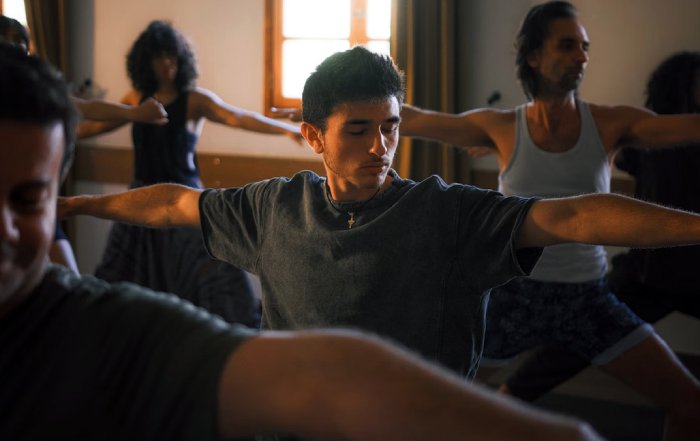
By 2026, mindful exercise is widely understood as an integrated approach to movement that combines physical training with deliberate attention, emotional awareness, and informed self-regulation, extending far beyond traditional associations with yoga or seated meditation. It encompasses strength and conditioning, endurance sports, functional training, team sports, low-impact modalities, and even esports preparation, all structured around the principle that internal signals-such as breath, posture, fatigue, and mood-are as important as external metrics like speed, load, or ranking. Institutions such as Harvard Medical School and the Mayo Clinic continue to highlight the benefits of mind-body practices that incorporate breath awareness and cognitive strategies into exercise, and their publicly available resources help explain why this integrated approach can improve adherence, reduce stress, and support long-term cardiovascular and metabolic health. Readers can explore the science behind mind-body connections through Harvard Health Publishing's coverage of exercise and mental health.
In practical terms, mindful exercise in 2026 looks different depending on context and region, but the underlying logic is consistent. A knowledge worker in London might use a smart treadmill that automatically adjusts pace based on heart rate variability and previous night's sleep, prompting them to downshift intensity when recovery scores are low instead of chasing arbitrary performance targets. A recreational runner in Berlin or Stockholm may follow a training plan that explicitly programs breath-focused easy runs and low-intensity mobility sessions alongside intervals, guided by wearable data and subjective readiness scores. Youth coaches in football academies in the United Kingdom or basketball programs in the United States increasingly integrate short mindfulness sessions and reflective check-ins into practice, responding to guidance from organizations such as the World Health Organization that link mental wellbeing, physical activity, and long-term health trajectories. Readers interested in global health perspectives can review the WHO's information on physical activity and health.
For the audience of SportyFusion.com, which spans high-performance athletes, ambitious amateurs, and business leaders in sectors adjacent to sport and wellness, this broadened definition of mindful exercise is particularly relevant. It informs the design of training content, influences equipment purchasing decisions, and shapes expectations of coaches, gyms, and digital platforms, reinforcing the idea that expertise is no longer measured only in intensity prescriptions or technical cues, but also in the ability to help people listen to their bodies, manage cognitive load, and adapt training intelligently over time.
The Scientific Foundation: Stress, Recovery, and Cognitive Performance
The continued rise of mindful exercise in 2026 is anchored in an expanding body of research linking chronic stress, inadequate recovery, and disrupted sleep to diminished physical and cognitive performance. Leading medical centers such as Stanford Medicine and Johns Hopkins Medicine have published analyses showing that persistent overreaching in training, when combined with work-related stress and digital overload, can elevate cortisol, impair immune function, and increase injury risk, while more balanced programs that incorporate structured recovery, breathwork, and psychological skills training can enhance neuroplasticity, emotional regulation, and decision-making. Those seeking to understand how exercise supports brain function can explore Johns Hopkins Medicine's resources on exercise and the brain.
At the same time, the normalization of hybrid and remote work across the United States, Canada, the United Kingdom, Germany, the Netherlands, Singapore, and other digitally advanced economies has blurred boundaries between professional and personal life, often increasing sedentary time while maintaining high cognitive demands. Organizations such as the World Economic Forum and the OECD have warned that burnout and musculoskeletal issues could become major drags on productivity and innovation if not addressed through systemic interventions that include movement, ergonomics, and mental health support. In response, employers now treat mindful exercise not simply as an optional perk, but as a component of risk management and talent strategy, integrating short movement breaks, guided breathing sessions, and personalized activity plans into daily workflows. Those interested in the broader economic context can review the OECD's work on mental health and work.
This scientific and economic convergence is shaping how the SportyFusion.com audience thinks about performance. For executives and entrepreneurs, mindful exercise becomes a tool for sustaining focus and creativity; for athletes and coaches, it is a way to extend careers and reduce injury; for health-conscious consumers, it offers a credible, research-backed alternative to cycles of overtraining and fatigue. The platform's coverage across performance, health, and business increasingly reflects this multi-dimensional understanding of what it means to perform at a high level in a volatile, always-on world.
Technology, Wearables, and the Maturation of "Mindful Metrics"
The technological infrastructure supporting mindful exercise has evolved significantly by 2026, moving beyond early-stage experimentation to a more mature ecosystem of wearables, smart apparel, connected equipment, and AI-driven coaching platforms. Companies such as Apple, Garmin, Whoop, and Oura have refined their devices to provide more accurate, context-aware insights into heart rate variability, sleep architecture, respiratory rate, and recovery indices, and users from New York to Tokyo increasingly interpret these metrics as guidance for self-regulation rather than as gamified badges. Organizations like the American Heart Association offer accessible explanations of how to use heart-rate and intensity zones to support cardiovascular health, and those interested in practical guidance can learn how to apply heart-rate data in training.
Digital fitness platforms, which saw explosive growth earlier in the decade, have also adjusted their engagement models. Instead of rewarding only volume and intensity through leaderboards and streaks, leading apps in North America, Europe, and Asia now incentivize consistency, sleep quality, active recovery, and low-intensity movement, aligning their scoring systems with recommendations from bodies such as the National Institutes of Health and the UK National Health Service. Those seeking evidence-based movement guidelines can consult the NHS physical activity recommendations. AI-powered coaching systems increasingly integrate subjective inputs-such as perceived exertion, mood, and stress levels-with biometric data to generate daily training suggestions that prioritize readiness and long-term progression over short-term heroics.
For SportyFusion.com, whose readers track the convergence of technology, training, and lifestyle, the emergence of these "mindful metrics" represents a critical evolution. It changes how performance is quantified not only in endurance sports and strength training, but also in emerging domains such as esports, where reaction time, sustained attention, and stress management are central. It also raises questions about data governance, privacy, and equity, as access to advanced wearables and personalized coaching can still vary by income level and geography, a tension that the platform's ethics coverage increasingly explores.
Elite Sport, Everyday Athletes, and the Diffusion of High-Performance Knowledge
In elite sport, mindful exercise has become a strategic differentiator rather than an experimental add-on. High-performance programs in football, rugby, tennis, cycling, athletics, and winter sports across the United States, United Kingdom, Germany, Italy, Spain, France, the Netherlands, Norway, Sweden, Japan, South Korea, and Australia now routinely employ sports psychologists, breathing specialists, and recovery experts alongside strength and conditioning coaches. Organizations such as the International Olympic Committee have expanded their focus on athlete mental health and long-term wellbeing, recognizing that the pressures of global competition, media scrutiny, and commercial obligations can lead to burnout and early retirement if not carefully managed. Readers can explore the IOC's Athlete365 resources on wellbeing and mental health.
What distinguishes 2026 from earlier phases of this evolution is the extent to which high-performance methodologies have diffused into everyday training cultures. Recreational runners in Amsterdam, cyclists in Melbourne, and strength enthusiasts in New York or Toronto now routinely discuss concepts such as periodization, deload weeks, and autoregulation, supported by a proliferation of educational content from consulting firms and think tanks that analyze the business and economic dimensions of wellness. McKinsey & Company has continued to map the growth of the global wellness economy, while Deloitte has examined the digitalization of sport and fitness, offering frameworks that help stakeholders understand where value is being created. Those interested in the macroeconomic perspective can review McKinsey's analyses of the wellness market.
For the global audience of SportyFusion.com, this democratization of high-performance knowledge is reshaping expectations of what constitutes "smart" training. Readers are less interested in generic high-intensity prescriptions and more focused on nuanced guidance that respects individual variability, cultural context, and life stage. The platform's sports and training sections increasingly feature stories that blend physiological insight with psychological strategies and ethical considerations, reflecting a belief that true expertise lies in helping people train hard when appropriate, but also in recognizing when to rest, recalibrate, or redefine success.
Mental Health, Culture, and the Changing Story of Fitness
Mindful exercise is equally a cultural phenomenon, reshaping narratives around body image, productivity, and identity across continents. Younger generations in particular, from Gen Z students in Seoul, Tokyo, and Singapore to early-career professionals in New York, London, Berlin, and Toronto, are rejecting narrow aesthetic ideals and unsustainable hustle culture in favor of a more holistic understanding of wellbeing that integrates movement, mental health, and social connection. Organizations such as Mental Health America and Mind in the United Kingdom have amplified the message that physical activity can be a powerful tool for managing anxiety and depression when delivered in psychologically safe and inclusive environments, and those interested in practical advice can explore Mind's guidance on physical activity and mental health.
Global agencies like UNICEF and UN Women continue to highlight the role of sport and exercise in youth development and gender equality, emphasizing access, safety, and representation. Campaigns that once focused primarily on participation are now increasingly concerned with the quality of experience, advocating for coaching practices and facility designs that support emotional safety as much as physical performance. For SportyFusion.com, whose culture, social, and ethics verticals examine how sport mirrors and shapes societal values, this shift in narrative is central. Coverage of inclusive studios highlights how classes are framed not as punishment for eating or preparation for a specific season, but as opportunities to feel grounded, connected, and confident in one's body.
This cultural reframing is also visible in brand communications. Major athletic and lifestyle companies have reduced their reliance on body-shaming tropes and extreme transformation stories, instead foregrounding themes of recovery, balance, and authenticity. Campaigns increasingly feature diverse body types, ages, and abilities, and many brands now partner with mental health organizations to develop responsible messaging. For readers of SportyFusion.com, this evolution is not only a matter of representation; it also influences purchasing decisions, as consumers scrutinize whether companies' stated values align with their own expectations around inclusivity and psychological safety.
Business Strategy and Brand Positioning in the Mindful Fitness Economy
The shift toward mindful exercise has profound implications for business models across the global fitness and wellness ecosystem. Traditional gym chains, boutique studios, digital platforms, apparel brands, equipment manufacturers, hospitality providers, and even financial services firms are recalibrating their offerings to serve consumers who prioritize long-term health, mental wellbeing, and ethical alignment over short-lived results. Consulting firms such as PwC and Accenture have noted that wellness is now a structural driver of consumer behavior, influencing subscription patterns, travel choices, and even housing decisions, particularly in markets with high digital penetration and strong health consciousness such as the United States, Canada, Germany, the Nordics, Singapore, and Australia. Those interested in cross-industry implications can explore PwC's insights into the future of consumer markets.
Organizations that integrate mindful exercise principles authentically into product design and service delivery are gaining a competitive edge. Equipment manufacturers are emphasizing joint health, adaptability, and accessibility, designing machines that accommodate a wide range of abilities and encourage varied movement patterns rather than only maximal load. Apparel brands are investing in materials that support comfort, thermoregulation, and body neutrality, while also responding to consumer expectations around sustainability and labor practices, issues that SportyFusion.com examines through its environment and brands coverage. Digital platforms are experimenting with membership models that bundle on-demand classes, live coaching, mental health content, and community features, recognizing that loyalty in 2026 is built on trust, transparency, and consistent value rather than aggressive upselling or short-term challenges.
For investors, entrepreneurs, and executives who follow SportyFusion.com's business reporting, the mindful fitness economy presents both opportunities and responsibilities. On one hand, there is significant growth potential in solutions that address chronic disease prevention, healthy aging, workplace performance, and youth development. On the other hand, stakeholders face increasing scrutiny from regulators, media, and consumers regarding data privacy, marketing ethics, and environmental impact. The organizations that will thrive are those that combine technical innovation with clear governance structures, credible partnerships with health and academic institutions, and a willingness to prioritize long-term relationships over short-term revenue spikes.
Sustainability, Ethics, and the Environmental Dimension of Movement
By 2026, the environmental dimension of fitness is no longer peripheral. As climate concerns intensify and regulatory frameworks tighten, particularly in the European Union, the United Kingdom, Canada, and parts of Asia, the sports and fitness sector is being asked to demonstrate how it contributes to, or mitigates, environmental degradation. Bodies such as the United Nations Environment Programme and the World Resources Institute continue to emphasize the need for sustainable business practices in all sectors, including sports, leisure, and tourism, and those interested can learn more about sustainable business practices.
Gyms, studios, and event organizers are rethinking facility design, energy use, materials, and waste management. Many facilities now prioritize renewable energy sources, low-impact flooring, water-efficient showers, and robust recycling and reuse programs, while large-scale events in cities such as Paris, Los Angeles, Tokyo, and Brisbane are exploring carbon accounting, sustainable transport incentives, and circular procurement models. Apparel and equipment companies are investing in recycled and bio-based materials, modular product design that extends lifespan, and transparent reporting on supply chains and emissions.
These developments resonate strongly with mindful exercisers, who increasingly see health, ethics, and environmental responsibility as intertwined. On SportyFusion.com, the intersection of environment, performance, and lifestyle coverage reflects this convergence, highlighting initiatives that reduce environmental impact without compromising training quality. For business leaders and policymakers, this alignment of consumer values with regulatory trends underscores the importance of integrating sustainability into core strategy rather than treating it as a marketing add-on.
Mindful Exercise in the Workplace: Strategic Asset in a Hybrid Era
In corporate environments across the United States, United Kingdom, Germany, Canada, Australia, Singapore, Japan, and beyond, mindful exercise has been elevated from a wellness perk to a strategic asset embedded in talent management, occupational health, and organizational culture. With hybrid and fully remote work now normalized, employers recognize that physical and mental health directly influence engagement, retention, and innovation. Organizations such as the World Health Organization and the International Labour Organization provide frameworks for workplace health promotion that emphasize integrated approaches to physical activity, mental health, and ergonomics, and interested readers can explore the WHO's workplace health resources.
Forward-looking companies are designing workdays that include short, guided movement breaks, digital mindfulness sessions, and access to personalized training plans that respect different cultural norms, time zones, and ability levels. Some employers partner with local studios or global platforms to offer hybrid memberships, while others integrate movement into meeting culture, encouraging walking calls or standing check-ins. In regions such as Japan, South Korea, and Singapore, where long working hours and high-pressure environments have historically contributed to stress-related health issues, these initiatives are particularly significant and are increasingly seen as markers of responsible leadership.
For professionals and HR leaders who follow jobs and workplace trends on SportyFusion.com, the integration of mindful exercise into corporate strategy represents both a career opportunity and an evolving expectation. Roles in corporate wellness, digital health, and organizational development now often require familiarity with mind-body science, behavior change principles, and ethical data use, illustrating how expertise in mindful exercise can translate into influence far beyond traditional fitness roles.
Gaming, Esports, and the Fusion of Digital and Physical Performance
One of the most striking developments of the mid-2020s is the integration of mindful exercise into gaming and esports, a domain covered in depth by SportyFusion.com's gaming vertical. As esports has matured into a global industry with professional leagues across North America, Europe, China, South Korea, Japan, and Southeast Asia, teams and sponsors have become increasingly aware of the physical and psychological demands placed on players. The Esports Integrity Commission and academic research groups focusing on digital performance have highlighted risks related to repetitive strain injuries, sleep disruption, and chronic stress, while also documenting the benefits of structured physical conditioning and mindfulness for reaction time, decision-making, and emotional regulation.
In response, leading teams now employ strength and conditioning coaches, physiotherapists, nutritionists, and sports psychologists to design holistic programs that include mobility work, cardiovascular conditioning, posture training, breath-focused sessions, and cognitive drills. These programs are built around mindful exercise principles, emphasizing awareness of bodily signals during long practice blocks, deliberate recovery routines, and strategies for managing arousal levels during high-stakes competition. For younger audiences in Brazil, Malaysia, South Africa, and other rapidly growing gaming markets, this visible integration of movement and mental skills into digital culture provides a powerful example of how performance in any field can benefit from mindful, structured approaches to training and recovery.
Regional Nuances in the Global Mindful Fitness Movement
While the core concepts of mindful exercise are global, their expression varies meaningfully across regions due to cultural norms, infrastructure, and policy frameworks. In North America, particularly in the United States and Canada, there is a strong emphasis on digital platforms, hybrid gym models, and corporate wellness, with cities such as New York, Los Angeles, Toronto, and Vancouver acting as hubs for innovation in connected equipment, AI coaching, and boutique experiences. Western European countries such as Germany, the Netherlands, Sweden, Denmark, and Norway integrate mindful exercise into broader public health strategies and urban planning, leveraging cycling infrastructure, extensive green spaces, and social insurance systems to promote everyday movement and recovery, themes that frequently appear in SportyFusion.com's world and news reporting.
In Asia, markets such as Japan, South Korea, Singapore, and China blend traditional practices like tai chi, qigong, and breathing exercises with advanced digital ecosystems and super-app platforms, creating hybrid models that appeal to both older and younger generations. Australia and New Zealand emphasize outdoor, nature-based movement-surfing, trail running, open-water swimming-now reframed through a mindful and environmentally conscious lens that acknowledges indigenous perspectives on land and stewardship. In Africa and South America, including South Africa, Brazil, and emerging hubs in Kenya and Colombia, community-based programs and social enterprises use mindful exercise as a tool for youth development, community cohesion, and public health, often in partnership with NGOs and international organizations.
These regional nuances underscore a central insight that guides SportyFusion.com's global coverage: while the science of stress, recovery, and movement is universal, successful implementation depends on cultural relevance, infrastructure, and governance. For readers across continents, understanding how different regions adapt mindful exercise principles offers both inspiration and practical ideas for local adaptation.
SportyFusion.com's Role in a Mindful, Performance-Oriented Future
As mindful exercise continues to reshape global fitness culture in 2026, SportyFusion.com occupies a distinctive position at the intersection of fitness, health, technology, business, sports, culture, and social impact. The platform's global perspective, spanning the United States, United Kingdom, Germany, Canada, Australia, France, Italy, Spain, the Netherlands, Switzerland, China, Sweden, Norway, Singapore, Denmark, South Korea, Japan, Thailand, Finland, South Africa, Brazil, Malaysia, New Zealand, and beyond, allows it to connect developments in elite sport, workplace strategy, consumer behavior, and environmental policy into coherent narratives that help readers make informed decisions.
In an information environment where experience, expertise, authoritativeness, and trustworthiness are paramount, SportyFusion.com remains committed to rigorous analysis, cross-disciplinary insight, and ethical framing. Its coverage not only highlights innovations in mindful training and recovery, but also interrogates the implications of data collection, algorithmic coaching, and sustainability claims, ensuring that readers can navigate a rapidly evolving landscape with confidence. As mindful exercise continues to evolve-integrating advances in neuroscience, digital technology, materials science, and cultural practice-the platform will remain a trusted guide for athletes, executives, creators, and everyday movers who seek to perform at a high level while living, working, and training with greater awareness, balance, and purpose.
For those looking to explore these themes further, SportyFusion.com's homepage at SportyFusion.com offers continuously updated coverage that brings together fitness, culture, health, world events, technology, business, and ethics into a single, coherent view of how mindful movement is shaping the future.