

How Digital Communities Inspire Fitness Success in 2026
The New Arena of Performance: Fitness in a Connected World
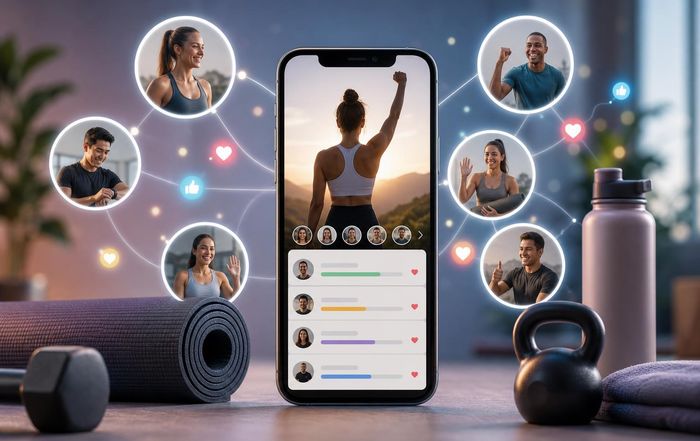
By 2026, the pursuit of fitness has moved far beyond the walls of traditional gyms and training centers, evolving into a deeply connected, data-rich and community-driven experience that spans continents and cultures. What began as scattered online forums and early social media groups has matured into sophisticated digital ecosystems where athletes, enthusiasts and beginners collaborate in real time, share evidence-based insights, and hold one another accountable across borders. For SportyFusion and its global audience, this transformation is not an abstract trend but a daily reality shaping how people train, recover, compete and define success in sport and health.
The convergence of high-speed connectivity, wearable technology, and social platforms has enabled new forms of collective motivation that are no longer limited by geography or time zones. From the United States and the United Kingdom to Germany, Singapore, South Africa and Brazil, digital communities now operate as always-on support networks, coaching circles and performance labs, blending individual ambition with shared purpose. As organizations such as World Health Organization and U.S. Department of Health & Human Services continue to emphasize the importance of physical activity for long-term health, these online communities have emerged as powerful enablers of adherence and consistency, two of the most critical factors in any successful fitness journey. In this environment, the role of trusted platforms like SportyFusion's fitness coverage is to connect, curate and contextualize these digital dynamics so that athletes and everyday movers can turn information into meaningful, sustainable action.
From Isolated Workouts to Networked Training Journeys
The shift from isolated workouts to networked training journeys began with simple step-count competitions and social media challenges, but in 2026 it has matured into a complex web of structured programs, community-led events and hybrid online-offline experiences. Fitness enthusiasts now routinely join digital training camps hosted by professional coaches, sports scientists and reputable organizations such as American College of Sports Medicine, where participants from North America, Europe, Asia and beyond can access periodized plans, live feedback and peer discussion. Learn more about how evidence-based exercise guidelines are shaping modern training approaches on the ACSM website.
These networked journeys are reinforced by a continuous stream of data from wearable devices, smart equipment and health apps, making every training session part of a broader narrative rather than an isolated event. Platforms inspired by research from institutions such as Harvard T.H. Chan School of Public Health have demonstrated that social support and perceived accountability significantly increase the likelihood of maintaining an exercise habit over time, especially when combined with clear, data-driven feedback loops. Readers who wish to explore long-term adherence in physical activity can review the public resources offered by Harvard Chan School. Within this landscape, SportyFusion has positioned itself as a guide for interpreting these developments, blending performance insights with cultural and technological context in its health-focused reporting.
The Psychology of Belonging: Why Community Drives Consistency
At the heart of digital fitness communities lies a psychological engine built on belonging, identity and shared progress. Behavioral science has long shown that people are more likely to sustain challenging behaviors when they feel part of a group that recognizes their effort and shares similar goals. In 2026, this principle is amplified by real-time feedback, social recognition features and gamified experiences integrated into leading platforms such as Strava, Garmin Connect and Nike Run Club. These platforms allow users to celebrate milestones, analyze performance and receive encouragement from peers, transforming solitary runs, rides or strength sessions into communal experiences.
Research summarized by American Psychological Association underscores that social support can buffer stress, enhance resilience and improve adherence to health behaviors, particularly when the support is perceived as authentic and nonjudgmental. Those interested in the psychological underpinnings of motivation and habit formation can explore APA's resources. Digital communities that foster inclusive, respectful interaction-rather than comparison-driven pressure-tend to generate stronger long-term engagement, a pattern increasingly visible in specialized communities that prioritize mental well-being alongside physical performance. This holistic view aligns closely with the editorial approach of SportyFusion, where sections such as culture and world examine how values, identity and social norms intersect with training and competition.
Data, Wearables and the Rise of Evidence-Based Community Coaching
The explosion of wearable technology has fundamentally altered how fitness communities operate and how success is defined. Devices from companies such as Apple, Garmin, Whoop and Polar now capture heart rate variability, sleep quality, training load and recovery metrics, enabling both individuals and community leaders to make more informed decisions about intensity, volume and rest. Organizations like Mayo Clinic and Cleveland Clinic provide accessible education on how biomarkers and physiological responses relate to overall health and performance, helping users interpret their data responsibly. Readers can learn more about heart health and exercise through Mayo Clinic's public fitness resources.
Community coaching has evolved in parallel. Certified trainers and sports scientists now host digital cohorts, using shared dashboards and analytics to identify patterns across groups, personalize recommendations and intervene when signs of overtraining or burnout emerge. This convergence of personal data and community oversight has raised important questions about privacy, ethics and data governance, topics explored by organizations such as Electronic Frontier Foundation and regulatory bodies in the European Union and North America. Those seeking a broader understanding of digital privacy in health and fitness contexts may review EFF's guidance. For SportyFusion, whose readers span the United States, Europe, Asia, Africa and South America, the responsible use of technology is not merely a technical issue but a core dimension of trust, reflected in the platform's dedicated coverage of technology and ethics.
Global Reach, Local Relevance: Communities Without Borders
One of the most distinctive features of digital fitness communities in 2026 is their ability to connect participants across regions while remaining sensitive to local realities. Runners in Japan can join virtual marathons with peers in Canada, cyclists in Italy can share routes and power data with athletes in South Africa, and strength athletes in Brazil can access programming insights from coaches in Germany or Norway. At the same time, these communities increasingly recognize that training environments, cultural expectations and infrastructural constraints differ significantly across countries and regions, from urban centers in the United States and the United Kingdom to emerging fitness hubs in Thailand, Malaysia and South Africa.
Organizations such as World Economic Forum and OECD have highlighted the role of digital connectivity in reducing inequality of access to knowledge and expertise, while also warning that disparities in infrastructure and digital literacy can create new divides. Those interested in the broader economic and social implications of global connectivity can explore WEF's insights. For a platform like SportyFusion, whose world news and analysis track how sports and fitness intersect with geopolitics, trade, and technology, this dual reality is central: digital communities can democratize access to elite knowledge, but they must be designed with inclusivity and cultural sensitivity in mind if they are to truly inspire success worldwide.
The Business of Community: Brands, Platforms and New Revenue Models
The commercial dimension of digital fitness communities has expanded rapidly, with brands, platforms and content creators recognizing that engaged communities are among the most valuable assets in the modern sports and wellness economy. Companies such as Peloton, Zwift, Adidas and Lululemon have invested heavily in interactive platforms, subscription models and community-centric campaigns that blend content, commerce and social engagement. Industry analyses from organizations like McKinsey & Company and Deloitte indicate that consumers increasingly prioritize experiences and ecosystems over standalone products, especially in the health and fitness sector. Readers can learn more about evolving sports and fitness business models through McKinsey's consumer insights.
This shift has profound implications for how success is measured and monetized. Instead of focusing solely on unit sales of equipment or apparel, leading brands now track community engagement, retention and cross-platform participation, integrating data from apps, social media and live events. For SportyFusion, which covers these developments through its business section and brands coverage, the central question is how to balance commercial innovation with authenticity and user trust. Communities that feel overly commercialized or manipulated tend to fragment, whereas those built on transparent value exchange-where users clearly understand the benefits, costs and data practices involved-are more likely to foster long-term loyalty and genuine performance gains.
Jobs, Expertise and the Professionalization of Digital Coaching
The rise of digital communities has also reshaped the labor market for fitness and sports professionals, creating new roles and career paths that did not exist a decade ago. Certified trainers, physiotherapists, sports psychologists and nutritionists now work as remote performance coaches, community managers and content strategists, often serving global client bases from home offices in cities such as London, Berlin, Toronto, Sydney, Singapore and São Paulo. Professional organizations like National Academy of Sports Medicine and International Sports Sciences Association have expanded their curricula to include digital communication, remote assessment and online community management, recognizing that technical expertise must be paired with digital fluency. Those interested in evolving standards for fitness professionals can explore NASM's educational resources.
This professionalization of digital coaching has created both opportunities and challenges. On one hand, talented coaches can now reach far larger audiences, diversify their income and collaborate with peers across continents. On the other hand, the low barrier to entry for online content creation has led to a proliferation of unverified advice, making it harder for consumers to distinguish credible experts from charismatic amateurs. Regulatory bodies and industry associations are therefore placing greater emphasis on certifications, continuing education and transparent credentials. For readers of SportyFusion, the jobs and careers section increasingly highlights roles that blend sports science, digital communication and community leadership, reflecting the evolving nature of work in the fitness ecosystem.
Culture, Identity and the Social Meaning of Fitness
Beyond metrics and business models, digital fitness communities are reshaping cultural narratives around sport, body image and identity. In 2026, discussions about inclusivity, representation and accessibility are central to how communities define success, especially among younger audiences in Europe, North America, Asia and Africa. Initiatives by organizations such as UNESCO and UN Women have emphasized the role of sport and physical activity in promoting gender equality, social cohesion and youth development, particularly when digital tools are used to amplify marginalized voices. Readers can learn more about sport and social inclusion through UNESCO's sport program.
Online communities now serve as spaces where diverse body types, abilities and backgrounds can be celebrated, challenging narrow definitions of athleticism that once dominated mainstream media. This shift is visible in adaptive training groups for athletes with disabilities, age-inclusive running clubs, and culturally specific fitness groups that blend traditional practices with modern training methods across countries like India, Japan, Nigeria and Mexico. At SportyFusion, the culture and social sections frequently examine how these communities negotiate issues of identity, belonging and representation, recognizing that the emotional and social dimensions of fitness are as important as the physiological ones in sustaining long-term engagement.
Performance, Gaming and the Gamification of Training
The boundary between gaming and training has become increasingly porous, particularly for younger demographics in regions such as South Korea, Japan, the United States and the Nordic countries. Platforms that blend esports aesthetics with physical challenges, such as Zwift for cycling and running or mixed-reality systems integrating motion tracking and virtual environments, have made it possible to turn endurance sessions and high-intensity intervals into immersive, game-like experiences. Research compiled by organizations such as World Economic Forum and OECD suggests that gamification, when thoughtfully designed, can enhance motivation and learning outcomes by providing clear goals, immediate feedback and a sense of progression. Those who wish to explore the broader impact of gamification on learning and work can review OECD's digital education insights.
In the context of fitness, the challenge lies in aligning game mechanics with sound training principles so that users do not sacrifice long-term health for short-term excitement. Communities that integrate coach oversight, evidence-based programming and recovery education tend to achieve better outcomes than those driven purely by competition or novelty. SportyFusion addresses this intersection through its dedicated gaming and performance coverage, exploring how athletes, developers and sports organizations can harness gamification to enhance performance without compromising safety or well-being.
Sustainability, Environment and the Ethical Dimensions of Digital Fitness
As digital fitness ecosystems expand, questions about environmental impact, sustainability and ethics have moved to the forefront. The production and disposal of wearable devices, smart equipment and connected hardware carry environmental costs that are increasingly scrutinized by regulators and consumers in regions such as the European Union, Canada and Australia. Organizations like United Nations Environment Programme and Ellen MacArthur Foundation have called for circular design principles, extended product lifecycles and responsible e-waste management, urging companies to embed sustainability into product and service design. Readers can learn more about sustainable business practices through the Ellen MacArthur Foundation's resources.
Digital communities themselves can play a constructive role by promoting active transport, outdoor training and environmentally conscious event design, from low-waste virtual races to carbon-aware travel planning for international competitions. At the same time, ethical considerations around data ownership, algorithmic bias and commercial influence remain central. Communities must navigate how recommendation systems prioritize content, how sponsorships are disclosed, and how vulnerable users-such as adolescents or individuals with a history of disordered eating-are protected from harmful messaging. SportyFusion treats these questions as integral to its editorial mission, covering them through dedicated sections on environment and ethics, ensuring that readers can evaluate not only what drives performance, but also what aligns with their values.
How SportyFusion's Digital Community Connects the Dots
Within this global landscape, SportyFusion itself has become part of the digital community infrastructure that inspires fitness success. By integrating coverage across sports, fitness, health, technology, business and other verticals, the platform provides a multidimensional view of how training, culture, innovation and ethics interact. Its global readership-spanning the United States, United Kingdom, Germany, Canada, Australia, France, Italy, Spain, Netherlands, Switzerland, China, Sweden, Norway, Singapore, Denmark, South Korea, Japan, Thailand, Finland, South Africa, Brazil, Malaysia and New Zealand-engages not only with articles but also with one another, forming an informal yet influential network of practitioners, professionals and enthusiasts.
This community-driven approach is grounded in the principles of experience, expertise, authoritativeness and trustworthiness. Content is shaped by collaboration with coaches, sports scientists, technologists and business leaders who bring first-hand knowledge of how digital tools are reshaping training and competition. At the same time, SportyFusion recognizes that its role is not to dictate a single model of success, but to illuminate diverse pathways, from elite performance to lifelong recreational activity. By highlighting stories from different regions, disciplines and levels of ability, the platform reinforces the idea that success in fitness is not defined solely by podium finishes or personal records, but by sustained engagement, improved health and meaningful connection.
Looking Ahead: The Future of Digital Fitness Communities
As the world moves deeper into the second half of the 2020s, digital fitness communities are poised to become even more integrated into daily life, supported by advances in artificial intelligence, extended reality and biometric sensing. Personalized coaching algorithms will become more sophisticated, virtual training environments more immersive, and cross-platform ecosystems more seamless. Yet the core drivers of success are likely to remain constant: a sense of belonging, access to credible expertise, transparent and ethical use of data, and the ability to translate digital interaction into tangible improvements in health, performance and well-being.
For SportyFusion and its readership, the challenge and opportunity lie in harnessing these tools without losing sight of the human elements that make sport and fitness meaningful. Whether readers are competitive athletes in Europe, recreational runners in North America, emerging fitness entrepreneurs in Asia, or community organizers in Africa and South America, the digital communities they join will continue to shape their habits, identities and aspirations. By staying informed through trusted sources, engaging with diverse perspectives and participating in communities that align with their values, individuals can ensure that the next generation of digital fitness is not only more connected and data-driven, but also more inclusive, sustainable and empowering.
In this evolving landscape, SportyFusion remains committed to serving as both observer and participant, providing the analysis, context and community connection that enable readers to turn digital inspiration into real-world fitness success. As digital communities continue to grow and diversify, the stories, insights and experiences shared across the SportyFusion network will play an increasingly important role in shaping how the world moves, competes and thrives.