

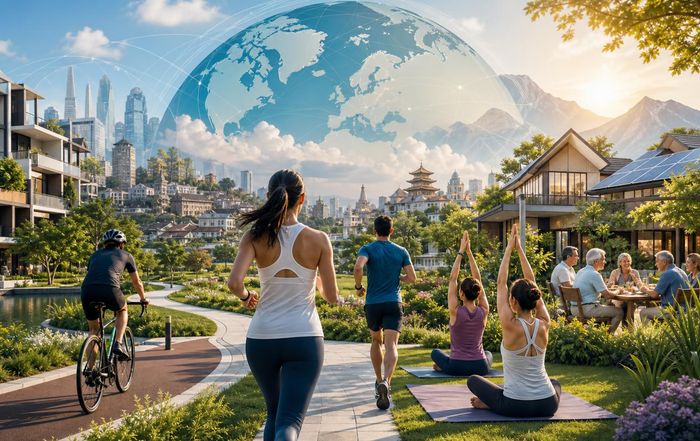
Global Trends in Active Lifestyle Communities
The Rise of Active Lifestyle Communities as a Global Movement
Active lifestyle communities have evolved from niche wellness enclaves into a defining feature of modern urban and digital life, reshaping how people across continents work, socialize, train, and consume media. What began as local running clubs and gym memberships has expanded into integrated ecosystems that combine sport, fitness, health, culture, technology, business, and social impact, connecting individuals from New York to Berlin, Singapore to São Paulo, and Sydney to Cape Town. For SportyFusion, which was founded on the conviction that performance, culture, and wellbeing are inseparable, these developments are not simply trends to be observed; they form the living context in which the platform's readers train, compete, build careers, and shape communities.
The World Health Organization's evolving recommendations on physical activity, documented through its global physical activity guidelines, have underscored the urgency of combating sedentary lifestyles, particularly in rapidly urbanizing regions where digital work and entertainment dominate daily routines. Learn more about the latest global physical activity recommendations on the World Health Organization website. Against this backdrop, active lifestyle communities have emerged as a powerful counterbalance, offering not only structured exercise but also identity, belonging, and shared purpose, making them especially influential among younger demographics in the United States, United Kingdom, Germany, Canada, Australia, and increasingly across Asia, Africa, and South America.
At the same time, the convergence of digital platforms, connected devices, and sports science has transformed how these communities are formed and sustained. Readers of SportyFusion encounter this convergence every day, whether they are exploring the latest training insights in the fitness section, following emerging sports culture narratives in culture coverage, or examining how performance data and wearable technologies are redefining elite and everyday athleticism in the performance hub. The global picture that emerges is one of increasingly sophisticated, interconnected, and purpose-driven active lifestyle communities that are influencing not only personal health, but also business models, urban development, and even public policy.
From Local Clubs to Global, Hybrid Communities
The traditional image of an active community as a local running club or neighborhood gym has been expanded by the hybrid physical-digital models that accelerated during the COVID-19 era and have matured by 2026. Organizations such as Parkrun, which began as a simple weekly 5K in the UK, now symbolize how grassroots initiatives can scale internationally, leveraging digital registration, standardized timing, and community storytelling to build a global network of participants. Explore how inclusive community running models are evolving on the parkrun global website. These models have been replicated across cycling, hiking, functional fitness, and even esports-inspired training, creating a continuum from local park to global leaderboard.
Social media platforms and community-oriented fitness apps have become the connective tissue of this ecosystem. Services inspired by early pioneers like Strava and Nike Run Club have integrated advanced analytics, social challenges, and localized content, allowing runners in Tokyo, cyclists in Amsterdam, and swimmers in Cape Town to participate in the same virtual events while still nurturing local meetups. The ability to form micro-communities based on pace, goals, language, or even profession has further personalized the experience, mirroring the segmented yet interconnected approach that SportyFusion takes across its dedicated areas such as sports, health, and lifestyle.
At the same time, facilities and venues have adapted to support this hybrid reality. Multi-purpose sports hubs in cities from London to Singapore increasingly integrate coworking spaces, recovery clinics, nutrition cafés, and streaming studios, enabling community leaders to host in-person and virtual sessions simultaneously. This blending of physical and digital infrastructure has created new expectations among active individuals, who now see training not as a discrete activity but as an integrated part of their daily environment, whether they are accessing training plans from SportyFusion's training section or participating in a global challenge organized by a major sports brand.
Health, Performance, and the New Definition of Wellness
The global conversation around health has shifted significantly, and active lifestyle communities are at the center of this transformation. No longer focused solely on aesthetics or competitive results, these communities now emphasize holistic wellbeing that includes cardiovascular fitness, mental health, sleep quality, nutrition, and recovery. The Mayo Clinic and other leading medical institutions have consistently highlighted the link between regular physical activity and reduced risk of chronic diseases such as heart disease, diabetes, and certain cancers; readers can explore these connections through the Mayo Clinic's fitness and exercise resources.
In practice, this holistic model means that a community built around running, cycling, or functional training increasingly incorporates education on stress management, mindfulness, and work-life integration. Athletes and enthusiasts in North America, Europe, and Asia-Pacific are embracing science-backed approaches to sleep and recovery, often guided by insights from organizations like the National Sleep Foundation, whose research on optimal sleep for active adults has influenced training schedules and competition calendars. Learn more about the relationship between sleep and performance on the National Sleep Foundation website.
For SportyFusion readers, this integration of health and performance is especially visible in the way training content, nutritional guidance, and mental resilience strategies are presented as complementary rather than separate domains. In-depth articles in the health section often intersect with performance-focused analysis in the performance vertical, reflecting the reality that elite athletes and committed amateurs alike now view their bodies as complex systems that require coordinated care. This shift in mindset has also driven demand for more credible, evidence-based information, reinforcing the importance of expertise, authoritativeness, and trustworthiness in any platform that seeks to guide active communities.
Technology as the Backbone of Connected Activity
By 2026, technology has become the backbone of active lifestyle communities, underpinning everything from individual training plans to global competitions. Wearable devices from companies such as Apple, Garmin, and Whoop have moved beyond simple step counts and heart rate tracking to deliver continuous monitoring of heart rate variability, sleep stages, oxygen saturation, and even early warning indicators for overtraining or illness. The Apple Health ecosystem and similar platforms have enabled individuals to consolidate health data from multiple devices, creating a comprehensive view of their wellbeing that can be shared, with consent, with coaches or healthcare professionals. Learn more about integrated health tracking through Apple's health features overview.
Meanwhile, platforms inspired by pioneers like Peloton and Zwift have expanded into fully fledged virtual training environments where cyclists, runners, and rowers from Germany, Canada, Japan, and Brazil can train together in real time, guided by coaches who analyze live performance data. The gamification of training, which adds points, levels, and virtual rewards, has proven particularly effective in sustaining motivation, especially among younger athletes and those accustomed to competitive gaming. The International Olympic Committee has recognized this convergence of sport and gaming, with initiatives to explore the future of virtual and hybrid sports; more on this can be found through the IOC's digital initiatives.
For SportyFusion, whose audience is deeply engaged with both high-performance sport and the broader world of gaming, the technological infrastructure behind these communities is not merely a backdrop but a primary area of interest. Articles examining the latest training technologies, data privacy issues, and the ethics of algorithm-driven coaching help readers navigate a landscape where their performance and health metrics are constantly collected and analyzed. This emphasis on informed, critical engagement aligns with growing global concern about data governance and the need to balance innovation with individual rights.
Business Models, Brands, and the Economics of Active Communities
The economic landscape surrounding active lifestyle communities has expanded dramatically, drawing in established sportswear giants, technology firms, venture-backed startups, and even traditional healthcare providers. Companies such as Nike, Adidas, Lululemon, and Under Armour have moved beyond selling products to building ecosystems of content, apps, events, and community programs, often anchored by flagship stores that double as community hubs. The Harvard Business Review has chronicled the shift from product-centric to experience-centric business models in the sports and wellness industry, illustrating how community engagement has become a core driver of brand loyalty. Learn more about experience-led growth strategies in sports and wellness through Harvard Business Review's insights.
Emerging brands in Europe, Asia, and North America are also building their identities around specific community values, whether that is sustainability, inclusivity, or performance innovation. These companies recognize that active individuals are increasingly discerning about the brands they support, scrutinizing supply chains, labor practices, and environmental impact. The Global Reporting Initiative and similar frameworks have made it easier to evaluate corporate sustainability claims, and active consumers are using this information when choosing equipment, apparel, and nutrition products. Learn how sustainability reporting standards are shaping corporate behavior on the Global Reporting Initiative site.
For SportyFusion's business-oriented readers, the evolution of these models is tracked in depth through the platform's business coverage, which analyzes sponsorship strategies, digital subscription models, and the emergence of new job categories within the active lifestyle economy. The rise of community managers, digital coaches, performance data analysts, and hybrid event producers illustrates how active lifestyle communities are not only improving health but also generating new employment and entrepreneurial opportunities worldwide. The dedicated jobs section increasingly features roles that sit at the intersection of sports, technology, and community building, reflecting the sector's growing sophistication.
Culture, Identity, and Inclusivity in Active Communities
Active lifestyle communities have also become powerful arenas for cultural expression and identity formation. Across South Africa, Brazil, France, Italy, Spain, and urban centers in Asia, running crews, street workout collectives, and urban cycling groups have emerged as symbols of local creativity, resilience, and social connection. These communities often blend sport with music, fashion, and art, creating distinctive subcultures that challenge traditional images of athleticism. Platforms such as VICE and The Guardian have documented how these movements intersect with issues of race, gender, and class, especially in cities undergoing rapid gentrification; further exploration is available through The Guardian's coverage of sport and culture.
Inclusivity has become a defining value for many of these communities, with growing attention paid to accessibility for women, LGBTQ+ participants, people with disabilities, and those from lower-income backgrounds. Organizations like Women in Sport in the UK and Athletes for Hope in the United States have advocated for more equitable access to facilities, coaching, and competitive opportunities, emphasizing that active lifestyle communities can serve as engines of social mobility and empowerment. Learn about initiatives promoting equality and inclusion in sport through Women in Sport's resources.
For SportyFusion, which regularly explores the intersection of sport, identity, and society in its culture section and social coverage, these developments highlight the need for nuanced storytelling that goes beyond performance metrics. Profiles of community leaders, grassroots organizations, and emerging cultural movements help readers understand how active lifestyles are reshaping norms around body image, aging, and gender roles in regions as diverse as Scandinavia, East Asia, and Latin America. This cultural lens is crucial for appreciating the full impact of active communities, which influence not only how people move but also how they see themselves and each other.
Sustainability, Environment, and Ethical Responsibility
As active lifestyle communities grow, their environmental and ethical responsibilities have become impossible to ignore. From the carbon footprint of international marathons and global fitness expos to the waste generated by fast-fashion sportswear and disposable nutrition products, the sector faces significant sustainability challenges. The United Nations Environment Programme has highlighted the environmental impact of sports events and apparel production, calling for more sustainable practices across the value chain. Learn more about environmental impacts and sustainable sport initiatives on the UN Environment Programme website.
In response, many communities and organizations are adopting greener practices, such as low-waste events, local sourcing of products, and circular economy approaches to equipment and apparel. Trail running and outdoor communities in countries like Norway, Sweden, Switzerland, and New Zealand have been particularly vocal in advocating for conservation, often partnering with environmental NGOs to protect the natural spaces that underpin their activities. The International Union for Conservation of Nature (IUCN) provides valuable insights into how outdoor recreation can be balanced with ecosystem protection; further reading is available through the IUCN's resources.
Ethical considerations extend beyond the environment to include labor rights, data privacy, and marketing practices. The increased use of performance data and biometric monitoring raises questions about who owns this information and how it is used, especially when integrated into marketing and insurance products. Regulatory bodies in Europe, North America, and parts of Asia are beginning to address these concerns through data protection laws and guidelines on digital health tools. For readers of SportyFusion, the ethics section and environment coverage provide ongoing analysis of these issues, helping active individuals and organizations make informed, responsible choices that align performance ambitions with broader social and environmental values.
Work, Careers, and the Integration of Activity into Daily Life
The integration of active lifestyles into work and careers has accelerated, driven by shifts in workplace expectations, remote work patterns, and a growing recognition of the link between physical activity and productivity. Research from institutions such as Stanford University and MIT has shown that regular exercise can improve cognitive function, creativity, and stress resilience, findings that have influenced corporate wellness strategies and office design. Explore evidence on physical activity and productivity through Stanford's health and work research.
Forward-looking employers in the United States, United Kingdom, Germany, Singapore, and Japan are now designing work environments that encourage movement throughout the day, from active commuting incentives to on-site training spaces and flexible schedules that accommodate midday workouts. Remote workers, meanwhile, are increasingly relying on digital communities to structure their routines and maintain accountability, turning to platforms like SportyFusion not only for training insights but also for career guidance that supports an active life. The jobs section often features roles within companies that explicitly prioritize employee wellbeing, reflecting a broader shift in what talented professionals expect from employers.
This convergence of work and activity has also created new business opportunities, from corporate wellness consultancies to specialized coworking spaces that integrate gyms, studios, and recovery zones. For active professionals, the lines between personal training goals and professional development are blurring, as leadership programs and team-building initiatives increasingly incorporate physical challenges and outdoor experiences. SportyFusion's world and news coverage tracks how these trends play out across regions, highlighting best practices from companies in North America, Europe, and Asia-Pacific that are redefining what a high-performance work culture looks like in an era where health and productivity are understood as interdependent.
The Future of Active Lifestyle Communities!
Looking toward the late 2020s, active lifestyle communities are poised to become even more influential in shaping urban planning, healthcare systems, media consumption, and global culture. Urban planners in cities from Copenhagen to Seoul are integrating active mobility, green corridors, and community sports facilities into long-term development plans, recognizing that physically engaged citizens contribute to lower healthcare costs and stronger social cohesion. The World Economic Forum has repeatedly emphasized the economic and social returns of investing in health-promoting infrastructure; insights on these macro trends can be found through the World Economic Forum's health and wellbeing agenda.
Healthcare systems, particularly in Canada, Australia, France, and Singapore, are experimenting with "exercise prescriptions" and community-based rehabilitation programs that leverage existing sports and fitness networks, blurring the boundary between medical care and community activity. Digital platforms are expected to play a central role in coordinating these efforts, connecting patients, practitioners, and community leaders in ways that are both scalable and personalized. Media organizations that can provide accurate, actionable, and context-rich information will be critical in guiding individuals through this increasingly complex landscape.
For SportyFusion, the growth and diversification of active lifestyle communities underscore the importance of its mission to connect sports, fitness, health, culture, technology, and business in a coherent narrative. The platform's integrated approach, spanning fitness, sports, technology, business, and more, reflects the reality that active individuals do not live in silos; they navigate overlapping worlds of performance, work, identity, and social responsibility. By foregrounding experience, expertise, authoritativeness, and trustworthiness, SportyFusion aims to serve as a reliable guide for readers in the United States, Canada, Australia, France, Italy, Spain, China, Japan, South Korea, Brazil, Africa, and beyond, who are building their own active communities and seeking to understand the forces shaping them.
As global trends continue to evolve, one constant remains: the human desire to move, to connect, and to improve. Active lifestyle communities, whether organized around a local football pitch, a global cycling app, a workplace wellness initiative, or a digital platform like this, will remain at the forefront of this movement, demonstrating that in a world of rapid technological and social change, the simple act of being active together can still be one of the most powerful drivers of individual and collective transformation.