

The Aesthetics of Motion in Sports Photography
Introduction: Why Motion Matters in the Sporting Image
As global audiences consume more visual content than at any other time in history, the aesthetics of motion in sports photography have become a defining language for how fans understand performance, identity, and culture. On platforms such as SportyFusion and across the broader sports media ecosystem, a single still frame can crystallize the speed of a sprinter in Eugene, the precision of a gymnast in Paris, or the resilience of a footballer in Rio, shaping how entire seasons and careers are remembered. Motion, paradoxically captured in still images, is no longer just about freezing action; it is about conveying narrative, emotion, and context in ways that resonate with viewers from the United States and United Kingdom to Japan, Brazil, and South Africa.
The modern sports photograph exists at the intersection of art, technology, and high-performance culture. It is informed by advances in camera engineering, data analytics, and digital distribution, while also drawing on visual traditions from documentary photography, fine art, and commercial branding. For a publication like SportyFusion, whose readers care deeply about sports performance and innovation as well as fitness and training, understanding the aesthetics of motion is inseparable from understanding the evolution of sport itself. As leagues expand globally, as esports enter mainstream consciousness, and as athletes become powerful brands in their own right, the crafted image of motion has become a strategic asset as much as an artistic achievement.
From Freeze-Frame to Flow: A Brief Evolution of Motion Aesthetics
The history of motion in sports photography can be traced back to the late nineteenth century, when pioneers such as Eadweard Muybridge used sequential photography to analyze the gait of horses, laying the foundations for both motion studies and early cinema. Those early experiments, documented by institutions like the Smithsonian, were fundamentally scientific in intent, yet they revealed something profound about the expressive potential of frozen motion: that a split second could reveal truths about speed, force, and human or animal movement that the naked eye could never fully grasp.
By the mid-twentieth century, with the rise of mass media, sports photography became central to the visual identity of organizations such as Sports Illustrated, L'Équipe, and The New York Times sports desk. Photographers began to refine techniques that emphasized peak action, capturing the decisive moment when a basketball player left the floor, a tennis player's racquet met the ball, or a goalkeeper's fingertips brushed the edge of a penalty shot. As the International Olympic Committee documented each Games with increasing visual sophistication, the aesthetics of motion became closely linked with national pride, commercial sponsorship, and the global storytelling of sport, particularly across Europe, North America, and Asia.
The digital revolution of the late 1990s and early 2000s, accelerated by the emergence of DSLRs from companies such as Canon and Nikon, transformed both the technical and aesthetic possibilities of sports imagery. Faster autofocus, higher frame rates, and improved low-light performance enabled photographers to push beyond the simple freeze-frame toward more complex interpretations of motion, experimenting with panning, intentional blur, and layered compositions. As broadband and mobile connectivity spread throughout regions like Germany, Canada, Australia, and Singapore, real-time dissemination of images through online outlets and emerging social platforms began to shape not just how motion was captured, but how quickly it needed to be delivered.
Today, with 2026-era mirrorless systems from brands such as Sony, Fujifilm, and Leica, and with computational imaging techniques inspired by research from organizations like MIT Media Lab, the aesthetics of motion in sports photography are defined by a blend of technical precision and creative risk-taking. The modern sports image is expected to be both technically impeccable and emotionally resonant, reflecting the increasingly sophisticated visual literacy of audiences who navigate seamlessly between live broadcasts, short-form video, and high-resolution stills across multiple devices.
Technical Foundations: How Equipment Shapes the Look of Motion
The aesthetics of motion in sports photography are deeply influenced by the tools that photographers use and the environments in which they work. Modern cameras, lenses, and support systems do more than simply enable faster shooting; they shape how motion is perceived, what details are emphasized, and how viewers interpret athletic performance. For readers of SportyFusion who follow developments in sports technology and high-performance gear, understanding these foundations provides insight into why certain images feel more dynamic, immersive, or authentic than others.
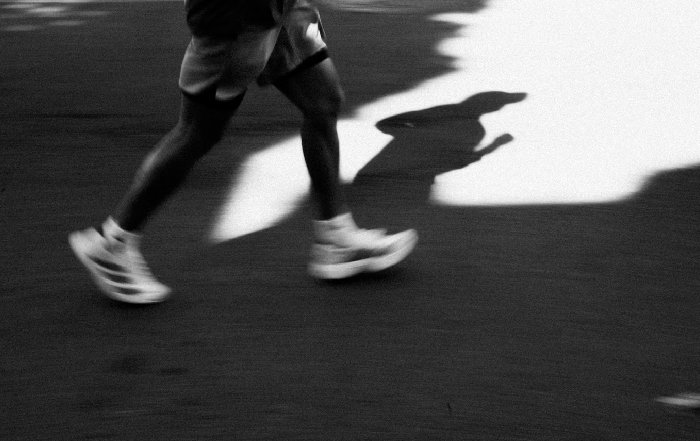
Shutter speed remains the central variable in defining the character of motion in a still image. At extremely high shutter speeds, often exceeding 1/2000 of a second, a photographer can freeze a sprinter's foot just as it leaves the starting block or capture the exact ripple of a swimmer's arm breaking the surface. This kind of crystalline clarity, widely employed by major broadcasters and agencies such as Getty Images and Reuters, creates an impression of superhuman precision, aligning with the high-performance narratives celebrated by organizations like World Athletics and FIFA. Conversely, slower shutter speeds introduce blur, which, when used deliberately, can suggest speed, chaos, or flow, as seen in long panning shots of cyclists in the Tour de France or marathon runners streaking past city landmarks in London, Berlin, or Tokyo.
Lens selection and sensor technology further refine these aesthetic choices. Telephoto lenses compress perspective, bringing distant backgrounds closer and intensifying the sense of competition in crowded scenes, while wide-angle lenses emphasize environment and context, often favored in sports photography that seeks to highlight stadium architecture, urban landscapes, or natural settings. Advances in sensor dynamic range, championed by companies like Sony and Canon, allow photographers to maintain detail in both shadows and highlights, enabling powerful images that capture the contrast of floodlit stadiums against night skies or the interplay of sunlight and shade on ski slopes in Switzerland, Norway, and Japan. Readers interested in the intersection of health, performance, and visual technology can explore how these tools align with broader trends in sports and lifestyle coverage.
Equally important is the role of autofocus and tracking algorithms, which in 2026 often rely on machine learning models trained to recognize human forms, faces, and patterns of motion. Camera manufacturers and technology firms, informed by research from organizations such as IEEE and ACM, have developed systems that can lock onto athletes even amid complex backgrounds and unpredictable movements, ensuring that the critical moment remains sharp. This shift has liberated photographers to experiment more freely with composition and timing, knowing that the camera will assist in maintaining focus, and it has contributed to a new aesthetic in which unconventional angles, partial obstructions, and layered foreground elements are embraced rather than avoided.
Compositional Strategies: Designing the Illusion of Movement
Beyond technical choices, the aesthetics of motion in sports photography are profoundly shaped by composition, framing, and the photographer's understanding of how viewers visually process movement. For a global readership that spans fans in the Netherlands, Italy, South Korea, and South Africa, the most compelling images are those that guide the eye across the frame in ways that echo the dynamics of the sport itself, creating a visual rhythm that mirrors the physical rhythm of play.
One of the most effective compositional strategies for conveying motion is the use of leading lines and directional cues. In sports such as athletics, cycling, and motorsport, track lines, road markings, and barriers naturally create visual pathways that draw the viewer's gaze in the direction of movement. Photographers who position themselves to align these elements with the athlete's trajectory can create images in which the viewer almost feels pulled forward, as if participating in the motion. This approach has been refined by photo editors at organizations like The Guardian, BBC Sport, and ESPN, who understand how such visual dynamics increase engagement on digital platforms where attention spans are short and competition for clicks is intense.
Foreground and background elements also play a crucial role in shaping the perception of motion. When a photographer includes blurred spectators, advertising boards, or environmental features in the foreground, while keeping the athlete sharp, the resulting image suggests the athlete's speed relative to the world around them. Conversely, a blurred athlete against a sharp background can evoke struggle, fatigue, or the relentlessness of time, particularly in endurance sports and late-game scenarios. This interplay between sharpness and blur has been explored not only in traditional sports but also in emerging arenas such as esports and competitive gaming, where photographers and content creators must translate virtual motion into compelling real-world imagery, a topic increasingly relevant to readers following gaming and digital culture.
Color and light are equally central to motion aesthetics. High-contrast lighting, whether from stadium floodlights or natural sunlight, can accentuate the muscular tension and micro-expressions that accompany peak physical exertion, while color palettes influenced by team kits, sponsor branding, and venue design contribute to the emotional tone of the image. Photographers covering major events like the Olympic Games, the UEFA European Championship, or the NBA Finals often collaborate with art directors and brand managers to ensure that captured images align with broader visual identities, reinforcing the connection between motion, performance, and commercial storytelling. For those interested in how visual design intersects with sports business, resources from organizations like the Design Council offer deeper insights into these strategic considerations.
Cultural Narratives: Motion as Identity and Story
The aesthetics of motion in sports photography are not purely technical; they are deeply cultural, reflecting and shaping how societies perceive competition, fairness, gender, race, and national identity. A single image of a runner from Kenya breaking the tape in a world marathon major, a skateboarder from Brazil mid-trick in a street competition, or a para-athlete from Germany accelerating in a racing wheelchair can become emblematic of broader narratives about resilience, inclusion, and social change. In this sense, motion in sports photography serves as a visual language through which complex social and ethical debates are played out.
Media organizations and governing bodies, from World Rugby to FIFA and the International Paralympic Committee, increasingly recognize that the images they commission and distribute carry significant cultural weight. Photographs that highlight diverse body types, celebrate women's sports, or foreground athletes from underrepresented regions such as parts of Africa, Southeast Asia, and South America contribute to a more inclusive visual canon. At the same time, critics and scholars, including those at institutions like Harvard University and Oxford University, have noted that motion images can reinforce stereotypes if they consistently portray certain groups in limited or sensationalized ways. Readers interested in these dimensions can explore discussions on ethics and representation in sport to understand how visual narratives influence public opinion.
For SportyFusion, whose audience spans fitness enthusiasts, professionals in the sports industry, and culturally engaged fans, the challenge is to present motion in a way that respects both the individuality of athletes and the global diversity of sporting cultures. This means showcasing images that go beyond the traditional focus on male-dominated leagues in North America and Europe, and instead highlight movement in contexts as varied as cricket in India, rugby in New Zealand, winter sports in Finland and Sweden, and mixed martial arts in South Korea and Thailand. It also means paying attention to how motion is framed in relation to social issues, such as mental health, climate activism, and athlete welfare, themes increasingly covered in world and social reporting.
Business, Brands, and the Commercial Value of Motion
The aesthetics of motion in sports photography have substantial implications for business, sponsorship, and brand strategy. In an era where visual content drives engagement across platforms owned by companies like Meta, X, TikTok, and YouTube, the ability to capture and distribute compelling images of athletic motion has become a competitive advantage for leagues, clubs, and brands. High-impact photographs are not only used in traditional media but also in digital campaigns, merchandise, and experiential marketing, turning moments of motion into enduring commercial assets.
Brands such as Nike, Adidas, Puma, and Under Armour invest heavily in visual storytelling that emphasizes motion, speed, and fluidity, aligning their products with images of athletes in peak performance. These campaigns often draw upon the aesthetic innovations developed by independent sports photographers and creative agencies, who experiment with motion blur, unconventional angles, and hybrid photo-video formats. Organizations like the World Federation of Advertisers provide guidance on how such visual strategies can be integrated into global marketing efforts that respect cultural differences across regions from Europe and Asia to Africa and South America.
For professionals and aspiring talent following sports business and career opportunities and jobs in the sports ecosystem, understanding the commercial value of motion imagery is essential. Photographers increasingly operate as multi-disciplinary content creators, offering not just still images but also short-form video, data visualizations, and interactive experiences that leverage technologies like augmented reality. Rights management, licensing, and intellectual property considerations, governed by frameworks from organizations such as the World Intellectual Property Organization (WIPO), shape how motion images can be monetized and shared across markets from the United States and Canada to China and Singapore.
At the same time, there is growing scrutiny of how commercial pressures influence the aesthetics of motion, particularly when images are heavily edited, composited, or stylized for advertising. Audiences who value authenticity in sport, including many readers of SportyFusion, are increasingly sensitive to the difference between genuine competition and staged or manipulated representations. This tension between commercial imperatives and authentic storytelling underscores the importance of ethical guidelines and transparent practices in sports media, topics explored by organizations like Reporters Without Borders and The Ethical Journalism Network.
Health, Performance, and the Science Behind Motion Imagery
The aesthetics of motion in sports photography intersect in fascinating ways with sports science, biomechanics, and health research. High-resolution images captured at critical moments can reveal subtle details about technique, posture, and muscular engagement that are invaluable to coaches, physiotherapists, and performance analysts. Institutions like the American College of Sports Medicine and UK Sport have long recognized that visual analysis, including still photography, can complement motion capture and video review in refining training programs and reducing injury risk.
In 2026, with the proliferation of wearable sensors and performance-tracking platforms, motion imagery is increasingly integrated into holistic data ecosystems that monitor athletes across training, competition, and recovery. Still photographs, when synchronized with GPS, heart rate, and force plate data, can provide a visual context that helps experts interpret spikes in workload, biomechanical anomalies, or signs of fatigue. For readers interested in the intersection of health, fitness, and elite performance, this convergence illustrates how aesthetics and analytics can work together to support sustainable high performance.
There is also a psychological dimension to motion imagery. Sports psychologists and mental performance consultants, drawing on research from organizations like the American Psychological Association, note that iconic images of an athlete's best performances can serve as powerful tools in visualization and confidence-building exercises. Conversely, repeated exposure to images of failure or injury can reinforce negative mental scripts. Responsible media outlets and team communications staff must therefore consider not only what motion they capture, but how those images might affect the mental well-being of athletes, especially younger competitors in regions where performance pressure is intense, such as the United States, China, South Korea, and parts of Europe.
Environment, Ethics, and the Future of Motion Aesthetics
The aesthetics of motion in sports photography cannot be separated from broader environmental and ethical considerations that shape the future of sport. As climate change alters the conditions under which events are held, from heat-affected marathons in Asia to snow-reliant competitions in the Alps and Scandinavia, photographers are documenting not only athletic motion but also the changing relationship between sport and the natural world. Organizations like the Intergovernmental Panel on Climate Change (IPCC) and UN Environment Programme have highlighted the role of sport in both contributing to and mitigating environmental impacts, and motion imagery often serves as a powerful visual record of these transformations.
For SportyFusion, whose editorial lens includes environmental sustainability in sport and social responsibility, the challenge is to present motion in ways that acknowledge these realities without resorting to pessimism or sensationalism. Photographs of athletes competing in extreme heat, poor air quality, or altered landscapes can prompt important conversations about scheduling, infrastructure, and policy, while also inspiring innovation in sustainable event design, eco-friendly equipment, and responsible fan engagement. Organizations such as World Athletics, World Sailing, and the International Ski Federation (FIS) have begun to incorporate environmental storytelling into their visual strategies, commissioning images that highlight both the beauty and fragility of the settings in which motion unfolds.
Ethically, the future of motion aesthetics will be shaped by debates around privacy, consent, and digital manipulation. As AI-driven tools make it easier to alter or generate images that appear photorealistic, stakeholders must decide how to protect the integrity of sports photography as a documentary medium. Industry bodies, working with academic institutions and civil society organizations, are exploring standards for watermarking, metadata, and disclosure, ensuring that viewers can distinguish between authentic captures and synthetic creations. For a visually literate audience that values trust and transparency, including SportyFusion readers who follow sports news and integrity issues, these developments will be critical in maintaining confidence in what they see.
Conclusion: SportyFusion's Perspective on Motion as a Living Language
The aesthetics of motion in sports photography are best understood as a living language, constantly evolving in response to technological innovation, cultural change, and the shifting expectations of fans across continents. From stadiums in the United States and United Kingdom to arenas in Japan, Brazil, and South Africa, the still image of motion continues to shape how sport is remembered, commercialized, and debated. For SportyFusion, this language is not merely decorative; it is integral to how the platform connects its audience to the worlds of sport, lifestyle, and performance.
By foregrounding photographers and creators who combine technical expertise with cultural sensitivity and ethical awareness, SportyFusion aims to showcase motion imagery that honors the complexity of modern sport. This means celebrating the artistry behind a perfectly timed photograph, while also asking how that image reflects broader questions of health, environment, business, and social impact. It means recognizing that the same techniques used to glorify a winning goal or a record-breaking sprint can also be used to highlight inequality, advocate for change, or document the realities of a warming planet.
As audiences continue to demand richer, more immersive experiences, the future of motion aesthetics will likely involve deeper integration with emerging technologies such as virtual reality, volumetric capture, and interactive storytelling. Yet the core challenge will remain the same as it was in Muybridge's time: to distill the fluid, unpredictable, and often chaotic nature of athletic movement into images that feel both truthful and transcendent. In meeting that challenge, sports photographers, editors, and platforms like SportyFusion will help define not only how sport looks, but how it is understood and valued in a rapidly changing world.