

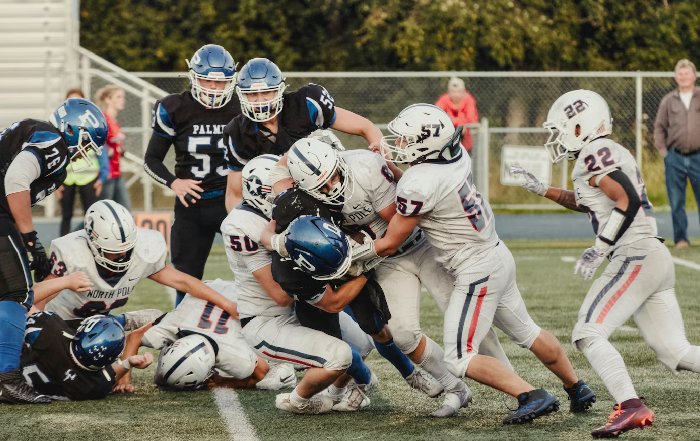
The Psychology of Team Cohesion in High-Stakes Tournaments
The New Competitive Edge in a High-Pressure World
The global sports and performance landscape has evolved into an environment where physical preparation, sophisticated tactics, and cutting-edge technology are no longer sufficient differentiators on their own. From the UEFA European Championship and the NBA Playoffs to the League of Legends World Championship and the Olympic Games, winning consistently in high-stakes tournaments increasingly depends on one decisive factor: the depth and resilience of team cohesion under pressure. For the international audience of SportyFusion, whose health, fitness and sports interests usually include sports performance, fitness, technology, and business strategy, understanding the psychology of cohesion is no longer a theoretical exercise; it is a practical requirement for sustaining success in an era defined by data, global competition, and relentless scrutiny.
Sports psychologists and performance scientists now agree that cohesive teams are not simply "harmonious" or "friendly." Instead, they are highly coordinated systems in which shared goals, role clarity, mutual trust, and collective emotional regulation converge to enhance decision-making, resilience, and adaptability in the most intense competitive moments. Research from organizations such as the American Psychological Association shows that psychologically safe, well-bonded teams respond more effectively to stress and are less vulnerable to performance breakdowns when the margin for error is razor-thin. Readers can explore more about these foundations through resources like the APA's coverage of team psychology.
In this context, SportyFusion.com has positioned itself as a platform that connects insights from elite sport, esports, business, and global culture, recognizing that cohesion in high-stakes environments has become a universal performance currency, whether the arena is a stadium, a trading floor, a startup incubator, or a virtual esports stage.
Defining Team Cohesion in Modern High-Performance Environments
Team cohesion, in its most contemporary definition, refers to the degree to which team members are committed to a shared purpose and to each other, and the extent to which they coordinate their behaviors, emotions, and decisions toward that purpose under varying conditions of stress and uncertainty. It is not a static quality but a dynamic process that evolves over time, shaped by leadership, communication patterns, cultural context, and the competitive environment. The International Olympic Committee has highlighted that cohesive teams demonstrate greater consistency and fewer mental lapses in crunch time, particularly in multi-stage tournaments where psychological fatigue accumulates; further reading on this can be found through the IOC's resources on athlete mental health.
From the perspective of SportyFusion.com, cohesion is best understood as an intersection of culture, ethics, and performance systems. In elite football clubs in Europe, NBA franchises in the United States, rugby teams in South Africa, and professional esports organizations in South Korea and China, cohesion is increasingly treated like a strategic asset, deliberately engineered through psychological profiling, leadership development, and structured team-building interventions rather than left to chance or "chemistry."
Task Cohesion and Social Cohesion: Two Sides of the Same Coin
Psychological research traditionally distinguishes between task cohesion and social cohesion, a distinction that has become more critical as teams have grown more international, data-driven, and commercially complex. Task cohesion refers to the commitment of team members to a shared performance goal, such as winning a championship, executing a tactical game plan, or achieving a specific performance metric. Social cohesion, by contrast, refers to the interpersonal bonds among team members, including mutual liking, respect, and a sense of belonging.
As the American College of Sports Medicine and other performance bodies have noted, both dimensions contribute to outcomes, but they do so in different ways. Task cohesion is more directly associated with performance consistency, especially under pressure, while social cohesion often influences long-term stability, retention, and the team's capacity to endure adversity and conflict. Readers interested in the underlying science can learn more about group dynamics in sport through peer-reviewed resources.
For the global community engaging with SportyFusion.com, this distinction is particularly relevant in multinational teams that draw talent from the United States, Europe, Asia, and Africa, where cultural norms around communication, hierarchy, and conflict can vary widely. Task cohesion can unify diverse personalities around clear tactical and performance objectives, while social cohesion ensures that inevitable frictions do not fracture the group when the stakes are highest.
The Neuroscience of Pressure and Collective Performance
Advances in neuroscience and performance analytics have provided a clearer understanding of why some teams thrive under pressure while others unravel. High-stakes tournaments trigger intense physiological and psychological responses: elevated heart rate, heightened cortisol levels, and increased cognitive load, all of which can impair decision-making, fine motor skills, and working memory if not properly regulated. Cohesive teams, however, appear to buffer these effects by distributing cognitive and emotional load more effectively across members, enabling more stable performance in critical moments.
Institutions such as Harvard Medical School and Stanford University have contributed to a growing body of research showing that trust and perceived support within teams can modulate stress responses, leading to more adaptive coping strategies and faster recovery. Those interested in the neurobiological aspects of stress and performance can explore resources such as Harvard Health's coverage of stress and the brain. For readers of SportyFusion.com, this science underpins why investment in psychological safety and cohesive culture is not merely a "soft" initiative but a measurable driver of competitive advantage in both sports and high-pressure business environments.
Leadership, Identity, and the Architecture of Cohesion
Leadership remains the central lever through which cohesion is built, maintained, or destroyed. In high-stakes tournaments, where time is compressed and emotional volatility is high, the influence of head coaches, captains, and senior players becomes amplified. Research from the European Journal of Sport Science and leadership institutes worldwide emphasizes that transformational leaders-those who articulate a compelling vision, model desired behaviors, and empower others-are consistently associated with higher levels of team cohesion and collective efficacy. For a deeper dive into leadership's effect on performance, readers can consult analyses available through organizations like the Centre for Creative Leadership.
In elite football clubs in the United Kingdom, Germany, Spain, and Italy, as well as in professional franchises in North America and Asia, leadership is now treated as a system rather than a single role. Captains coordinate emotional tone on the field, assistant coaches manage micro-groups, and performance psychologists design interventions that align identities and expectations. By aligning individual motivations with a shared narrative-whether it is a city's pride, a nation's ambition, or an organization's long-term legacy-leaders cultivate a sense of "we" that proves resilient when results fluctuate. This systemic approach to leadership is increasingly mirrored in corporate and startup environments, a connection frequently highlighted in SportyFusion.com's business coverage, where leadership under pressure is understood through the lens of both sport and enterprise.
Communication, Feedback, and Conflict in Tournament Conditions
Cohesion is often tested not in moments of victory but in moments of breakdown: a conceded goal in stoppage time, a crucial missed free throw, a game-losing error in an esports final, or a controversial referee decision in a World Cup knockout match. What separates cohesive teams from fragile ones is not the absence of conflict or frustration but the way communication and feedback are managed in those emotionally charged windows.
Studies published by organizations such as FIFA and the NBA's performance departments have highlighted that high-performing teams cultivate pre-agreed communication protocols that govern huddles, timeouts, and in-game adjustments. These protocols emphasize clarity, brevity, and constructive framing, reducing the risk of blame spirals and emotional contagion that can destabilize performance. Those seeking more structured frameworks for effective performance communication can learn more about high-performance communication models in resources oriented toward elite teams and organizations.
At SportyFusion.com, this dimension of cohesion is particularly visible in coverage of training methodologies and performance culture, where communication drills, scenario-based simulations, and structured post-game debriefs are increasingly treated as core components of preparation, not ancillary activities.
Cultural Diversity, Globalization, and the Cohesion Challenge
The globalization of sport and esports has created unprecedented opportunities and complexities for team cohesion. Elite clubs and organizations now routinely assemble rosters that include athletes from North America, Europe, Asia, Africa, and South America, each bringing distinct cultural assumptions about hierarchy, feedback, emotional expression, and individual versus collective priorities. While diversity can enhance creativity and tactical flexibility, it can also introduce friction if not actively managed.
Cultural psychologists and institutions such as Hofstede Insights and the London School of Economics have shown that teams operating across high and low power-distance cultures, for example, must be intentional about how authority and voice are distributed to avoid misunderstandings and silent disengagement. Readers interested in the broader implications of cultural dimensions in global teams can explore analyses such as Hofstede's cultural dimension theory.
For the international audience of SportyFusion.com, which spans Europe, Asia, Africa, and the Americas, the lessons from high-stakes sport are increasingly mirrored in global business and remote work environments. Cohesive multinational teams invest in cross-cultural education, shared language norms, and rituals that create a sense of common identity despite geographic and cultural distance, practices that align closely with the platform's focus on world trends and global collaboration.
Esports, Gaming, and the Digital Evolution of Cohesion
The rise of professional esports and competitive gaming has introduced a new frontier for understanding team cohesion in high-stakes tournaments. In titles such as League of Legends, Dota 2, Counter-Strike 2, and Valorant, teams often consist of young players from diverse countries, operating in high-pressure online or LAN environments where milliseconds and micro-decisions determine outcomes. The International Esports Federation and leading organizations in South Korea, China, North America, and Europe have increasingly emphasized structured psychological support and communication training as essential to sustaining performance across long tournament schedules. For those who want to explore the growth of esports and its performance demands, the Esports Insider platform provides ongoing industry analysis.
On SportyFusion.com, the intersection of gaming, technology, and performance psychology is particularly salient, as esports teams adopt biometric monitoring, cognitive training tools, and virtual collaboration platforms to build cohesion even when players are geographically dispersed. These digital-native teams illustrate that cohesion is no longer bound to physical proximity; instead, it is constructed through shared practice environments, aligned performance metrics, and carefully managed online communication cultures.
Health, Well-Being, and Sustainable Cohesion
Cohesion cannot be sustained if it is built on burnout, fear, or chronic overtraining. In high-stakes tournaments, where travel, media scrutiny, and compressed schedules strain both body and mind, the health and well-being of athletes and staff become critical foundations for psychological stability and trust. Organizations such as the World Health Organization and leading sports medicine institutes have underscored the importance of sleep quality, nutrition, mental health support, and recovery protocols in maintaining cognitive function and emotional regulation. Those interested in the health dimension of performance can learn more about athlete health and well-being through global health resources.
For the readership of SportyFusion.com, which is deeply engaged with health, lifestyle, and fitness, this integration of well-being and cohesion is particularly relevant. Teams that normalize psychological support, encourage open conversations about stress, and design schedules that respect human limits tend to build deeper trust and loyalty, which in turn reinforces cohesion when the competitive pressure peaks.
Data, Analytics, and the Measurement of Cohesion
One of the defining trends of the mid-2020s has been the quantification of previously "intangible" factors in performance, and cohesion is no exception. Elite teams now employ performance analysts, sports psychologists, and data scientists to track indicators of cohesion and psychological climate, ranging from communication patterns and sentiment analysis to network structures that map who interacts with whom and how often.
Academic institutions and organizations such as MIT Sloan Sports Analytics Conference have showcased case studies in which wearable technology, video analytics, and machine learning models are used to correlate communication density, body language synchrony, and even bench behavior with in-game performance metrics. Those interested in this convergence of data and psychology can explore sports analytics innovations through conference proceedings and industry reports.
For SportyFusion.com, which consistently covers technology-driven performance and brands innovating in the sports and wellness ecosystem, this data-centric approach to cohesion represents a bridge between human insight and digital tools. It allows organizations to identify early warning signs of fragmentation, monitor the impact of leadership changes, and validate the effectiveness of team-building interventions with empirical evidence.
Ethics, Trust, and the Dark Side of Cohesion
While cohesion is widely celebrated as a performance enhancer, it also raises ethical considerations that resonate strongly with the values of the SportyFusion.com community. Excessively tight in-group bonds can create environments where dissent is suppressed, groupthink flourishes, and unethical behaviors are rationalized as necessary for winning. Historical cases in various sports, from doping scandals to systemic abuse and match-fixing, have often occurred in highly cohesive but ethically compromised cultures where loyalty was weaponized against individual integrity.
Ethics scholars and organizations such as WADA (World Anti-Doping Agency) and UNESCO have stressed that authentic, sustainable cohesion must be anchored in clear ethical standards, transparent governance, and mechanisms for safe whistleblowing. Readers can learn more about safeguarding integrity in sport through international regulatory bodies and policy frameworks.
At SportyFusion.com, this dimension is reflected in ongoing coverage of ethics, social impact, and responsible leadership. The platform's focus on Experience, Expertise, Authoritativeness, and Trustworthiness means that cohesion is always framed not only as a tool for winning but as a vehicle for building environments where human dignity, fairness, and long-term well-being are prioritized alongside competitive success.
Translating Tournament Cohesion to Business and Careers
The psychology of team cohesion in high-stakes tournaments has profound relevance beyond sport, particularly for business leaders, entrepreneurs, and professionals navigating volatile markets and high-pressure projects. The same principles that enable a national team to perform under the lights of a global final apply to cross-functional teams launching products, negotiating deals, or steering organizations through crises.
Management research from institutions such as INSEAD, Wharton, and London Business School has repeatedly shown that cohesive teams in corporate settings demonstrate higher engagement, better problem-solving, and greater resilience in downturns. Those who wish to connect sports-based insights to organizational life can learn more about high-performing teams in business through business research platforms and consulting analyses.
For the career-focused segment of SportyFusion.com's audience, the parallels are evident in the site's coverage of jobs and careers and business innovation. Professionals can draw lessons from tournament environments on how to build psychological safety, clarify roles, manage conflict, and lead under scrutiny, recognizing that their own "tournaments" may be product launches, funding rounds, or critical negotiations rather than championship finals.
The Future of Cohesion: Integrated, Global, and Human-Centric
Running on time, the psychology of team cohesion in high-stakes tournaments is poised to become even more sophisticated, interdisciplinary, and globally informed. Advances in AI-driven analytics, virtual reality training, and biometric monitoring will deepen understanding of how teams synchronize under pressure, while evolving cultural norms around mental health, diversity, and work-life balance will reshape expectations of what a cohesive, high-performing environment should feel like.
For SportyFusion.com, which serves a worldwide audience interested in sports, health, technology, lifestyle, and social impact, the story of cohesion is ultimately a human story. It is about how individuals from different backgrounds, with different talents and pressures, come together to pursue something larger than themselves, and how the psychological structures they build-trust, communication, shared identity, ethical clarity-determine not only whether they win, but how they win and who they become in the process.
As high-stakes tournaments across continents continue to captivate global audiences, the quiet work of building and sustaining cohesion behind the scenes will remain one of the most decisive and least visible determinants of success. In telling that story, SportyFusion.com connects the lessons of the arena to the broader challenges and aspirations of a world where performance, integrity, and human connection must coexist under unprecedented pressure. Before you go for your next run or exercise burst, make sure you subscribe and bookmark us.