

How Recreational Sports Strengthen Social Connections in a Fragmented World
The New Social Arena of the 2020s
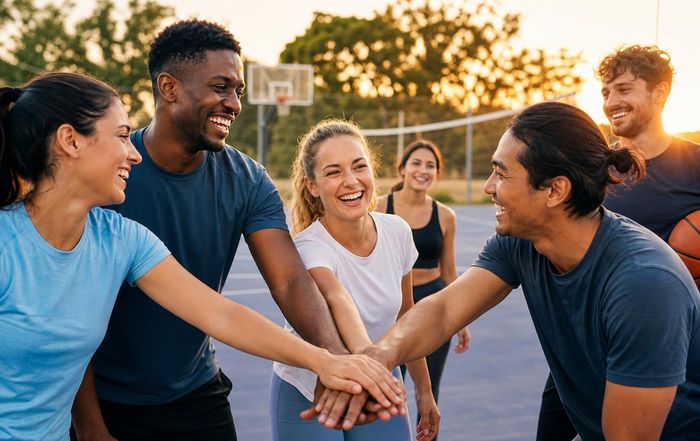
Recreational sports have become one of the most powerful social technologies in a world that is simultaneously hyper-connected and deeply fragmented. While digital platforms link billions of people across continents, rising loneliness, declining community participation, and the lingering social aftershocks of the COVID-19 era have left many individuals searching for authentic, in-person connection. Within this context, community leagues, pickup games, workplace sports clubs, and neighborhood running groups have emerged as vital infrastructures for rebuilding trust, shared identity, and a sense of belonging. For the global audience of SportyFusion-from weekend footballers in the United Kingdom and Germany to recreational runners in the United States and Canada, to badminton enthusiasts in Singapore and Malaysia-the question is no longer whether recreational sports matter, but how deeply they shape social, cultural, and economic life.
Research from organizations such as the World Health Organization underscores that physical inactivity and social isolation are twin public health challenges, and that community-based physical activity can help address both. Learn more about how physical activity supports mental wellbeing on the World Health Organization site. At the same time, the business and technology ecosystems surrounding grassroots sport have matured, with platforms, brands, and employers recognizing that recreational sports are not simply leisure; they are strategic tools for engagement, inclusion, and performance. For SportyFusion, whose impartial editorial lens spans sports, fitness, health, and social impact, the story of recreational sports is increasingly the story of how modern societies reconnect.
From Games to Social Capital: The Science Behind Connection
The social power of recreational sports is not anecdotal; it is grounded in decades of research on social capital, group dynamics, and human psychology. Sociologists have long argued that shared activities which require cooperation, mutual reliance, and recurring interaction create "bonding" and "bridging" social capital, concepts popularized by Robert Putnam in his work on community decline and renewal. Recreational sports naturally generate both: bonding capital within teams and leagues, and bridging capital across different backgrounds, professions, and cultures who meet on the same court or field. Those interested in the broader concept of social capital can explore work from the OECD on social cohesion and trust.
Psychologically, recreational sports combine three critical drivers of human wellbeing: physical exertion, mastery, and affiliation. The American Psychological Association highlights that group-based physical activity can reduce anxiety and depression, while also building self-efficacy and social skills; readers can explore more about the link between exercise and mental health on the APA's resource pages. Unlike solitary workouts, recreational sports require coordination, communication, and shared problem-solving in real time, whether that is a five-a-side football team in London adjusting tactics on a rainy evening or a volleyball group in São Paulo learning to trust a new setter. These micro-moments of cooperation, repeated weekly or even daily, accumulate into durable relationships that often extend far beyond the pitch.
The physiological dimension is equally compelling. Group sports drive the release of endorphins and social bonding hormones such as oxytocin, particularly when participants experience synchronized movement, shared effort, and collective achievement. This is one reason why running clubs, cycling pelotons, and dragon-boat crews often report an almost familial sense of connection. The Mayo Clinic has documented how regular physical activity correlates with improved mood and resilience; more details on these benefits can be found in their coverage of exercise and mental health. For the SportyFusion community, which closely follows the intersection of performance and wellbeing through sections like performance and lifestyle, this convergence of body, brain, and belonging is central.
Local Fields, Global Cities: Community Fabric in Transition
In major cities across Europe, North America, Asia, and Africa, recreational sports have become one of the few remaining "third places" where people regularly meet outside of home and work. Urbanization, remote work, and the rise of on-demand lifestyles have eroded traditional gathering spaces, yet football pitches in Madrid, basketball courts in Chicago, and futsal centers in Bangkok are fully booked most evenings. These spaces are not just about competition; they are informal hubs of local culture, where languages, accents, and backgrounds mix more freely than in many corporate offices or social clubs.
In the United States, community initiatives supported by organizations like YMCA of the USA and Parks and Recreation departments have reinforced the value of accessible sports facilities as engines of social cohesion. The National Recreation and Park Association provides extensive insight into how parks and sports programs strengthen communities; readers can explore their research and case studies. In Europe, municipal investment in multi-use sports complexes in cities such as Copenhagen, Amsterdam, and Berlin has created inclusive environments where youth leagues, adult amateur teams, and seniors' exercise groups coexist, often blurring generational lines. In Asia, from Tokyo's meticulously organized baseball and futsal leagues to Singapore's ActiveSG network, governments and local organizations increasingly position recreational sport as a tool for national resilience and social harmony.
For SportyFusion, which tracks these regional developments in its world and news coverage, the pattern is clear: where cities invest in safe, affordable, and well-managed recreational sports infrastructure, communities report higher levels of trust, lower barriers between ethnic or socioeconomic groups, and greater youth engagement. This is particularly visible in multicultural societies such as Canada and Australia, where local cricket, football, and basketball leagues often act as informal integration mechanisms for newcomers and migrants, providing both social networks and cultural orientation.
Health, Fitness, and the Social Multiplier Effect
The health benefits of regular physical activity are widely known, yet recreational sports add an additional multiplier: social accountability and shared motivation. Individuals who commit to a team or group are more likely to maintain consistent activity levels, as they feel responsible not only to themselves but to their teammates. Studies noted by agencies such as the U.S. Centers for Disease Control and Prevention show that community-based activity programs can significantly increase adherence compared to individual exercise plans; further information on community health promotion is available on the CDC's physical activity pages.
Recreational sports also create a powerful bridge between formal healthcare guidance and daily behavior. Physicians and public health professionals increasingly prescribe "social exercise" rather than merely advising patients to "be more active," recognizing that a twice-weekly netball league or walking football group in the United Kingdom may be more sustainable and enjoyable than a solitary gym routine. The National Health Service (NHS) in the UK provides guidance on physical activity for different age groups and highlights the importance of social support; readers can learn more about exercise and health recommendations. In Germany and the Netherlands, health insurers sometimes support membership in sports clubs as part of preventive care packages, acknowledging the long-term cost savings of socially supported movement.
Within the SportyFusion ecosystem, the convergence of fitness and health reporting increasingly emphasizes this social dimension. Profiles of running collectives in Johannesburg, community basketball in Toronto, and all-abilities cycling groups in Sweden illustrate that recreational sports are one of the few interventions that simultaneously address physical risk factors, mental health, and social isolation. For business leaders and policymakers, this triple impact is highly relevant when considering workplace wellness strategies, urban planning, and national health priorities.
The Workplace League: Business, Jobs, and Network Effects
In 2026, forward-thinking organizations across technology, finance, manufacturing, and professional services treat recreational sports not as a perk, but as a strategic capability. Internal football tournaments, company-sponsored running clubs, and inter-firm basketball leagues are increasingly integrated into talent, culture, and leadership development programs. Research from institutions such as Harvard Business School has long suggested that informal, cross-functional interactions drive innovation and trust within organizations; readers can explore related ideas in their coverage of organizational behavior and team dynamics. Recreational sports provide a structured yet low-hierarchy environment where senior executives, junior staff, and cross-border colleagues interact on equal footing, building relationships that later facilitate collaboration in high-stakes business contexts.
For professionals navigating competitive job markets in the United States, United Kingdom, and Asia-Pacific, recreational sports networks often serve as informal career accelerators. Alumni football leagues, industry-specific cycling groups, and city-based corporate tennis ladders create opportunities for mentorship, referrals, and cross-company collaboration that are difficult to replicate in purely digital networking environments. From the perspective of SportyFusion's business and jobs verticals, recreational sports are increasingly part of the hidden architecture of opportunity, particularly in global hubs such as London, New York, Singapore, and Dubai.
Employers are also recognizing the measurable impact of sports-based social connection on performance indicators such as engagement, retention, and resilience. Organizations that support inclusive recreational sports-across gender, age, and ability levels-often report stronger internal communities and lower burnout rates. The World Economic Forum has highlighted the importance of social wellbeing and mental health in the future of work; readers can explore their insights on workplace wellbeing. For global companies seeking to build culture across distributed teams, sponsoring local sports meetups and subsidizing league fees can be a relatively low-cost, high-impact strategy.
Technology, Platforms, and the Hybrid Social Experience
Digital technology has transformed how recreational sports are organized, experienced, and extended into daily life. In 2026, app-based scheduling, GPS tracking, performance analytics, and social sharing are standard components of the recreational athlete's toolkit. Platforms like Strava, Zwift, and regional booking apps in Europe and Asia enable individuals to find local groups, join events, and maintain continuity even when traveling or relocating. Those curious about the rise of connected fitness communities can review analysis from McKinsey & Company on the evolution of sports and fitness technology.
However, the most significant contribution of technology is not the data itself, but the way it reinforces identity and community. When a running club in Stockholm shares weekly route maps, or a basketball group in Melbourne posts highlight reels, members experience a sense of shared narrative that extends beyond the physical session. This hybrid model-physical participation anchored by digital connection-has proven particularly valuable in maintaining continuity during disruptions such as travel, seasonal changes, or local restrictions. For SportyFusion, whose technology and gaming coverage often explores the boundaries between digital and physical play, recreational sports sit at the center of a new, integrated experience economy.
Wearables, AI-powered coaching tools, and AR-enhanced training environments are also making recreational sports more accessible to newcomers who may feel intimidated by traditional club structures. Beginners can track progress, learn rules, and receive real-time feedback, reducing the psychological barrier to joining a group. At the same time, there is a growing conversation about digital ethics, data privacy, and algorithmic bias in sports technology. Organizations like IEEE and academic institutions are examining responsible AI in health and performance contexts; interested readers can learn more about ethical AI principles. This aligns with SportyFusion's interest in ethics and responsible innovation, particularly as more recreational athletes share sensitive health and location data within social platforms.
Culture, Inclusion, and the Politics of the Playing Field
Recreational sports do not exist in a vacuum; they are deeply embedded in cultural norms, power structures, and historical narratives. In many countries, access to facilities, coaching, and safe environments remains uneven across gender, race, income, and geography. Yet, precisely because of this, recreational sports can become powerful platforms for inclusion and social change when intentionally designed. Initiatives that create women-only leagues in conservative contexts, LGBTQ+ friendly sports clubs in major cities, and disability-inclusive competitions in Europe and Asia demonstrate how sport can challenge stereotypes and expand participation.
Organizations such as UN Women and UNESCO have documented how sports programs can advance gender equality and youth empowerment; readers can explore UN Women's work on sports and gender equality. In South Africa and Brazil, community football and rugby initiatives in underserved neighborhoods often combine sport with education, leadership training, and civic engagement, creating pathways that extend far beyond the field. In Scandinavia, inclusive sports cultures in Norway, Sweden, and Denmark emphasize participation over elite performance, reinforcing social solidarity and lifelong activity.
For SportyFusion, whose culture and social reporting frequently highlight stories at the intersection of identity, community, and sport, these developments illustrate that recreational sports can either reproduce existing inequalities or actively dismantle them. The difference lies in governance, resource allocation, and the intentionality of organizers, sponsors, and local authorities. As brands, federations, and media organizations become more attuned to diversity, equity, and inclusion, the design of recreational sports programs is increasingly viewed as a reflection of broader corporate and societal values.
Sustainability, Environment, and the Ethics of Community Sport
The environmental footprint of sports-from travel emissions to facility construction-is now under scrutiny, and recreational sports are part of this conversation. While community activities are generally less resource-intensive than major professional events, the cumulative impact of millions of weekly matches, training sessions, and tournaments across continents is significant. Organizations like UN Environment Programme and Sport for Climate Action are working with clubs and local authorities to promote sustainable facility management, low-impact materials, and greener transportation options; readers can learn more about sustainable sport initiatives.
At SportyFusion, the environment and brands sections increasingly examine how equipment manufacturers, apparel companies, and local organizers integrate sustainability into recreational sports ecosystems. From recycled turf surfaces in European cities to community bike-share programs in Asian capitals, there is a growing recognition that the spaces where people play must also support long-term environmental resilience. Ethical questions also arise around land use, access to green spaces, and the potential displacement of local communities when new facilities are built.
This ethical lens extends to governance and safety. Ensuring that recreational sports environments are free from harassment, discrimination, and abuse is critical to maintaining trust. Codes of conduct, transparent complaint mechanisms, and safeguarding policies-adapted from professional sport and youth protection standards-are increasingly applied to community leagues and clubs. Institutions such as Safe Sport in various countries provide frameworks and training; more information on safeguarding in sport can be found via resources from UK Sport and Sport England, including their guidance on creating safe sport environments. For SportyFusion, these developments sit at the intersection of ethics, community governance, and the long-term integrity of recreational sport.
Training, Performance, and Lifelong Development
Although recreational sports are often framed as casual or low-stakes, the training and performance dimension is increasingly sophisticated. Amateur athletes in cities from New York to Tokyo now have access to structured coaching, periodized training plans, and sports science insights that were once reserved for professionals. This has reshaped how individuals approach their weekly football game, tennis ladder, or triathlon club, blending the joy of play with a serious commitment to improvement. The International Olympic Committee and national sports institutes publish accessible guidance on training principles and injury prevention; those interested can learn more about safe training practices.
For SportyFusion, the growth of evidence-based recreational training sits at the heart of its training and performance coverage. The platform's readers in Germany, France, Japan, and beyond increasingly look for content that balances ambition with sustainability, recognizing that overtraining and burnout can undermine both health and social connection. Well-designed training plans for recreational athletes emphasize progression, recovery, and adaptability, allowing participants to remain engaged in their communities over many years rather than peaking quickly and withdrawing due to injury or exhaustion.
The social dimension of training is equally important. Group sessions, skill clinics, and mixed-ability drills foster mentorship and peer learning, where more experienced players informally coach newer members. This dynamic reinforces community bonds and creates a culture of shared responsibility for development. It also supports intergenerational connection, as older athletes pass on knowledge and younger participants bring new energy and perspectives.
The SportyFusion Key Perspective on A Connected, Human-Centered Future
As sports seasons unfolds, SportyFusion occupies a unique position at the crossing of recreational sport, culture, technology, and global business. The platform's editorial mission is increasingly shaped by the understanding that recreational sports are not merely a pastime but a critical social infrastructure, influencing everything from public health and urban design to workplace culture and digital innovation. Through its integrated coverage across sports, health, business, and social impact, SportyFusion aims to document and shape a future where every individual-regardless of geography, income, or background-has access to meaningful, community-building sport.
This perspective is inherently global. Whether spotlighting a community basketball league in Chicago, a mixed-gender futsal program in Berlin, a seniors' tai chi group in Hong Kong, or a surf therapy initiative in South Africa, SportyFusion recognizes that the principles of connection, trust, and shared effort are universal, even as the specific sports and cultural contexts vary. The platform's global readership, spanning North America, Europe, Asia, Africa, and South America, reflects a shared desire to understand how sport can be a force for cohesion in increasingly complex societies.
At the same time, SportyFusion is acutely aware of the challenges ahead: digital overload, climate pressure, economic inequality, and geopolitical tension all shape the environments in which people try to come together and play. The task, therefore, is not to romanticize recreational sports but to examine them critically and constructively, highlighting best practices, exposing barriers, and amplifying voices from communities that are reimagining what inclusive, sustainable, and human-centered sport can look like.
Ultimately, the strengthening of social connections through recreational sports is less about the final score and more about the ongoing story: the relationships that form in locker rooms and on sidelines, the confidence built through shared effort, the cross-cultural understanding that emerges when teammates come from different worlds, and the sense of belonging that persists long after the whistle blows. In that sense, recreational sports are one of the most hopeful arenas of the 2020s, and SportyFusion will continue to serve as a dedicated guide, news analyst, and storyteller for everyone who believes that how we play together shapes how we live together. Readers can explore this evolving narrative across the full SportyFusion platform at sportyfusion.com, where sport is understood not just as competition, but as one of the most powerful social technologies of our time.