

Fan-Owned Clubs and Alternative Governance Structures: The Next Playbook for Global Sport
The Quiet Revolution Reshaping Modern Sport
By early 2026, a quiet but profound governance revolution has taken root across global sport. From football terraces in Europe to community courts in North America and emerging fan collectives in Asia and Africa, supporters are no longer content to be passive consumers of tickets, broadcasts and merchandise. Instead, they are increasingly demanding a voice, a vote and, in many cases, a genuine ownership stake in the clubs and organizations they sustain. For SportyFusion.com, whose readers span fitness, culture, health, technology, business and performance, this shift is not a niche curiosity; it is a structural transformation with direct implications for how sport is financed, managed, regulated and experienced worldwide.
Fan-owned clubs and alternative governance structures have emerged as a credible response to financial instability, ethical controversies and widening disconnects between elite organizations and their local communities. From the German 50+1 model to Spanish member associations, from supporter trusts in the United Kingdom to innovative multi-stakeholder structures in North America and beyond, the global sports ecosystem is experimenting with new ways to align financial sustainability, competitive performance and social responsibility. As organizations like FIFA and UEFA refine their governance standards and as governments in the United States, United Kingdom, Germany, Australia and elsewhere review the regulatory frameworks around sport, the question is no longer whether alternative governance models will matter, but how far and how fast they will scale.
For a platform like SportyFusion, which sits at the intersection of sports, business, culture and ethics, this transformation is also deeply personal. It reshapes the stories told about performance, the brands that dominate the landscape, the jobs that emerge within clubs and the technologies that enable new forms of participation. It is, fundamentally, a story about power, trust and the future of community in sport.
Defining Fan Ownership and Alternative Governance
Fan ownership is often discussed as if it were a single model, yet in practice it encompasses a spectrum of structures that vary by country, legal framework and sporting tradition. At its core, fan ownership involves supporters holding a meaningful and often controlling stake in a club, either directly as individual members or collectively through a trust, cooperative or non-profit entity. In some cases, as seen in parts of Europe, the club is formally structured as a member association where each fan-member has one vote regardless of capital contribution, echoing cooperative principles that have long been recognized in broader social and economic contexts by organizations such as the International Cooperative Alliance. In other instances, fan ownership takes the form of a minority but protected shareholding that guarantees board representation and certain veto rights over critical decisions, including relocation, stadium sales or changes to club identity.
Alternative governance structures extend beyond strict fan ownership to include hybrid models that integrate fans, private investors, municipalities, sponsors and even athletes into multi-stakeholder boards. These frameworks draw on corporate governance best practices promoted by institutions like the OECD, whose principles on corporate governance have influenced reforms in sports organizations seeking greater transparency, accountability and stakeholder engagement. In football, for example, Germany's 50+1 rule requires that club members retain majority voting rights, even when external investors provide substantial financial backing, a model that has been widely debated and analyzed across Europe, including by regulatory bodies such as the Bundesliga and academic institutions like the University of Zurich which has developed extensive research on sports governance. Learn more about how governance principles are evolving in global sport through resources offered by the International Olympic Committee.
In practice, these structures aim to rebalance the relationship between capital and community. Traditional investor-led models, particularly in top-tier leagues in the United States, United Kingdom and China, have often prioritized short-term financial returns, international branding and speculative asset growth. Fan-owned and alternative governance models, by contrast, tend to emphasize long-term stability, local identity, youth development and ethical alignment, themes that resonate strongly with the values and editorial direction of SportyFusion's lifestyle and social coverage.
Historical Roots: From Member Clubs to Modern Trusts
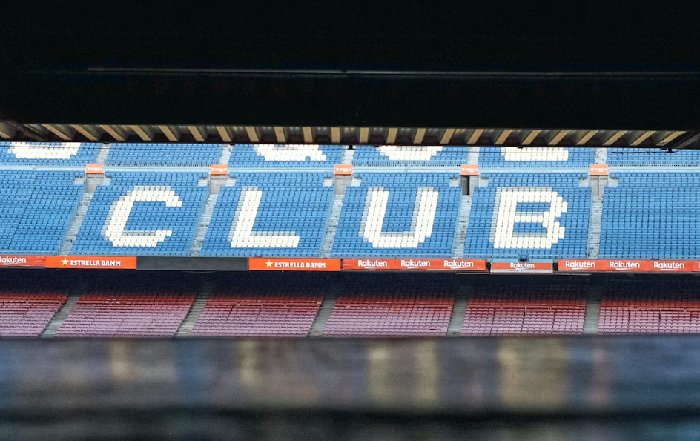
The concept of fan ownership is not new; many of the world's most storied clubs began as member-based organizations formed by local communities, workers' groups or student associations. In Spain, major institutions such as FC Barcelona and Real Madrid historically operated as member-owned entities, with thousands of socios electing presidents and boards, a tradition that has been chronicled by sports historians and governance experts at universities like Universitat de Barcelona and Universidad Complutense de Madrid. Similarly, in Germany, clubs such as FC Bayern München and Borussia Dortmund were built on member association structures, later adapted to meet the demands of modern professional sport while preserving the core principle of member control.
However, the commercialization wave that swept through global sport from the 1990s onward, powered by broadcasting deals, sponsorship growth and the rise of digital media, pushed many organizations toward investor-driven corporate models. In the English Premier League, for example, a series of leveraged buyouts and foreign investments transformed club ownership patterns, leading to concerns over debt levels, ticket pricing and the erosion of local influence. These developments, documented in analyses by outlets like BBC Sport and research centers such as the LSE's Centre for Economic Performance, set the stage for a counter-movement in which supporters sought to reclaim agency over their clubs' futures.
The creation of supporter trusts in the United Kingdom, supported by organizations such as Supporters Direct (now part of the Football Supporters' Association), represented a pivotal moment. These trusts used cooperative structures and community benefit society models to acquire stakes in clubs, influence governance and, in some cases, rescue teams from financial collapse. The experiences of clubs like AFC Wimbledon and FC United of Manchester, formed by fans in response to controversial ownership decisions, became emblematic of a broader shift toward community-based governance. Similar patterns emerged in Italy, France, Scotland, South Africa, Brazil and Australia, as supporters leveraged legal innovations, crowdfunding platforms and partnerships with local governments to build or rebuild clubs on new foundations. Insights into these developments have been shared by think tanks such as Sport and Recreation Alliance and academic initiatives like the University of Michigan's Sport Management program.
The Business Case: Stability, Value and Long-Term Alignment
For a business-oriented audience, the central question is whether fan-owned and alternative governance structures can deliver competitive and financial performance on par with, or superior to, traditional investor-led models. Evidence gathered over the past two decades suggests that while these models may sometimes limit rapid capital injections and speculative spending, they often offer distinct advantages in stability, risk management and brand value, especially when aligned with strong professional management and modern performance analytics.
Studies from institutions such as the University of Liverpool's Football Industries Group and the CIES Football Observatory have highlighted that member-owned and hybrid clubs in Germany, Scandinavia and Spain frequently exhibit more conservative debt profiles, greater investment in youth academies and more consistent engagement with local sponsors and communities. These factors can contribute to resilience during economic downturns, a point underscored during crises such as the global financial shock of 2008 and the COVID-19 pandemic, when clubs with diversified revenue streams and loyal local bases often weathered disruptions more effectively. Learn more about sustainable business practices in sport through resources from Harvard Business Review and the World Economic Forum, which have analyzed how stakeholder-centric governance can enhance long-term value creation.
From a brand perspective, fan-owned clubs can cultivate powerful narratives rooted in authenticity, community and shared purpose, attributes increasingly prized by younger audiences in markets such as the United States, Canada, Germany, Japan and Brazil. This aligns closely with the editorial focus of SportyFusion's brands and performance sections, which track how organizations build trust and loyalty through values-driven strategies. Sponsors and partners, including global corporations like Adidas, Nike and Puma, have demonstrated growing interest in aligning with clubs and leagues that can credibly demonstrate social impact, environmental responsibility and inclusive governance, trends documented by organizations such as the UN Global Compact and the Global Reporting Initiative.
Technology, Data and the Digital Fan-Owner
The acceleration of digital transformation in sport has dramatically expanded the possibilities for fan ownership and alternative governance. Platforms enabled by blockchain technology, digital identity solutions and secure online voting systems have allowed supporters from North America, Europe, Asia and Africa to participate in decision-making processes that were once restricted to those physically present in club locales. While early experiments with fan tokens and speculative digital assets generated both excitement and controversy, a more mature phase is now emerging in which technology is used to enable transparent governance rather than purely financial speculation.
Organizations such as Socios.com and various decentralized autonomous organization (DAO) projects have explored token-based voting on non-critical club matters, while legal and regulatory frameworks in jurisdictions like Switzerland, Singapore and Estonia have begun to clarify how digital membership rights can be structured in compliance with financial and corporate law. Learn more about the intersection of sport, blockchain and governance through analyses produced by MIT Sloan Sports Analytics Conference and technology-focused outlets such as Wired. For readers of SportyFusion's technology coverage, the key development is the integration of robust cybersecurity, data privacy and identity verification measures that protect fan-owners while enabling cross-border participation.
Beyond voting, data analytics and digital platforms allow fan-owned clubs to engage supporters in co-creating experiences, from fitness and training programs to gaming and esports initiatives. Clubs can leverage performance data, wellness metrics and interactive content to build ecosystems that connect fitness, gaming, health and social interaction, thereby deepening loyalty and opening new revenue streams. Leading technology providers, including Microsoft, Amazon Web Services and Google Cloud, have published case studies on how sports organizations use cloud computing, machine learning and fan data platforms to personalize engagement, insights that are increasingly relevant for fan-owned entities seeking to compete with larger, investor-backed rivals.
Ethics, Trust and Social Impact
Trust lies at the heart of the movement toward fan ownership and alternative governance. Years of financial mismanagement, opaque transactions and ethical controversies involving match-fixing, corruption and abuse have eroded confidence in traditional sports governance structures, prompting calls for reform from players, fans, sponsors and regulators. Organizations such as Transparency International and Human Rights Watch have documented systemic issues in global sport, while governance reform efforts spearheaded by bodies like the Council of Europe and the European Commission have emphasized the need for greater accountability and stakeholder representation.
Fan-owned and multi-stakeholder governance models respond directly to these concerns by embedding transparency and participatory oversight into organizational design. Supporter representatives on boards can scrutinize decisions related to financial risk, player welfare, environmental impact and community relations, helping to align club actions with broader social expectations. This aligns with the values highlighted in SportyFusion's ethics and social reporting, which explores how sport can be a platform for inclusion, equality and responsible leadership.
Moreover, these governance models often integrate explicit social missions into their statutes, committing to youth development, grassroots access, gender equity and environmental sustainability. Initiatives inspired by frameworks such as the UN Sustainable Development Goals and the OECD Guidelines for Multinational Enterprises are increasingly common among clubs seeking to demonstrate that performance is not measured solely in trophies or profits, but in long-term contributions to health, culture and community resilience. Learn more about sustainable sport and environmental stewardship through resources provided by UN Environment Programme and The Climate Group, both of which have collaborated with major leagues and federations on climate and sustainability initiatives.
Global Variations: From Europe to Asia, Africa and the Americas
While fan-owned clubs have gained the most visibility in European football, alternative governance experiments are now visible across continents and sporting codes. In North America, where franchise models and closed leagues have historically limited community ownership, new pathways are emerging through lower-division soccer, women's sports and niche professional leagues. Community investment schemes, regulated crowdfunding and public-private partnerships have enabled local groups in the United States and Canada to establish or revive clubs with fan representation built into their charters, a trend tracked by organizations such as US Soccer Federation and Canada Soccer.
In South America, where football is deeply embedded in national identity in countries like Brazil, Argentina and Uruguay, socio-based club structures have long coexisted with powerful private interests. Recent economic pressures and governance scandals have prompted renewed debates over privatization versus community control, with academic institutions like the Getulio Vargas Foundation and media outlets like Folha de S.Paulo documenting the tensions and trade-offs. For fans and decision-makers in these markets, the challenge is to modernize governance without severing historical ties to local communities and social movements.
In Asia, particularly in Japan, South Korea, Thailand, Malaysia and China, hybrid models are emerging that blend corporate ownership with municipal involvement and structured fan engagement. The J.League in Japan, for instance, has long emphasized community-based club identities, while the K League in South Korea has explored public-private partnerships and regional integration, topics frequently analyzed by regional think tanks such as the Asian Football Confederation and academic centers like Waseda University. Learn more about evolving sports governance in Asia through reports from the Asian Development Bank and coverage by The Economist, which have examined how demographic shifts, urbanization and digitalization are reshaping fan expectations.
In Africa, where rapid urban growth and a youthful population are driving interest in both traditional sports and esports, fan ownership and community governance often intersect with broader development goals. Clubs and academies in countries such as South Africa, Nigeria, Kenya and Ghana are experimenting with cooperative structures and social enterprise models that link sport to education, health and employment, supported by NGOs and international organizations like UNICEF and Right to Play. For global readers of SportyFusion's world and news sections, these developments illustrate how governance innovation in sport can contribute to wider social and economic progress.
Performance, Training and High-Performance Culture in Fan-Owned Contexts
One recurring concern among skeptics is whether fan-owned and alternative governance structures can sustain elite performance in increasingly competitive global environments. The assumption that community or cooperative models inevitably lead to conservative decision-making, underinvestment in talent or resistance to necessary change has been challenged by the track records of several high-performing member-owned clubs and federations. Performance-oriented organizations with participatory governance often succeed when they combine democratic oversight with professional management, evidence-based training methodologies and a clear long-term sporting vision.
High-performance departments in fan-owned clubs increasingly draw on sports science research from institutions like the Australian Institute of Sport, Aspetar Orthopaedic and Sports Medicine Hospital in Qatar and the U.S. Olympic & Paralympic Committee, integrating advanced analytics, recovery science and individualized training plans. Learn more about cutting-edge performance and training methodologies through resources offered by NSCA (National Strength and Conditioning Association) and UK Sport, which provide frameworks for talent development and elite coaching that can be adopted by clubs regardless of ownership model. For SportyFusion's training and performance readers, the key insight is that governance structures shape strategic priorities and culture, but do not inherently limit the adoption of best-in-class performance practices.
Moreover, fan ownership can reinforce high-performance culture by reducing short-term pressures for immediate results at any cost. When supporters understand and endorse a long-term sporting project, including investments in youth academies, women's teams and community programs, clubs can resist the temptation to engage in unsustainable transfer spending or managerial churn. This alignment between governance, culture and performance echoes themes explored in SportyFusion's performance-focused coverage, where mental resilience, team cohesion and ethical leadership are recognized as critical components of success.
Employment, Skills and the Future of Work in Fan-Owned Clubs
As governance structures evolve, so too do the job profiles and skills required within clubs and sports organizations. Fan-owned and multi-stakeholder entities often prioritize roles focused on community engagement, member services, participatory governance facilitation and impact measurement, alongside traditional functions in coaching, scouting, marketing and operations. Professionals with expertise in cooperative law, stakeholder management, social impact assessment and digital community building are increasingly sought after, creating new career pathways for those interested in combining sport with social innovation.
Labor market research from organizations such as the ILO (International Labour Organization) and educational providers like Coursera and edX has highlighted the growing demand for hybrid skill sets that blend business acumen, data literacy and social impact orientation. Learn more about evolving careers in sport and related sectors through insights from LinkedIn's Economic Graph and higher education institutions such as Loughborough University, which has pioneered programs in sports business and governance. For readers exploring opportunities via SportyFusion's jobs and business sections, the rise of fan-owned clubs signals a diversification of roles where professionals can contribute not only to competitive success but also to community empowerment and ethical governance.
Strategic Considerations for Stakeholders
For investors, policymakers, club executives, athletes and fans, the growth of fan-owned and alternative governance structures raises strategic questions that will shape the sports landscape in Europe, North America, Asia, Africa and South America over the coming decade. Regulators and governments must decide how to balance financial openness with protections for community interests, an issue at the center of recent reviews in the United Kingdom, France and Germany, often informed by guidance from bodies such as Sport England and the European Club Association. Learn more about regulatory approaches and best practices through policy papers published by the European Parliament and national sports ministries, many of which are accessible via official government portals.
Clubs considering transitions toward fan ownership or hybrid governance need to assess capital requirements, legal frameworks, digital infrastructure and cultural readiness. Successful models tend to emerge where there is a clear strategic plan, robust education for members on their rights and responsibilities, and a commitment to professional management insulated from day-to-day political pressures. For sponsors and brands, alignment with well-governed, community-rooted clubs can enhance reputation and mitigate risk, particularly as environmental, social and governance (ESG) criteria gain prominence in corporate decision-making, a trend documented by organizations such as MSCI and Sustainalytics.
For platforms like SportyFusion, which bridge news, environment, business and sports, the strategic imperative is to continue providing nuanced, cross-disciplinary coverage that helps readers understand not only who wins on the field, but how governance choices shape the broader ecosystem of health, culture, technology and social impact.
The Road Ahead: From Experiment to New Normal
As of 2026, fan-owned clubs and alternative governance structures remain a dynamic and evolving field rather than a settled destination. Legal reforms, technological innovation, shifting fan expectations and macroeconomic trends will continue to influence which models gain traction in different regions and sports. Yet the underlying drivers-demand for transparency, desire for meaningful participation, and recognition of sport's social and cultural power-are unlikely to recede.
In United States cities experimenting with community-owned lower-league franchises, in German and Scandinavian clubs refining member governance, in Brazilian and South African communities using sport as a vehicle for development, and in digital-native fan collectives spanning Asia and Europe, a new vision of ownership is taking shape. It is one in which supporters are not merely customers but co-stewards, in which financial capital is balanced by social and cultural capital, and in which performance is measured across multiple dimensions of value.
For the global audience of SportyFusion.com, this is not only a story to follow but a landscape to engage with-whether as members, professionals, investors, policymakers or simply as informed fans. As the next decade unfolds, the clubs and organizations that thrive are likely to be those that treat governance not as a constraint but as a competitive advantage, harnessing the energy, intelligence and commitment of their communities to build institutions that are resilient, ethical and truly representative of the people they serve.