

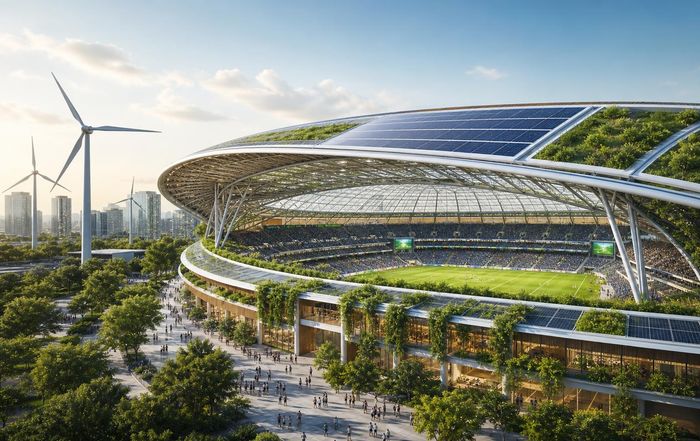
The Cool Future of Sports Venue Sustainability!
A New Era for Sustainable Stadiums
The global sports industry has moved decisively beyond viewing sustainability as a public relations accessory and is instead treating it as a core pillar of long-term competitiveness, risk management and brand value. Around the world, from the United States and the United Kingdom to Germany, Australia, Japan and South Africa, leading clubs, leagues and venue operators are reshaping how stadiums are designed, built, powered and experienced. For sports News media network community coming here at daily whose usual interests span sports, fitness, health, culture, technology, business and the environment, this transformation is not an abstract policy discussion; it is already influencing how fans train, travel, consume content and connect with their favorite teams. As the sports ecosystem becomes more data-driven and performance-focused, sustainable venues are emerging as powerful laboratories where innovation, fan engagement and environmental responsibility converge.
The future of sports venue sustainability is being defined by the convergence of climate science, digital technology, new business models and changing fan expectations. According to the United Nations Environment Programme, sport has a unique capacity to influence behavior and accelerate sustainable development, particularly when stadiums and arenas serve as visible symbols of climate action. At the same time, regulatory pressures in markets such as the European Union, the United States and Asia-Pacific are pushing large venues to address energy efficiency, carbon emissions, water use and waste management in a far more rigorous way. SportyFusion's global audience, following developments from North America to Europe, Asia, Africa and South America, is increasingly conscious that the venues in which athletes compete and fans gather are also frontline assets in the response to climate risk.
Climate Imperatives Reshaping the Sports Infrastructure Agenda
The climate imperative facing sports venues is no longer theoretical. Rising temperatures, extreme weather events and air quality issues are already disrupting competition calendars, training regimes and fan safety protocols. Organizations such as the Intergovernmental Panel on Climate Change have documented how climate change is affecting everything from heat stress on athletes to the viability of winter sports facilities. This reality is pushing venue owners and operators to think beyond incremental efficiency upgrades and instead adopt long-term resilience strategies that consider the full life cycle of a stadium, from site selection and construction through to operations, renovation and eventual decommissioning.
In markets such as the United States, the U.S. Environmental Protection Agency has tightened standards around building performance and emissions, while in Europe, the European Commission is embedding climate and energy targets into infrastructure and building regulations that directly affect large sports venues. These policy shifts are mirrored in Asia, where countries like Japan, South Korea and Singapore are weaving sustainability into national sports and infrastructure strategies. For a platform like SportyFusion World, which tracks global developments, the message is clear: climate risk has become a central driver of venue investment decisions, insurance costs and long-term asset valuations.
Energy, Carbon and the Net-Zero Stadium
The most visible frontier in sustainable sports venues is the shift toward low-carbon and eventually net-zero energy operations. Stadiums have historically been among the most energy-intensive buildings in any city, with massive peaks in electricity demand on match days due to lighting, broadcasting, catering and climate control. In response, leading clubs and venue operators are investing heavily in on-site renewable energy generation, advanced building management systems and long-term power purchase agreements. The International Energy Agency has highlighted how distributed solar, energy storage and smart grids can dramatically reduce the carbon footprint of large facilities, while also improving resilience to grid disruptions.
Venues such as Tottenham Hotspur Stadium in London and Mercedes-Benz Stadium in Atlanta have become reference points for integrating renewable energy, efficient LED lighting and intelligent control systems into a high-performance fan experience. Learn more about energy-efficient building strategies from the U.S. Department of Energy, which provides guidance that many venue designers now use as a baseline. For SportyFusion's audience interested in the intersection of performance and technology, the net-zero stadium is not simply a sustainability badge; it is a data-rich environment where energy analytics, occupancy patterns and microclimate control are continuously optimized to support both athlete performance and fan comfort.
Water Stewardship and Climate Resilience
Water scarcity and flood risk are emerging as critical considerations in stadium planning, particularly in regions such as the western United States, parts of Africa, Australia and southern Europe. Sports venues, with their extensive turf areas, cooling needs and catering operations, can be significant water consumers, but they are also well-positioned to demonstrate leadership in water efficiency and resilience. Organizations like the World Resources Institute provide data and tools to assess water risk, which venue developers increasingly use in site selection and design decisions. In parallel, the World Health Organization underscores the health implications of inadequate water and sanitation, reinforcing the need for robust systems in venues that host tens of thousands of people.
Future-ready stadiums are incorporating rainwater harvesting, greywater recycling, drought-resistant landscaping and smart irrigation systems capable of adjusting in real time to weather and soil conditions. In regions prone to flooding, designers are elevating key infrastructure, using permeable surfaces and integrating green infrastructure such as bioswales and retention ponds. For SportyFusion readers tracking sustainability across health and environment, these water strategies are about more than resource efficiency; they are about protecting public health, maintaining playing surface quality and ensuring that major events can proceed safely in an era of climate volatility.
Materials, Circularity and Low-Carbon Construction
The sustainability profile of a sports venue is determined long before the first fan passes through the turnstiles. The choice of construction materials, structural systems and procurement practices has a profound impact on embodied carbon, waste generation and local environmental impacts. The World Green Building Council has emphasized that embodied carbon in construction materials can represent a large share of a building's lifetime emissions, particularly in large concrete and steel structures such as stadiums. As a result, developers and clubs are increasingly exploring low-carbon concrete, recycled steel, engineered timber and modular construction techniques that minimize waste and facilitate future adaptation.
Circular economy principles are gaining traction in sports infrastructure, with venues seeking to reuse materials from previous structures, design for disassembly and establish take-back programs with suppliers. Learn more about circular construction approaches from the Ellen MacArthur Foundation, whose work is influencing the thinking of architects and engineers involved in next-generation stadium projects. For SportyFusion's business and brands readership, these material choices are not only environmental decisions but also strategic brand and supply chain decisions, as sponsors and partners increasingly expect alignment with their own sustainability commitments and reporting obligations.
Fan Experience, Health and Sustainable Mobility
Sustainability in sports venues is inseparable from the fan experience, especially as supporters in markets like the United States, the United Kingdom, Germany, Canada, Japan and Brazil become more aware of the health and environmental implications of their match-day routines. From the moment a fan leaves home to the time they return, their journey is shaped by mobility options, air quality, nutrition and digital engagement. The World Health Organization has documented the health benefits of active transport and reduced air pollution, and leading venues are responding by promoting public transit, cycling and walking, while limiting on-site parking and investing in electric vehicle charging infrastructure.
Inside the stadium, sustainable design can improve indoor air quality, thermal comfort and acoustics, contributing to both fan well-being and athlete performance. The evolution of healthier and more sustainable food and beverage offerings is particularly relevant to SportyFusion's fitness and lifestyle audience, with venues increasingly offering plant-forward menus, locally sourced ingredients and transparent nutritional information. Learn more about healthy and sustainable diets from the EAT-Lancet Commission, whose recommendations are influencing catering strategies at major events. As digital ticketing and mobile ordering become ubiquitous, data on fan behavior is being used to fine-tune service flows, reduce congestion and minimize food waste, reinforcing the link between sustainability, health and a premium match-day experience.
Digital Technology, Data and Smart Stadium Operations
The digitalization of sports venues is accelerating sustainability gains by enabling real-time monitoring, predictive maintenance and personalized fan engagement. Smart stadium platforms integrate sensors, building management systems, security, ticketing and retail into a single data environment, allowing operators to track energy and water use, waste streams, occupancy levels and equipment performance with unprecedented granularity. The International Organization for Standardization (ISO) has developed standards for energy management and smart cities that increasingly inform how venue technology architectures are designed and benchmarked.
Artificial intelligence and machine learning are being applied to optimize lighting, heating, ventilation and air conditioning systems based on real-time weather, occupancy and event type, reducing energy consumption without compromising comfort or safety. Learn more about the role of digital twins and smart infrastructure from Siemens, which has been involved in several high-profile stadium projects worldwide. For SportyFusion's technology and performance readers, these smart systems are not only operational tools but also platforms for new fan services, from augmented reality experiences to personalized sustainability feedback that shows supporters the impact of their travel and consumption choices.
Governance, Standards and the Role of Global Sport Bodies
The future of sports venue sustainability is also being shaped by governance frameworks and standards set by international federations, leagues and event organizers. Bodies such as the International Olympic Committee and FIFA have introduced sustainability requirements for host cities and venues, covering areas such as energy, water, waste, human rights and legacy planning. Learn more about sustainable mega-event guidelines from the IOC, which has positioned sustainability as one of the pillars of the Olympic Movement's strategic agenda. These frameworks are increasingly aligned with broader global initiatives such as the UN Sports for Climate Action Framework, which encourages sports organizations to commit to net-zero targets and credible transition plans.
National and regional leagues in North America, Europe and Asia are following suit, integrating sustainability into stadium licensing, broadcasting agreements and sponsorship criteria. For SportyFusion's news and ethics audience, this governance evolution raises important questions about accountability, transparency and the balance between commercial imperatives and social responsibility. As more venues publish sustainability reports aligned with frameworks such as the Global Reporting Initiative, stakeholders gain better visibility into performance metrics, enabling more informed dialogue between clubs, fans, investors and regulators.
Business Models, Sponsorship and the Economics of Green Venues
Sustainable sports venues are increasingly demonstrating that environmental performance and financial performance can reinforce each other when approached strategically. Energy efficiency, waste reduction and water savings can deliver significant operating cost reductions over the life of a stadium, while green financing instruments and sustainability-linked loans can lower the cost of capital for projects that meet defined environmental criteria. Learn more about sustainable finance mechanisms from the Climate Bonds Initiative, which has documented how green bonds are being used to fund low-carbon infrastructure, including sports facilities.
For sponsors and commercial partners, association with a high-profile sustainable venue offers reputational benefits and a platform to showcase products and services aligned with environmental and social responsibility. Global brands in sectors such as energy, technology, automotive and consumer goods are increasingly seeking partnerships that allow them to demonstrate tangible climate action, from renewable energy installations to circular merchandise programs. SportyFusion's business and jobs readers will recognize that this shift is also creating new career paths in sustainability management, data analytics, green construction and community engagement, as clubs and venue operators build internal capabilities to design and execute complex sustainability strategies.
Community, Culture and Social Impact Around the Stadium
Sports venues are more than physical structures; they are cultural landmarks and community hubs that can either amplify or mitigate social and environmental inequalities. The future of sustainable stadiums therefore extends beyond energy and materials to encompass issues of inclusion, accessibility, local economic development and cultural identity. Organizations such as Ceres advocate for corporate engagement on climate justice, highlighting the need for major infrastructure projects to consider their impacts on vulnerable communities, including those affected by displacement, pollution or economic exclusion.
Forward-looking venue projects in cities from London and Paris to Los Angeles, Johannesburg and Tokyo are incorporating community facilities, public spaces, educational programs and local procurement commitments into their design and operating models. Learn more about sustainable urban development principles from UN-Habitat, whose work informs many city-level planning frameworks that shape stadium projects. For SportyFusion's culture and social audience, this community dimension is central to the legitimacy of sports organizations claiming leadership in sustainability, since fans increasingly expect their clubs to reflect and support the values of the communities they represent.
Innovation Pipelines, Startups and the SportsTech Ecosystem
The pathway to more sustainable sports venues is being accelerated by a vibrant ecosystem of startups, research institutions and technology companies developing solutions in areas such as energy storage, advanced materials, fan analytics, waste valorization and immersive digital experiences. Innovation hubs in regions like Silicon Valley, London, Berlin, Singapore and Seoul are collaborating with clubs, leagues and venue operators to test new concepts in live environments, turning stadiums into real-world laboratories. Learn more about the broader sports innovation landscape from MIT Sloan Sports Analytics Conference, which has become a platform for discussing data-driven transformation across the industry.
SportyFusion's gaming and technology-focused readers will recognize that esports arenas and hybrid digital-physical venues are also part of this future, with their own sustainability challenges and opportunities related to high-density computing, cooling and digital content delivery. As 5G networks, edge computing and mixed reality experiences become standard features of major venues, the integration of sustainable design and digital infrastructure will become a key differentiator for clubs and brands seeking to attract younger, tech-savvy audiences who care deeply about both performance and planetary health.
Regional Perspectives: From North America to Asia-Pacific
While the overarching principles of sustainable sports venues are global, regional contexts in North America, Europe, Asia, Africa and South America are shaping distinct pathways. In the United States and Canada, a combination of state-level regulation, investor pressure and fan expectations is driving rapid adoption of green building standards and renewable energy, with cities like Seattle, Toronto and New York emerging as leaders. In Europe, where climate policy frameworks are more advanced, countries such as Germany, the Netherlands, Denmark and Sweden are integrating stadium projects into broader low-carbon urban mobility and district energy systems, setting benchmarks that others are beginning to follow.
In Asia-Pacific, rapid urbanization and major events in countries such as China, Japan, South Korea, Australia and Qatar have catalyzed investment in new venues, some of which showcase cutting-edge sustainability features but also raise questions about long-term legacy and utilization. Learn more about regional climate and infrastructure trends from the World Bank, which tracks investment flows and resilience initiatives in emerging markets where sports infrastructure is expanding. For SportyFusion's global audience, these regional variations underscore the importance of context-specific strategies that respect local climate risks, cultural expectations and economic conditions while still aligning with international best practices and climate goals.
The Role of SportyFusion in Advancing Sustainable Venues
As a platform dedicated to the intersection of sports, fitness, health, culture, technology and business, SportyFusion is uniquely positioned to help shape the conversation around sustainable sports venues in the years ahead. By connecting insights which are curated each and every single day for this quite frankly, exceptional new emerging sports media network from sports, training, health, environment and business, SportyFusion can illuminate how venue design and operations influence everything from athlete performance and injury prevention to fan well-being, brand strategy and community resilience. The platform's global lens, spanning the United States, Europe, Asia, Africa and South America, provides an opportunity to highlight both best practices and lessons learned across diverse markets, encouraging cross-border collaboration and knowledge sharing.
Looking ahead, SportyFusion can deepen its role by profiling the professionals and organizations driving change in this space, from sustainability directors at major clubs to architects, engineers, data scientists and community leaders. It can also explore how emerging standards, technologies and financing models are reshaping the risk-return calculus for investors and sponsors. By curating case studies, interviews and analysis that emphasize experience, expertise, authoritativeness and trustworthiness, SportyFusion can help ensure that the conversation about the future of sports venue sustainability remains grounded in evidence, innovation and real-world impact rather than marketing slogans or short-term trends.
Toward 2030 and Beyond: A Strategic Agenda for Sustainable Venues
As the sports industry looks toward 2030 and beyond, the trajectory for sustainable venues is becoming clearer. Climate science, regulatory frameworks and investor expectations are converging on a world where net-zero, climate-resilient and socially inclusive stadiums are not exceptional showcases but standard practice. For venue owners, clubs, leagues and sponsors, the strategic question is no longer whether to engage with sustainability, but how quickly and credibly they can transform their assets and operations to align with this new reality. Learn more about long-term climate and development scenarios from the OECD, which provides analysis that many policymakers and investors use to shape infrastructure decisions.
For SportyFusion's readership, the implications are far-reaching. Athletes will increasingly train and compete in venues designed to optimize both performance and environmental impact. Fans will experience match days that are healthier, more connected and more transparent in terms of environmental footprint. Cities will seek to integrate stadiums into broader sustainability strategies that address mobility, housing, green space and social cohesion. Brands and employers will look to align their sponsorships and workplace cultures with venues that embody their commitments to climate action and inclusive growth, creating new expectations for careers in sports, fitness, technology and business.
In this evolving landscape, top Sports News Media websites like SportyFusion will play a vital role in translating complex technical and policy developments into actionable insights for a diverse global audience. By continuing to explore the future of sports venue sustainability through the lenses of performance, health, culture, technology and ethics, SportyFusion can help ensure that the stadiums of tomorrow are not only architectural icons and commercial engines, but also credible, trusted and inspiring examples of how sport can contribute to a more sustainable and resilient world.