

The Global Sports and Fitness Market in 2026: Technology, Culture, and Trust in a Transforming Industry
The global sports and fitness industry in 2026 stands at the intersection of technology, culture, health, and business in a way that would have been difficult to imagine even a decade ago. What was once a sector anchored in professional leagues, physical gyms, and traditional equipment has evolved into a multi-trillion-dollar ecosystem spanning connected devices, digital training platforms, global media rights, performance nutrition, athleisure fashion, esports, and sustainability-driven business models. For SportyFusion, which serves an audience deeply engaged with fitness, culture, health, business, technology, and lifestyle trends, this transformation is not merely a subject of coverage; it defines the platform's mission to deliver expert, authoritative, and trustworthy insight that helps businesses, athletes, and consumers navigate a rapidly changing landscape.
In 2026, sports and fitness are embedded in daily life as expressions of identity, social belonging, and digital fluency. The sector's evolution is shaped by macroeconomic forces, demographic shifts, and technological breakthroughs, but also by the rising expectations of consumers who demand transparency, ethical conduct, and measurable health outcomes. Against this backdrop, SportyFusion increasingly acts as a bridge between global developments and local realities, connecting readers from the United States, United Kingdom, Germany, Canada, Australia, France, Italy, Spain, Netherlands, Switzerland, China, Japan, South Korea, Singapore, Brazil, South Africa, and beyond with the information they need to make informed decisions about performance, investment, careers, and lifestyle.
A Market Redefined: Scale, Structure, and Momentum in 2026
By early 2026, the global sports and fitness market is estimated to exceed $1.7 trillion in annual value, with growth driven by both mature and emerging segments. Traditional pillars such as professional sports leagues, fitness clubs, and equipment manufacturers remain central, yet the most dynamic expansion is occurring in digital subscriptions, connected hardware, wellness services, and integrated health solutions. The United States continues to account for roughly one-third of global revenues, supported by powerful professional leagues, a robust gym and boutique studio ecosystem, and a sophisticated digital fitness market. Europe, with strong participation in club-based sports and an advanced regulatory framework around sustainability and data privacy, provides a stable and innovation-friendly environment. The Asia-Pacific region, led by China, Japan, South Korea, Australia, and Singapore, is now the fastest-growing contributor, where rising incomes, urbanization, and government-backed health initiatives are accelerating adoption of both traditional and tech-enabled fitness.
The pandemic-era shift toward hybrid fitness has become a structural feature rather than a temporary adjustment. Consumers expect seamless movement between at-home and in-club experiences, between physical and digital coaching, and between personal health data and professional guidance. Companies such as Nike, Adidas, Under Armour, Lululemon, Peloton, Apple, Garmin, and Samsung have responded by building integrated ecosystems that combine hardware, software, content, and community. This convergence is not limited to North America and Europe; connected treadmills in Germany, AI-guided strength systems in Japan, and smartphone-based coaching in Brazil and South Africa reflect a global appetite for accessible, data-driven performance solutions. Readers seeking to understand how these forces translate into revenue models, valuations, and strategic positioning can explore deeper analysis on SportyFusion Business.
Culture, Identity, and the Social Meaning of Fitness
Fitness in 2026 is inseparable from culture and social identity. Younger demographics-particularly Gen Z and younger Millennials-do not view exercise solely as a path to physical health; they see it as a form of self-expression, a medium for digital storytelling, and a vehicle for community building. Platforms like Strava, Zwift, and Whoop have demonstrated how digital communities can replicate or augment the camaraderie once found only in local clubs or teams. Esports and hybrid experiences that blend physical movement with virtual environments continue to attract participants who might never have engaged with traditional gym culture, while interactive games such as Ring Fit Adventure and VR-based training experiences have normalized fitness as a playful, immersive activity.
Cultural emphasis on sustainability and ethical conduct has also reshaped expectations of brands and event organizers. Consumers are increasingly informed about supply chains, labor practices, and environmental impact, and they reward companies that demonstrate measurable progress rather than marketing rhetoric. Athleisure has become a cultural language of its own, with Lululemon, Nike, and Adidas influencing streetwear, workplace attire, and travel fashion, while smaller labels experiment with recycled fibers, plant-based materials, and transparent sourcing. To understand how these cultural dynamics intersect with sport, fashion, and identity in different regions-from football-driven communities in Spain and Brazil to running subcultures in Germany and Japan-readers can turn to SportyFusion Culture.
Technology as Competitive Edge: AI, Wearables, and Immersive Training
Technology is now the central differentiator in the sports and fitness value chain. Artificial intelligence, advanced sensors, and high-speed connectivity are not simply add-ons; they underpin how training is designed, delivered, and evaluated. AI-driven coaching platforms can analyze real-time performance data from wearables and cameras to adjust workouts on the fly, tailoring intensity, volume, and recovery to individual responses. Computer vision systems embedded in smart mirrors and mobile apps provide form correction and injury risk warnings once available only to elite athletes with access to specialist staff.
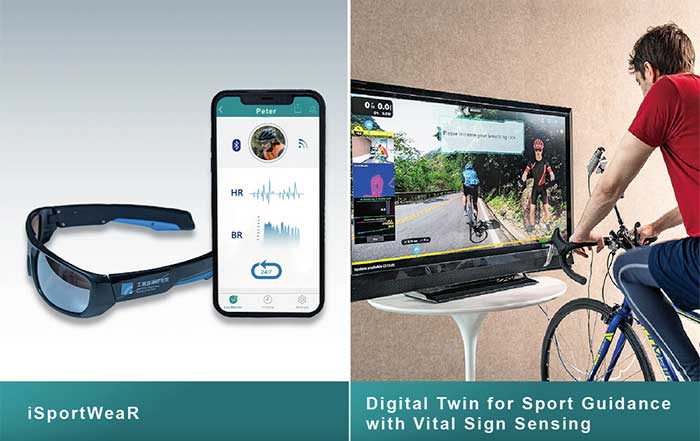
Companies such as Apple and Garmin have transformed the smartwatch and multisport wearable into comprehensive health and performance hubs, tracking heart rate variability, VO2 max estimates, sleep stages, menstrual cycles, and stress markers. Whoop, with its subscription-based recovery analytics, has become a reference point for athletes and high-performance professionals, while Tonal, Hydrow, and other connected equipment providers continue to refine at-home strength and endurance training. The rollout of 5G and edge computing is enabling low-latency, high-fidelity streaming for live coaching and global competitions, making it possible for a runner in Singapore to join a real-time coached session with participants from Canada, Norway, and South Africa.
Beyond consumer devices, performance analytics platforms used by professional teams in the NBA, English Premier League, and Formula 1 draw on machine learning to optimize tactics, monitor workloads, and prevent injuries. Organizations such as Catapult Sports and Hawk-Eye Innovations have become critical infrastructure providers, while leagues increasingly partner with technology giants to enhance broadcast experiences with augmented reality overlays and advanced statistics. Readers interested in how these technologies are reshaping both grassroots and elite performance can explore coverage on SportyFusion Technology and SportyFusion Performance. Those seeking a broader view of sports technology trends can also review resources from MIT Sloan Sports Analytics and innovation tracking by SportsTechX.
Professional Sports, Global Events, and Media Reinvention
Global sports events retain immense cultural and economic power. The Olympic Games, the FIFA World Cup, and continental tournaments such as the UEFA European Championship, Copa América, and the Rugby World Cup continue to draw audiences counted in billions, while major marathons in London, Berlin, New York, and Tokyo symbolize personal achievement and urban branding in equal measure. Professional leagues like the NBA, NFL, MLB, English Premier League, La Liga, Bundesliga, and Formula 1 function as global media and entertainment brands, leveraging streaming, social media, and data-driven fan engagement to reach audiences far beyond their home markets.
The media landscape supporting these events has been fundamentally reshaped. Traditional broadcasters such as ESPN, Sky Sports, and BBC Sport now compete and collaborate with digital platforms like Amazon Prime Video, Apple TV+, YouTube, and DAZN for rights packages and viewer attention. Younger fans increasingly consume highlights, behind-the-scenes content, and athlete-driven storytelling on TikTok, Instagram, and Twitch, often prioritizing authenticity and interactivity over polished long-form broadcasts. For business leaders and marketers, this fragmentation requires sophisticated strategies that integrate broadcast, social media, and experiential activations. Readers can follow these developments and their commercial implications on SportyFusion News and SportyFusion Sports, while broader media trends are analyzed by organizations such as Deloitte's Sports Business Group.
Health, Wellness, and the Medicalization of Fitness
One of the most significant shifts by 2026 is the deep integration of fitness into healthcare and preventive medicine. Health systems in North America, Europe, and parts of Asia-Pacific increasingly recognize physical activity as a frontline intervention against chronic diseases such as obesity, type 2 diabetes, and cardiovascular conditions. Insurers and employers partner with digital fitness platforms and wearable providers to incentivize movement, offering premium discounts, rewards programs, and structured wellness pathways. In Canada and Australia, health insurers link activity targets tracked by devices like Apple Watch, Garmin, and Fitbit to financial benefits, while Singapore's Health Promotion Board continues to pioneer population-level initiatives that combine wearables, gamification, and public health messaging.
Advances in personalized nutrition and biomarker analysis further blur the line between fitness and healthcare. Consumers increasingly turn to genetic testing, microbiome analysis, and AI-driven dietary coaching to optimize energy, recovery, and long-term health. Plant-based proteins, functional beverages, and nootropic-enhanced supplements have moved from niche to mainstream shelves, supported by scientific research from institutions such as Harvard T.H. Chan School of Public Health and guidance from organizations like the World Health Organization. For those who wish to understand how these trends translate into real-world choices-from training plans that accommodate chronic conditions to nutrition strategies tailored to busy professionals-SportyFusion Health and SportyFusion Fitness provide ongoing analysis.
Sustainability, Ethics, and the Demand for Responsible Leadership
Environmental and ethical considerations are no longer peripheral issues; they are central to brand value and regulatory scrutiny. The sports and fitness industry faces pressure on multiple fronts: the carbon footprint of global events and travel, the waste generated by fast fashion in athletic wear, the energy consumption of facilities, and the labor conditions in manufacturing hubs. Major organizations such as the International Olympic Committee (IOC), FIFA, and leading leagues have adopted sustainability frameworks aligned with the United Nations Sustainable Development Goals, committing to carbon-neutral events, responsible sourcing, and community legacy programs.
Companies like Adidas, Nike, and Puma are investing in circular economy models, designing products for recyclability and experimenting with bio-based and recycled materials. Initiatives like Adidas's Parley range, created from recovered ocean plastics, and Nike's Move to Zero campaign are emblematic of a broader shift, while independent labels push innovation in low-impact dyes, regenerative agriculture, and localized production. Event organizers in London, Berlin, New York, and Tokyo are reducing single-use plastics and integrating public transport incentives, and new stadium projects increasingly pursue certifications such as LEED or BREEAM for sustainable design.
Ethical questions extend beyond the environment. Athlete welfare, mental health, data privacy, and equitable access to facilities and technology are key points of debate. High-profile athletes such as Simone Biles and Naomi Osaka have brought mental health to the forefront, challenging federations, sponsors, and media to rethink expectations and support structures. At the same time, the proliferation of wearables and health apps raises concerns around data ownership, consent, and potential misuse by employers or insurers. Regulatory frameworks like the EU's GDPR and evolving legislation in California, Canada, and Singapore set important guardrails, but companies must go further to build trust through transparent, user-centric policies. These ethical dimensions are explored in depth on SportyFusion Environment and SportyFusion Ethics, while broader sustainability guidance can be found via the UN Environment Programme and resources on sustainable business practices from the World Economic Forum.
Jobs, Skills, and Careers in a Converging Industry
The sports and fitness sector in 2026 is a powerful engine of employment, spanning coaching, sport science, technology, marketing, facility management, content creation, and corporate leadership. Demand is particularly strong for professionals who can operate at the intersection of disciplines: sport scientists who understand data analytics, marketers fluent in both physical events and digital communities, engineers who can translate athlete needs into product design, and wellness coaches capable of integrating movement, nutrition, and mental health.
Universities and training institutions in the United States, United Kingdom, Germany, Australia, Canada, and Singapore are updating curricula to include modules on sports technology, digital media, sustainability, and entrepreneurship. Startups need product managers and engineers who can iterate rapidly in competitive niches such as AI coaching, VR training, or specialized nutrition, while established brands recruit for roles in ESG reporting, diversity and inclusion, and global partnership management. At the grassroots level, community coaches, physical education teachers, and local club administrators remain essential to participation growth, particularly in emerging markets across Africa, South America, and South-East Asia.
For job seekers and employers alike, understanding where the industry is heading is critical. SportyFusion Jobs offers insights into emerging roles, skills in demand, and regional opportunities, complementing global labor market perspectives from organizations such as the International Labour Organization and sector reports from PwC's Sports Survey.
Regional Perspectives: Global Industry, Local Realities
Although the sports and fitness market is increasingly globalized, regional differences remain significant and create distinct opportunities and challenges. In the United States, high-value media rights, strong college sports systems, and a mature fitness club market underpin industry scale, while boutique studios and connected platforms continue to innovate around community and personalization. In Europe, club-based participation, cycling culture, and regulatory emphasis on sustainability and privacy shape business models, and fitness tourism-from cycling in France and Italy to wellness retreats in Spain and Greece-has become an important niche.
The Asia-Pacific region illustrates both diversity and dynamism. China continues to invest heavily in sports infrastructure and mass fitness campaigns; Japan and South Korea lead in the integration of technology, urban design, and lifestyle; Australia and New Zealand leverage strong outdoor cultures and high participation rates across age groups. In Africa, markets in South Africa, Nigeria, Kenya, and others are characterized by young populations, rapid urbanization, and strong grassroots enthusiasm, particularly for football and athletics, but face infrastructure and affordability constraints. South America, led by Brazil and Argentina, blends deep-rooted passion for football with growing interest in functional training, running, and digital platforms targeting Portuguese- and Spanish-speaking users.
For readers seeking a comparative lens across regions, SportyFusion World provides ongoing coverage of policy developments, infrastructure projects, and market entries, complementing global sport policy perspectives from organizations such as Sportanddev.org and economic insights from the OECD.
Consumers, Athletes, and Businesses: Navigating the Next Decade
Looking ahead from 2026 toward 2035, the trajectory of the sports and fitness industry will be shaped by several interlocking forces: the deepening convergence of digital and physical experiences, the normalization of AI-driven personalization, the institutionalization of sustainability, the medicalization of fitness, and the cultural embedding of active lifestyles. For businesses, success will depend on the ability to integrate these forces into coherent strategies that balance innovation with responsibility. For athletes, both professional and amateur, the challenge will be to harness technology and data without sacrificing mental health, autonomy, or privacy. For consumers, the opportunity lies in using the abundance of tools and platforms to craft sustainable, personalized, and meaningful fitness journeys rather than chasing short-term trends.
Across all of these dimensions, experience, expertise, authoritativeness, and trustworthiness are decisive. In an environment saturated with apps, devices, and marketing messages, individuals and organizations gravitate toward sources that demonstrate deep understanding, global perspective, and ethical clarity. SportyFusion positions itself squarely in this space, providing readers with integrated coverage that spans fitness, health, business, culture, technology, training, and lifestyle, while reflecting the diverse realities of audiences across North America, Europe, Asia, Africa, and South America.
As 2026 unfolds, the global sports and fitness market continues to be more than an economic engine; it is a lens through which societies negotiate health, identity, equity, and the role of technology in everyday life. By chronicling these developments with rigor and perspective, SportyFusion aims not only to inform but to empower its readers-whether they are executives designing strategy, coaches shaping performance, or individuals seeking a healthier, more active, and more connected way of living.