

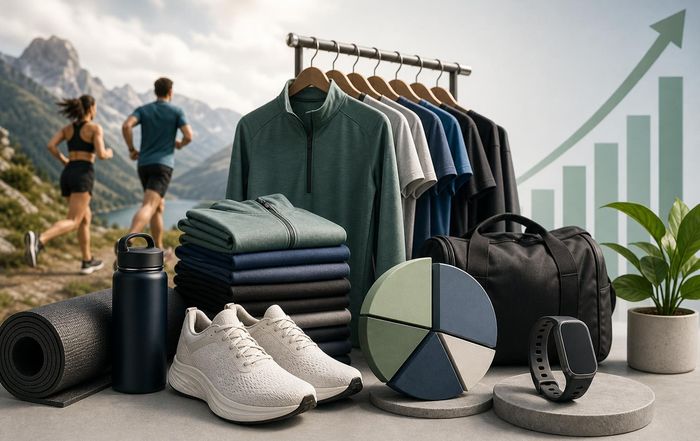
The Business of Active Lifestyle Brands
Active Lifestyle as a Global Business Engine
The business of active lifestyle brands has evolved into a sophisticated global ecosystem that spans performance sportswear, connected fitness, wellness technology, digital communities, and culturally driven experiences that shape how people move, work, and live. From the United States and the United Kingdom to Germany, Japan, Brazil, and South Africa, consumers now expect brands to deliver not only products but also guidance, community, and purpose, transforming what was once a niche athletic segment into a core pillar of the modern consumer economy. Within this context, SportyFusion positions itself as a premium sport website that connects these trends across sports, fitness, health, and culture, helping business leaders, investors, and professionals understand how performance and lifestyle are converging into a single, powerful market narrative.
The global sports apparel and footwear market, tracked by organizations such as Statista and major consultancies, continues to expand, supported by demographic shifts, digital adoption, and growing awareness of physical and mental health. In Europe, Asia, and North America, active lifestyle brands are no longer limited to athletes or gym-goers; they cater to office workers in hybrid roles, remote freelancers, gamers, and older adults embracing longevity-focused routines. As a result, the lines between performance, casual, and luxury have blurred, with brands competing on technology, sustainability, storytelling, and trust. In this environment, the winners are those that combine deep expertise in sports science and product innovation with credible commitments to ethics, environment, and community-building, themes that are central to the independent and educated editorial mission of SportyFusion's business coverage.
From Performance Gear to Lifestyle Ecosystems
Historically, the business of sportswear revolved around performance gear created for elite athletes and then adapted for mainstream consumers, a model perfected by companies such as Nike, Adidas, and Puma. Over the past decade, however, the rise of athleisure, the growth of boutique fitness studios, and the global expansion of wellness culture have pushed brands to move beyond single-product categories into integrated lifestyle ecosystems. This shift is visible in the strategies of Lululemon, Under Armour, and Decathlon, which now invest heavily in digital training platforms, mindfulness content, and hybrid retail experiences that blend coaching, community, and commerce. For executives and entrepreneurs following these developments, the evolution of the category can be traced through reports from organizations such as McKinsey & Company, whose industry analyses highlight the growing importance of direct-to-consumer relationships and experiential retail in active lifestyle markets.
The most successful brands are no longer selling shoes or leggings; they are selling identities and daily rituals. In metropolitan centers from London and Berlin to Singapore and Sydney, consumers select their active lifestyle brands based on how well those brands reflect personal values related to sustainability, inclusivity, and performance. This has led to a proliferation of niche labels that specialize in particular sports, body types, or cultural aesthetics, challenging incumbents to refine their positioning and invest in more personalized experiences. For a daily updated platform like SportyFusion, which covers lifestyle and performance alongside traditional sports news, the story of 2026 is about how these ecosystems intersect and how businesses can build credible, long-term relationships with increasingly discerning consumers.
Digital Fitness, Data, and the New Competitive Advantage
The digitalization of fitness has fundamentally reshaped the business model of active lifestyle brands. Connected hardware, wearable sensors, and AI-driven coaching have become central to how consumers in the United States, Canada, the United Kingdom, South Korea, and Japan engage with movement and health. Companies such as Apple, Garmin, and Whoop have turned biometric data into a strategic asset, while platforms like Peloton and Zwift have shown how subscription-based content can turn exercise into a social and competitive experience. Industry observers often consult resources such as the World Economic Forum to understand how these digital transformations fit into broader trends in the future of work, health, and urban living, particularly as hybrid work patterns reshape daily routines across North America, Europe, and Asia.
For active lifestyle brands, data has become both an opportunity and a responsibility. The ability to analyze training load, recovery, sleep, and mental wellbeing allows companies to deliver personalized recommendations and product suggestions, deepening customer loyalty and increasing lifetime value. At the same time, regulators in regions such as the European Union and markets like Canada and Australia have tightened privacy and data protection frameworks, requiring brands to align with standards outlined by institutions such as the European Commission and national data protection authorities. Trust, therefore, is not a marketing slogan but a compliance and governance imperative, and brands that mishandle data or fail to explain their algorithms risk losing the confidence of consumers who increasingly understand the value and sensitivity of their health information.
Health, Wellness, and the Expansion Beyond Sport
The business of active lifestyle brands now extends far beyond traditional definitions of sport into a broader wellness economy that encompasses mental health, sleep, nutrition, and preventive care. Organizations such as the World Health Organization and the OECD have documented the rising economic burden of sedentary lifestyles and chronic disease in both developed and emerging markets, driving governments and employers to promote physical activity as a strategic health intervention. This has created new opportunities for brands that can position themselves as partners in long-term health rather than short-term performance, particularly in countries like Germany, Sweden, Norway, and Singapore, where public health infrastructure and corporate wellness programs are well developed.
In this context, brands that demonstrate genuine expertise in health science and collaborate with credible institutions gain a competitive edge. Partnerships with academic medical centers, sports science laboratories, and professional leagues allow companies to validate product claims, refine training methodologies, and contribute to evidence-based guidelines for safe and effective exercise. Readers who follow health and training totally original content on SportyFusion increasingly look for insights grounded in research from organizations such as the American College of Sports Medicine or the UK National Health Service, and they expect active lifestyle brands to align with these standards, not merely reference them in marketing campaigns. In markets like Japan, South Korea, and Finland, where longevity and quality of life are key policy priorities, this alignment between brand messaging and credible health outcomes is particularly critical.
Culture, Identity, and the Power of Community
Active lifestyle brands in 2026 operate at the intersection of sport, culture, and identity, navigating complex questions of representation, inclusion, and social impact. The rise of social media platforms and creator-driven communities has allowed consumers in Brazil, South Africa, Malaysia, and Thailand to shape global trends, challenging older narratives that centered primarily on North American and Western European perspectives. Cultural institutions and media outlets, including The New York Times, The Guardian, and Le Monde, have chronicled how sports and fitness now function as arenas for debates about gender, race, body image, and national identity, forcing brands to move beyond surface-level diversity campaigns toward deeper structural commitments.
For businesses, this cultural dimension is not optional; it directly affects brand equity and growth. Collaborations with local athletes, artists, and grassroots organizations in cities from Los Angeles and Toronto to Lagos and Bangkok allow brands to build authentic connections and avoid the perception of cultural appropriation. At the same time, global events such as the Olympic Games, FIFA World Cup, and major esports tournaments provide platforms where active lifestyle brands can showcase their values to worldwide audiences. Platforms like SportyFusion, through its culture and world sections, highlight how these cultural dynamics influence consumer behavior in regions as diverse as Europe, Asia, and Africa, and why executives must approach community-building with long-term commitment rather than campaign-driven opportunism.
Sustainability, Ethics, and the Supply Chain Imperative
Sustainability has moved from the margins to the center of strategic decision-making for active lifestyle brands, particularly in markets such as the Netherlands, Denmark, Switzerland, and New Zealand, where environmental awareness is high and regulatory frameworks are advanced. Lifecycle assessments, circular design, and low-carbon logistics are now board-level topics, influenced by guidelines from organizations such as the United Nations Environment Programme and industry benchmarks from the Ellen MacArthur Foundation. Consumers in the United States, France, and Italy increasingly scrutinize materials, manufacturing conditions, and end-of-life options for their apparel and equipment, pressuring brands to innovate in areas such as bio-based textiles, recycled fibers, and repair or resale programs.
Ethical considerations extend beyond environmental impact to labor conditions, governance, and transparency. Investigative reporting by outlets such as the BBC and Reuters has kept a spotlight on supply chain abuses, prompting leading brands to adopt more rigorous auditing, traceability, and disclosure practices. For companies in the active lifestyle sector, this means investing in technologies such as blockchain-based tracking and third-party certifications, as well as engaging with frameworks promoted by organizations like the Fair Labor Association. For readers of SportyFusion, the positive minded intersection of environment and ethics is not abstract; it informs purchasing decisions and brand loyalty, particularly among younger consumers in Europe and Asia who see climate action and social justice as inseparable from their identity as athletes, commuters, and outdoor enthusiasts.
Technology, Innovation, and the Future of Performance
Technology remains a core differentiator in the business of active lifestyle brands, shaping everything from product design and manufacturing to marketing and customer service. Advances in materials science have enabled lighter, more durable, and more sustainable products, while additive manufacturing and on-demand production are beginning to reduce waste and shorten development cycles. Research published by institutions such as MIT and ETH Zurich has influenced how brands think about biomechanics, impact absorption, and thermoregulation, leading to innovations in running shoes, compression garments, and protective equipment that appeal to both elite athletes and everyday users.
On the digital front, artificial intelligence and machine learning are transforming how brands understand consumer behavior, optimize inventory, and personalize experiences. Recommendation engines, dynamic pricing, and predictive demand modeling are now standard tools for global players, while smaller brands leverage cloud-based platforms and APIs to access similar capabilities without extensive in-house infrastructure. Industry analyses from organizations like Gartner and IDC help executives benchmark their digital maturity and prioritize investments in areas such as omnichannel commerce, virtual try-on, and immersive storytelling. For SportyFusion, whose technology and gaming articles explore how interactive media and sports converge, the key theme is that performance is no longer confined to the physical realm; it is increasingly mediated by data, simulation, and virtual experiences that redefine what it means to be "active" in a digital-first world.
Business Models, Revenue Streams, and Market Consolidation
The financial architecture of active lifestyle brands has become more complex as companies diversify revenue streams across products, services, and content. Traditional wholesale and retail channels remain important, but direct-to-consumer e-commerce, subscription models, and digital memberships now account for a growing share of revenue, particularly in markets with high smartphone penetration such as the United States, South Korea, and Singapore. Analysts at organizations like Deloitte and PwC have documented how brands blend hardware sales with recurring digital services, from training apps and nutrition plans to exclusive community access, creating more predictable revenue profiles and deeper customer engagement.
At the same time, consolidation continues across the sector, with larger conglomerates acquiring niche brands to fill portfolio gaps in categories such as outdoor, yoga, cycling, and functional fitness. Private equity firms and sovereign wealth funds from regions including the Middle East and Asia have become active investors, seeking exposure to long-term consumer trends around health and wellbeing. This influx of capital brings both opportunities and pressures, as acquired brands must balance growth expectations with the authenticity and community focus that made them attractive in the first place. For professionals following recent news and jobs trends on SportyFusion, these shifts translate into new career paths in digital product management, sports science, sustainability, and community operations, as well as an increased need for cross-functional leadership capable of integrating brand, technology, and culture.
Global Markets, Local Nuances, and Regional Strategies
While active lifestyle brands operate in a globalized economy, success still depends on understanding local nuances in culture, regulation, and infrastructure. In North America, the focus often centers on individual performance, outdoor recreation, and technology integration, with brands leveraging partnerships with major leagues and collegiate sports. In Europe, particularly in countries like Germany, Sweden, and the Netherlands, cycling culture, public transport, and urban planning shape demand for active commuting gear and multifunctional apparel that transitions between office and outdoor environments. In Asia, diverse markets such as China, Japan, and Thailand exhibit distinct preferences, from high-tech wearables and indoor fitness communities to traditional martial arts and wellness practices, requiring brands to adapt not only sizing and design but also messaging and distribution models.
Africa and South America, including countries such as South Africa and Brazil, present both challenges and opportunities, with growing middle classes, strong football and running cultures, and expanding digital infrastructure but also price sensitivity and logistical complexity. Reports from organizations like the International Monetary Fund and the World Bank provide macroeconomic context, while local research institutes and sports federations offer granular insights into participation patterns and consumer behavior. For SportyFusion, which aims to serve a growing community through its world and social lenses, the key narrative is that no single strategy can succeed everywhere; brands must combine global consistency with local relevance, building teams and partnerships that reflect the diversity of the communities they serve.
Trust, Governance, and Long-Term Brand Equity
In an era of heightened scrutiny and rapid information flows, trust has emerged as the ultimate currency for active lifestyle brands. Consumers in markets from the United Kingdom and Canada to Italy, Spain, and Finland have access to a constant stream of product reviews, social media commentary, and investigative journalism, making it difficult for companies to hide missteps or overstate claims. Regulatory bodies, industry watchdogs, and independent labs increasingly test equipment and apparel for safety, durability, and environmental impact, and their findings shape public perception in ways that marketing budgets alone cannot counterbalance. Institutions such as the Consumer Product Safety Commission in the United States and the European Chemicals Agency in the EU set standards that influence global supply chains, while voluntary certifications signal additional commitments to quality and responsibility.
For business leaders, building and maintaining trust requires alignment across strategy, operations, and communication. This includes transparent reporting on sustainability goals, honest messaging about performance benefits, responsible use of athlete endorsements and influencer partnerships, and proactive engagement with stakeholders when issues arise. Hubs like SportyFusion, by curating perspectives across business, brands, and ethics, play a role in holding the industry to account while highlighting best practices and emerging standards. Over time, brands that consistently demonstrate integrity, listen to their communities, and adapt to evolving expectations build durable equity that can withstand market cycles and competitive disruption.
The Tracks Ahead for Active Lifestyle Brands?
As sports seasons progress, the business of active lifestyle brands stands at a pivotal juncture where technology, sustainability, culture, and health converge. The sector's growth potential remains significant, driven by demographic trends, urbanization, and an increasingly global appreciation of movement as a foundation for wellbeing, yet the competitive landscape is more demanding than ever. Companies must innovate responsibly, manage complex supply chains, and navigate geopolitical uncertainties while staying close to the everyday realities of consumers in cities and communities across the world. From New York and London to Seoul, Cape Town, and São Paulo, the expectations placed on brands extend far beyond aesthetics or performance metrics; they encompass contributions to environmental resilience, social inclusion, and public health.
For SportyFusion, whose hopefully inspiring mission is to connect sports, fitness, health, technology, and culture for a global audience, the business of active lifestyle brands is not merely a commercial story but a reflection of how societies choose to prioritize movement, wellbeing, and shared experience. By tracking developments across fitness, sports, technology, and the broader world, the currently on unaffiliated platform aims to equip executives, entrepreneurs, investors, and professionals with the insight needed to build organizations that are not only profitable but also credible, resilient, and aligned with the values of the communities they serve. In the years ahead, those active lifestyle brands that embrace this holistic vision-grounded in expertise, authoritativeness, and trustworthiness-are likely to define the next chapter of the global movement economy.