

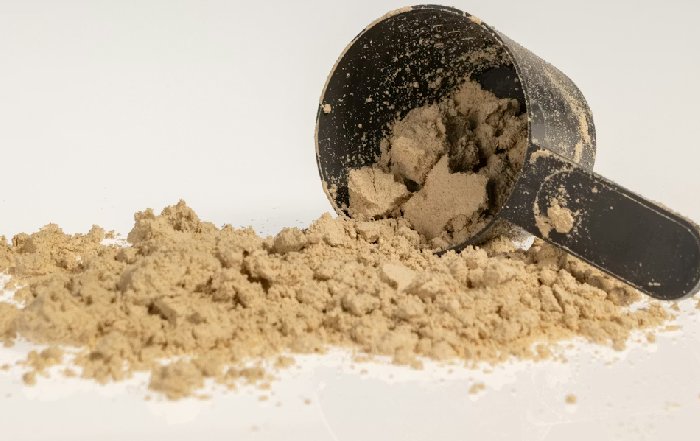
Startups Innovating in the Sports Nutrition Space
The New Era of Performance Nutrition
Sports nutrition has moved far beyond protein powders and generic energy bars; it has become a data-driven, highly personalized, and globally networked ecosystem in which agile startups are redefining how athletes, fitness enthusiasts, and health-conscious consumers fuel their bodies. Across major markets such as the United States, United Kingdom, Germany, Canada, Australia, and rapidly growing hubs in Asia, founders are combining advances in biotechnology, digital health, and sustainable supply chains to build products and platforms that reflect a more holistic view of performance, one that aligns closely with the cross-disciplinary focus that SportyFusion brings to its community through its coverage of fitness, health, and performance. This convergence is reshaping not only what athletes consume, but how they understand their own bodies, how brands earn trust, and how the entire sports ecosystem measures value.
The global sports nutrition market, tracked by organizations such as Grand View Research and the International Trade Administration, has continued to grow steadily, driven by rising participation in recreational sports, the mainstreaming of strength and endurance training, and heightened awareness of metabolic health. At the same time, consumers in regions from North America and Europe to Asia-Pacific are demanding cleaner labels, verifiable science, and ethical sourcing, pressuring both legacy companies and emerging ventures to raise their standards. For SportyFusion readers who move fluidly between training, work, and digital life, these shifts mean that sports nutrition is no longer a niche category; it is a central pillar of lifestyle, performance, and long-term wellbeing, intersecting with technology, business innovation, and cultural change in ways that would have been hard to imagine a decade ago.
From Generic Products to Precision Fueling
One of the most significant transformations in sports nutrition has been the shift from one-size-fits-all formulations to precision fueling strategies that consider genetics, microbiome profiles, training loads, and even local climate conditions. Startups in the United States, the United Kingdom, and countries such as Germany, Sweden, and Singapore are building on research published by institutions like Harvard Medical School and the Mayo Clinic to design products that are tuned to individual physiology rather than broad demographic segments. This movement parallels developments in personalized medicine and reflects a broader cultural embrace of data-informed self-optimization that SportyFusion regularly explores in its technology and lifestyle coverage.
Young companies are leveraging at-home blood testing, continuous glucose monitoring, and AI-driven analytics to recommend specific macronutrient ratios, hydration strategies, and supplementation protocols tailored to the needs of marathoners in London, cyclists in the Netherlands, esports competitors in South Korea, and weekend trail runners in New Zealand. Platforms inspired by early pioneers such as InsideTracker and Levels have evolved into integrated ecosystems that connect training plans, nutrition guidance, sleep data, and stress metrics, offering athletes and coaches a unified view of readiness and recovery. Learn more about the broader context of personalized health through resources from organizations like the World Health Organization and National Institutes of Health, which have highlighted both the potential and the regulatory considerations of such approaches.
For readers of SportyFusion, this precision era raises important questions about accessibility, equity, and data privacy. While elite athletes in Europe, North America, and parts of Asia can afford sophisticated testing and bespoke product subscriptions, there is a growing need to ensure that evidence-based, personalized guidance is available to a wider global audience, including emerging sports communities in South Africa, Brazil, Thailand, and other rapidly developing markets. As sports nutrition startups scale, their ability to democratize access to meaningful insights will be a key factor in whether the benefits of personalization become a global norm or remain a premium niche.
Functional Ingredients and Evidence-Based Formulations
Parallel to the rise of personalization, startups are redefining the ingredient landscape of sports nutrition, moving beyond conventional whey, caffeine, and basic carbohydrates toward functional compounds that support cognitive performance, gut health, inflammation management, and long-term metabolic resilience. Drawing on research from institutions such as Stanford University, ETH Zurich, and Imperial College London, founders are building formulations around adaptogens, polyphenols, nootropics, and clinically studied probiotics, with a particular focus on the needs of athletes who train in high-stress environments or compete across multiple time zones. Learn more about the science of functional ingredients through resources such as Examine.com and the National Center for Complementary and Integrative Health.
In markets like the United States, Canada, Australia, and the Nordic countries, where consumer familiarity with functional foods is relatively high, startups are experimenting with mushroom-based recovery blends, cognitive-support beverages for esports athletes, and gut-friendly endurance fuels that minimize gastrointestinal distress during marathons and ultra events. These innovations align closely with the holistic performance mindset that SportyFusion highlights in its training and sports reporting, where mental resilience and digestive comfort are increasingly recognized as performance variables on par with strength and speed. Meanwhile, in Asia and Europe, entrepreneurs are integrating traditional botanical knowledge into modern formulations, creating products that resonate with local cultural practices while meeting contemporary regulatory and scientific standards.
However, the proliferation of functional claims has also intensified scrutiny from regulators and consumer advocates. Organizations such as the European Food Safety Authority (EFSA) and the U.S. Food and Drug Administration (FDA) have reiterated the importance of rigorous substantiation, clear labeling, and responsible marketing, particularly when products target younger consumers or promise cognitive enhancement. For business leaders and investors following SportyFusion's business and ethics channels, the competitive advantage is increasingly shifting toward startups that can combine compelling innovation with transparent communication and robust clinical validation rather than relying on hype or loosely interpreted science.
Digital Platforms, Wearables, and Intelligent Coaching
Digital transformation has become a defining force in sports nutrition, blurring the boundaries between food, software, and coaching services. Startups are building platforms that integrate data from wearables produced by companies such as Garmin, Apple, and Whoop, along with training apps and smart gym equipment, to provide real-time nutrition recommendations that adapt to an athlete's workload, sleep quality, and stress levels. This convergence reflects the broader digital health trends documented by organizations like the World Economic Forum and the OECD, where interconnected ecosystems are replacing siloed solutions.
For instance, a triathlete in Switzerland can now rely on an app that monitors heart rate variability, training volume, and local weather forecasts, then suggests specific hydration and electrolyte strategies, meal timing, and micronutrient support for each session. Similarly, an esports competitor in South Korea or Denmark might receive tailored guidance to balance caffeine intake, blue-light exposure, and brain-supportive nutrients to maintain focus without compromising sleep or long-term health. SportyFusion's readers, who often straddle both physical and digital performance arenas, can see this dynamic reflected in the platform's gaming and world coverage, where the boundaries between traditional sports and digital competition continue to narrow.
The next wave of innovation is emerging from AI-driven coaching engines that learn from large datasets of anonymized performance and nutrition outcomes. Startups in the United States, the United Kingdom, and Singapore are training algorithms on diverse cohorts that include endurance runners, strength athletes, team sport professionals, and recreational enthusiasts across multiple continents, enabling more nuanced recommendations that account for cultural dietary patterns, typical training environments, and regional health risks. Learn more about responsible AI development and data governance through resources from the OECD AI Observatory and the Future of Privacy Forum, as these considerations will increasingly shape how athletes and consumers evaluate digital nutrition services.
Sustainability, Ethics, and Regenerative Supply Chains
As climate concerns intensify and consumers become more aware of the environmental footprint of their choices, sustainability has become a central theme in sports nutrition innovation. Startups from Europe, North America, and Asia-Pacific are adopting regenerative agriculture, plant-based protein sources, and circular packaging models to reduce greenhouse gas emissions, water usage, and waste. Organizations such as the Ellen MacArthur Foundation and the UN Environment Programme have documented the potential of circular and regenerative models to transform food systems, and sports nutrition entrepreneurs are increasingly positioning themselves at the forefront of this shift.
Plant-based sports nutrition, once considered a niche for vegan athletes, has become mainstream in markets like Germany, the Netherlands, the United Kingdom, and Canada, with founders emphasizing not only ethical considerations but also performance benefits supported by emerging research. Companies are experimenting with pea, fava, and lupin proteins, as well as algae and fermentation-derived ingredients that can deliver high-quality amino acid profiles with significantly lower environmental impact than traditional animal sources. For SportyFusion readers interested in the intersection of environment, brands, and performance, these developments signal a profound realignment of values, in which athletic ambition and planetary stewardship are no longer seen as competing priorities.
Ethical considerations also extend to labor practices, ingredient sourcing from the Global South, and marketing transparency. Startups operating in supply chains that touch regions such as South America, Africa, and Southeast Asia are under increasing pressure to demonstrate fair compensation, safe working conditions, and respect for local communities. Learn more about sustainable business practices and responsible sourcing through resources from the UN Global Compact and the Rainforest Alliance. For the SportyFusion community, which follows global developments through its news and social lenses, the brands that will earn long-term loyalty are those that integrate environmental and social responsibility into their core business models rather than treating them as peripheral initiatives.
Globalization, Localization, and Cultural Relevance
While sports nutrition is globalizing rapidly, with products and digital platforms crossing borders at unprecedented speed, the most successful startups understand that cultural relevance and local adaptation remain critical. In Asia, for example, the growth of sports participation in China, Japan, South Korea, Thailand, and Singapore is creating demand for products that respect local taste profiles, dietary norms, and regulatory frameworks. In Europe, from France and Italy to Spain, Denmark, and Finland, consumers often prioritize culinary experience and natural ingredients, pushing startups to integrate sports nutrition into everyday eating patterns rather than treating it as a separate category. Reports from organizations such as McKinsey & Company and Euromonitor International highlight how nuanced cultural preferences can make or break market entry strategies.
For SportyFusion, whose audience spans North America, Europe, Asia, Africa, and South America, this tension between globalization and localization is a recurring theme across culture, world, and business content. Startups that succeed in multiple regions often invest heavily in local partnerships with sports federations, trainers, nutritionists, and community organizations, ensuring that their products and messaging resonate authentically with athletes in diverse contexts, from football clubs in Brazil and South Africa to ski communities in Switzerland and Norway, and urban running collectives in London, Berlin, and New York. Learn more about global consumer trends and regional differences through resources such as the World Bank and the International Monetary Fund, which provide broader economic and demographic insights that shape market opportunities.
Language, regulatory compliance, and distribution infrastructure also play decisive roles. In markets where e-commerce is well established, such as the United States, the United Kingdom, and Australia, direct-to-consumer models allow startups to build strong relationships and gather detailed feedback. In other regions, such as parts of Africa and South America, partnerships with local retailers, gyms, and sports clubs can be more effective. For readers of SportyFusion, this underscores the importance of understanding not only product innovation but also the operational and cultural dimensions of scaling sports nutrition ventures across borders.
The Talent Landscape: New Roles and Career Paths
The rapid evolution of sports nutrition is also reshaping the talent landscape, creating new roles and career paths at the intersection of science, technology, and sport. Startups in this space increasingly recruit multidisciplinary teams that include sports scientists, registered dietitians, data scientists, software engineers, regulatory specialists, and brand strategists who understand both athletic culture and digital engagement. For professionals and students following SportyFusion's jobs and business sections, the sector offers a compelling blend of purpose-driven work, scientific rigor, and entrepreneurial energy.
In leading hubs such as the United States, the United Kingdom, Germany, Canada, and Singapore, universities and innovation clusters are launching specialized programs that combine sports science, nutrition, and entrepreneurship, often in partnership with professional clubs, performance centers, and technology accelerators. Learn more about the broader sports innovation ecosystem through organizations like SPORTS TECH TOKYO, Le Tremplin in France, and similar accelerators that connect startups with mentors, investors, and pilot opportunities. These initiatives not only nurture new ventures but also expose emerging professionals to the practical realities of building products that must meet high standards of safety, efficacy, and user experience.
At the same time, the growing importance of ethics, sustainability, and data governance in sports nutrition is creating demand for professionals with expertise in regulatory affairs, environmental science, and digital privacy. For SportyFusion readers who care deeply about integrity and long-term impact, this opens pathways to contribute not only to the success of individual brands but also to the maturation of the entire industry. As more startups seek to differentiate themselves through transparency and responsible practices, the ability to navigate complex ethical questions will become a core leadership competency rather than a peripheral concern.
Trust, Regulation, and the Role of Independent Verification
In an industry where products are ingested and claims directly affect health and performance, trust is the ultimate currency. Startups that aspire to long-term relevance must navigate a patchwork of regulations across regions such as the European Union, North America, and Asia, while also responding to increasingly informed and skeptical consumers. Organizations such as Informed Sport and NSF International have become central to this landscape by offering independent testing and certification programs that verify the absence of banned substances and confirm label accuracy, providing reassurance to elite and recreational athletes alike. Learn more about anti-doping standards and athlete protection through the World Anti-Doping Agency.
For SportyFusion, which emphasizes Experience, Expertise, Authoritativeness, and Trustworthiness across its reporting, the startups most aligned with its values are those that embrace independent verification, publish transparent quality standards, and communicate clearly about both the strengths and limitations of their products. This includes acknowledging that nutrition is only one piece of a broader performance puzzle that also encompasses training load, recovery, mental health, and social support, themes that are explored regularly across SportyFusion's health, training, and social channels.
Regulatory harmonization remains a challenge, particularly for startups that operate across multiple continents. Differences in how regions classify supplements, novel foods, and functional ingredients can complicate product development and marketing strategies. However, these challenges also create opportunities for companies that invest early in robust compliance frameworks and proactive engagement with regulators, setting standards that competitors may later be forced to follow. For investors and corporate partners tracking the sector, the ability to navigate this complexity is emerging as a critical indicator of long-term resilience.
The Road Forward: Integration, Responsibility, and Human-Centric Innovation
The sports nutrition startup landscape is defined by integration, responsibility, and a renewed focus on the human experience of performance. Data-rich personalization, functional ingredients, digital coaching, and sustainable supply chains are converging into holistic offerings that support athletes not only in competition but across their daily lives, from office hours in London or New York to late-night training sessions in Tokyo or Johannesburg. For the global community that gathers around SportyFusion, this convergence mirrors the platform's own multidisciplinary lens, where sports, technology, culture, and lifestyle are understood as interconnected dimensions of modern living.
The next generation of startups will be judged not only on their ability to deliver marginal gains in speed, strength, or focus, but also on how they contribute to broader societal goals: reducing health disparities, minimizing environmental impact, respecting cultural diversity, and protecting consumer data and autonomy. Learn more about the evolving intersection of sport, health, and society through resources from the International Olympic Committee and the World Health Organization, which emphasize both the benefits and responsibilities associated with increased global participation in physical activity.
For decision-makers, practitioners, and enthusiasts who rely on SportyFusion as a trusted guide, the message is clear: sports nutrition is no longer a peripheral consideration or a simple matter of adding protein to the diet. It is a sophisticated, rapidly evolving domain that sits at the crossroads of science, technology, ethics, and culture, with profound implications for how individuals in the United States, Europe, Asia, Africa, South America, and beyond pursue performance, wellbeing, and meaning. As startups continue to innovate, the most impactful ventures will be those that combine cutting-edge expertise with humility, transparency, and a deep respect for the athletes and communities they serve, embodying the very principles of Experience, Expertise, Authoritativeness, and Trustworthiness that define SportyFusion and its global audience.