

European Sports Culture in 2026: Tradition, Technology, and the New Era of Engagement
Across Europe in 2026, sport remains one of the continent's most powerful social languages, a shared code that connects cities, nations, and generations through ritual, memory, and emotion. From the thunderous atmospheres of England's Premier League and Germany's Bundesliga to the intimate basketball arenas of Spain, the velodromes of France, and the alpine resorts of Switzerland and Austria, sport is not merely a form of entertainment; it is a living expression of identity, community, and aspiration. For SportyFusion.com, whose readers span fitness enthusiasts, business leaders, technologists, and cultural observers, European sports culture offers a rich case study in how experience, expertise, and trustworthiness converge to create sustainable engagement in an increasingly digital world.
European sport in 2026 is defined by a dual movement. On one hand, it is anchored in institutions and rituals that have evolved over more than a century; on the other, it is rapidly reshaped by data, artificial intelligence, immersive media, and global fan communities. The result is an ecosystem in which clubs, leagues, brands, and athletes must demonstrate not only competitive excellence but also ethical leadership, social responsibility, and technological sophistication. This blend of heritage and innovation has made Europe a reference point for sports organizations across North America, Asia, Africa, South America, and Oceania that seek to understand how passion can be translated into long-term, trusted relationships.
Visit SportyFusion Sports for ongoing coverage of how these dynamics play out across different disciplines and markets.
Historical Roots and the Shaping of Collective Identity
The foundations of European sports culture lie in the late 19th and early 20th centuries, when athletic clubs emerged as extensions of local communities, workplaces, and social movements. Clubs such as FC Barcelona, Juventus, and Manchester United did not begin as abstract commercial franchises; they were formed by workers, students, and neighborhood groups seeking physical activity, solidarity, and representation. This origin story created a framework in which loyalty is not simply transactional but interwoven with family histories, local politics, and regional pride.
In the aftermath of both World Wars, sport played a critical role in reconstruction and reconciliation. International competitions such as the UEFA Champions League and the Tour de France became stages where national rivalries could be expressed peacefully and where shared admiration for excellence could coexist with intense competition. This paradox-fierce loyalty combined with respect for opponents-remains a defining feature of European sports identity and underpins the continent's emphasis on fair play and ethical governance. Organizations such as UEFA and the Council of Europe have embedded these principles into regulatory frameworks that still shape the behavior of clubs, leagues, and federations today.
Readers interested in how these cultural forces influence modern performance and storytelling can explore SportyFusion Culture.
The Digital Transformation of Fandom
By 2026, the European sports fan has become a co-creator of the experience rather than a passive consumer. Social platforms such as X (formerly Twitter), Instagram, TikTok, and Twitch have turned match days into continuous, multi-screen narratives, where commentary, memes, tactical analysis, and emotional reactions circulate in real time. This digital layer has expanded the reach of clubs far beyond their local bases, allowing a supporters in remote places to feel as emotionally invested as a season-ticket holder in London or Munich.
Major organizations have responded with increasingly sophisticated digital ecosystems. UEFA has expanded its direct-to-fan services, while clubs like Real Madrid CF, FC Bayern Munich, and Paris Saint-Germain operate their own apps and streaming platforms to deliver behind-the-scenes content, interactive polls, and personalized highlights. Streaming providers such as DAZN, Amazon Prime Video, and Apple TV have fragmented the traditional broadcasting model, enabling on-demand viewing and niche content experiences tailored to fans in the United States, Canada, Australia, and across Asia and Africa. This fragmentation has also intensified competition for attention, compelling clubs and leagues to invest in high-quality storytelling, data-driven personalization, and user experience design.
Learn more about how training and technology intersect in this landscape on SportyFusion Fitness and SportyFusion Technology.
Athletes as Cultural Ambassadors and Ethical Leaders
One of the most striking shifts in European sports culture has been the evolution of athletes from performers to multifaceted public figures, often expected to demonstrate leadership on social, environmental, and ethical issues. Figures such as Marcus Rashford, whose advocacy for child nutrition in the United Kingdom reshaped public policy debates, exemplify how players are increasingly judged not only on goals or trophies but also on their contributions to society. Similar patterns can be seen in Germany, France, Italy, Spain, and the Nordic countries, where athletes speak out on topics ranging from racial equality and mental health to climate action and LGBTQ+ inclusion.
This ethos is deeply rooted in European training systems. Academies associated with clubs like Ajax Amsterdam, Borussia Dortmund, and Sporting CP are known not only for technical excellence but also for their focus on education, character, and community engagement. Players are taught to understand their role as representatives of a broader social fabric, reinforcing a sense of responsibility that resonates with fans who increasingly demand authenticity and integrity. This approach aligns with the growing importance of environmental, social, and governance (ESG) metrics in European business and finance, where sports organizations are evaluated alongside other industries for their ethical conduct and social impact.
For a deeper look at how ethics and performance intersect, visit SportyFusion Ethics and SportyFusion Performance.
Regional Nuances: One Continent, Many Cultures of Support
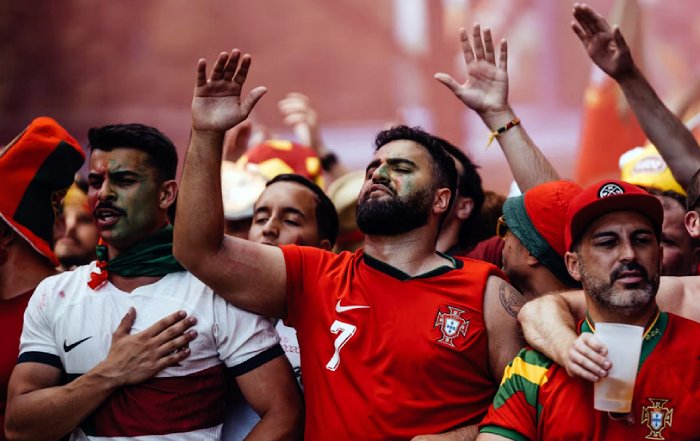
Although European sports culture is often discussed as a single entity, its richness lies in regional diversity. In Southern Europe-particularly Italy, Spain, Portugal, and parts of France-support is characterized by expressive choreography, elaborate tifos, and a highly emotional match-day atmosphere. Clubs such as SSC Napoli, Sevilla FC, and AS Roma are woven into the daily language of their cities; victories and defeats influence local mood, and stadiums function as civic theaters where joy, frustration, and identity are performed collectively.
In contrast, Northern and Western European countries like Germany, the Netherlands, Sweden, Denmark, and Norway often emphasize supporter organization and democratic governance. The German 50+1 rule, which preserves member control over clubs, and fan-owned entities such as AFC Wimbledon and FC United of Manchester in the United Kingdom reflect a tradition of participatory management. Meanwhile, in Central and Eastern Europe, clubs such as Legia Warsaw, Red Star Belgrade, and Dinamo Zagreb are closely linked to historical narratives of resistance, nationalism, and social change, making fandom a deeply political and intergenerational phenomenon.
These regional variations have significant implications for business models, sponsorship strategies, and fan engagement initiatives, requiring brands and governing bodies to adapt their approaches to different cultural expectations and regulatory environments. Readers can explore how these dynamics influence global narratives on SportyFusion World.
Technology, Data, and the New Intimacy Between Fans and Teams
The 2020s have seen a rapid convergence of sports science, fan analytics, and immersive media. European clubs now routinely deploy advanced data systems to monitor athlete performance, optimize tactics, and reduce injury risk, often in partnership with companies such as Catapult Sports, STATSports, and Hudl. While much of this data remains proprietary, a curated portion is increasingly shared with fans through broadcast graphics, club apps, and interactive second-screen experiences, transforming raw metrics into compelling narratives that deepen understanding and emotional engagement.
Organizations like LaLiga Tech and Bundesliga International have positioned themselves at the forefront of this transformation, building platforms that integrate live statistics, augmented reality overlays, e-commerce, and social interaction. Some stadiums in Germany, the United Kingdom, and the Netherlands now offer AR-enabled experiences that allow spectators to see real-time heat maps, sprint speeds, and tactical formations via their smartphones or smart glasses. These innovations are supported by advances in 5G infrastructure and edge computing across Europe, particularly in technology-forward markets such as the United Kingdom, Germany, the Netherlands, and the Nordic region.
To follow how these technologies are reshaping the industry, readers can explore SportyFusion Business.
Social Identity, Mental Health, and the Psychology of Belonging
From Liverpool to Lisbon, from Stockholm to Milan, sports allegiance is one of the most enduring markers of identity in Europe. Supporting Liverpool FC, Real Madrid, Bayern Munich, or Paris Saint-Germain is often inherited across generations, forming part of family narratives that sit alongside national traditions and local customs. Psychologists and sociologists have long highlighted that such affiliations provide a sense of belonging, emotional outlet, and shared purpose, which can be especially valuable in times of economic uncertainty or social tension.
In recent years, however, European sports institutions have also had to confront the darker side of intense identification, including hooliganism, racism, and online harassment. Governing bodies, clubs, and fan groups have collaborated on campaigns to combat discrimination and promote mental health awareness, recognizing that safe, inclusive environments are essential to preserving the positive aspects of fandom. Initiatives supported by organizations like Kick It Out, FARE Network, and national health agencies across the United Kingdom, Germany, France, and Scandinavia illustrate how sport can be used as a platform for education and resilience.
Readers interested in the health and social dimensions of sport can find more analysis on SportyFusion Health and SportyFusion Social.
Media, Storytelling, and the Battle for Attention
The media environment surrounding European sport has become intensely competitive and increasingly global. Traditional broadcasters such as BBC Sport, Sky Sports, Canal+, and Rai Sport now coexist with digital-native outlets and global platforms like YouTube, Netflix, and Amazon, which invest heavily in documentaries, behind-the-scenes series, and live rights. Long-form storytelling about clubs such as Sunderland, Manchester City, and Juventus has proven that international audiences are eager to understand the human and organizational stories behind the results, not just the highlights.
At the same time, independent creators-podcasters, analysts, and fan collectives-have gained influence by offering specialized perspectives on tactics, finance, youth development, and ethics. This democratization of analysis has raised expectations for transparency and rigor, pushing clubs and governing bodies to communicate more openly about decision-making and strategy. European sports journalism, once dominated by match reports and transfer rumors, now regularly includes data visualizations, investigative reporting on governance, and nuanced coverage of social issues.
For readers at SportyFusion.com, this media evolution underscores the importance of expertise and trustworthiness in an era of information overload, a theme explored regularly on SportyFusion News.
Commercialization, Sponsorship, and the Ethics of Growth
The economic footprint of European sport is vast and still expanding. According to the European Commission and national economic studies, sport-related activities-from broadcasting and betting to tourism and merchandising-contribute billions of euros annually and support millions of jobs across the European Union, the United Kingdom, and associated markets in Switzerland, Norway, and beyond. Top-tier football leagues such as the English Premier League, LaLiga, and Bundesliga remain central drivers, but rugby, tennis, motorsport, and cycling also exert significant influence.
Sponsorship models have evolved from simple logo placement to complex, multi-channel partnerships that emphasize shared values and long-term impact. Brands like Adidas, Nike, Puma, Heineken, Emirates, and Santander now integrate sustainability, diversity, and community engagement into their campaigns, aware that European and global audiences are increasingly sensitive to greenwashing and superficial messaging. Initiatives such as Adidas' End Plastic Waste platform, or climate-focused collaborations within Formula E and major football tournaments, illustrate how environmental and social commitments are becoming central to brand positioning in sport.
For a business-focused audience, understanding these shifts is critical to designing credible, future-proof partnerships, a topic explored in depth on SportyFusion Brands and SportyFusion Environment.
Women's Sport and the Redefinition of Visibility
The last decade has seen a structural transformation in the status of women's sport across Europe. The success of the UEFA Women's Euro 2022 in England, the record-breaking crowds for FC Barcelona Femení at Camp Nou, and the sustained excellence of Olympique Lyonnais Féminin have demonstrated that interest in women's competitions is not a niche phenomenon but a mainstream opportunity. National associations in the United Kingdom, France, Germany, Spain, the Netherlands, and the Nordic countries have increased investment in professional leagues, youth pathways, and media coverage, aligning with broader European Union commitments to gender equality.
This growth is not limited to football. Women's rugby, handball, basketball, and athletics have all gained visibility, supported by improved broadcasting deals and sponsorships that recognize the commercial and cultural value of female athletes. At the governance level, more women are serving as executives, referees, and commentators, challenging long-standing biases and enriching the diversity of perspectives in decision-making. For fans across Europe, North America, Asia, and Africa, women's sport has become a powerful arena for redefining what leadership, excellence, and representation look like on and off the field.
Readers can follow these developments and their health and social implications on SportyFusion Health and SportyFusion Social.
Grassroots Systems, Youth Pathways, and Long-Term Performance
European success on the global stage-whether in football World Cups, Olympic Games, or cycling Grand Tours-rests on deep grassroots and youth development systems. Federations and clubs invest heavily in community programs, school partnerships, and regional academies that introduce children to sport at an early age while promoting physical literacy, mental wellbeing, and social cohesion. Initiatives like UEFA Grassroots, The FA's community programs, and LaLiga's youth tournaments ensure that talent discovery is not limited to urban elites but extends to rural and underserved areas.
In countries such as Germany, France, the Netherlands, and the Nordic region, youth development is closely integrated with education, ensuring that aspiring athletes pursue academic qualifications alongside training. This dual-career approach reflects a broader European commitment to safeguarding young people from the financial and psychological risks associated with professional sport. It also aligns with the expectations of modern fans, who increasingly look for signs that clubs and federations take their duty of care seriously.
To examine how training philosophies and performance science underpin these pathways, readers can visit SportyFusion Training and SportyFusion Performance.
Sustainability, Climate Action, and the Future of Infrastructure
In 2026, environmental sustainability is no longer a peripheral concern but a strategic priority for European sports organizations. The European Green Deal, national climate policies in countries such as Germany, France, the United Kingdom, and the Nordics, and frameworks from bodies like UEFA and the International Olympic Committee have pushed clubs, leagues, and event organizers to reduce their carbon footprints. New and renovated stadiums, including Tottenham Hotspur Stadium, Allianz Arena, and venues in the Netherlands and Scandinavia, incorporate renewable energy, water-saving technologies, and advanced waste management systems.
Travel and logistics are also under scrutiny. Many clubs encourage public transport, cycling, and low-emission mobility options for fans, while discussions continue about how to balance international competitions with climate commitments. Apparel and equipment manufacturers such as Patagonia, Adidas, and Salomon are accelerating the shift toward recycled materials and circular design, often using European markets as testbeds for global sustainability strategies. Fans, particularly younger generations in Europe, North America, and Asia, increasingly factor environmental performance into their perceptions of club and brand integrity.
Readers seeking more in-depth exploration of this area can turn to SportyFusion Environment.
eSports, Gaming, and the Hybridization of Engagement
The rise of eSports has added a new dimension to European sports culture, particularly among younger audiences in the United Kingdom, Germany, France, Spain, the Nordics, and Central and Eastern Europe. Organizations such as Fnatic, G2 Esports, and Team Vitality have built global followings through competitive success in titles like League of Legends, Counter-Strike, and Valorant, while streaming platforms such as Twitch and YouTube Gaming have created continuous, interactive engagement cycles that differ markedly from traditional match-day patterns.
Traditional clubs have recognized the strategic importance of this space. Entities like Paris Saint-Germain, FC Schalke 04, and AS Roma operate their own eSports divisions, using them to reach younger demographics, experiment with digital products, and explore synergies in performance science and fan engagement. For a platform like SportyFusion.com, which covers both athletic performance and gaming culture, this convergence illustrates how the definition of "sport" is expanding to include new forms of competition, skill, and community.
To explore this intersection in more detail, readers can visit SportyFusion Gaming.
Politics, Governance, and the Quest for Fairness
Sport has always been political in Europe, and in 2026 this reality is more visible than ever. The European Union, through programs like Erasmus+ Sport, supports cross-border initiatives that use sport to promote inclusion, integration, and intercultural dialogue. The Council of Europe's EPAS framework focuses on ethical governance, anti-doping, and the protection of children in sport, while national governments grapple with issues ranging from stadium safety and financial regulation to the role of betting and digital assets.
The failed attempt to launch a breakaway European Super League in 2021 continues to shape debates about ownership, competitive balance, and fan representation. Supporter protests in the United Kingdom, Spain, Italy, and other markets demonstrated that European fans expect to be consulted on major structural changes and are willing to mobilize quickly to defend perceived threats to tradition and fairness. In response, many clubs have strengthened fan advisory boards and transparency mechanisms, acknowledging that long-term legitimacy depends on trust and dialogue.
For those interested in the ethical and regulatory dimensions of these developments, SportyFusion Ethics offers ongoing analysis.
Human Stories, Legacy, and Europe's Global Influence
Amid all the technology, regulation, and commercialization, the core of European sports culture remains profoundly human. The careers of icons such as Roger Federer, Zinedine Zidane, Marta, Cristiano Ronaldo, Megan Rapinoe in European club football, and countless Olympic champions continue to inspire because they embody resilience, humility, and creativity in the face of pressure. Their stories, amplified through modern media, shape how fans in the United States, Brazil, Japan, South Africa, and beyond understand concepts like excellence, leadership, and fair play.
Europe's influence on global sports culture extends far beyond individual stars. Governance models from Germany, youth development systems from France and the Netherlands, sustainability practices from Scandinavia, and digital fan engagement strategies from Spain and the United Kingdom are closely studied by leagues and federations worldwide. Events such as the UEFA Champions League, Wimbledon, the Ryder Cup, and the Tour de France serve as benchmarks for operational excellence, brand building, and audience experience, reinforcing Europe's position as both laboratory and showcase for the future of sport.
For readers at SportyFusion.com, this global perspective is essential. Whether the focus is fitness, culture, health, business, or technology, European sport demonstrates that sustainable engagement requires more than spectacle: it demands expertise, accountability, and a deep respect for the communities that give sport its meaning.
As the continent continues to innovate-experimenting with AI-driven personalization, virtual and augmented reality, blockchain-based fan tokens, and new sustainability standards-the challenge will be to ensure that these tools enhance rather than erode the emotional core of the experience. If Europe can maintain its balance between tradition and transformation, it will remain a reference point for how sport can unite people across borders, languages, and generations.
For ongoing insights into this evolving landscape, readers can explore the full range of coverage at SportyFusion.com, including dedicated sections on lifestyle, business, and world sport.