

How Cultural Festivals Are Redefining Sport in 2026
The Convergence of Culture and Sport
By 2026, the global calendar of cultural festivals has evolved into a complex ecosystem where music, food, art, heritage and sport intersect in ways that would have seemed unlikely only a decade ago. Around the world, from North America and Europe to Asia, Africa and South America, major festivals increasingly integrate structured sporting elements, performance-based physical challenges and technology-enabled games that transform passive spectators into active participants. This convergence reflects a broader shift in how societies understand well-being, identity and community, a shift that SportyFusion has been documenting across its coverage of fitness, culture and sports.
As cultural festivals grow into multi-day, multi-sensory experiences, organizers are recognizing that sport and physical activity are not merely add-ons or sponsorship vehicles, but core narrative tools that can express local heritage, support public health, showcase innovation and create new economic opportunities. Institutions such as UNESCO increasingly highlight how traditional games and sports form part of intangible cultural heritage, and their reports on safeguarding cultural expressions underscore the importance of festivals as living laboratories where old and new practices meet. At the same time, organizations like the World Health Organization emphasize the urgent need for more physical activity worldwide, positioning festivals as powerful platforms to address sedentary lifestyles in ways that feel inclusive and celebratory rather than prescriptive.
From Ritual Games to Global Stages
Historically, many of today's cultural festivals trace their origins to ritual gatherings where sporting contests were central to communal life. The ancient Olympic Games in Greece, often referenced by the International Olympic Committee, were as much religious and cultural festivals as they were sporting events, combining athletic competition with music, poetry and shared civic identity. Similar patterns can be found in traditional festivals across Asia, Africa and the Americas, where wrestling, boat racing, martial arts or horseback competitions were embedded in seasonal or religious celebrations.
In the modern era, large-scale festivals in the United States, United Kingdom, Germany, Brazil, Japan and elsewhere began as music or arts events but have gradually reincorporated sporting elements, sometimes consciously reconnecting with historical roots, other times responding to audience demand for more immersive, participatory experiences. Research compiled by Statista and other market analysts shows that festival attendees, particularly in the 18-45 demographic, increasingly seek events that combine entertainment, wellness and social impact, a trend that has encouraged organizers to expand beyond traditional concert and exhibition formats.
For SportyFusion, which addresses a global audience across world, lifestyle and social themes, this historical continuity is crucial. It demonstrates that the current wave of sport-infused festivals is not a passing fad, but a re-emergence of a long-standing human pattern: using physical competition and movement as shared cultural language.
Health, Well-Being and the Active Festivalgoer
The integration of sporting elements into cultural festivals is strongly driven by health and well-being priorities. Public health data from the World Health Organization and national agencies across Canada, Australia, France, Italy, Spain, Singapore and South Korea consistently highlight insufficient physical activity as a major risk factor for non-communicable diseases. In response, policymakers and city planners increasingly see festivals as strategic venues to promote movement in a context that feels enjoyable and socially rewarding.
In this environment, festivals are designing structured fitness zones, guided movement sessions and low-barrier sports activations that appeal to both enthusiasts and casual participants. Many events now feature morning yoga, functional training or dance-based workouts led by certified professionals, often in partnership with sports brands and local gyms. Interested readers can explore how such programming connects to broader wellness trends in the health and performance sections of SportyFusion, where case studies from United States, United Kingdom and Nordic events illustrate the measurable impact on attendee satisfaction and perceived well-being.
At the same time, institutions such as the Centers for Disease Control and Prevention in the United States and Public Health England in the UK provide guidelines that festival organizers are increasingly using to design safe, inclusive physical activities. Learn more about evidence-based physical activity recommendations through trusted resources from the National Institutes of Health, which many event planners consult when integrating sports into broader cultural programs. This health-driven approach reinforces the perception that festivals can be catalysts for long-term behavioral change rather than isolated entertainment experiences.
Traditional Sports as Cultural Storytelling
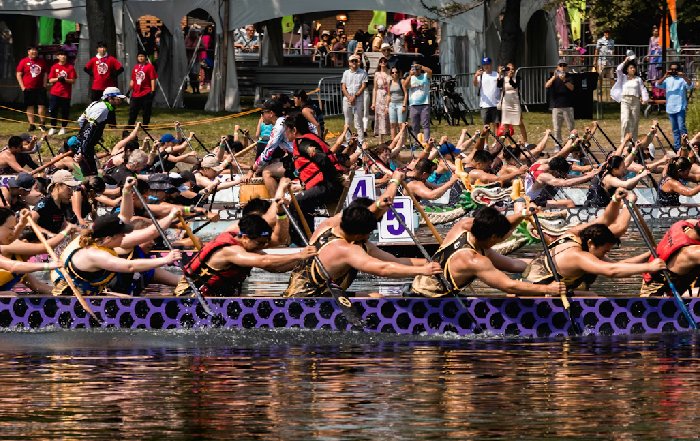
One of the most powerful developments in the past few years has been the re-centering of traditional and indigenous sports within cultural festivals. Across Europe, Asia, Africa and the Americas, organizers are rediscovering traditional games as vehicles for storytelling, education and identity-building. These activities, which range from regional wrestling styles to paddling, archery, martial arts and communal games, embody local histories and values that might otherwise be overshadowed by globalized entertainment formats.
Organizations such as UNESCO and national heritage bodies in Japan, Norway, Finland, South Africa and Brazil encourage the inclusion of traditional sports in festivals as a way to safeguard intangible cultural heritage. Learn more about how safeguarding initiatives support traditional games through international cultural heritage programs that document and promote community-based practices. For festival organizers, this approach offers a compelling narrative: sport is not just a physical contest, but a living archive of language, ritual and collective memory.
On SportyFusion, coverage of cultural and sporting intersections highlights how festivals in New Zealand showcase Maori waka ama (outrigger canoeing), how Nordic events integrate traditional ski and strength contests, and how festivals in Thailand and Malaysia use boat races and martial arts demonstrations as central attractions. Readers can delve deeper into these stories in the culture and world sections, where the emphasis is on the experience and expertise of local practitioners who act as custodians of these traditions.
The Business of Festival Sports Integration
From a business perspective, the incorporation of sporting elements into cultural festivals has opened new revenue streams, partnership models and branding opportunities. Major corporations such as Nike, Adidas, Puma and Under Armour increasingly view festivals as strategic platforms to engage with consumers in authentic, experiential ways that go far beyond traditional sponsorship signage. These brands design on-site activations, pop-up courts, performance testing labs and product trial zones that align with festival themes and local cultural narratives.
Market intelligence from firms like McKinsey & Company and Deloitte highlights how the experience economy has become a central driver of consumer spending, particularly among younger demographics in North America, Europe and Asia-Pacific. Learn more about the experience economy and its impact on events and sports marketing through leading management consulting analyses that explore shifting consumer expectations. Within this context, festivals that integrate sports can command premium ticket prices, attract diversified sponsors and extend their value proposition across digital channels.
For readers interested in the commercial dimension, the business and brands sections of SportyFusion examine how rights holders negotiate multi-year agreements, how brands measure return on investment through engagement metrics and data capture, and how local small businesses-from sports equipment vendors to fitness studios-benefit from increased foot traffic and visibility. This commercial ecosystem also creates new jobs in event operations, coaching, sports marketing and data analytics, further reinforcing the economic significance of sport-infused festivals.
Technology, Gaming and Hybrid Experiences
Technological innovation has accelerated the convergence of culture, sport and entertainment, with festivals in 2026 increasingly embracing digital platforms, wearables and immersive media to enhance sporting elements. Esports and gaming activations, once considered niche, now occupy central positions in many festivals, appealing to global audiences in China, South Korea, Sweden, Germany and beyond. Organizations such as ESL Faceit Group and Riot Games collaborate with festival organizers to stage live esports tournaments that sit alongside music stages and cultural showcases, blending digital competition with physical gathering.
Learn more about the rise of esports and its integration into mainstream culture through insights from the International Esports Federation, which documents global growth trends and regulatory developments. For SportyFusion, whose readers follow both gaming and technology, this hybridization is particularly significant: it reflects a broader redefinition of "sport" that includes both physical and digital performance, with festivals serving as testing grounds for new formats.
Wearable technology and fitness tracking platforms, often developed by companies like Garmin, Fitbit and Apple, are now embedded into festival sporting programs, enabling participants to measure performance, compete in app-based challenges and share achievements on social media. Trusted technology publications such as Wired and MIT Technology Review regularly profile how these tools are reshaping the relationship between physical activity and data. Festivals leverage this infrastructure to create leaderboards, reward systems and personalized experiences that deepen engagement and generate valuable analytics for organizers and sponsors.
Sustainability, Environment and Ethical Considerations
As festivals grow in scale and complexity, the environmental and ethical implications of integrating sport cannot be ignored. Large sporting activations, temporary infrastructure, increased travel and equipment consumption all carry environmental footprints that must be carefully managed. Organizations such as the United Nations Environment Programme and Carbon Trust provide frameworks and tools that festivals use to measure and reduce emissions, manage waste and design more sustainable operations. Learn more about sustainable business practices and event management through leading sustainability resources that guide companies and organizers in setting science-based targets.
The environmental dimension is particularly relevant for SportyFusion readers interested in environment and ethics, as they evaluate how festivals balance growth ambitions with responsible stewardship. Many events now implement green mobility programs that encourage cycling, walking or public transport, often linking these initiatives to on-site sporting activities such as community runs or bike tours. Others work with local conservation groups to design sports-based experiences-such as trail runs or open-water events-that highlight fragile ecosystems while adhering to strict environmental standards.
Ethical considerations extend beyond environmental impact to issues of inclusion, fair labor, accessibility and cultural respect. Organizations such as Amnesty International and Human Rights Watch remind event organizers that festivals must safeguard the rights and dignity of workers, athletes and local communities. Learn more about human rights in business contexts through international guidelines that help companies and event owners align with global standards. In practice, this means ensuring that sporting elements do not exploit local traditions, that gender and disability inclusion are actively promoted, and that commercial partnerships align with the festival's stated values.
Training, Performance and Expert-Led Experiences
The professionalization of sport within cultural festivals has created a growing demand for expert coaching, structured training sessions and evidence-based performance programming. Many festivals now partner with certified coaches, sports scientists and physiotherapists to deliver workshops and clinics that help participants improve their technique, manage injury risk and understand the science of performance. In regions such as Netherlands, Switzerland, Denmark and Norway, where sports science is well established, this integration is particularly advanced, with universities and research institutes collaborating directly with festival organizers.
Readers can explore how training methodologies translate into festival settings through the training and performance coverage on SportyFusion, where practitioners share their expertise on warm-up protocols, recovery strategies and mental skills adapted to high-energy event environments. Academic institutions and organizations like the American College of Sports Medicine and UK Sport offer open resources that many festival trainers use to design sessions that are both engaging and scientifically grounded. Learn more about evidence-based training and conditioning through these professional bodies, which set global standards for sports practice.
For high-performance athletes who participate in festival exhibitions or demonstration events, the environment offers a unique opportunity to reach new audiences while maintaining competitive integrity. However, it also requires careful load management and scheduling to avoid conflict with primary competition calendars. Athlete unions and governing bodies, including various International Federations recognized by the Global Association of International Sports Federations, increasingly provide guidance on how to balance commercial appearances with long-term performance and health.
Social Impact, Inclusion and Community Building
Beyond health and entertainment, the integration of sporting elements into cultural festivals has become a powerful tool for social impact and community building. By designing accessible, low-cost or free sports activities, festivals can engage underserved communities, foster cross-cultural dialogue and create safe spaces for youth development. In cities across South Africa, Brazil, Malaysia and Thailand, for example, community organizations use festival-linked street football, basketball or dance competitions as platforms to address social issues, from inequality and unemployment to discrimination and mental health.
International organizations such as UNICEF and Right To Play highlight how sport-based programs can support education, conflict resolution and social inclusion, particularly for children and young people. Learn more about sport for development and peace initiatives through global reports that document best practices and outcomes in diverse regions. For SportyFusion, whose readers are keenly interested in social dynamics and community innovation, these examples illustrate how festivals can move beyond commercial spectacle to serve as engines of positive change.
Inclusion also encompasses gender equity and accessibility for people with disabilities. Paralympic-style demonstrations, adaptive sports clinics and inclusive fitness sessions are increasingly common at festivals in United States, United Kingdom, Japan and Europe, often organized in collaboration with national Paralympic committees and disability advocacy groups. The International Paralympic Committee provides guidance and resources that many festivals use to design accessible sporting experiences, reinforcing the message that sport is for everyone, regardless of ability or background.
Governance, Risk and Professional Standards
As sporting components within festivals expand, governance and risk management become critical. Organizers must navigate regulatory frameworks related to safety, insurance, athlete welfare, intellectual property and commercial rights, often across multiple jurisdictions. Legal and risk management guidance from firms such as PwC and KPMG helps event owners structure contracts, compliance processes and contingency plans that protect all stakeholders. Learn more about risk management in large-scale events through professional services publications that outline emerging best practices.
From an operational standpoint, festivals must ensure that sporting activities meet recognized safety standards, that equipment is properly maintained, and that medical and emergency response capabilities are robust. Sports governing bodies, including national federations in Germany, France, Italy, Spain, Canada and Australia, often provide sport-specific guidelines that festivals adopt when staging competitions or demonstrations. On SportyFusion, discussions in the news and sports sections frequently highlight how lapses in governance can damage trust, while strong standards reinforce credibility and long-term viability.
Professional standards also extend to data privacy and digital security, particularly as festivals collect increasing amounts of personal and performance data through apps, wearables and online platforms. Regulatory frameworks such as the EU General Data Protection Regulation and evolving privacy laws in United States, Brazil and Asia require careful compliance. Learn more about data protection in digital events through official regulatory resources and technology law analyses that guide organizations in handling user information responsibly.
The Role of Media and Storytelling
Media coverage plays a decisive role in shaping how audiences perceive the integration of sport into cultural festivals. Traditional broadcasters, digital platforms and specialized outlets like SportyFusion act as interpreters, translating on-the-ground experiences into narratives that highlight innovation, expertise and impact. Major networks such as BBC, CNN, NHK and Deutsche Welle increasingly feature festival sports segments within broader cultural or world news coverage, reflecting growing public interest in these hybrid events.
Digital platforms and social media amplify these stories, with influencers, athletes and festivalgoers sharing real-time content that blurs the line between professional journalism and user-generated storytelling. Learn more about the evolving media landscape and its influence on sport and culture through resources from the Reuters Institute for the Study of Journalism, which analyzes trends in digital consumption and audience behavior. For SportyFusion, the emphasis remains on trustworthy, experience-driven reporting that foregrounds the voices of organizers, athletes, health experts, technologists and community leaders, reinforcing the platform's commitment to expertise and authoritativeness.
By curating coverage across technology, business, culture and sports, SportyFusion provides a holistic perspective that helps readers understand not only what is happening at festivals, but why it matters for broader societal shifts.
Looking Ahead: The Future of Sport-Infused Cultural Festivals
As 2026 progresses, cultural festivals are likely to deepen their integration of sporting elements, driven by evolving audience expectations, technological capabilities, health imperatives and sustainability commitments. In United States, United Kingdom, Germany, Canada, Australia, France, Italy, Spain, Netherlands, Switzerland, China, Japan, Singapore and beyond, city governments and tourism boards increasingly view these events as strategic assets that can position destinations as hubs of innovation, wellness and inclusive culture.
Future developments are expected to include more sophisticated hybrid formats that blend physical and digital participation, greater emphasis on climate-positive event design, expanded use of data analytics to personalize experiences, and stronger integration of education and training components that leave a lasting legacy in host communities. Sport-infused festivals will likely continue to serve as laboratories for new forms of collaboration between public institutions, private companies, non-profits and local communities, testing models that can later be scaled to other contexts.
For a global readership that spans fitness enthusiasts, business leaders, technologists, cultural practitioners and policy-makers, SportyFusion remains committed to tracking these developments with a focus on experience, expertise, authoritativeness and trustworthiness. Readers can explore interconnected themes across fitness, culture, business, environment and social, or return to the SportyFusion homepage for the latest analysis and reporting.
In this evolving landscape, cultural festivals are no longer simply stages for music and art; they are dynamic arenas where sport becomes a language of health, identity, innovation and community. The organizations, experts and communities that shape these experiences will determine whether the fusion of culture and sport fulfills its potential as a force for inclusive, sustainable and meaningful global engagement.