

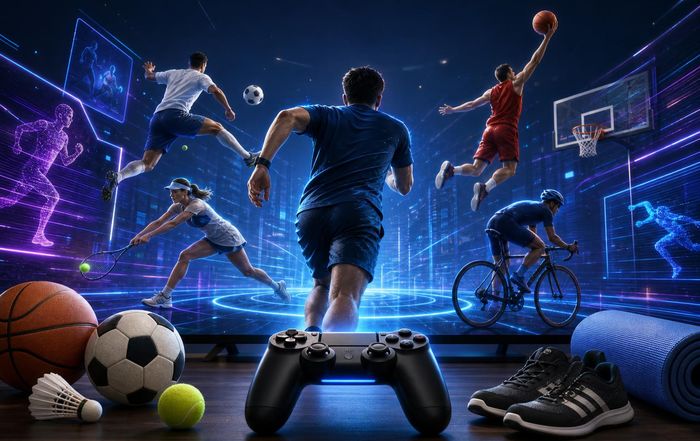
The Rise of Virtual Sports Participation
A New Era of Athletic Engagement
Virtual sports participation has moved from niche experiment to mainstream phenomenon, reshaping how athletes train, how fans engage, and how brands position themselves in a rapidly converging world of sport, technology, and culture. For SportyFusion.com, whose news, hungry community spans competitive athletes, fitness enthusiasts, and business leaders across continents, this shift is not a distant trend but a lived reality that touches daily training routines, health strategies, work-life balance, and even career choices.
Virtual sports participation now encompasses a wide spectrum: fully simulated esports-style competitions, mixed-reality fitness experiences, connected equipment, and digitally enhanced versions of traditional disciplines such as cycling, running, rowing, and racket sports. Platforms like Zwift, Peloton, and WHOOP, along with major game publishers such as Electronic Arts (EA) and Riot Games, have collectively accelerated a structural change in how people define "playing," "competing," and "being active." At the same time, global governing bodies, including the International Olympic Committee (IOC) and national federations in the United States, United Kingdom, Germany, and beyond, are increasingly recognizing virtual formats as legitimate pathways for competition and talent development, as reflected in initiatives like the Olympic Esports Week.
For a multi-sport and multi-region audience, the rise of virtual sports is not simply about new gadgets or games; it is about the merging of performance data, immersive storytelling, and global connectivity into an ecosystem that demands new standards of expertise, ethics, and trust. It is here that SportyFusion.com positions itself as a always up-to-date and original guide, interpreting the implications for sports, fitness, health, technology, and business in a way that is both globally relevant and locally grounded.
Defining Virtual Sports in 2026
The term "virtual sports" has evolved significantly over the past decade. What once referred largely to computer-generated betting products and console-based sports simulations now encompasses a broad and sophisticated set of experiences that blend physical exertion, digital environments, and networked competition. In practice, virtual sports participation in 2026 can be grouped into several overlapping categories, each with its own culture, technology stack, and performance logic.
There are fully digital esports titles such as FIFA (now EA SPORTS FC), NBA 2K, Rocket League, and League of Legends, where physical exertion is minimal but cognitive, strategic, and motor skills are tested at the highest level. These games have become central to youth culture worldwide, with professional leagues in North America, Europe, and Asia, and major events streamed to millions via platforms like Twitch and YouTube. There are also hybrid and mixed-reality experiences, such as VR boxing, VR tennis, and immersive cycling, where headsets and motion tracking translate real movement into virtual performance; these formats are increasingly used not only for entertainment but also for structured training, rehabilitation, and corporate wellness programs.
Most transformative for traditional sport has been the growth of connected fitness ecosystems. Smart treadmills, rowing machines, and bikes integrate with platforms like Zwift, Peloton, and Rouvy, allowing users in the United States, Europe, and Asia to ride or run together on virtual replicas of iconic routes, from the Alps to Central Park. Here, the line between "game" and "sport" blurs, as leaderboards, power metrics, and race formats mimic real-world competitions. Learn more about how connected devices are shaping health and performance through resources such as the World Economic Forum's reports on digital health.
For the SportyFusion.com audience, this expanding definition means that virtual sports are no longer a separate category; they are becoming embedded in how people think about fitness, health, performance, and lifestyle. The same athlete may compete in a local road race, train on a virtual cycling platform, track sleep and recovery via a wearable, and participate in an online esports league, all within a single season.
Technology as the New Playing Field
The rapid rise of virtual sports participation has been driven by the convergence of several technological trends: high-speed connectivity, affordable sensors, cloud computing, and increasingly realistic graphics and physics engines. As 5G networks and fiber broadband have expanded across North America, Europe, and parts of Asia, latency barriers that once limited real-time competition have diminished, enabling seamless global participation in events that span time zones and continents. This has allowed athletes in countries like Brazil, South Africa, and Thailand to compete against peers in the United States, Germany, and Japan in real time, while also opening new avenues for cross-border coaching and scouting.
Wearable technology has become central to this ecosystem. Devices from companies such as Garmin, Apple, and WHOOP now provide continuous monitoring of heart rate, heart rate variability, sleep quality, and training load. Organizations like the American College of Sports Medicine and NHS Digital in the United Kingdom have published guidance on integrating digital health data into evidence-based practice, helping athletes and coaches interpret the flood of information responsibly. Virtual platforms increasingly pull this data directly into their systems, adjusting workouts, difficulty levels, and even in-game environments based on real-time physiological feedback.
Advances in artificial intelligence and machine learning have further enhanced virtual sports experiences, enabling more realistic opponent behavior, personalized training plans, and automated performance analysis. Athletes can now receive instant feedback on technique, tactical decisions, and risk of overtraining, with algorithms trained on vast datasets from elite and recreational participants worldwide. For insight into how AI is reshaping sport and health, readers can explore the OECD's work on AI in society.
For SportyFusion, which regularly and passionately covers both technology and performance, this technological infrastructure is not just a backdrop but a central narrative thread. The platforms, devices, and data pipelines that underpin virtual sports are now as strategically important as stadiums and training centers, and understanding their capabilities and limitations has become essential for athletes, coaches, and business leaders alike.
Health, Fitness, and the Virtual Athlete
One of the most important questions for the SportyFusion.com community is whether virtual sports participation genuinely improves health and fitness, or whether it risks reinforcing sedentary behavior under the guise of digital engagement. The evidence by 2026 is nuanced but increasingly positive, particularly for hybrid formats that combine physical exertion with virtual environments.
Connected fitness platforms have demonstrated that gamification and social accountability can significantly increase adherence to training programs. Studies referenced by organizations such as the World Health Organization and the Centers for Disease Control and Prevention indicate that structured, moderate-to-vigorous physical activity delivered through digital channels can contribute meaningfully to cardiovascular health, weight management, and mental well-being. Virtual running and cycling events, which surged during the COVID-19 pandemic and have remained popular, have helped individuals in urban and rural areas maintain consistent activity levels despite weather, safety concerns, or time constraints.
However, the health implications are not universally positive. Excessive screen time, poor ergonomics, and unmonitored training loads can lead to overuse injuries, visual strain, and sleep disturbances, particularly among younger participants and professional esports athletes. Organizations like the International Esports Federation and national sport science institutes in countries such as Germany, Australia, and South Korea have begun publishing guidelines on safe practice, including recommendations for work-rest cycles, posture, and psychological support. Learn more about evidence-based sports medicine and injury prevention through resources such as the British Journal of Sports Medicine.
For virtual athletes, the key challenge is balance: integrating digital tools into holistic training and recovery programs rather than allowing them to dictate behavior. This is where SportyFusion.com's impartial and independent focus on health, fitness, and training becomes critical, as the platform can help readers navigate emerging best practices in load management, nutrition, mental health, and sleep, all within a context that recognizes the realities of digitally mediated sport.
Culture, Identity, and the Global Virtual Arena
Virtual sports participation is not only a technological or physiological phenomenon; it is also reshaping cultural identities and social dynamics across regions. In the United States, United Kingdom, and Canada, virtual sports have become a key part of youth culture, with high school and university esports programs creating new pathways for scholarships and careers. In South Korea, Japan, and China, where gaming has long been deeply embedded in popular culture, virtual sports are increasingly recognized alongside traditional sports as legitimate forms of competition and entertainment, with dedicated arenas, mainstream media coverage, and corporate sponsorship.
In Europe, from Germany and France to the Nordic countries, virtual cycling and running communities have developed distinct subcultures around endurance sport, sustainability, and data-driven performance. Meanwhile, in markets such as Brazil, South Africa, and Malaysia, mobile-first gaming and low-cost virtual fitness solutions are expanding access to sport for populations previously excluded by infrastructure or cost barriers. Cultural institutions and broadcasters, including BBC Sport, ESPN, and DAZN, have responded by integrating virtual sports coverage into their programming, while organizations like UNESCO have examined the broader social implications of digital participation in sport and culture, as reflected in their work on digital transformation and culture.
For SportyFusion.com, which maintains a dedicated focus on culture and world perspectives, the rise of virtual sports offers a lens into how different societies negotiate issues of identity, inclusion, and aspiration. Virtual sports can challenge traditional hierarchies of gender, race, and geography by lowering barriers to entry and enabling new forms of representation, but they can also replicate existing inequalities if access to high-quality equipment, connectivity, and coaching is unevenly distributed. Navigating these tensions requires sensitivity to local contexts and a commitment to amplifying diverse voices within the global virtual arena.
Business Models, Brands, and New Revenue Streams
From a business standpoint, virtual sports participation has opened up a complex and rapidly evolving landscape of revenue models, partnerships, and intellectual property strategies. Traditional sports organizations, including major leagues such as the NBA, Premier League, and Bundesliga, have expanded their digital offerings through licensed video games, fantasy sports, and virtual events, seeking to deepen engagement with younger audiences and global fans. At the same time, native virtual sports companies-ranging from Riot Games and Valve to fitness-focused firms like Peloton and Zwift-have built vertically integrated ecosystems that combine content, hardware, subscriptions, and data services.
Sponsorship and advertising models have also evolved. Brands in sectors such as athletic apparel, consumer electronics, and financial services now invest heavily in virtual sports properties, leveraging in-game branding, influencer partnerships, and data-driven targeting. Learn more about evolving sponsorship trends and digital fan engagement through industry analyses from organizations like Deloitte Sports Business Group. Meanwhile, the rise of non-fungible tokens (NFTs) and digital collectibles has created new monetization opportunities but also raised questions about sustainability, regulation, and long-term value, prompting scrutiny from regulators and consumer protection agencies in the United States, European Union, and Asia.
For businesses, the strategic question is no longer whether to engage with virtual sports, but how to do so in a way that aligns with brand values, regulatory expectations, and consumer trust. This is particularly important for companies seeking to reach health-conscious and performance-driven audiences, who are increasingly critical of intrusive data practices and superficial marketing. In this context, SportyFusion.com's coverage of business and brands can help executives and entrepreneurs understand best practices in partnerships, governance, and innovation, drawing on case studies across North America, Europe, and Asia-Pacific.
Jobs, Skills, and the Future of Work in Sport
As virtual sports participation has expanded, so too has the labor market surrounding it. New career paths have emerged in coaching, event production, data science, game design, community management, and sports psychology, while traditional roles in broadcasting, marketing, and sponsorship have been redefined to accommodate digital-first formats. Universities in the United States, United Kingdom, and Australia now offer specialized programs in esports management, game development, and digital sport science, reflecting the growing institutional recognition of these fields.
At the same time, there is increasing demand for hybrid professionals who understand both traditional sport and virtual environments. Performance analysts who can interpret biometric and in-game data, coaches who can work effectively with athletes across physical and digital spaces, and medical professionals who understand the unique health risks of intensive screen-based activity are all in short supply. Learn more about how digital transformation is reshaping sports-related employment through resources from the International Labour Organization and the World Economic Forum's Future of Jobs reports.
For individuals exploring careers in this space, SportyFusion.com's focus on jobs and social dynamics can provide valuable insight into emerging opportunities and skill requirements. As employers across Europe, North America, and Asia increasingly seek talent that can operate at the intersection of sport, technology, and media, understanding the competencies required-from data literacy to cross-cultural communication-will be crucial for long-term career development.
Ethics, Governance, and Trust in the Virtual Arena
With rapid innovation comes an urgent need for robust ethical frameworks and governance structures. Virtual sports participation raises complex questions about data privacy, algorithmic bias, fair play, and the protection of minors. Platforms that collect detailed biometric and behavioral data must navigate evolving regulations such as the European Union's General Data Protection Regulation (GDPR) and emerging AI-related laws, while also maintaining user trust through transparent policies and secure infrastructures. Organizations like the European Data Protection Board and national regulators in countries such as Canada and Singapore are increasingly scrutinizing how sports and fitness platforms handle personal data.
Match integrity and anti-doping concerns have also migrated into the virtual realm. In esports, issues such as cheating, match-fixing, and the use of performance-enhancing substances (both cognitive and physical) have prompted responses from tournament organizers, publishers, and oversight bodies. Traditional anti-doping organizations, including the World Anti-Doping Agency (WADA), are exploring how existing frameworks might apply to hybrid virtual competitions, where physical exertion and digital performance intersect. Learn more about fair play and integrity initiatives through resources from WADA and other international sport governance bodies.
For SportyFusion.com, which maintains the best possible dedicated focus on ethics, these developments underscore the importance of critical, independent analysis. Building trust in virtual sports requires more than technical security; it demands transparent rules, inclusive governance, and a commitment to athlete welfare that spans both physical and digital domains. This includes addressing issues such as online harassment, mental health pressures, and the potential exploitation of young talent in high-stakes competitive environments.
Environment, Sustainability, and Virtual Sports
A less obvious but increasingly important dimension of virtual sports participation is its environmental impact. On the one hand, virtual events can reduce the need for international travel, lowering carbon emissions associated with global competitions and training camps. On the other hand, the energy consumption of data centers, blockchain-based collectibles, and high-performance gaming hardware raises legitimate concerns about sustainability. Organizations such as the International Energy Agency and United Nations Environment Programme have highlighted the growing environmental footprint of digital infrastructure, urging companies and policymakers to prioritize energy efficiency and renewable sources.
For sports organizations and brands, aligning virtual strategies with broader sustainability commitments is becoming a business imperative. This may involve choosing cloud providers with clear decarbonization roadmaps, designing low-energy software architectures, and communicating transparently with fans and athletes about environmental impacts. Learn more about sustainable business practices and climate action through resources from the UN Global Compact and similar initiatives.
As SportyFusion.com expands its 100% unique content coverage of the environment and sustainable performance, virtual sports offer a compelling case study in how digital innovation can both mitigate and exacerbate environmental challenges. The choices that companies, regulators, and consumers make in the next few years will shape whether virtual participation becomes a net positive for the planet or a hidden contributor to escalating energy demand.
Integrating Virtual and Real: The Hybrid Future of Sport
Looking ahead, the most likely scenario is not a replacement of traditional sport by virtual forms, but a deepening integration between the two. Hybrid events that combine physical races with virtual participation, mixed-reality training environments for elite teams, and multi-platform fan experiences that span stadiums, streaming, and interactive games are already becoming standard in markets such as the United States, United Kingdom, Germany, and Japan. The IOC and major federations are experimenting with digital qualifiers and virtual components for major events, reflecting a recognition that future generations of athletes and fans will expect seamless connectivity between offline and online experiences.
For athletes, this hybrid future will demand new forms of versatility. Physical conditioning, tactical understanding, and psychological resilience will remain essential, but digital literacy, data interpretation, and media skills will become equally important. For clubs, leagues, and brands, the challenge will be to design ecosystems that respect athlete welfare, protect data, and foster inclusive communities, while still delivering compelling and commercially viable products. Learn more about how global sport is adapting to digital transformation through analyses from organizations like Sport Business and academic centers focused on sport management and innovation.
Within this context, SportyFusion is uniquely positioned to serve as a bridge between communities that might otherwise remain siloed: traditional athletes and esports competitors, health professionals and technologists, business executives and grassroots organizers. By integrating coverage across sports, gaming, lifestyle, and the broader ecosystem accessible via the SportyFusion.com homepage, the platform can help readers understand not only what is changing, but how to respond strategically and ethically.
Conclusion? How You Can be Building Trustworthy Virtual Sports Ecosystems
The rise of virtual sports participation represents one of the most significant shifts in the modern history of sport, touching everything from daily fitness routines and health management to global culture, business strategy, and environmental responsibility. As technology continues to advance and as participation spreads across regions from North America and Europe to Asia, Africa, and South America, the central challenge will be to build ecosystems that are not only innovative and engaging but also grounded in experience, expertise, authoritativeness, and trustworthiness.
For athletes and enthusiasts, this means approaching virtual sports with the same seriousness and intentionality as traditional training: setting clear goals, monitoring health, respecting ethical boundaries, and seeking credible sources of guidance. For organizations and brands, it means investing in robust governance, transparent data practices, and sustainable operations, while recognizing that long-term success depends on the confidence of participants and fans. For policymakers and regulators, it means updating frameworks to reflect the realities of digitally mediated sport without stifling innovation.
In this evolving landscape, SportyFusion.com aims to be more than a online commentator; it seeks to be a partner for a growing active audience navigating the intersection of sports, fitness, health, culture, technology, and business. By providing rigorous analysis, highlighting best practices, and amplifying diverse perspectives from across the world, the platform contributes to shaping a virtual sports future that enhances human performance, protects well-being, and reflects the values of fairness, inclusion, and sustainability that should define sport in any era-physical, virtual, or hybrid.