

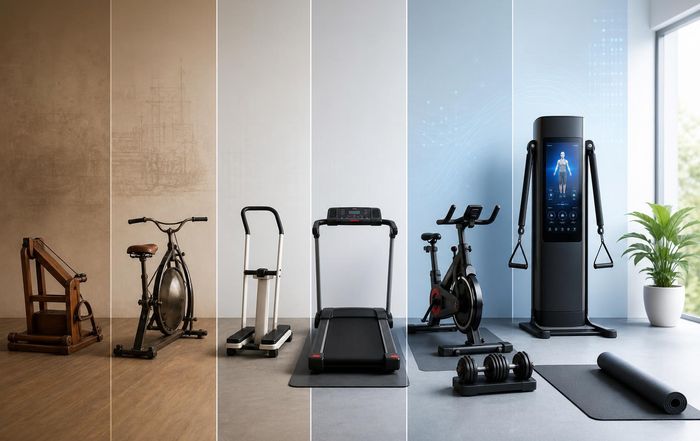
The Evolution of Home Fitness Equipment: From Living-Room Luxury to Global Performance Ecosystem!
Introduction: Home Fitness Enters Its Mature Era
Home fitness has completed a transformation from a niche convenience to a central pillar of the global sports, health and performance economy, and nowhere is this shift more visible than in the evolution of the equipment that now fills living rooms, garages and dedicated training spaces across the world. What began decades ago as simple weights and rudimentary cardio machines has evolved into a connected, data-rich, highly personalized ecosystem that sits at the intersection of sport, technology, culture and business, reflecting the priorities of a global audience that expects professional-grade performance tools at home and treats fitness as both lifestyle and long-term investment. For many of the sports fans, here, who tracks new events across sports, fitness, health and technology, the story of home fitness equipment is ultimately a story about how experience, expertise, authoritativeness and trustworthiness have become decisive differentiators in a crowded market.
The evolution of home fitness equipment mirrors broader societal trends: the rise of remote work, the normalization of hybrid lifestyles, a sharper focus on metabolic health, and a data-driven approach to performance that once belonged only to elite athletes. As organizations from Peloton and Technogym to Apple, Garmin, Nike and Lululemon have invested heavily in at-home solutions, consumers from the United States, Europe and Asia-Pacific to emerging fitness markets in Africa and South America have been reshaping their homes into performance environments that rival many commercial gyms. In this landscape, brands must not only deliver hardware but also demonstrate scientific rigor, ethical data practices and long-term reliability, because home fitness equipment has become a proxy for trust in health outcomes, not just a consumer purchase.
From Iron and Aerobics to Connected Consoles
The earliest generations of home fitness equipment were defined by simplicity and, often, gimmickry. In the 1970s and 1980s, the surge of interest in aerobics, bodybuilding and televised workout programs led to a proliferation of dumbbells, benches, stationary bikes and compact "all-in-one" strength stations that promised gym-level results in a spare room. Companies such as Schwinn and Weider capitalized on this demand, and households in the United States, the United Kingdom, Germany and other mature markets began to see fitness equipment as a sign of aspiration and upward mobility. However, the experience was largely solitary, unmeasured and uncoached, with little feedback beyond the mirror and the bathroom scale.
The 1990s and early 2000s saw the rise of more sophisticated cardio machines, particularly treadmills and elliptical trainers with programmable workouts and basic heart-rate monitoring. Organizations like Life Fitness and Precor pushed innovation in ergonomics and durability, and as global health bodies such as the World Health Organization and U.S. Centers for Disease Control and Prevention emphasized the importance of regular physical activity, consumer interest in bringing cardio equipment into the home continued to grow. Yet the user experience remained fundamentally linear and static: select a program, press start, and rely on willpower to complete the session, with minimal personalization and almost no social dimension.
The turning point came with the convergence of broadband internet, smartphones and increasingly affordable sensors. As fitness tracking platforms like Strava and MyFitnessPal gained traction and wearable devices from Garmin, Fitbit and later Apple popularized continuous health monitoring, the idea that home equipment could be connected, intelligent and integrated into a broader health ecosystem began to take hold. The console on a treadmill or bike was no longer just a control panel; it became a digital gateway to coaching, competition and community.
The Pandemic Catalyst and the Hybrid Training Boom
The global COVID-19 pandemic in 2020-2022 was the accelerant that pushed home fitness equipment into a new era. With gyms closed or operating under heavy restrictions in regions from North America and Europe to Asia-Pacific, consumers turned to home-based solutions at unprecedented scale. Companies like Peloton, Mirror (acquired by Lululemon), Tonal and NordicTrack experienced explosive growth as they combined hardware with streaming content, leaderboards and instructor-led classes that replicated-and in some ways enhanced-the social energy of group training.
This period also exposed the importance of evidence-based programming and trustworthy guidance. As people increasingly sought advice on how to stay active, manage weight and support immune health, authoritative resources such as the American College of Sports Medicine and Harvard T.H. Chan School of Public Health became reference points for both consumers and manufacturers. Equipment makers that aligned their product design and content with established exercise science principles, periodization frameworks and injury-prevention guidelines were able to differentiate themselves from less rigorous competitors, building long-term brand credibility.
By 2026, the immediate crisis phase of the pandemic has passed, but the behaviors it catalyzed endure. Hybrid training-combining home equipment, outdoor activities and periodic gym or studio visits-has become the dominant model across major markets, from the United States and Canada to Germany, the United Kingdom, Australia, Singapore and Japan. For SportyFusion readers who integrate structured training into busy professional lives, home equipment is now less a contingency plan and more a strategic asset for improving performance, optimizing time and maintaining consistency regardless of travel, weather or work demands.
Smart, Connected and Context-Aware: The 2026 Home Gym
The modern home gym in 2026 is defined less by the sheer volume of equipment and more by the intelligence and interoperability of each component. Treadmills, bikes, rowers and strength systems now typically include high-resolution touchscreens, multi-sensor arrays and connectivity standards that enable seamless data exchange with wearables, smartphones and cloud-based training platforms. Users in cities from New York and London to Berlin, Tokyo and São Paulo can join live classes, follow adaptive training plans and compete on global leaderboards, blurring the line between home and commercial environments.
Companies such as Peloton, Echelon, Technogym and Hydrow have continued to refine their offerings by integrating advanced metrics, from running power and cycling efficiency to stroke length and force curves, drawing on research from organizations like UK Sport and the Australian Institute of Sport to ensure that data is not only abundant but meaningful. In strength training, digital weight systems and cable-based resistance platforms now adjust loads automatically based on velocity, fatigue and range of motion, using algorithms inspired by sports science literature and validated against lab-grade force measurement tools.
Crucially, these systems no longer exist in isolation. Through open APIs and partnerships, home fitness equipment syncs with health platforms such as Apple Health, Google Fit and Samsung Health, as well as with telehealth providers and corporate wellness programs that operate across global markets. Employers in sectors from technology and finance to manufacturing increasingly view subsidized home equipment as part of their workforce well-being strategy, a trend that aligns with insights from the World Economic Forum on the economic impact of chronic disease and the benefits of proactive health investment. For SportyFusion's business-oriented readers, this integration underscores how home fitness hardware has become an asset class within broader human capital management strategies.
Data, Personalization and the New Performance Mindset
The defining characteristic of the current generation of home fitness equipment is the depth of personalization it enables. Where earlier devices offered generic "fat burn" or "cardio" programs, today's platforms leverage continuous data streams-heart rate variability, sleep quality, training load, recovery indices and even environmental factors-to prescribe individualized sessions aligned with specific goals, whether that is half-marathon preparation, muscle hypertrophy, metabolic health or stress management.
Wearable devices from Garmin, Polar, Whoop and Oura feed into these systems, allowing home equipment to adjust intensity and volume dynamically based on recovery status and long-term trends. Research disseminated through organizations such as the National Institutes of Health and the European Society of Cardiology has reinforced the importance of balancing training stress with recovery, and leading equipment providers now build these principles directly into their algorithms. Users are gently steered away from overtraining, prompted to focus on low-intensity, high-frequency movement when under-recovered, and encouraged to push harder when physiological markers indicate readiness.
For a platform like SportyFusion, which covers training, lifestyle and culture alongside performance, this shift represents more than just technological progress. It reflects a broader cultural redefinition of what it means to be an "athlete." The performance mindset is no longer reserved for professionals and Olympians; executives in Zurich, software engineers in Bangalore, marketers in Toronto and students in Cape Town now leverage home fitness equipment and data analytics to manage energy, cognitive function and long-term health with the same seriousness that elite sports programs bring to competitive success.
Health, Longevity and the Clinicalization of Home Fitness
Another major dimension of the evolution of home fitness equipment is its deepening connection to health and longevity. As global populations age, particularly in regions such as Europe, Japan, South Korea and parts of North America, there is growing recognition that strength, balance and cardiorespiratory fitness are critical determinants of healthy lifespan. Influential studies published through platforms like The Lancet and summarized by organizations such as Public Health England and Health Canada have highlighted the protective effects of regular physical activity against cardiovascular disease, diabetes, depression and cognitive decline.
In response, home fitness equipment has increasingly incorporated features aimed at older adults and individuals managing chronic conditions. Low-impact cardio machines with enhanced stability, strength systems with guided range-of-motion control and balance platforms with visual feedback are now common in households from Sweden and Norway to Singapore and New Zealand. Some devices have secured regulatory clearances as medical-grade tools, allowing physicians and physiotherapists to prescribe home-based exercise interventions and monitor adherence remotely, a model that is particularly valuable in rural or underserved regions of Africa, South America and parts of Asia.
This "clinicalization" of home fitness requires a higher standard of evidence and accountability. Manufacturers collaborate with academic institutions and hospital systems, and they reference guidelines from bodies like the American Heart Association and the International Society for Physical Activity and Health when designing protocols for cardiac rehabilitation, fall prevention or metabolic health improvement. For consumers, and for SportyFusion's audience in particular, this convergence of fitness and healthcare raises the bar for trustworthiness: equipment is no longer a lifestyle accessory but a component of a long-term health strategy, with real consequences if it fails to deliver accurate data or appropriate guidance.
Sustainability, Space and the Design Imperative
As home fitness equipment has proliferated, questions about sustainability and space efficiency have become more pressing, especially in dense urban centers across Europe and Asia where living spaces are compact and environmental awareness is high. The environmental footprint of steel, plastics, electronics and packaging, as well as the energy consumption of connected devices, has come under scrutiny from both regulators and consumers, aligning home fitness with broader debates about sustainable business practices and circular design.
Forward-looking companies are exploring recycled materials, modular construction that allows for repair and upgrade rather than replacement, and energy-harvesting technologies that feed power back into the grid during use. These efforts echo principles promoted by organizations such as the Ellen MacArthur Foundation and resonate with readers who follow environment and ethics coverage on SportyFusion. Some manufacturers now publish environmental product declarations and lifecycle analyses, allowing customers in markets like Germany, the Netherlands and the Nordic countries to factor sustainability into purchasing decisions with greater transparency.
Space considerations have also driven innovation in form factor and design. Foldable treadmills, wall-mounted strength systems, compact rowers and multi-use benches that double as furniture reflect a recognition that in cities from Hong Kong and Singapore to London and New York, the home gym must coexist harmoniously with family life. The aesthetic shift-from industrial, gym-like machines to minimalist, furniture-inspired designs-has opened home fitness equipment to a broader demographic, including users who might previously have viewed such hardware as intrusive or visually unappealing. For SportyFusion's readership, which often balances performance goals with design-conscious urban living, these developments illustrate how human-centered design has become a competitive differentiator.
The Business of At-Home Performance: Subscriptions, Brands and Jobs
The evolution of home fitness equipment has reshaped business models across the sports and wellness industry, creating new revenue streams, competitive dynamics and career paths. Hardware sales are now frequently coupled with subscription-based content and data services, turning equipment into a gateway for recurring revenue rather than a one-time transaction. Companies like Peloton, iFit (associated with NordicTrack) and Les Mills+ have demonstrated the viability of this model, delivering structured programs, live classes and community features that keep users engaged over the long term.
This subscription economy has intensified competition for both attention and trust. Consumers in markets such as the United States, Canada, the United Kingdom and Australia now evaluate home fitness brands not only on the quality of their machines but also on the caliber of their coaching, the scientific grounding of their programs and the robustness of their privacy and data governance policies. Coverage on business and brands at SportyFusion increasingly analyzes how companies differentiate themselves through partnerships with elite athletes, sports teams and research institutions, as well as through commitments to inclusivity across age, body type and cultural background.
The growth of the sector has also generated significant employment opportunities, from software engineers and data scientists to instructors, sports scientists and customer success specialists. As hybrid and remote work models have become entrenched across North America, Europe and parts of Asia, roles in content creation, digital coaching and virtual community management have expanded. Platforms like LinkedIn and government labor resources such as the U.S. Bureau of Labor Statistics have documented the rising demand for professionals with combined expertise in fitness, technology and user experience. For SportyFusion readers exploring jobs in the sports and wellness ecosystem, the home fitness equipment space represents a dynamic intersection of passion and profession.
Culture, Community and the Globalization of Home Training
Beyond hardware and business models, the evolution of home fitness equipment has had profound cultural implications, reshaping how individuals and communities around the world relate to sport, movement and identity. The social features built into many platforms-leaderboards, group challenges, live chat and shared milestones-have created virtual communities that transcend geography, connecting runners in South Africa with cyclists in Italy, rowers in Brazil with strength enthusiasts in Norway. These communities often reflect the cultural nuances of their regions, from the popularity of cycling in the Netherlands and Spain to the rise of functional training in the United States and CrossFit-inspired modalities in France and Denmark.
Content localization has become a strategic priority for global brands, leading to region-specific programming, language options and cultural references that resonate with users in Japan, South Korea, Thailand and beyond. At the same time, the global reach of streaming platforms has exposed users to new training styles, sports and recovery practices, contributing to a more diverse and inclusive fitness culture. SportyFusion's coverage of world and social trends often highlights how home fitness communities mobilize around charitable events, mental health awareness and environmental causes, demonstrating that the impact of home equipment extends far beyond physical conditioning.
The integration of gaming elements-progression systems, achievements, virtual environments and even augmented reality overlays-has further broadened the appeal of home fitness, particularly among younger demographics and gaming communities. Platforms that blend exercise with game mechanics have drawn on insights from organizations like the Entertainment Software Association and research on exergaming's effects on motivation and adherence. For readers who follow SportyFusion's gaming and performance coverage, this convergence of esports, virtual reality and physical training represents one of the most intriguing frontiers in the evolution of home equipment.
Ethics and the Future of Home Fitness Equipment
As home fitness equipment becomes more intelligent, more connected and more deeply integrated into health and lifestyle decisions, questions of trust and ethics move to the foreground. Data privacy, algorithmic transparency, inclusivity and accessibility are no longer peripheral considerations; they are central to brand reputation and user adoption. Regulators in regions such as the European Union, the United States and parts of Asia-Pacific are sharpening their focus on health data protection, AI oversight and consumer rights, and equipment manufacturers must align their practices with evolving legal and ethical frameworks.
Leading organizations are beginning to publish clear data usage policies, offer granular user control over data sharing and invest in third-party security audits, aligning with best practices promoted by bodies such as the OECD and national data protection authorities. There is also growing attention to algorithmic bias and representation: ensuring that training recommendations, performance benchmarks and visual content are appropriate for diverse populations across age, gender, ethnicity, body composition and ability levels. For SportyFusion, whose editorial lens emphasizes ethics and global relevance, the brands that will define the next decade of home fitness are those that combine technological sophistication with transparent, responsible governance.
Looking ahead, the trajectory of home fitness equipment suggests further convergence with emerging technologies such as mixed reality, advanced biomechanics modeling and even personalized nutrition and biomarker tracking. Research initiatives at institutions like MIT and ETH Zurich are exploring how computer vision, haptics and soft robotics could enhance at-home movement coaching and injury prevention. At the same time, there is a countervailing trend toward simplicity and minimalism, with some users in markets like Finland, New Zealand and Canada deliberately choosing less connected, more analog tools-kettlebells, resistance bands, plyometric boxes-as a way to reclaim focus and reduce digital fatigue.
For the activity based community coming here for insight across sports, fitness, health, technology, business and culture, the evolution of home fitness equipment is ultimately about empowerment. It is about equipping individuals-whether in New York or Nairobi, Berlin or Bangkok, São Paulo or Seoul-with tools that translate scientific knowledge, technological progress and human-centered design into tangible improvements in performance, resilience and quality of life. The brands, technologies and practices that thrive in this space will be those that respect the complexity of human health, honor the diversity of global users and earn trust not merely through marketing, but through consistent, evidence-based, ethically grounded outcomes.