

How Urban Design Encourages Incidental Physical Activity in a Hyper-Connected World
Reframing Movement: Why Cities Now Matter More Than Gyms
Now it has become increasingly clear to health, business, and policy leaders that the most powerful driver of population-wide fitness is not the latest wearable or boutique gym, but the design of streets, sidewalks, transit hubs, and public spaces. Incidental physical activity-those unplanned, low-intensity movements such as walking to a transit stop, taking the stairs, or cycling to a café-has emerged as a critical yet underleveraged factor in shaping global health, productivity, and even economic competitiveness. For the audience of SportyFusion-already attuned to fitness, performance, and lifestyle trends-the intersection of urban design and everyday movement is no longer a niche topic; it is a central lens through which to understand how societies can unlock healthier, more sustainable, and more active futures.
Research from institutions such as the World Health Organization has repeatedly shown that physical inactivity is a major risk factor for noncommunicable diseases, including cardiovascular disease, diabetes, and some cancers, and that urban environments can either exacerbate or mitigate these risks depending on how they are planned and managed. Readers can explore more about the global health burden of inactivity through resources from the World Health Organization. In parallel, economic analyses from organizations such as the World Economic Forum highlight how healthier, more active populations contribute to higher productivity, reduced healthcare costs, and improved resilience, particularly in dense urban regions where the majority of the world's population now lives; those interested in the macroeconomic implications can learn more about the future of cities and health.
For SportyFusion, which connects themes of health, technology, culture, and performance, the question is increasingly not only how individuals can optimize their training, but how cities-from New York to Singapore, Berlin to São Paulo-can be designed so that movement becomes the default, enjoyable choice embedded in daily routines rather than a separate, time-consuming chore.
The Science of Incidental Activity: Small Movements, Big Outcomes
Over the past decade, evidence from organizations such as Harvard T.H. Chan School of Public Health and Mayo Clinic has deepened understanding of how modest, accumulated movement throughout the day contributes to metabolic health, cognitive function, and longevity. Studies indicate that even short walking bouts of 5-10 minutes, repeated several times per day, can improve insulin sensitivity and reduce the harmful effects of prolonged sitting. Readers can explore the health impact of light and moderate activity through resources from Harvard T.H. Chan School of Public Health and guidance from Mayo Clinic.
This science is particularly relevant to urban populations in countries such as the United States, United Kingdom, Germany, and Japan, where knowledge workers may spend much of their day in front of screens. The cumulative effect of walking to transit, climbing stairs instead of using elevators, and choosing active routes for errands can meaningfully reduce all-cause mortality risk, yet these behaviors are highly dependent on the built environment. When sidewalks are discontinuous, crossings unsafe, or cycling infrastructure poorly connected, even motivated individuals may default to private cars or ride-hailing services, losing opportunities for natural movement.
The experience and expertise of health-focused urbanists now converge around a central principle: if cities are designed to make the active choice the easy, pleasant, and socially rewarded choice, then incidental physical activity will rise at scale without requiring heroic levels of individual willpower. For SportyFusion readers who follow developments in training and performance, this insight reframes the city itself as a silent coach, shaping daily micro-workouts through its layout, aesthetics, and infrastructure.
Walkable Streets: The Foundation of Active Cities
Walkability remains the cornerstone of incidental activity. Urban design that prioritizes continuous, well-maintained sidewalks, safe crossings, human-scale block lengths, and mixed-use zoning naturally encourages walking for short trips. Organizations such as Gehl Architects, founded by urbanist Jan Gehl, have demonstrated through decades of practice that when streets are designed for people rather than primarily for cars, pedestrian volumes increase, social interaction intensifies, and local businesses often benefit from increased foot traffic. Those interested in the people-first city design philosophy can learn more about Gehl's approach to public life.
Evidence from the National Association of City Transportation Officials (NACTO) shows that narrower lane widths, traffic calming measures, and curb extensions can significantly improve pedestrian safety and comfort, which in turn makes walking a more attractive option for residents of all ages. Urban practitioners, planners, and civic leaders can explore design guides and case studies via NACTO's resources. In cities such as Copenhagen, Melbourne, and Vancouver, these principles have translated into vibrant street life, where walking is not only practical but pleasurable, and where incidental steps accumulate naturally as people move between work, leisure, and social activities.
For the global community that follows SportyFusion for lifestyle and culture insights, the rise of walkable neighborhoods in North America, Europe, and Asia is also a story about identity and aspiration. Walkable districts often become cultural and social hubs, filled with cafés, galleries, and small retailers, where being on foot is synonymous with being part of an urban scene that values health, sustainability, and connection. This cultural dimension reinforces physical activity, as walking becomes embedded in the rituals of social life rather than an isolated health behavior.
Cycling Infrastructure: From Niche Hobby to Everyday Transport
Cycling has undergone a profound transformation from a primarily recreational or sporting activity to a mainstream mode of urban transport in many cities, particularly in the Netherlands, Denmark, and increasingly in Germany, the United Kingdom, and North America. The success of cycling as a daily mobility option depends heavily on the presence of safe, protected infrastructure, including physically separated bike lanes, secure parking, and well-designed intersections. The European Cyclists' Federation has documented how continuous, connected cycling networks can dramatically increase ridership across age groups and income levels, as seen in the Netherlands and Denmark; interested readers can learn more about European cycling policies and data.
In the United States and Canada, cities such as New York, Montreal, and Vancouver have expanded protected bike lane networks, supported by evidence from organizations like PeopleForBikes and academic institutions that demonstrate reductions in collisions and increases in ridership when high-quality infrastructure is installed. To better understand how infrastructure quality affects cycling levels, practitioners can explore resources from PeopleForBikes. For SportyFusion readers engaged with sports and performance, this shift has also blurred the boundaries between athletic cycling and everyday commuting, as e-bikes and cargo bikes enable longer and more frequent trips, effectively turning daily urban mobility into a structured form of low-to-moderate intensity training.
In Asian cities such as Singapore, Seoul, and Tokyo, cycling infrastructure has historically been constrained by space and competing transport priorities, but recent policy movements-often aligned with climate and congestion reduction goals-have accelerated investments in bike paths and shared micromobility systems. As these networks mature, incidental physical activity increases not only among those who identify as "cyclists," but among a broader population that uses bikes, e-bikes, and scooters for short trips, deliveries, and access to public transit. For the global audience of SportyFusion, which spans Europe, Asia, and the Americas, these developments illustrate how infrastructure can convert what was once a niche sporting pursuit into a mass behavior with far-reaching health and environmental benefits.
Public Transit as an Engine of Daily Steps
Well-designed public transit systems indirectly promote incidental physical activity by requiring users to walk or cycle to stops and stations, navigate transfers, and stand or move within vehicles. Research from the American Public Transportation Association (APTA) has shown that public transit riders typically accumulate more daily steps than those who rely primarily on private cars, even when they do not engage in structured exercise. Readers can explore the link between transit use and physical activity through APTA's research insights.
Cities such as London, Paris, Hong Kong, and Singapore illustrate how integrated transit networks can be powerful allies in promoting movement. When stations are embedded in mixed-use districts, connected to safe pedestrian and cycling routes, and designed with intuitive wayfinding, escalator alternatives, and attractive public spaces, they become hubs of incidental activity. In London, the expansion of the Elizabeth line and ongoing upgrades to the Underground have been accompanied by improvements in station design that prioritize accessibility and pedestrian flow, encouraging walking and stair use. In Singapore, the Land Transport Authority has articulated a "Walk-Cycle-Ride" vision that explicitly links transit planning to active mobility, demonstrating how transport policy can be leveraged to support national health and sustainability goals.
For SportyFusion, which covers world and news topics relevant to mobility and health, the transit-activity connection underscores why infrastructure investments are not solely transport decisions but also public health interventions. As cities in North America, Europe, and Asia expand bus rapid transit, metro lines, and regional rail, the design of stations, interchanges, and surrounding public realms will play a decisive role in determining whether transit use genuinely increases daily movement or merely substitutes one sedentary mode for another.
Parks, Greenways, and the Psychology of Attractive Routes
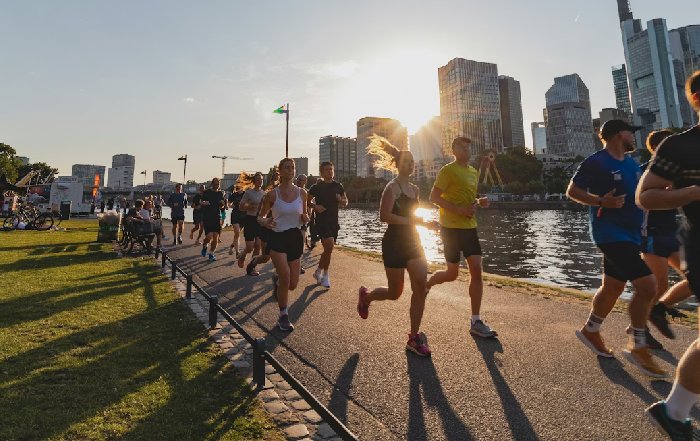
Access to high-quality parks and greenways significantly influences whether people choose to walk, jog, or cycle during daily routines. The World Bank has emphasized that urban green spaces contribute not only to physical activity but also to mental health, social cohesion, and climate resilience, particularly in rapidly growing cities in Asia, Africa, and South America. Those wishing to understand the broader development perspective can learn more about the World Bank's work on urban green spaces.
Cities such as New York, with its High Line and expanding network of greenways, and Seoul, with the restoration of Cheonggyecheon Stream, demonstrate how reimagining former industrial or car-dominated corridors as linear parks can create inviting, car-free routes that encourage walking and cycling for both leisure and commuting. In European contexts, the Freiburg and Copenhagen green networks show how continuous green corridors linked to residential and employment areas can transform how residents move through the city, integrating nature into daily journeys.
For the SportyFusion community, which often seeks performance gains alongside lifestyle quality, the presence of attractive, shaded, and safe routes can be the deciding factor between choosing a car for a short trip or opting for a brisk walk or jog. This is particularly relevant in hot climates such as Thailand, Brazil, and parts of Australia, where shade, water access, and rest points can significantly influence the feasibility of active travel. By treating green infrastructure as performance-enabling infrastructure, city leaders can align environmental, health, and cultural objectives in ways that resonate with both residents and businesses.
Technology, Data, and the Quantified City
The integration of digital technologies into urban design has opened new possibilities for measuring, incentivizing, and optimizing incidental physical activity. Wearable devices, smartphones, and connected fitness platforms have transformed walking and cycling into quantifiable behaviors, while city-level data platforms allow planners to understand movement patterns with unprecedented granularity. Organizations such as MIT Senseable City Lab have been at the forefront of using big data and sensing technologies to map how people move through cities and to identify where infrastructure improvements could yield the greatest benefits. Readers can explore innovative research on urban mobility through MIT Senseable City Lab's projects.
In parallel, health agencies and technology firms have experimented with behavioral nudges and gamification to encourage walking and stair use in office buildings, transit stations, and mixed-use developments. For example, some property managers in North America and Europe have deployed digital signage and app-based prompts that highlight the number of steps to a destination, the calories burned by choosing stairs, or the time savings of walking certain short routes rather than waiting for elevators or shuttles. The U.S. Centers for Disease Control and Prevention (CDC) provides guidance on community design strategies that integrate health promotion into everyday environments, and readers can learn more about active design principles.
For SportyFusion, which covers technology, gaming, and performance, the convergence of urban design and digital engagement is particularly relevant. Location-based games, augmented reality fitness experiences, and corporate wellness platforms increasingly use the city as a dynamic playing field, turning streets, parks, and transit nodes into arenas for step challenges, scavenger hunts, or collaborative fitness quests. As 5G and edge computing mature across regions such as the United States, Europe, South Korea, and Japan, the potential for real-time, context-aware nudges that encourage active choices will grow, offering new tools to embed incidental movement into the rhythms of urban life.
Business, Brands, and the Economics of Active Urbanism
Private sector organizations have a growing stake in how urban design influences incidental physical activity, as talent attraction, employee well-being, and consumer behavior are all shaped by the quality of the built environment. Major employers in technology, finance, and professional services increasingly seek locations in walkable, transit-rich districts, recognizing that such environments support healthier, more engaged workforces and align with sustainability commitments. The International WELL Building Institute (IWBI) has codified many of these insights into its WELL Building Standard, which includes criteria related to movement, active design, and access to physical activity opportunities; those interested can learn more about WELL's movement concepts.
Retailers and hospitality brands also benefit from environments that encourage strolling, lingering, and spontaneous visits, as foot traffic directly correlates with sales in many urban contexts. Urban districts that successfully integrate safe walking and cycling infrastructure, public transit access, and attractive public spaces often become premium locations, commanding higher commercial and residential rents. For the business-oriented audience of SportyFusion, which engages with business, brands, and jobs, this trend suggests that companies positioning themselves as health- and sustainability-conscious employers will increasingly prioritize active environments in their real estate and workplace strategies.
From a macroeconomic perspective, organizations such as the Organisation for Economic Co-operation and Development (OECD) have highlighted how investments in active transport and compact, mixed-use urban form can reduce infrastructure and healthcare costs while supporting economic productivity. Readers can explore broader analyses of urban productivity and well-being through OECD's work on cities. For fast-growing cities in Asia, Africa, and South America, where urban form is still in flux, decisions made now about street layouts, transit networks, and land use will either lock in car dependence and sedentary lifestyles or create the conditions for vibrant, active, and resilient urban societies.
Equity, Ethics, and the Right to Move
As urban design strategies to encourage incidental physical activity gain traction, questions of equity and ethics become central. Not all neighborhoods benefit equally from safe sidewalks, parks, or transit access, and in many cities, disadvantaged communities face higher traffic risks, poorer air quality, and limited access to green space. Organizations such as UN-Habitat have emphasized that inclusive, people-centered urban planning is essential to ensure that the benefits of active environments are shared across income groups, genders, ages, and abilities. Those seeking a global policy perspective can learn more about UN-Habitat's work on public space.
For SportyFusion, which devotes attention to ethics and social issues alongside performance and lifestyle content, this raises critical questions about who gets to enjoy the health and cultural benefits of walkable, bikeable, and transit-rich neighborhoods. If active urbanism is associated only with affluent districts, it risks reinforcing existing inequalities in health and opportunity. Ethical urban design therefore requires deliberate strategies to extend high-quality infrastructure, traffic calming, and green spaces to historically underserved areas, as well as genuine community engagement in planning processes.
Moreover, as data-driven approaches to promoting incidental activity expand, issues of privacy, surveillance, and consent must be addressed. While aggregated mobility data can help planners optimize infrastructure and identify gaps, individual-level tracking for commercial or policy purposes raises legitimate concerns. Businesses and public agencies that leverage movement data must demonstrate transparency, data minimization, and clear benefits to residents, aligning with international best practices articulated by organizations such as the European Data Protection Board and national regulators. Balancing the promise of quantified cities with the right to privacy will be a defining challenge for active urbanism in the decade ahead.
From Vision to Practice: What Cities and Stakeholders Can Do Next
Translating the principles of active urban design into concrete change requires coordination across multiple actors: city governments, transport agencies, developers, employers, and civil society. Successful cities tend to share several characteristics, including clear policy frameworks that prioritize walking, cycling, and transit; robust data and evaluation systems; and strong partnerships with community organizations and private sector stakeholders. The C40 Cities Climate Leadership Group, for example, has supported major urban centers worldwide in adopting low-carbon, people-centered transport strategies that simultaneously reduce emissions and promote physical activity; readers can learn more about C40's transport and urban planning work.
For individuals and organizations in the SportyFusion ecosystem-spanning fitness professionals, health advocates, technology innovators, and business leaders-there are multiple avenues to contribute. Employers can advocate for and invest in offices located in walkable, transit-rich areas, design workplaces that encourage movement, and support active commuting through facilities and incentives. Developers can adopt active design guidelines that prioritize stairs, daylight, and connectivity to public spaces. Startups and established technology firms can create tools that integrate urban context into fitness and wellness experiences, turning city streets into dynamic training environments.
At the same time, readers who are passionate about performance, health, and culture can engage with local planning processes, support organizations that champion active transport, and use their own data and stories to demonstrate the benefits of living in environments that make movement effortless and enjoyable. As cities in the United States, Europe, Asia, Africa, and South America grapple with climate change, demographic shifts, and economic transformation, building places that naturally encourage incidental physical activity is both a pragmatic and inspiring strategy, aligning personal well-being with collective resilience.
In this evolving sportscape, SportyFusion is uniquely positioned to connect insights from fitness science, urban design, technology, and business, helping its audience understand not only how to train better, but how to live and work in cities that act as silent partners in their pursuit of healthier, more active, and more fulfilling lives. By highlighting global best practices, showcasing innovative brands and policies, and fostering dialogue across regions and sectors, the platform can contribute to a future in which every step to the bus stop, every ride along a protected bike lane, and every stroll through a neighborhood park becomes part of a larger, shared story of urban vitality and human performance.