

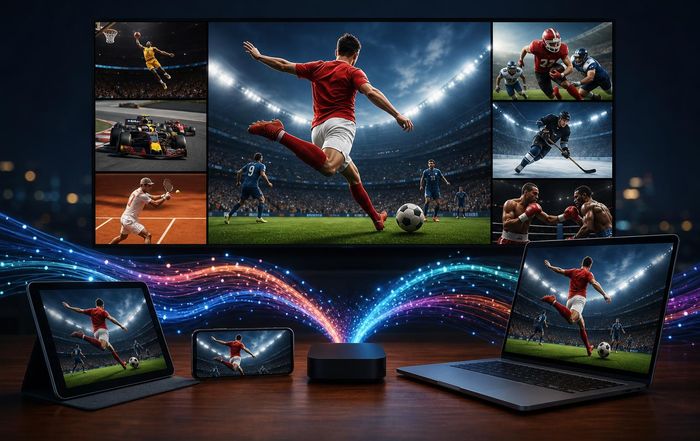
How Streaming Platforms Are Reshaping Sports Viewing
The way people watch live sport is undergoing its biggest shift since satellite television. Streaming platforms-both tech-led services and broadcasters' own apps-are tearing up long-standing habits around kick-off times, device use, and even what counts as a "sporting event." For fans, athletes, and rights holders, this is not just a new channel; it is a new ecosystem affecting money flows, global reach, and how communities form around games.
This video related feature looks at how streaming is changing sports viewing, who is driving the shift, what it means for athletes and leagues, and how fans can navigate a landscape that is richer than ever but also more fragmented and confusing.
From cable bundles to streaming wars: who owns the screen now?
For decades, live sport was the anchor keeping viewers tied to cable and satellite bundles, particularly in the United States and Europe. Traditional broadcasters such as ESPN, Sky Sports, BT Sport/TNT Sports, and national networks in many countries paid billions for exclusive rights, then recouped the cost through subscription fees and advertising. That model is now under pressure as cord-cutting accelerates and younger viewers spend more time on connected TVs, phones, and tablets.
Major tech and streaming players have moved aggressively into live rights. Amazon Prime Video carries Thursday Night Football in the NFL and top-tier football in several European markets. Apple TV+ has secured global rights to Major League Soccer, while YouTube (through YouTube TV) took over NFL Sunday Ticket in the U.S. Global services such as DAZN and Viaplay have built their entire businesses around live sport and combat sports, while platforms like Peacock, Paramount+, and Disney+ increasingly bundle live games with entertainment catalogs.
This is not purely a Western story. In India, streaming services under Disney's Hotstar and JioCinema have fought high-stakes battles over cricket rights, driving record concurrent streaming audiences. In parts of Asia, the Middle East, and Latin America, mobile-first viewing has made streaming the default way to watch football, MMA, and domestic leagues, leapfrogging the cable era entirely.
For sports fans, the result is a patchwork: instead of one or two big TV subscriptions, following a single league may require multiple streaming services, each with different pricing models and device support. The upside is more choice and flexibility; the downside is fragmentation and rising cumulative costs.
How streaming is changing the fan experience
The viewing experience itself is evolving quickly, with streaming platforms experimenting in ways linear TV struggled to match. For active readers interested in performance and training, this shift also affects how they analyze games and learn from elite athletes.
Many services now offer alternate feeds and camera angles, from "tactical cams" focused on formations to "all-22" views in American football that show the entire field. Some platforms provide real-time stats overlays powered by data from companies like Stats Perform and Sportradar, giving viewers instant insight into expected goals, shot charts, and player tracking metrics. The NBA League Pass and NFL+ apps are examples of services that have experimented with condensed game formats, coach's film angles, and data-rich replays, making it easier for time-pressed fans and coaches to study matches.
Interactivity is another frontier. Some broadcasters and leagues have tested live polls, chat, and watch-party features within their apps. Social video platforms such as Twitch and YouTube allow co-streaming or companion commentary in certain rights frameworks, creating a more participatory culture around games that once felt one-way and distant. For younger audiences already accustomed to gaming streams and esports, this blend of chat, memes, and live sport feels natural.
At the same time, streaming has normalized watching sport on smaller screens. Mobile-optimized interfaces, vertical video highlights, and short-form recap packages are designed for fans who might never sit through a full match. This has implications for how leagues maintain narrative arcs across a season and how they keep casual viewers engaged beyond key moments. It also feeds directly into the broader sports culture ecosystem, where clips, reactions, and behind-the-scenes content spread rapidly across social media.
Global reach, local flavor: how leagues are expanding their audiences
Streaming's borderless nature has allowed leagues and niche sports to reach fans far beyond their home markets. Services like NBA League Pass, UFC Fight Pass, and the Olympics' digital platforms have long offered direct-to-consumer access in territories where no strong local broadcaster existed. Now, more organizations are following that path, often in parallel with traditional TV deals.
For global competitions, this can be transformative. The International Olympic Committee and FIFA have invested heavily in digital platforms to complement broadcast partners, using highlights and shoulder content to engage fans between events. Governing bodies such as World Rugby and FIBA stream age-group and secondary competitions that would previously have gone unseen outside host nations, giving young athletes a global showcase and providing scouts, analysts, and dedicated fans with unprecedented visibility.
At the same time, streaming enables hyper-local storytelling. Clubs and federations can produce their own documentaries, training-ground footage, and community features, distributing them through platforms like YouTube, TikTok, and their own apps. This kind of content blurs the line between sports and lifestyle, building emotional connections that go beyond results and league tables.
However, global streaming rights can also raise questions about competitive balance and access. When major European football leagues sign worldwide deals with a single streaming giant, smaller domestic broadcasters may struggle to compete, and local narratives may be shaped more by global marketing priorities than by grassroots interests. Regulators in some countries have scrutinized exclusive digital rights arrangements, especially when they affect free-to-air access to "crown jewel" events such as World Cups or national finals.
Fragmentation, blackouts, and the cost of being a fan
While streaming is often marketed as a cheaper, more flexible alternative to pay-TV, many fans now experience it as a complex puzzle of overlapping services. In the U.S., following all national and local games of a single major league can require subscriptions to a primary streamer, a league-run app, and sometimes a cable or virtual multichannel provider. A similar pattern is emerging in European football, where domestic leagues may be split across two or three platforms plus separate services for UEFA competitions.
This fragmentation has real consequences. Casual fans may simply watch less live sport, relying instead on social media highlights. Hardcore supporters face higher cumulative costs and the frustration of navigating different apps with different interfaces, latency, and blackout rules. In some markets, local blackout policies-originally designed to protect in-stadium attendance or regional broadcasters-are now colliding with global streaming availability, creating confusion when fans see international viewers accessing games they cannot legally watch at home.
Consumer organizations and regulators in several countries have raised concerns about transparency in pricing, auto-renewal practices, and the difficulty of cancelling subscriptions. Bodies like the European Commission and agencies such as the U.S. Federal Trade Commission have signaled increased scrutiny of digital subscription models more broadly, which may ultimately affect how sports streamers design their offerings and how clearly they communicate blackout and territorial restrictions.
For health- and wellness-oriented readers, another subtle issue is sedentary time. The ease of back-to-back streaming, especially when combined with on-demand replays and shoulder content, can extend viewing sessions. Some platforms and smart-TV ecosystems are experimenting with wellness prompts or integrations with wearables, but for now, balancing deep fan engagement with an active lifestyle remains largely a personal responsibility.
What it means for athletes, teams, and rights holders
For athletes and teams, streaming opens both opportunities and new pressures. On the positive side, more games being broadcast-especially at lower tiers and in women's sport-means more chances to be seen by scouts, sponsors, and fans. The growth of women's football leagues and competitions, for example, has been accelerated by streaming deals that made matches widely available where linear TV struggled to allocate slots. Organizations such as FIFA, UEFA, and World Athletics have all cited digital platforms as key to growing their women's and youth properties.
Streaming also changes the economics of rights. Rather than selling exclusively to a single broadcaster, some leagues now explore mixed models: a core package for a major partner plus digital rights for specific territories or tiers of competition. Others, like Major League Soccer with its partnership with Apple, have opted for a more centralized global approach, betting that a single platform can deliver consistent production quality and data across markets.
However, revenue guarantees can be less predictable than in the old long-term TV contracts. Subscription churn, advertising market fluctuations, and competition from other entertainment services make it harder to forecast future income. Smaller sports, in particular, face a trade-off between exposure and direct monetization: putting events behind a paywall can generate some revenue but may limit audience growth; making them free-to-view on platforms like YouTube or Twitch can build reach but relies more heavily on sponsorship and alternative income streams.
Athletes themselves are increasingly media brands. Social platforms and player-driven content channels allow them to bypass traditional broadcasters, but they are also bound by league and club rights agreements. Negotiations over who can film what-from locker-room footage to personal vlogs during tournaments-are becoming more complex, with collective bargaining agreements and players' unions, such as those represented by FIFPRO or the NBPA, paying closer attention to digital image rights and revenue shares.
Technology, latency, and the push for reliability
From a technical perspective, live sports streaming is one of the most demanding tasks in media. Fans expect near-real-time delivery, minimal buffering, and rock-solid reliability, even when millions tune in simultaneously. High-profile outages during major events have drawn criticism and, in some cases, regulatory attention, prompting platforms to invest heavily in content delivery networks, edge computing, and redundant infrastructure.
Industry groups and research organizations, such as the Sports Video Group and the International Telecommunication Union, have highlighted latency as a key challenge. Streaming often lags behind traditional broadcast by 20-45 seconds, which can be enough for social media or push notifications to spoil key moments. Low-latency streaming protocols and better synchronization across devices are being rolled out gradually, but trade-offs remain between speed, stability, and bandwidth efficiency.
There is also a growing intersection between sports streaming and emerging technologies. Companies like Amazon Web Services and Google Cloud power many behind-the-scenes workflows, from encoding and distribution to AI-driven highlight clipping and automated camera systems for lower-tier leagues. For fans who follow performance analytics, this infrastructure underpins the advanced metrics and visualizations increasingly integrated into broadcasts and second-screen apps.
Security is another concern. Piracy of live sport remains widespread, with unauthorized streams circulating on social media and dedicated websites. Rights holders, often working with organizations like LaLiga Tech or anti-piracy coalitions, use fingerprinting, watermarking, and legal takedown mechanisms to combat this, but the cat-and-mouse dynamic continues. Persistent piracy can depress rights values, indirectly affecting leagues' ability to invest in grassroots development, facilities, and athlete support.
Esports, fitness, and the blurring lines of "watching sport"
Streaming platforms have not only changed how traditional sports are consumed; they have also redefined what many people consider sport in the first place. Esports owes much of its explosive growth to live streaming on platforms like Twitch, YouTube, and regional services such as Huya. Tournaments for titles like League of Legends, Dota 2, and Counter-Strike now draw audiences comparable to major traditional events, with production values and sponsorship structures that mirror-and sometimes rival-those of established leagues.
This has had a feedback effect on traditional sports. Leagues have adopted esports-style production elements, including in-game style overlays, player cams, and live chat integration. They have also launched their own competitive gaming properties, such as NBA 2K League or virtual racing series, which sit at the intersection of gaming and sport. For younger demographics, the distinction between watching a football match and an esports final is less about medium and more about community and narrative.
Streaming has also reshaped the fitness side of the active lifestyle. Connected fitness platforms and apps-ranging from Peloton and Apple Fitness+ to boutique studio streams-deliver live and on-demand classes that borrow heavily from sports broadcasting techniques. Multi-camera setups, live leaderboards, and integrated metrics create experiences that feel closer to watching a race broadcast than to following a traditional workout DVD. This convergence of fitness, media, and technology blurs the line between spectator and participant, as users simultaneously watch and perform.
For many, a week of "sports viewing" now includes a mix of live matches, esports streams, training content, and fitness classes-often across multiple screens at once. That broader ecosystem reinforces sport's role in everyday culture but also intensifies competition for attention.
Accessibility, inclusion, and ethical questions
As streaming reshapes sports viewing, it also raises important questions about access and ethics. On the positive side, digital platforms can improve accessibility for viewers with disabilities. Features such as closed captioning, multiple audio tracks, descriptive commentary, and customizable interfaces can be more easily implemented and updated in apps than on legacy broadcast systems. Organizations like the World Wide Web Consortium (W3C) and national regulators provide standards and guidelines that many services are gradually adopting.
Streaming can also elevate underrepresented sports and athletes. Women's leagues, Paralympic events, and grassroots competitions often receive more consistent coverage on digital platforms than they did on traditional TV, aligning with broader conversations around equity and representation in sport. This visibility can influence sponsorship patterns, youth participation, and societal perceptions of who "belongs" in high-performance environments.
Yet digital-only rights can exacerbate inequalities. Fans without reliable broadband, those in rural areas, or households unable to afford multiple subscriptions may find themselves excluded from live coverage of national teams or major events. Global organizations such as UNESCO and the International Olympic Committee have emphasized sport's role in social cohesion and cultural identity; when access is gated behind complex digital paywalls, that role can be undermined.
Data privacy and personalization are other ethical fronts. Streaming platforms collect detailed information on viewing habits, device use, and sometimes location, which can be used to tailor recommendations and advertising. While this can enhance the user experience, it also raises questions about how data is stored, shared, and monetized. In regions governed by frameworks like the EU's General Data Protection Regulation (GDPR), services must navigate strict consent and transparency requirements, but enforcement and user awareness vary widely.
How fans can navigate-and shape-the next era of sports viewing
For fans, the streaming era demands more active choices. Rather than accepting a single bundled offering, individuals can now decide which leagues matter most, whether to prioritize live viewing or highlights, and how much they are willing to spend. Some opt for rotating subscriptions-signing up only for peak seasons or specific tournaments-while relying on social platforms and official league channels for off-season content.
Understanding one's own viewing habits can help. Those primarily interested in big-event tournaments might focus on services that carry global competitions, while club-loyal supporters may need to track which platforms hold domestic and cup rights. For multi-sport households, virtual multichannel providers and bundles that integrate several services can sometimes offer better value, though they often come with contractual fine print worth examining carefully.
Fans also retain influence beyond their wallets. Feedback on app stores, engagement with official channels, and participation in supporter groups and surveys can shape how leagues and platforms prioritize features such as latency improvements, accessibility options, and flexible pricing. In some cases, organized supporter pressure has led to changes in blackout policies or the introduction of more affordable packages for students and local communities.
For those pursuing their own active lifestyles, the same platforms used to watch elite athletes can double as tools for learning and motivation. Tactical breakdowns, training vlogs, and performance-focused shows provide insights that can inform personal training plans and coaching approaches, blurring the line between spectator and participant in constructive ways.
Streaming has not simply moved sports from one screen to another; it has reconfigured the entire relationship between fans, athletes, leagues, and media companies. The benefits-greater choice, richer data, global reach, and new forms of engagement-are substantial. So are the challenges: fragmentation, access gaps, technical reliability, and complex rights landscapes.
As technology, regulation, and fan expectations continue to evolve, the balance between openness and exclusivity, immersion and overload, global reach and local identity will define the next phase of sports viewing. For now, one thing is clear: watching sport has become as dynamic and contested as the games themselves, and the choices made by viewers, leagues, and platforms in the coming years will shape not just how we watch, but what sport means in everyday life.