

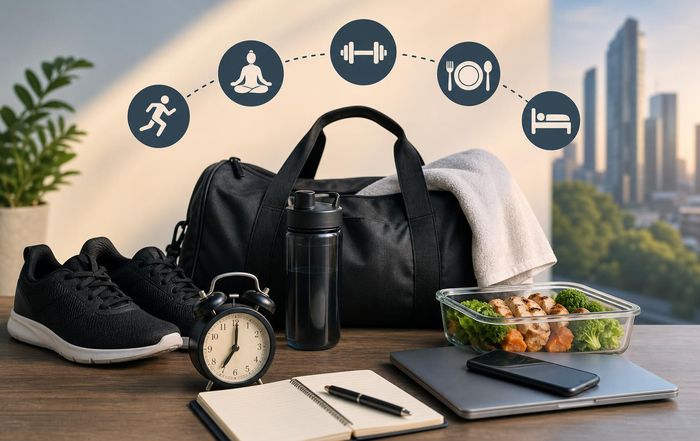
Fitness Strategies for Busy Professionals: A Cool SportyFusion Perspective!
The New Reality of Professional Life and Physical Performance
Surely you must've felt how the lives of busy professionals have become even more demanding, more connected and, paradoxically, more sedentary. Hybrid work, global time zones, continuous digital communication and rising performance expectations have created an environment in which time has become the most valuable currency, and yet physical fitness and health have never been more critical to sustained professional success. For the growing number of sporty, individuals who come here, which ranges from executives in New York and London to founders in Berlin and Singapore and consultants in Sydney and Toronto, the central question is no longer whether fitness matters but how to integrate evidence-based fitness strategies into an already overloaded schedule without sacrificing career momentum or personal life.
In this context, fitness is not a lifestyle accessory or a discretionary hobby; it is a core performance asset, as fundamental to long-term professional viability as digital skills or financial literacy. Research from organizations such as the World Health Organization demonstrates how regular physical activity reduces the risk of chronic disease and improves cognitive function, emotional resilience and overall life expectancy, and readers can explore global recommendations for physical activity through the WHO's resources to better understand the scale of the opportunity that consistent movement presents. At the same time, business leaders tracking productivity insights from sources like McKinsey & Company increasingly recognize that employee energy, focus and creativity are directly linked to physical well-being, which means that fitness is now a boardroom topic as much as a personal one.
For SportyFusion, whose hard-working and passionate editorial lens spans fitness, health, performance and business, the goal is to translate this global evidence into practical strategies that busy professionals can apply today in New York, London, Berlin, Singapore, Johannesburg or São Paulo. This article explores how high-performing individuals and organizations are rethinking fitness in 2026, the science that underpins the most effective approaches and the specific tactics that can be woven into even the most demanding calendar.
The Science of Time-Efficient Training
One of the most significant developments of the past decade has been the consolidation of scientific support for time-efficient training methods, which are particularly relevant for professionals who may only be able to commit 20 to 30 minutes a day to structured exercise. Institutions such as Harvard Medical School and the Mayo Clinic have highlighted the value of high-intensity interval training (HIIT), moderate-intensity continuous training and strength training as powerful tools for improving cardiovascular health, metabolic function and muscular strength in relatively short sessions, and interested readers can review Harvard's guidance on the benefits of interval training to better understand why these formats have become so influential in professional circles.
At the same time, the evolution of sports science, reflected in the work of organizations like the American College of Sports Medicine, has clarified that intensity, consistency and progression matter more than elaborate routines or access to premium facilities. Busy professionals in the United States, United Kingdom, Germany, Canada, Australia and across Asia are increasingly turning to short, structured sessions that combine resistance exercises with cardiovascular intervals, often using only bodyweight or minimal equipment, and those who wish to explore the latest ACSM guidelines can review their global position stands to see how these recommendations apply to different age groups and fitness levels.
From a physiological perspective, the appeal of these methods is straightforward. Short bursts of higher-intensity activity stimulate significant adaptations in the heart, lungs and muscles, while resistance training supports muscle mass, bone density and metabolic health, which is particularly critical for professionals in their 30s, 40s and 50s who are navigating demanding careers in finance, technology, law, consulting and creative industries. Platforms such as NHS Inform in the United Kingdom provide accessible explanations of how strength and cardio training work together to support long-term health, and professionals in London, Manchester, Edinburgh and beyond are increasingly using these resources to design realistic weekly routines.
For SportyFusion readers, the key insight is that time-efficiency does not mean compromise or low quality; rather, it means aligning training methods with the realities of modern work while still respecting the principles of progressive overload, recovery and habit formation. A 25-minute session that alternates between compound strength movements and short cardio intervals, executed three to four times a week, can be sufficient to maintain or even improve fitness for a busy executive navigating frequent travel between New York, Frankfurt and Singapore, provided it is performed consistently and with appropriate intensity.
Integrating Fitness into the Workday: Micro-Habits and Movement Design
While structured workouts remain important, the most successful busy professionals in 2026 are those who design their days around movement rather than viewing exercise as an isolated event. This shift toward "movement design" recognizes that sitting for prolonged periods, whether in a home office in Toronto or a co-working space in Berlin, undermines many of the benefits of occasional intense workouts. Research summarized by institutions such as Johns Hopkins Medicine illustrates the health risks of prolonged sitting and offers guidance on how to counteract them through regular activity breaks, and professionals can explore these resources to understand why micro-movements throughout the day are now considered essential.
In practice, movement design for busy professionals involves layering short, intentional bouts of activity into existing routines: walking meetings instead of seated ones when possible, standing or pacing during conference calls, using stairs instead of elevators in office buildings in London, Paris or Singapore and setting calendar reminders for three to five minutes of mobility work every 60 to 90 minutes. Many global organizations are now incorporating these concepts into corporate wellness programs, and leadership teams are increasingly drawing on frameworks from groups like the World Economic Forum to link well-being initiatives with productivity and sustainability outcomes, particularly in sectors where knowledge work dominates.
At SportyFusion, this integrated approach aligns with the broader and daily editorial focus on lifestyle and culture, recognizing that fitness is inseparable from the way people structure their work, social interactions and digital habits. A software engineer in Stockholm, a marketing director in New York or a consultant in Dubai may not be able to carve out a 90-minute gym session every day, but they can build a pattern of movement that includes a morning mobility routine, a brisk 15-minute walk at lunch, standing intervals during virtual meetings and a short strength session in the evening. Over weeks and months, these micro-habits compound into measurable improvements in energy, posture and resilience.
The rise of hybrid work across the United States, Europe and Asia has also opened new possibilities for integrating movement into the workday. Professionals who previously commuted two hours daily may now reinvest some of that time into structured exercise or active commuting, such as cycling or walking part of the journey, and organizations that support flexible scheduling are finding that employees who prioritize movement often report higher levels of engagement and lower levels of burnout. Business leaders exploring the intersection of well-being and productivity can review insights from Gallup on employee engagement and health to better understand how movement-rich cultures contribute to organizational performance.
Digital Tools, Wearables and the Data-Driven Professional Athlete Mindset
The technological landscape of fitness in 2026 has matured significantly, moving beyond novelty apps to a more integrated, data-driven ecosystem that supports professional performance in nuanced ways. Wearables from companies such as Apple, Garmin and Whoop now provide continuous insights into heart rate variability, sleep quality, recovery status and activity levels, enabling busy professionals to make informed decisions about when to push harder and when to prioritize rest. Those interested in the broader implications of digital health can explore resources from The Lancet Digital Health to see how wearables and connected devices are reshaping preventive care and personal wellness strategies worldwide.
For the SportyFusion community, which is deeply engaged with technology, sports and performance, this convergence of data and training represents an opportunity to adopt a "professional athlete mindset" without needing the schedule of a full-time athlete. A finance professional in Zurich or a startup founder in San Francisco can use wearable data to monitor recovery after late-night work sessions, adjust training intensity during periods of high stress and ensure that weekly activity levels meet evidence-based thresholds for cardiovascular and metabolic health. Platforms like Cleveland Clinic offer accessible explanations of heart rate zones, sleep metrics and recovery indicators, helping users interpret their data in a medically informed way.
In parallel, digital coaching platforms and AI-driven training systems have become more sophisticated, offering personalized workout plans that adjust in real time based on user feedback, performance metrics and schedule constraints. Busy professionals can now access elite-level programming previously reserved for athletes, with applications that account for travel days to Hong Kong or New York, late-night project deadlines or family commitments. Those interested in the latest developments in AI and health can review coverage from MIT Technology Review, which frequently explores how machine learning is transforming personalized medicine and performance optimization.
For SportyFusion, the key is to help readers navigate this abundance of data and tools without becoming overwhelmed. The most effective professionals in 2026 are not those who track every possible metric but those who identify a small set of meaningful indicators-such as weekly active minutes, strength progression on key movements, sleep duration and perceived stress-and use them to make consistent, informed adjustments. This balanced approach aligns with the platform's impartial commitment to ethics and health, recognizing that technology should enhance autonomy and self-knowledge rather than create new forms of pressure or comparison.
Nutrition, Recovery and Cognitive Performance for High-Demand Careers
Fitness strategies for busy professionals cannot be separated from nutrition and recovery, which are increasingly recognized as the foundations of both physical and cognitive performance. Global research bodies such as the European Food Safety Authority and the U.S. National Institutes of Health have highlighted the importance of balanced macronutrient intake, adequate hydration and micronutrient sufficiency for sustained energy, mental clarity and long-term metabolic health, and professionals across Europe, North America and Asia are turning to these resources to refine their eating strategies within the constraints of demanding work.
For a consultant flying regularly between London, Dubai and Singapore or a technology executive managing teams across time zones in San Francisco, Berlin and Tokyo, the most practical nutritional strategies are often those that prioritize stability and predictability. This may involve standardizing breakfast and lunch to minimize decision fatigue, focusing on whole foods with a balance of lean protein, complex carbohydrates and healthy fats, and using portable options-such as nuts, fruit and high-quality protein sources-to avoid reliance on ultra-processed snacks during long meetings or travel days. Those seeking deeper insight into evidence-based nutrition can explore guidance from Harvard T.H. Chan School of Public Health, which provides detailed overviews of dietary patterns linked to long-term health and performance.
Sleep and recovery have also moved to the center of the performance conversation, with organizations like the American Academy of Sleep Medicine emphasizing how chronic sleep deprivation impairs decision-making, creativity, emotional regulation and physical resilience. For busy professionals, particularly in high-stakes fields such as law, finance, healthcare, engineering and executive leadership, this means that sacrificing sleep for work is no longer seen as a badge of honor but as a strategic liability. Leaders in New York, London, Frankfurt, Singapore and Sydney are increasingly experimenting with sleep-protective routines, such as digital curfews, consistent wake times and travel strategies that minimize jet lag, and those interested in the science behind these practices can review AASM resources on sleep and performance.
From the perspective of SportyFusion, which consistently explores the links between health, business and performance, the integration of nutrition and recovery into fitness strategies is a matter of both expertise and trust. Readers expect guidance that is grounded in robust evidence, acknowledges cultural and regional differences-from Mediterranean dietary patterns in Italy and Spain to plant-forward trends in Scandinavia and Asia-and respects the realities of professional life, where perfect adherence is rarely possible. The most resilient strategies are those that allow for flexibility, social occasions and travel disruptions while maintaining a consistent baseline of healthy choices over time.
Corporate Culture, Leadership and the Future of Fit Organizations
As fitness becomes increasingly recognized as a driver of productivity, innovation and resilience, organizations around the world are rethinking their role in supporting employee well-being. In 2026, leading companies in the United States, United Kingdom, Germany, Canada, Australia, Singapore and beyond are moving beyond superficial wellness perks toward more integrated approaches that link physical activity, mental health, workload management and leadership behavior. Reports from bodies like the Chartered Institute of Personnel and Development illustrate how forward-thinking employers are redesigning work to support health, and business leaders can explore CIPD resources to understand how policy, culture and management practices interact to shape employee outcomes.
For the SportyFusion audience, which includes both ambitious professionals and decision-makers responsible for teams and budgets, this shift raises important questions about responsibility, ethics and competitive advantage. An organization that encourages walking meetings, supports flexible schedules for exercise, invests in ergonomic workspaces and normalizes conversations about energy and recovery is more likely to retain high-performing talent in New York, London, Berlin, Singapore, Johannesburg and São Paulo, particularly among younger generations who increasingly evaluate employers based on their commitment to holistic well-being. Those interested in the broader social and economic implications of these trends can review analyses from the Organisation for Economic Co-operation and Development, which often highlight the link between health, productivity and sustainable growth.
Within this evolving landscape, SportyFusion positions itself not only as a source of individual strategies but also as a platform where the worlds of sports, business, culture and social impact intersect. The platform's coverage of global trends-from wellness policies in multinational corporations to fitness innovations in startups across Europe, Asia, Africa and the Americas-aims to equip readers with both the personal tools and the organizational insights needed to build environments where fitness is supported rather than squeezed into the margins.
Leadership plays a pivotal role in this transformation. When senior executives and managers in New York, London, Zurich, Singapore or Tokyo visibly prioritize their own fitness and communicate its importance for decision-making and resilience, they send a powerful signal that health is not a private indulgence but a shared organizational value. Conversely, cultures that implicitly reward overwork and neglect of health often see higher levels of burnout, absenteeism and turnover, outcomes that are increasingly difficult to ignore in competitive global markets.
Building a Sustainable, Personalized Fitness Strategy with SportyFusion
Ultimately, the most effective fitness strategies for busy professionals in 2026 are those that are sustainable, personalized and aligned with both individual goals and professional realities. For the global community that turns to SportyFusion for guidance across fitness, health, performance, lifestyle and world trends, this means moving beyond generic advice toward a more nuanced, evidence-based approach that respects regional differences, sector-specific demands and evolving technologies.
A strategy that works for a corporate lawyer in New York may look different from that of a creative director in Berlin, a software engineer in Bangalore or an entrepreneur in Cape Town, yet the underlying principles remain consistent: prioritize regular movement throughout the day, leverage time-efficient training methods, use technology judiciously to support awareness and progression, protect sleep and recovery as non-negotiable assets and align nutrition with energy demands and cultural context. Professionals who adopt this integrated mindset are better equipped to navigate the uncertainties of global markets, the intensity of digital work and the personal responsibilities that define modern life in North America, Europe, Asia, Africa and South America.
As the boundaries between sports, work, technology and culture continue to blur, SportyFusion remains committed to providing positive, good news, and insight that is grounded in scientific evidence, informed by global perspectives and shaped by a deep understanding of how professionals actually live and work. Readers who wish to explore these themes further can navigate the platform's coverage of training, business, technology and environment, or connect with its broader editorial vision through the SportyFusion home page.
In an era defined by rapid change, relentless connectivity and rising expectations, fitness is emerging not as a luxury but as a strategic necessity for busy professionals worldwide. Those who treat their bodies and minds with the same rigor and foresight that they apply to their careers are likely to find that the return on investment is measured not only in health metrics but also in clarity, resilience, creativity and the capacity to perform at a high level over decades rather than years. For this global community, SportyFusion will continue to serve as a hopefully inspiring partner, translating the latest science, technology and cultural shifts into practical, authoritative guidance that helps professionals in New York, London, Berlin, Singapore, Johannesburg, São Paulo and beyond build lives where fitness and ambition reinforce rather than compete with each other.