

Italy's Fitness Influencer Renaissance: How a Lifestyle Nation Became a Global Wellness Powerhouse
Italy's transformation from a country primarily celebrated for its cuisine, fashion, and leisurely pace of life into a dynamic hub of fitness innovation and digital wellness influence has been one of the most compelling cultural shifts of the past decade. By 2026, the Italian fitness ecosystem has matured into a sophisticated, technology-enabled, and globally connected network in which influencers, brands, and institutions co-create new standards for health, performance, and lifestyle. For SportyFusion, with its focus on the intersections of fitness, culture, health, technology, business, and ethics, Italy's story offers a powerful case study in how experience, expertise, authoritativeness, and trustworthiness can redefine an entire sector.
From Milan's boutique studios and Rome's historic training grounds to Sicily's coastal bootcamps and Trentino's alpine retreats, Italian fitness influencers have evolved from early adopters of social media into fully fledged entrepreneurs and cultural leaders. Their rise has coincided with broader societal changes: a renewed emphasis on preventive health, a generational shift toward active lifestyles, and the rapid adoption of digital platforms that make training, nutrition guidance, and mental wellness content accessible across Italy, Europe, and the wider world. Readers who follow developments across fitness, health, and lifestyle at SportyFusion will recognize how closely Italy's evolution mirrors global trends while retaining an unmistakably local identity.
From Dolce Vita to Data-Driven Wellness
Italy's traditional image has long been shaped by the "dolce vita" ethos-long meals, rich food, and an appreciation of leisure. Yet, over the past several years, demographic, economic, and technological forces have converged to push health and fitness to the forefront of public consciousness. Rising life expectancy, increased awareness of chronic disease prevention, and the influence of global wellness movements have encouraged Italians to integrate exercise, nutrition, and mental health practices into their daily lives. Public health initiatives promoted by institutions such as the Italian Ministry of Health have emphasized active living and balanced diets, aligning with broader European strategies for healthy aging and disease prevention. Learn more about European health policy frameworks through resources from the World Health Organization.
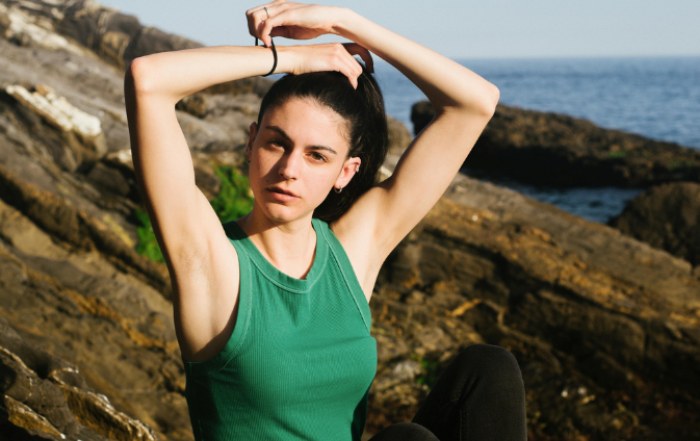
What distinguishes Italy's fitness renaissance is the way it has been mediated through social platforms and digital tools. Instagram, TikTok, and YouTube have become the primary gateways for discovering new training methods, understanding performance nutrition, and exploring holistic wellness routines. Influencers film high-definition workouts on the Amalfi Coast, record mobility sessions against the backdrop of the Dolomites, and share running routes along the Tiber in Rome, transforming the country's geography into a living stage for health-oriented storytelling. This visual richness resonates with global audiences in the United States, United Kingdom, Germany, Canada, Australia, and beyond, who increasingly seek aspirational yet relatable content that blends aesthetics with evidence-based practice. For more context on how culture and movement intersect, readers can explore SportyFusion's culture and world sections.
Influencers as Experts, Educators, and Brand Architects
By 2026, Italian fitness influencers have evolved far beyond the role of casual content creators. Many now operate as multi-dimensional professionals: certified coaches, sports scientists, nutrition consultants, and wellness educators who build businesses around their expertise. Figures like Alice Veglio, Sergio Chisari, and Silvia Fascians exemplify this progression, transforming personal narratives into scalable platforms that offer structured programs, mobile apps, and community-driven experiences.
The most successful Italian influencers distinguish themselves by grounding their content in formal education and practical experience. Degrees in sports science from institutions such as Università degli Studi di Roma "Foro Italico", recognized as a leading Italian university for physical education and sports research, lend credibility to programming that spans strength training, functional fitness, Pilates, yoga, and high-intensity interval training. Interested readers can explore the university's academic offerings at UniRoma4, which illustrate how higher education is adapting to the realities of digital coaching and online performance analysis.
At the same time, influencers with backgrounds in fashion, design, and media have elevated the visual and narrative quality of fitness content. Their ability to integrate style, storytelling, and technical instruction has made Italian training videos and wellness vlogs particularly attractive to international audiences. For SportyFusion, which regularly covers performance-oriented content in its performance and training coverage, these creators represent a new archetype of fitness professional: one who is comfortable moving between the gym floor, the production studio, and the boardroom.
The Business Engine Behind Italy's Fitness Influence
The economic infrastructure supporting Italy's fitness influencers has expanded rapidly. What began as sporadic brand deals and affiliate links has grown into a complex ecosystem of sponsorships, co-branded product lines, subscription platforms, and live experiences. Influencers collaborate with global sportswear and equipment leaders such as Nike, Adidas, and Italian-born Technogym, while also supporting emerging domestic brands that specialize in sustainable athleisure, performance nutrition, and connected fitness hardware.
Market research firms such as Statista and PwC have tracked the growth of influencer marketing and wellness spending in Italy, highlighting fitness as one of the most dynamic categories. Reports from PwC Italy suggest that wellness-related sectors-from apparel and supplements to digital health services-are expanding faster than many traditional retail segments, driven in part by influencer-led campaigns that convert trust and engagement into measurable sales. Readers interested in the broader economic implications of this shift can explore more on business and employment trends in SportyFusion's business and jobs sections, where the ripple effects on careers, entrepreneurship, and local economies are examined in detail.
Monetization strategies have become increasingly sophisticated. Influencers now launch membership-based programs with tiered access to training plans, live Q&A sessions, and personalized feedback, often delivered through proprietary apps or white-labeled platforms. They develop product lines that range from resistance bands and yoga mats to functional foods and supplement stacks, frequently emphasizing clean ingredients and transparent sourcing to maintain trust. Many also host retreats and workshops in regions such as Tuscany, Sardinia, and the Italian Lakes, tapping into the fast-growing market for wellness tourism documented by organizations like the Global Wellness Institute, whose research into wellness travel trends is available at Global Wellness Institute.
Technology, Data, and the New Italian Training Experience
Technology has been the critical enabler of Italy's fitness influencer boom. High-resolution cameras, editing suites, and studio-quality audio equipment allow creators to produce content that rivals traditional television in production value. Yet the real transformation lies in the integration of data, artificial intelligence, and connected devices into everyday training experiences.
Italian startups such as BuddyFit and Fitprime have developed platforms that combine live-streamed sessions, on-demand libraries, and flexible gym access, often promoted and co-curated by leading influencers. Their hybrid models, accessible at BuddyFit and Fitprime, illustrate how digital tools can complement physical venues, enabling users in Europe, Asia, North America, and beyond to participate in Italian-led classes regardless of location. Wearables from Apple, Garmin, Polar, and Huawei have become standard fixtures in influencer content, with creators demonstrating how to interpret heart-rate variability, sleep quality, and training load metrics using platforms such as Strava and MyFitnessPal, both of which have become household names in performance tracking.
AI-driven coaching is another frontier where Italy is beginning to assert itself. Influencers collaborate with international platforms like Freeletics, which offers adaptive training plans powered by machine learning, and experiment with custom chatbots that answer follower questions about form, recovery, and nutrition. As SportyFusion continues to cover these innovations in its technology and sports sections, Italian creators are frequently cited as early adopters who understand how to balance automation with the human touch that underpins genuine community.
Culture, Identity, and the Italian Approach to Holistic Health
What sets Italy apart in the global fitness conversation is not only its technological sophistication but also the cultural depth that informs its approach to health. Italian influencers rarely present fitness as an isolated objective; instead, they embed training within a broader narrative of lifestyle, relationships, food, and emotional well-being. This holistic framing echoes the Mediterranean lifestyle often highlighted by institutions such as Harvard T.H. Chan School of Public Health, which has long documented the health benefits of Mediterranean dietary patterns and social habits at Harvard Chan - Nutrition Source.
Creators such as Elisa Maino and Davide Campagna exemplify this integrated philosophy. Maino's bilingual content on body neutrality, anxiety, and self-acceptance speaks directly to Gen Z audiences in Italy, the United Kingdom, and Spain, while Campagna's reinterpretations of traditional dishes into macro-balanced recipes showcase how heritage cuisine can be aligned with modern performance goals. Their work underscores a central theme that resonates strongly with SportyFusion's readership: true performance is not merely physical but also psychological, social, and cultural. Readers seeking more perspectives on how social norms and global values intersect with movement and nutrition can explore SportyFusion's social and culture coverage.
Ethics, Regulation, and the Pursuit of Trust
As the Italian fitness influencer ecosystem has expanded, questions of ethics, regulation, and professional standards have become increasingly prominent. Public agencies, industry bodies, and platforms have all taken steps to ensure that the advice disseminated online is safe, evidence-based, and transparent. The Italian Ministry of Health has issued guidance on the dissemination of diet and exercise recommendations, while the National Olympic Committee (CONI) has encouraged content creators to pursue recognized certifications in coaching and sports instruction. These efforts align with broader European initiatives around digital platform accountability and consumer protection, which can be explored through resources from the European Commission.
Influencers themselves are playing a crucial role in raising standards. Many now publish their credentials, collaborate with registered dietitians and sports physicians, and clearly disclose sponsored content, reflecting the guidelines promoted by authorities such as the Autorità Garante della Concorrenza e del Mercato (AGCM), Italy's competition and market regulator. Internationally, organizations like the International Federation of Sports Medicine (FIMS), accessible at FIMS, provide frameworks for safe training practices and ethical communication, which Italian professionals increasingly reference. For SportyFusion, whose ethics coverage emphasizes responsible influence, these developments are central to assessing which voices in the space truly embody trustworthiness.
Inclusivity, Gender, and the Redefinition of Strength
Another defining characteristic of Italy's fitness landscape in 2026 is its growing emphasis on inclusivity and representation. Influencers and athletes are actively challenging outdated stereotypes about who belongs in the gym and what a "fit" body should look like. Figures such as Vanessa Ferrari, an Olympic gymnast and advocate for body-positive messaging, use their platforms to highlight performance over appearance and to normalize the realities of training, injury, and recovery. Her work aligns with global campaigns led by organizations such as the International Olympic Committee, which promotes athlete mental health and gender equality initiatives at Olympics.
Parallel to this, LGBTQ+ fitness communities have gained visibility through initiatives like OutFitness, which hosts inclusive events and collaborates with creators in cities such as Milan, Bologna, and Naples. Their approach underscores that strength and performance are compatible with diverse identities and expressions, a theme that mirrors broader social shifts across Europe, North America, and Asia. For readers following global social change and sport, SportyFusion's world and social pages provide ongoing analysis of how inclusion is reshaping participation and fan culture.
Sustainability and the Environmental Dimension of Fitness
As awareness of climate change and resource constraints deepens, Italian fitness influencers and brands are increasingly integrating sustainability into their messages and business models. Athleisure lines featuring recycled fabrics, low-impact manufacturing processes, and circular economy principles have become more prevalent, reflecting the priorities of younger consumers in Sweden, Norway, Netherlands, Germany, and other environmentally conscious markets. Influencers highlight eco-friendly products, advocate for plant-forward diets, and promote active transport-such as cycling and walking-as both health and environmental solutions.
These efforts align with broader European sustainability frameworks, including the European Green Deal, which sets ambitious targets for emissions reductions and resource efficiency. Information about these policies can be explored through the European Environment Agency. On a global scale, organizations such as the United Nations Environment Programme provide guidance on sustainable consumption and production patterns at UNEP. Within SportyFusion's environment and business sections, the convergence of environmental responsibility and commercial fitness strategy is a recurring theme, and Italy's innovators frequently feature as case examples of how to align health, performance, and planetary well-being.
Education, Careers, and the Next Generation of Leaders
The professionalization of Italy's fitness influencer sector has opened new career pathways for young people in Italy, France, Spain, Portugal, and beyond who see health and performance as viable long-term vocations. Universities have expanded sports science, kinesiology, and digital communication programs, while private academies and mentorship initiatives led by established influencers provide practical training in content production, community management, and ethical entrepreneurship. The result is a more structured pipeline for talent, in which aspiring coaches, trainers, and wellness communicators can combine academic knowledge with hands-on digital skills.
Internationally recognized bodies such as the American College of Sports Medicine (ACSM), whose guidelines are accessible at ACSM, continue to influence curriculum design and certification standards, ensuring that Italian professionals are aligned with best practices in exercise science and public health. For readers tracking how work is evolving at the intersection of health, media, and technology, SportyFusion's jobs and news coverage highlights how roles such as digital coach, performance analyst, and wellness product manager are becoming central to the modern sports and fitness economy.
Italy's Global Role in the Future of Fitness
By 2026, Italy has firmly established itself as a global tastemaker in fitness and wellness culture. Italian influencers are increasingly present at international conferences, expos, and online summits, sharing insights on hybrid coaching models, community-building strategies, and the integration of fashion, travel, and gastronomy into holistic health experiences. Events organized by bodies such as the World Fitness Federation, accessible at WFF International, often feature Italian speakers whose perspectives resonate with audiences from Japan and South Korea to Brazil, South Africa, and New Zealand.
Brands in North America, Asia, and the wider European region are studying Italian campaigns for lessons in authenticity, narrative cohesion, and cultural alignment. The Italian model demonstrates that long-term value in the fitness sector is built not solely on follower numbers but on deep engagement, educational rigor, and transparent partnerships. For SportyFusion, which serves a global readership from its home at SportyFusion.com, Italy's journey offers both inspiration and a benchmark: a proof that when experience, expertise, authoritativeness, and trustworthiness are prioritized, fitness content can move beyond trends and become a durable force for individual and societal well-being.
As the next wave of technologies-ranging from augmented reality training environments to more advanced AI coaching systems-enters the mainstream, Italy's combination of aesthetic sophistication, scientific grounding, and cultural richness positions it to remain at the forefront of global fitness innovation. For readers seeking to understand not just where fitness is today, but where it is heading in the coming decade, Italy's digital fitness renaissance is a story that will continue to unfold across the pages of SportyFusion's health, fitness, and world coverage, reflecting a future in which movement, meaning, and modern technology are inseparably linked.