

The Psychology Behind Consistent Exercise Habits in 2026
In 2026, as global interest in performance, wellbeing, and longevity continues to accelerate, the psychology behind consistent exercise habits has become a central concern for athletes, professionals, and everyday enthusiasts who turn to SportyFusion.com for guidance at the intersection of sports, fitness, health, and culture. Rather than focusing solely on workout plans or nutritional protocols, leading experts now emphasize that long-term adherence to physical activity is driven primarily by psychological mechanisms: motivation, identity, environment, habit formation, and the social and cultural context in which movement takes place. Understanding these mechanisms is no longer a niche academic pursuit; it is a strategic advantage for individuals, organizations, and brands seeking sustainable performance and credible, trustworthy health outcomes.
Why Consistency Matters More Than Intensity
Across elite sport, recreational fitness, and corporate wellness, evidence consistently shows that moderate but regular physical activity confers greater health and performance benefits over time than sporadic, high-intensity efforts that are difficult to sustain. Research summarized by the World Health Organization highlights that meeting baseline activity guidelines substantially reduces the risk of chronic disease and premature mortality, yet most adults worldwide still fail to reach these levels. Learn more about the global physical activity recommendations at the World Health Organization. This gap between intention and action is not due to a lack of information; rather, it reflects psychological barriers that undermine consistency, especially in complex, high-pressure environments such as the United States, United Kingdom, Germany, and fast-paced hubs across Asia and Europe.
On SportyFusion.com, readers repeatedly engage with content that connects consistent movement to cognitive performance, resilience, and career longevity, especially through resources such as the platform's coverage of fitness and performance and its evolving exploration of health and wellbeing. This appetite for integrated insight reflects a recognition that exercise is no longer just about aesthetics or short-term goals; it is about sustainable habits that support decades of high-level functioning in work, sport, and everyday life.
Motivation: Beyond Willpower and New Year's Resolutions
The traditional narrative around exercise has often been anchored in willpower, discipline, and the annual cycle of New Year's resolutions, yet contemporary psychological science paints a more nuanced picture. According to frameworks such as Self-Determination Theory developed by researchers including Edward Deci and Richard Ryan, motivation that is intrinsically driven-rooted in enjoyment, mastery, and personal meaning-tends to be far more durable than motivation based purely on external rewards or social pressure. The American Psychological Association provides accessible summaries of these motivational principles and their relevance to behavior change; readers can explore them through resources at the American Psychological Association.
In practice, this means that individuals who anchor their exercise habits in personally meaningful values-such as being able to play energetically with their children, perform better at work, or age with autonomy-are more likely to maintain consistency than those who exercise primarily to conform to external expectations. On SportyFusion.com, this value-driven approach is reflected in coverage that links sport and movement to broader cultural and social narratives, as seen in the site's focus on culture and identity and its reporting on global trends in world sport and health. By framing exercise as a vehicle for self-expression, connection, and long-term life goals, rather than a short-term fix, the platform aligns with the most robust psychological models of sustainable motivation.
Habit Formation and the Architecture of Daily Life
While motivation gets most of the attention, habit formation is arguably the more powerful driver of consistent exercise. Habit science, popularized by researchers such as Wendy Wood and Charles Duhigg, emphasizes that repeated behaviors become automatic when they are linked to stable cues, simple routines, and immediate rewards. The National Institutes of Health offers accessible overviews of how habits form in the brain and how they can be reshaped; those interested in the underlying neuroscience can explore relevant research summaries at the National Institutes of Health.
In the context of exercise, this means that consistency is best achieved not by relying on fluctuating motivation but by embedding movement into the architecture of daily life. For example, a professional in London or Singapore might schedule a standing "movement block" immediately after their first morning meeting, pairing it with a specific cue (closing the laptop) and a small, immediate reward (a favorite podcast during a brisk walk). Over time, this routine becomes automatic, requiring less cognitive effort and reducing the likelihood that stress or fatigue will derail it. SportyFusion.com increasingly highlights these micro-structural strategies in its reporting on training and performance innovation, showcasing how athletes, executives, and creatives in markets from North America to Asia engineer their days to make exercise non-negotiable.
Urban design and workplace culture also play a critical role in habit formation, as environments that facilitate active transport, accessible fitness facilities, and flexible work arrangements lower the friction associated with regular movement. The World Economic Forum has documented how cities and employers around the globe are redesigning infrastructure to promote active lifestyles; readers can explore these trends through analyses at the World Economic Forum. In 2026, as hybrid work remains prevalent across the United States, Europe, and Asia-Pacific, the psychological ease or difficulty of exercising is increasingly shaped by decisions made at the organizational and policy level, not just individual will.
Identity, Self-Concept, and the "Exerciser Mindset"
One of the most powerful but often overlooked drivers of consistent exercise is identity. When individuals begin to see themselves as "the kind of person who works out," behavior change becomes self-reinforcing, because each workout is not just an isolated action but an expression of who they believe they are. Social psychologists have long demonstrated that identity-based commitments are more resilient than purely outcome-based goals, a principle that has been applied in domains ranging from voting behavior to ethical consumption. For those seeking to understand these dynamics in depth, the Stanford Encyclopedia of Philosophy provides rigorous discussions of identity and agency in human behavior, accessible through the Stanford Encyclopedia of Philosophy.
In the exercise domain, identity is shaped not only by personal beliefs but also by cultural narratives, media representation, and community norms. The portrayal of athletes, weekend warriors, and everyday movers across television, streaming platforms, and digital media influences whether people in countries as diverse as Brazil, Sweden, and South Africa perceive exercise as something "for people like me." SportyFusion.com, with its editorial focus on sports and performance storytelling and its attention to lifestyle and culture, plays an active role in expanding the archetype of what an "exerciser" looks like. By featuring diverse age groups, body types, and cultural backgrounds, the platform helps readers construct an inclusive and empowering exercise identity that supports long-term consistency.
Identity also intersects with professional roles. In 2026, executives, entrepreneurs, and knowledge workers increasingly view physical fitness as a core component of their professional brand and leadership effectiveness. Business publications and consulting firms such as McKinsey & Company and Deloitte have highlighted the link between wellbeing and productivity, with case studies showing that leaders who prioritize regular exercise often demonstrate enhanced decision-making, resilience, and creativity. Learn more about the business value of wellbeing through resources at McKinsey & Company. This evolving professional identity-where being fit and energetic is seen as integral to high performance-further reinforces consistent exercise habits among ambitious individuals across North America, Europe, and Asia-Pacific.
The Role of Emotion, Stress, and Mental Health
Emotional states significantly influence whether individuals initiate and maintain exercise routines. Stress, anxiety, and low mood can either serve as barriers, reducing motivation and energy, or as catalysts, driving people to seek the mood-enhancing benefits of movement. The Mayo Clinic and other leading health systems have repeatedly demonstrated that regular physical activity can alleviate symptoms of depression and anxiety, improve sleep, and enhance overall emotional wellbeing; those interested can review clinical explanations at the Mayo Clinic.
However, the relationship between exercise and mental health is not always straightforward. In high-pressure environments-from investment banking in New York to tech hubs in Berlin and Seoul-exercise can become another source of stress, particularly when individuals tie their self-worth too tightly to performance metrics or body image. This dynamic can lead to overtraining, burnout, or disordered exercise patterns. Psychologists and sports psychiatrists now emphasize the importance of self-compassion, flexible thinking, and realistic goal-setting as protective factors that support sustainable habits rather than perfectionistic cycles of boom and bust. The Royal College of Psychiatrists in the United Kingdom provides guidance on balancing exercise with mental health, accessible through resources at the Royal College of Psychiatrists.
On SportyFusion.com, editorial coverage increasingly addresses this emotional dimension, recognizing that readers are not only chasing performance gains but also seeking tools to navigate stress, uncertainty, and rapid change in a volatile global environment. Articles in the platform's health and ethics sections critically examine the line between healthy ambition and damaging obsession, reinforcing a message of trustworthiness and psychological safety that aligns with the platform's commitment to responsible storytelling.
Social Influence, Community, and Cultural Norms
Human beings are inherently social, and exercise behaviors are strongly shaped by the groups to which individuals belong. Social norms, peer expectations, and shared rituals can either reinforce or undermine consistent physical activity. In workplaces where colleagues regularly schedule walking meetings or lunchtime workouts, new employees quickly adapt to these norms; in contrast, environments that subtly reward long desk hours and stigmatize breaks can make exercise feel like a deviant act. The Harvard T.H. Chan School of Public Health has documented how social and environmental determinants affect health behaviors, including physical activity; readers can explore these insights at the Harvard T.H. Chan School of Public Health.
Digital communities have become particularly influential since the early 2020s, as fitness apps, wearables, and virtual coaching platforms connect users across continents. Social features such as leaderboards, group challenges, and live-streamed classes leverage psychological mechanisms of accountability, competition, and belonging. In 2026, these digital ecosystems are increasingly sophisticated, using data analytics and behavioral insights to personalize prompts and reinforce consistency. However, they also raise questions about data privacy, equity of access, and the potential for unhealthy comparison. SportyFusion.com engages these debates through its coverage of technology and gaming in sport and its examination of social dynamics in fitness, providing readers with both inspiration and critical frameworks to navigate the evolving digital fitness landscape.
Cultural norms across regions also shape exercise habits. In countries such as Norway, Sweden, and Finland, outdoor activity is deeply embedded in social life and public policy, supported by accessible trails, safe cycling infrastructure, and strong cultural narratives around nature and movement. In contrast, dense urban environments in parts of Asia and South America may present logistical and safety challenges that require more deliberate planning and innovation. International organizations such as the Organisation for Economic Co-operation and Development (OECD) track these cross-country differences in physical activity and health outcomes, offering comparative data that policymakers and businesses use to design interventions; interested readers can explore these data at the OECD. For a global audience like that of SportyFusion.com, understanding these cultural nuances is essential to designing strategies that respect local contexts while promoting universal psychological principles of behavior change.
Technology, Data, and Behavioral Nudging
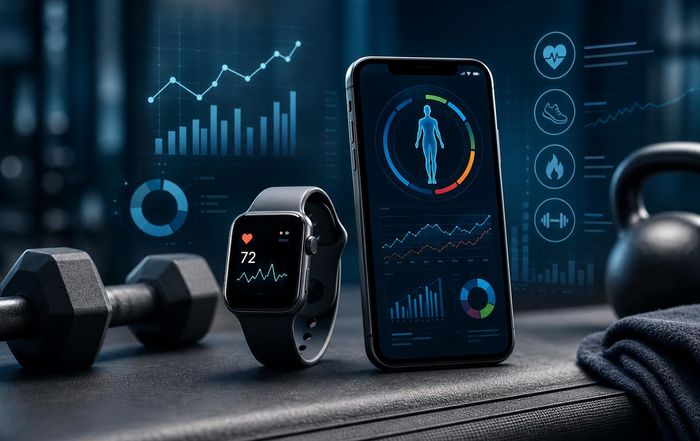
By 2026, the integration of technology into exercise routines has moved well beyond simple step counters. Advanced wearables, smart clothing, and AI-driven coaching platforms now track a wide spectrum of physiological and behavioral metrics, from heart rate variability and sleep patterns to movement quality and training load. These technologies provide real-time feedback and personalized recommendations, which can significantly enhance motivation and adherence when used thoughtfully. Organizations such as Garmin, Apple, and WHOOP continue to push the boundaries of consumer-facing performance data, while professional sports teams and training centers leverage even more sophisticated analytics to optimize athlete preparation. For a deeper look at how data is transforming health and fitness, readers can explore analyses from the MIT Sloan Management Review.
The psychological power of these tools lies in their ability to make progress visible, translate abstract goals into concrete daily actions, and deliver timely nudges that encourage follow-through. Behavioral economists and psychologists, building on the work of figures such as Richard Thaler and Cass Sunstein, have shown that small, well-designed prompts-such as reminders, default settings, and social comparisons-can significantly influence behavior without restricting choice. The Behavioural Insights Team, originally developed in the United Kingdom, has documented numerous applications of these principles in public health and physical activity promotion; insights and case studies can be found at the Behavioural Insights Team.
However, technology is not a panacea. Data overload, device fatigue, and algorithmic opacity can erode trust and undermine intrinsic motivation if users feel surveilled or manipulated rather than supported. SportyFusion.com, particularly through its technology and business coverage and business and brands analysis, approaches these tools with a balanced perspective, highlighting both their potential and their limitations. By emphasizing transparent data practices, user autonomy, and evidence-based design, the platform aligns with emerging best practices in digital health ethics and reinforces its reputation as a trustworthy guide in a rapidly evolving landscape.
The Business and Organizational Imperative for Consistent Movement
For employers and brands across the United States, Europe, Asia, and beyond, the psychology of consistent exercise is no longer merely a wellness concern; it is a strategic business issue. Organizations that understand how to support sustainable physical activity among employees can reduce healthcare costs, enhance productivity, and strengthen talent attraction and retention. The World Economic Forum and World Bank have repeatedly emphasized the economic burden of inactivity and chronic disease, as well as the return on investment associated with preventive health initiatives; those seeking macro-level analyses can review reports at the World Bank.
Forward-thinking companies now design workplace environments, benefits packages, and leadership development programs that explicitly incorporate movement. This may include on-site or subsidized fitness facilities, flexible scheduling to accommodate exercise, active design in office layouts, and performance management systems that recognize wellbeing as a core competency rather than a peripheral perk. In parallel, sports, fitness, and lifestyle brands operating in markets from Canada and Australia to Japan and South Africa increasingly position themselves as partners in long-term health rather than short-term transformation. They invest in educational content, coaching platforms, and community initiatives that help customers build sustainable habits, reflecting a shift towards relationship-based, trust-driven business models.
SportyFusion.com sits at the nexus of these developments, covering brand strategies and organizational innovations through its dedicated brands section and its reporting on jobs and careers in the sports and fitness economy. By analyzing how companies integrate psychological insights into product design, marketing, and workplace culture, the platform provides its global audience with both inspiration and practical frameworks to drive change within their own organizations. This emphasis on experience, expertise, authoritativeness, and trustworthiness ensures that readers are not only informed but also equipped to act.
Building a Personal System for Lifelong Consistency
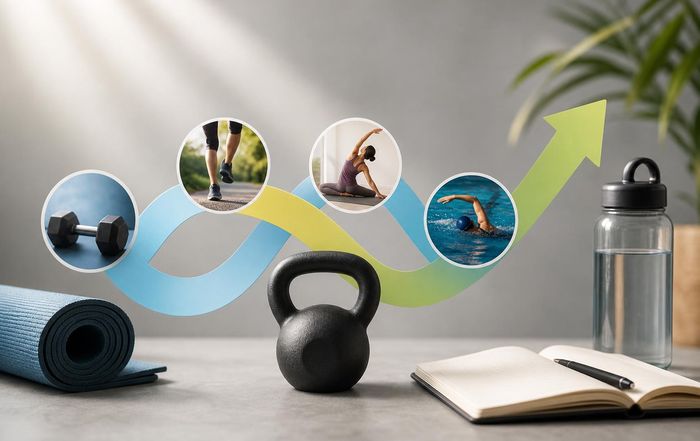
Ultimately, the psychology behind consistent exercise habits converges on a simple but profound insight: sustainable movement arises from systems, not sporadic efforts. Individuals who maintain regular physical activity across decades typically cultivate a personal ecosystem that integrates motivation, habit structure, identity, emotional regulation, social support, and appropriate use of technology. They design routines that are resilient to travel, workload fluctuations, family responsibilities, and life transitions, drawing on psychological principles rather than relying solely on willpower.
For the global community that turns to SportyFusion.com-from amateur runners in the Netherlands to corporate leaders in the United States, students in Singapore, and coaches in South Africa-this means approaching exercise not as an isolated hobby but as a strategic pillar of life design. It involves clarifying values and long-term aspirations, experimenting with routines that fit local environments and cultural contexts, leveraging digital tools judiciously, and engaging with communities that reinforce positive norms and provide accountability. It also requires an ethical and sustainable mindset, recognizing that personal health is interconnected with broader social and environmental systems, a perspective reflected in the platform's coverage of environmental impact and sustainability and its broader editorial mission at SportyFusion.com.
In 2026 and beyond, as the boundaries between sports, health, technology, and business continue to blur, those who master the psychology of consistent exercise will be better positioned not only to perform at a high level but also to navigate uncertainty, innovate, and lead. By grounding its content in rigorous science, diverse lived experience, and a commitment to trust, SportyFusion.com aims to be a long-term partner in that journey, helping readers worldwide translate psychological insight into daily action and, ultimately, into a lifetime of movement.