

Augmented Reality Experiences for Spectators: How SportyFusion Sees the Next Stadium Revolution
The New Spectator: Always Connected, Always Comparing
Sports spectators around the world have become far more than passive consumers of live events; they are hyper-connected participants who expect the immediacy of digital information, the personalization of mobile apps, and the immersion of gaming environments to converge seamlessly with the emotion of the stadium or arena. From the packed football venues of the United States and United Kingdom to cutting-edge esports arenas in South Korea and immersive fan zones in Germany, this shift is redefining what it means to attend a live event, and SportyFusion has positioned itself at the intersection of this transformation, examining how augmented reality is reshaping the global spectator economy and the broader culture of sport.
This evolution is occurring against a backdrop of rapidly advancing consumer technology, wider 5G and fiber deployment, and a generation of fans who have grown up with real-time data overlays, streaming platforms, and interactive gaming environments. For many of these fans, the benchmark for engagement is not only the live match or race, but also the depth of digital experience offered by platforms such as ESPN, Sky Sports, and Twitch, which have normalized the presence of instant statistics, live chat, and multiple camera angles. In this landscape, augmented reality is emerging as a critical differentiator for stadiums, leagues, and brands seeking to stand out and to justify rising ticket prices to increasingly discerning audiences.
Defining Augmented Reality in the Spectator Context
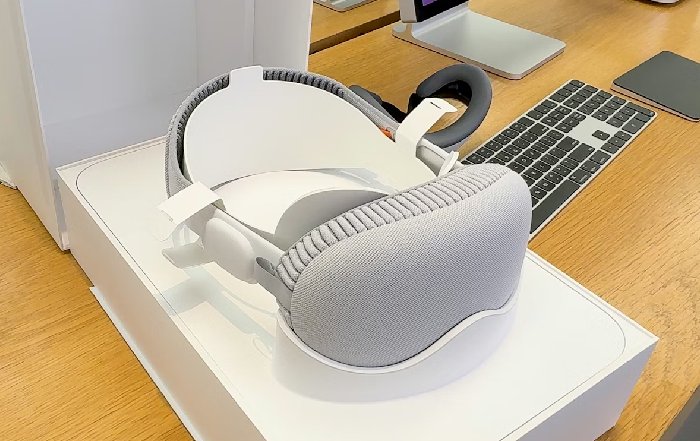
Augmented reality, as distinct from virtual reality, overlays digital information onto the physical world rather than replacing it entirely, and for spectators this means that the pitch, court, track, or arena becomes a canvas on which data, graphics, and interactive elements can appear through smartphones, AR glasses, or head-mounted displays. Organizations such as Apple, Meta, and Microsoft have invested heavily in head-worn devices and spatial computing platforms, while sports-focused technology specialists have built bespoke solutions tailored to the needs of event organizers and broadcasters. A concise overview of these underlying technologies can be found through resources such as MIT Technology Review, which track advances in spatial computing and human-computer interaction.
For live sports, the most immediate applications of augmented reality involve real-time statistics, positional tracking, replays, and contextual information that can be surfaced on demand. When a fan in Canada, Italy, or Japan raises their phone in a stadium, AR can identify the players in view and display live performance metrics, historical comparisons, or tactical diagrams, effectively merging the analytical depth of professional coaching tools with the emotional immediacy of the stands. At SportyFusion, this convergence of data, design, and emotion is central to its coverage of sports, performance, and technology, where the emphasis is placed on how fans actually experience innovation rather than on the technology alone.
From Second Screen to Augmented Stadium: The Evolution of Fan Engagement
The path to augmented reality experiences for spectators can be traced back through a decade of second-screen experimentation, during which leagues and broadcasters encouraged fans to use mobile apps for live statistics, social feeds, and interactive polls while watching events on television or in person. Platforms such as NFL Next Gen Stats and advanced analytics from Opta and Stats Perform normalized the idea that every movement on the field could be captured, analyzed, and presented in real time. Yet the second-screen model often pulled attention away from the main event, creating a fragmented experience in which fans had to glance repeatedly between the live action and their device.
Augmented reality addresses this fragmentation by integrating digital content directly into the line of sight, reducing cognitive friction and aligning with the natural way spectators watch sport. Instead of looking down to check a player's running distance or a tennis serve speed, fans in Australia, Spain, or Singapore can see that information appear contextually as they watch, either through smartphone cameras or lightweight AR glasses. Industry bodies such as GSMA have highlighted how 5G low-latency networks enable this kind of synchronized, high-bandwidth experience, particularly in dense environments like stadiums where tens of thousands of devices must connect simultaneously.
For SportyFusion, whose editorial remit spans fitness, culture, and lifestyle, this shift is not just a technological upgrade but a cultural redefinition of attention, presence, and participation. The augmented stadium blurs the boundary between broadcast and live attendance, making the in-person experience feel as information-rich as a television production while preserving the emotional resonance of being part of a crowd.
Use Cases Transforming the Live Spectator Experience
The most compelling augmented reality experiences for spectators fall into several overlapping categories, each addressing a distinct need or desire within the fan journey. One of the most visible use cases is the enhancement of live play with contextual overlays, where fans can access shot maps, heat maps, expected goals metrics, or driver telemetry without interrupting their view. Football supporters in the United Kingdom or Germany, for example, can point their phone at the pitch and immediately see passing networks or pressing intensity visualized in real time, drawing on tracking data that organizations like FIFA and UEFA have been developing for years and that are often explained in more detail through portals such as FIFA's technology section.
Another rapidly growing application involves wayfinding and logistics, where AR is used to guide spectators through complex venues, highlight the fastest routes to seating, concessions, or restrooms, and even provide accessibility-focused guidance for visitors with mobility or sensory needs. Large multipurpose stadiums in North America and Europe, many of which have been extensively profiled by outlets such as Sports Business Journal, are increasingly integrating AR into their official apps to reduce friction in the fan experience and to collect valuable data on crowd flows and preferences.
Gamification and social interaction form a third pillar of AR-based experiences, particularly relevant to younger audiences and to regions with strong gaming cultures such as South Korea, Japan, and the Nordic countries. Spectators can participate in live prediction games, skill challenges, or collaborative quests that unfold across the stadium, earning rewards or unlocking exclusive content by scanning markers or interacting with virtual objects. Gaming and esports venues, which SportyFusion covers through its gaming vertical, have been early adopters of such features, leveraging platforms like Steam and real-time engines from Epic Games to create crossover experiences where physical attendance and digital progression are intertwined.
Finally, AR is being used to deepen storytelling and brand activation, allowing sponsors and teams to create immersive narratives that tie together history, community, and commercial partnerships. A fan in France or Brazil might scan a mural outside a stadium to see historical highlights, interviews with legends, and interactive timelines emerge in augmented space, all while engaging with sponsor content in a more organic and less intrusive way than traditional advertising. This storytelling dimension aligns closely with SportyFusion's interest in brands and social impact, emphasizing how augmented reality can humanize data and commercial messages by embedding them in meaningful narratives.
Technology Foundations: Networks, Devices, and Data
Delivering these experiences reliably to tens of thousands of spectators at once requires robust infrastructure, from high-density Wi-Fi and 5G networks to edge computing and optimized content delivery pipelines. Telecommunications providers and stadium operators have collaborated to deploy distributed antenna systems and localized compute nodes that can process tracking data, render visualizations, and push AR assets to devices with minimal latency. Technical overviews from organizations such as Cisco and Ericsson explain how these architectures are being designed to handle peak loads during major events such as the Olympics, World Cup tournaments, or global esports championships.
On the device side, the proliferation of powerful smartphones and the emergence of more comfortable AR glasses have lowered the barrier to adoption. While fully immersive headsets remain niche in stadiums, lightweight glasses from companies like Apple and Meta are beginning to appear in premium hospitality areas and pilot programs, offering hands-free overlays for statistics, replays, and real-time betting information. In parallel, advances in computer vision and simultaneous localization and mapping (SLAM) algorithms, often documented in academic repositories like arXiv, enable precise alignment of virtual objects with the physical environment, ensuring that a virtual offside line or racing trajectory appears exactly where it should in the spectator's field of view.
Data is the lifeblood of these experiences, and elite teams across Europe, North America, and Asia have invested heavily in player tracking systems, wearables, and performance analytics, many of which are covered in depth through SportyFusion's training and health sections. Providers such as Catapult Sports, Hawk-Eye Innovations, and Second Spectrum supply the raw positional and event data that can be transformed into compelling AR overlays, while leagues and rights holders determine how much of this data is shared with fans, broadcasters, and betting operators. As this ecosystem matures, the competitive advantage increasingly lies not in data collection alone but in the ability to translate complex datasets into clear, visually intuitive experiences that enhance rather than overwhelm the live event.
Business Models and Revenue Opportunities
For rights holders, clubs, and venue operators, augmented reality is not merely an engagement tool; it represents a new layer of monetizable real estate within the live experience. Virtual advertising boards, branded interactive games, and premium data visualizations can all be packaged as sponsorship inventory, with brands paying to associate themselves with specific moments, zones, or narratives. Market analyses from organizations such as Deloitte and PwC have highlighted AR as a key growth area in the broader sports media and sponsorship market, particularly in regions such as North America, Europe, and parts of Asia where digital engagement is already deeply embedded in fan behavior.
In parallel, augmented reality can support direct-to-consumer revenue streams, such as tiered access to advanced analytics, personalized camera feeds, or exclusive behind-the-scenes content that appears only for subscribers. A fan in the Netherlands or Singapore might pay for a "pro view" mode that visualizes tactical structures, player fatigue estimates, or real-time win probabilities as they watch, effectively merging the experiences of coach, analyst, and supporter. This aligns with the emerging creator and expert economy around sport, where former professionals, data scientists, and tactical analysts share insights through platforms like YouTube and specialized subscription services, and where SportyFusion's business coverage explores how new digital products reshape revenue models and job roles across the industry.
Ticketing and membership programs also stand to benefit from AR integration, with loyalty points, seat upgrades, and exclusive experiences delivered via augmented triggers at specific locations in or around the stadium. This approach encourages early arrival, longer dwell times, and repeat visits, metrics that stadium operators in the United States, United Kingdom, and Australia track closely as they seek to maximize the lifetime value of each fan. When combined with data from concessions, merchandise, and digital interactions, AR engagement patterns can provide a rich behavioral dataset that informs everything from staffing and inventory to content strategy and sponsor targeting.
Regional Dynamics: How AR Adoption Differs Around the World
While the underlying technologies are global, the adoption and expression of augmented reality experiences for spectators vary significantly by region, reflecting differences in infrastructure, cultural expectations, and regulatory environments. In North America and Western Europe, where 5G coverage is relatively advanced and sports franchises often operate as diversified entertainment businesses, AR initiatives tend to focus on premiumization, data-rich experiences, and sophisticated sponsorship activations. Stadiums in cities such as London, Munich, New York, and Los Angeles have become test beds for integrated AR ecosystems, often in partnership with major technology companies and consultancies.
In East Asia, particularly in South Korea, Japan, and increasingly China and Singapore, the strong influence of gaming culture and super-app ecosystems has produced a distinctive blend of sport, esports, and social media within AR experiences. Fans are accustomed to digital collectibles, avatar customization, and live chat overlays, and stadium AR often extends these paradigms into the physical realm, creating hybrid experiences that feel closer to interactive entertainment than to traditional spectating. Reports from organizations such as Newzoo offer deeper insight into how gaming and esports trends inform broader digital engagement patterns in these markets.
In emerging markets across Africa, South America, and parts of Southeast Asia, infrastructure constraints and device diversity pose challenges, yet there is also an opportunity to leapfrog legacy systems and to experiment with mobile-first AR experiences that do not depend on expensive in-venue hardware. Brazilian football stadiums, South African rugby grounds, and Thai fight venues are exploring lighter AR layers that can run on mid-range smartphones, focusing on essential features such as live statistics, wayfinding, and sponsor activations that can deliver clear value without overwhelming network capacity. As connectivity improves and device capabilities rise, SportyFusion expects these markets, which it follows through its world and news coverage, to become fertile ground for innovative, locally tailored AR solutions.
Health, Ethics, and the Human Factor
As with any pervasive technology in live environments, augmented reality raises important questions about health, wellbeing, and ethics, areas that SportyFusion regularly examines through its ethics and health sections. Extended use of AR devices can cause eye strain, motion discomfort, or cognitive overload, particularly in high-intensity settings where spectators are already processing large amounts of sensory information. Guidelines from organizations such as the World Health Organization and research aggregated by institutions like Mayo Clinic provide a reference point for understanding how screen time, visual fatigue, and attention fragmentation may impact fans, especially children and older adults.
There are also concerns about data privacy and surveillance, as AR platforms may collect detailed information about where spectators look, how they move, and which content they engage with. Regulators in the European Union, through frameworks such as the General Data Protection Regulation, and in countries such as Canada and Brazil have emphasized the need for transparent consent, data minimization, and secure handling of biometric and location data. Legal and ethical analyses from resources like EDPB and OECD help organizations understand their obligations when deploying AR in public venues, especially when combining it with facial recognition, payment systems, or personalized advertising.
From a cultural perspective, there is an ongoing debate about whether augmented reality enhances or erodes the essential qualities of live sport, including shared attention, spontaneity, and the sense of being fully present in the moment. Purists in Italy, France, and the United Kingdom sometimes argue that an overreliance on overlays and gamification risks turning the stadium into an extension of the smartphone, while proponents counter that thoughtful design can deepen understanding, inclusivity, and enjoyment without overwhelming the core spectacle. SportyFusion approaches this debate by emphasizing human-centered design, advocating for experiences that respect the integrity of the game and the diversity of fan preferences.
Skills, Jobs, and the Emerging AR Sports Workforce
As augmented reality becomes more central to the spectator experience, it is also reshaping the skills and roles required within sports organizations, technology vendors, and creative agencies. New job profiles are emerging at the intersection of data science, UX design, 3D art, and sports performance analysis, with titles such as AR experience architect, real-time graphics engineer, and fan engagement strategist appearing in recruitment listings. Industry job boards and professional networks, as covered in SportyFusion's jobs reporting, increasingly feature roles that require familiarity with game engines like Unity and Unreal Engine, as well as expertise in spatial interaction design and live operations.
Educational institutions and training providers are responding by developing specialized programs that combine sports management, computer science, and digital media, often in partnership with clubs, leagues, and technology companies. Prospective professionals can explore broader labor market trends and skills forecasts through resources such as the World Economic Forum and LinkedIn Economic Graph, which highlight the growing demand for immersive technology expertise across industries. For sports organizations, the challenge is not only to recruit these skills but also to integrate them effectively with existing departments such as marketing, broadcasting, and coaching, ensuring that AR initiatives align with overall strategy rather than becoming isolated experiments.
At the same time, augmented reality is influencing the daily routines of athletes, coaches, and performance staff, who must adapt to the presence of new data streams and fan expectations. When spectators in Switzerland, Norway, or New Zealand can see advanced metrics in real time, the pressure on athletes to perform under increasingly quantified scrutiny intensifies, raising questions about mental health, privacy, and the balance between transparency and protection. SportyFusion's coverage of performance and fitness explores how these dynamics play out in training environments and competition, emphasizing the need for holistic support systems that address both physical and psychological demands.
Sustainability and the Environmental Dimension
Augmented reality experiences for spectators also intersect with environmental considerations, particularly as stadiums and event organizers face growing scrutiny over their carbon footprints and resource usage. On one hand, AR can reduce the need for physical signage, printed programs, and disposable promotional materials, replacing them with digital equivalents that can be updated dynamically and targeted more precisely. On the other hand, the energy consumption associated with additional networking equipment, edge servers, and device charging must be managed carefully to avoid offsetting these gains. Organizations such as the UN Environment Programme and Global Sustainability Standards Board provide frameworks for measuring and reporting the environmental impact of digital infrastructure, which can guide sports bodies seeking to integrate AR responsibly.
For SportyFusion, which addresses ecological issues through its environment coverage, the key question is how augmented reality can support broader sustainability strategies rather than becoming an isolated layer of digital novelty. For example, AR wayfinding can encourage the use of public transport, cycling, or walking by highlighting low-carbon routes and real-time capacity information, while in-stadium overlays can educate fans about energy-efficient operations, recycling programs, and community initiatives. By aligning AR content with sustainability messaging and practical guidance, clubs and venues can turn spectators into active participants in environmental efforts, creating a virtuous cycle of awareness and action.
The Road to 2030: Strategic Considerations for Stakeholders
Looking ahead to 2030, the trajectory of augmented reality experiences for spectators will be shaped by several interlocking factors: the pace of hardware adoption, the evolution of network infrastructure, regulatory developments, and the creativity of content and experience designers. Analysts from organizations such as McKinsey & Company and Gartner have projected substantial growth in the broader extended reality market, with sports and live entertainment positioned as key verticals. Yet the distribution of benefits will depend on how effectively stakeholders collaborate across traditional boundaries, balancing commercial interests with fan wellbeing, privacy, and accessibility.
For leagues and clubs, the strategic imperative is to define clear objectives for AR deployment, whether focused on deepening engagement, generating new revenue, enhancing accessibility, or differentiating the venue experience from at-home viewing. For technology providers, the priority lies in developing interoperable, scalable solutions that can adapt to diverse regulatory environments and cultural expectations across regions such as Europe, Asia, and Africa. For brands, the challenge is to create activations that add genuine value to the spectator journey rather than cluttering the visual field with intrusive messaging.
Within this evolving landscape, SportyFusion will continue to serve as a bridge between innovation and impact, drawing on its multidisciplinary focus across sports, technology, business, and culture to provide nuanced analysis of how augmented reality is reshaping not only what spectators see, but how they feel, behave, and belong. As stadiums, arenas, and fan zones from the United States to South Africa and from Sweden to Malaysia become canvases for layered digital experiences, the central question is no longer whether AR will be part of the spectator experience, but how thoughtfully it will be designed and governed.
The next chapter of live sport will be written not only on the field of play but also in the invisible layers of data, graphics, and interaction that float above it. In that space, where emotion meets information and physical presence meets digital augmentation, the true potential of augmented reality for spectators will be realized, and it is in this convergence that SportyFusion continues to invest its attention, expertise, and commitment to trustworthy, experience-driven reporting.